The 16 Best European Cities to Visit (or avoid) in 2026
While the natural world is my travel destination of choice, a short city break doesn’t go amiss. The cities listed below are based on my own experiences, bearing in mind that I am largely uncultured, know little about the arts, get lost in museums, and am not a connoisseur of food and fine wines. The cities are listed from my favourite to my least favourite.
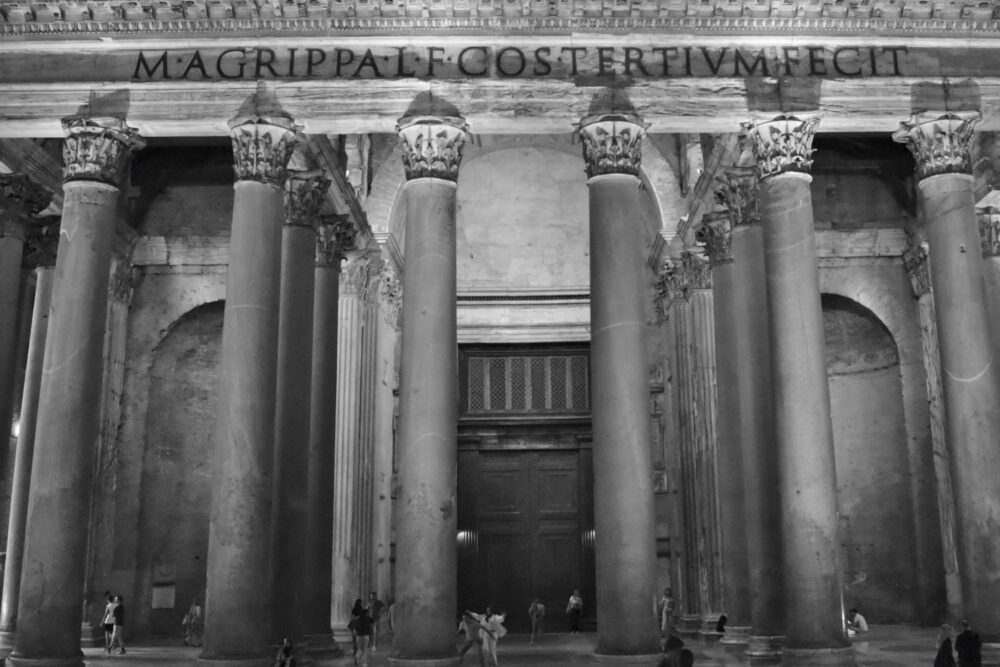
1. Italian cities | so many to choose from
Italy is my favourite European country. The climate, the people, the food, and the available activities, keep me going back time after time. While there are so many Italian cities to choose from my top three are Florence, Venice, and Rome. A word of caution; if possible avoid summer months due to the heat and crowds.
When it comes to travel blogs there appears to be a lot of snobbery about Venice; many lists don’t put it near the top, but for me it is a bit like saying I am not going to put Smells Like Teen Spirit or Lithium in my top 10 Nirvana songs because they are a 'starter pack'. Outside of peak season, getting lost in the narrow streets of Venice is a joy to behold.
Arguably Florence, with its access to the Tuscan countryside and many beautiful small towns, is my favourite. Looking through my website this is not something I have written a blog on as yet, which is now on my to-do list. Follow these links for my blogs on Rome and Venice. If I could include a fourth city it would be Verona.

2. London | so much to do
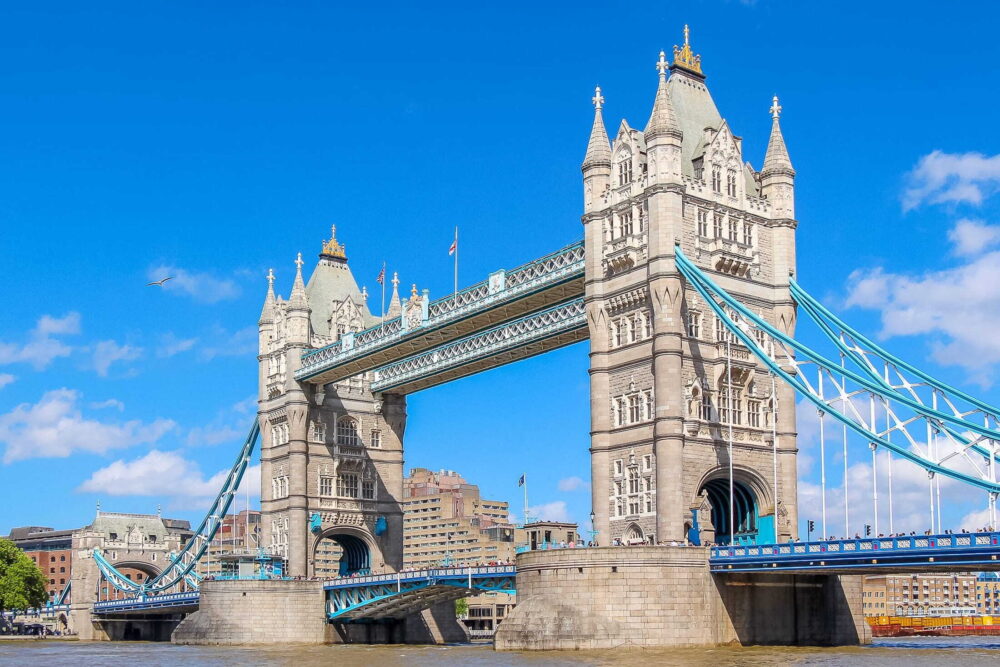
While London lacks some of the romance compared to some of its European counterparts, there is arguably more to do in London than any other city in the world, you can spend a week here and have still not seen all that is worth experiencing. This is perhaps why, at the time of writing, London is the most visited city in the world. With climate change, London is generally pleasantly warm from mid Spring to early Autumn; as with any major city it can feel hot during a heat wave. Read more in my London blog.
In terms of accessibility, London is served by a number of airports located the following distances away - London City Airport 13 km, Heathrow 25 km, Gatwick 40 km, Luton 45 km, and Stansted 60 km.

3. Seville in Spring
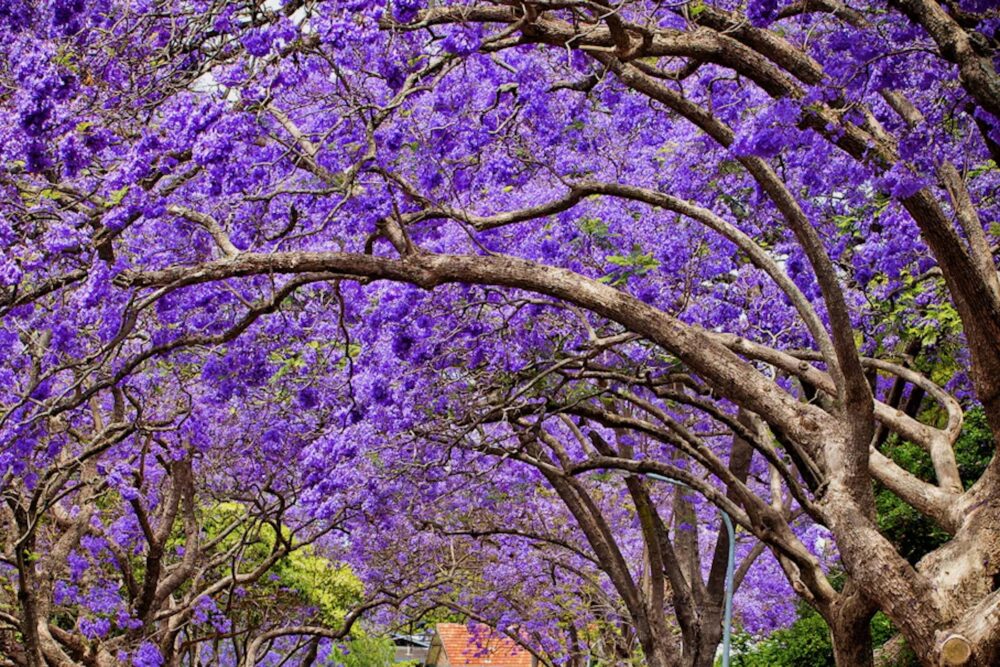
Seville is best known for its oranges, which come to fruition from late December through mid-to-late February. The best time to visit Seville is mid-late May when the city become a sea of purple, thanks to the flowering Jacaranda trees, and the temperature is usually pleasant.
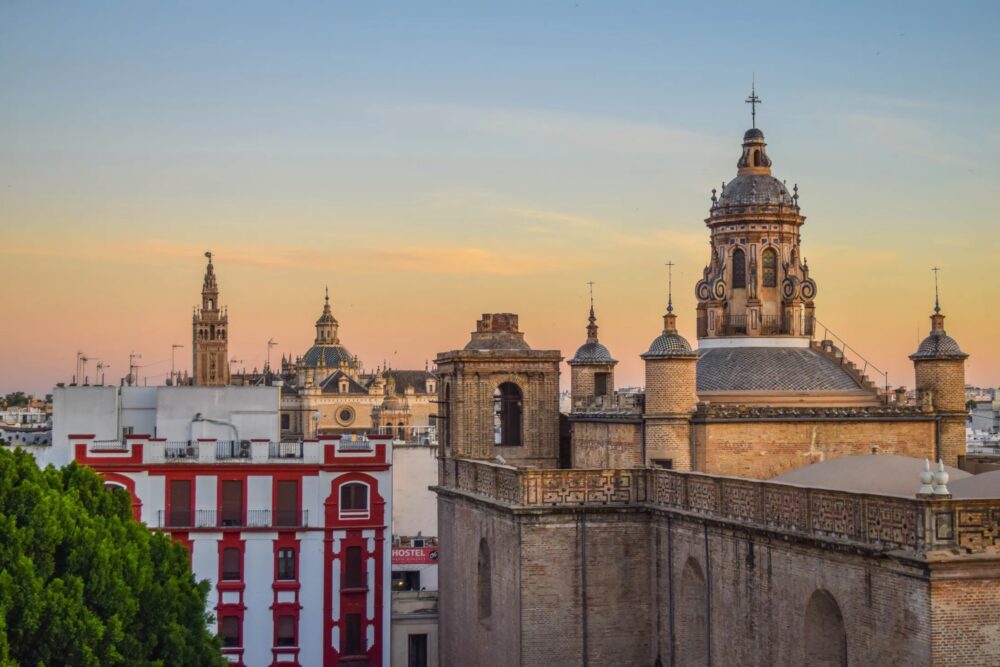
Seville has a beautiful old town and has good access to Malaga, Cordoba, and Granda, with the enthralling Alhambra Palace. For more information on Seville read my blog on the highlights of Andalusia.
4. Amsterdam | not a poor relative of Venice
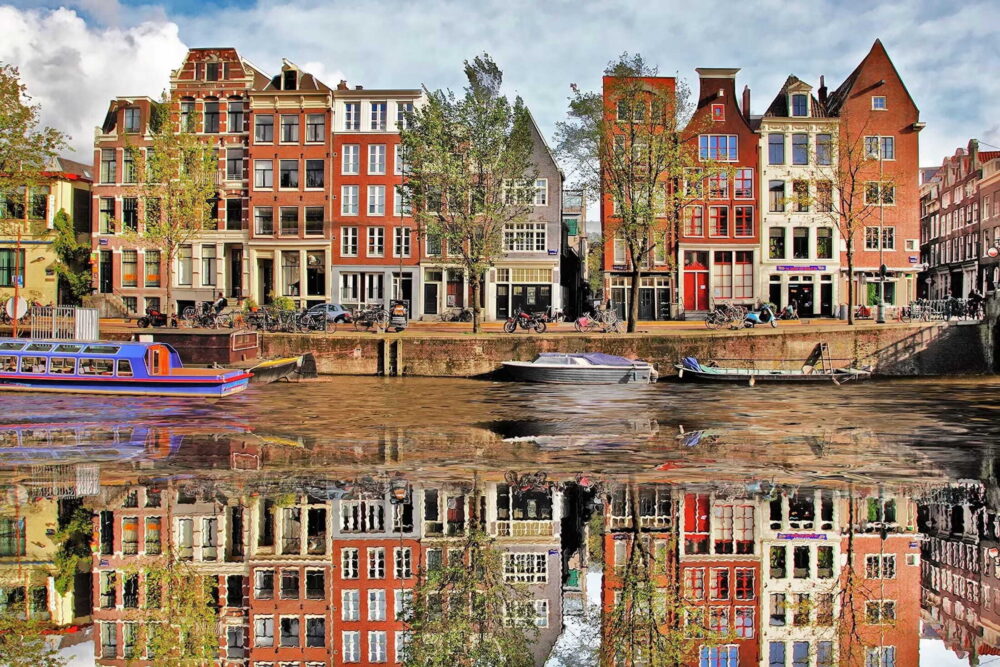
While Amsterdam doesn’t have the gondola’s of Venice and the food of the Italy, the city of Amsterdam still has great character; the canals and coffee shops are a fabulous place to stroll around. In particular don’t miss the Jordaan, a typical working class neighbourhood in the west of the city with beautiful canal houses dating back to the 17th century. Other highlights of Amsterdam include:
- A canal trip (obviously)
- Anne Franks’ house - visit the story of this Jewish girl who hide from the Nazi’s in a room behind a moveable bookcase
- Vondelpark - the largest park in the city.
- Several museums, apparently there is one about a chap called Vincent Van Gogh - I warned you that I am uncultured!
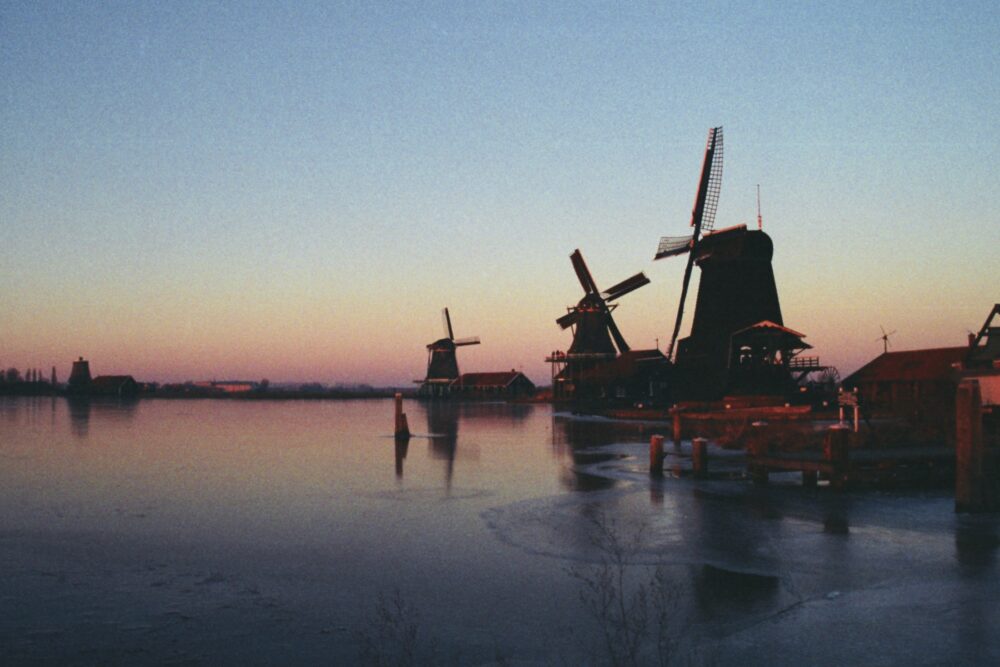
The best time to visit is mid-late April when you can see the tulips in full bloom, best experienced at Keukenhof. Other day trips include to the windmills of Zaanse Schans and the villages of Monnickendam, and Edam (related the famous Dutch cheese).
Amsterdam is 32 km away from the airport and can be visited as a short break, or, given that the airport is a main hub, it could be tagged with another holiday.
5. Paris | for romance
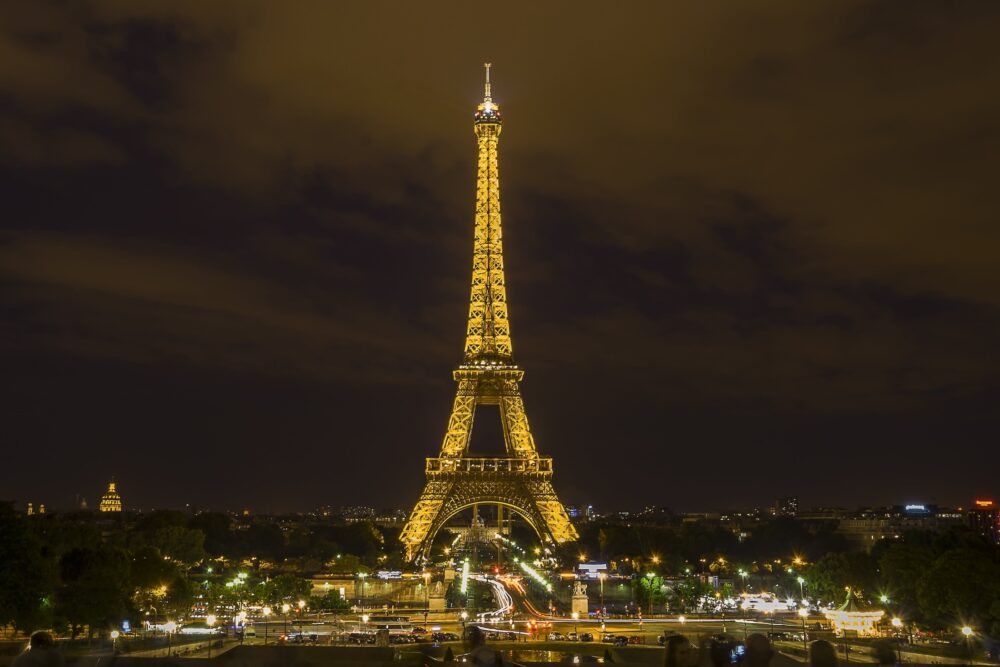
At night, the city's streetlamps decorated by intricate metalwork, delicate mosaics, and colorful glass panes, makes Paris of the prettiest cities in the world. The title 'City of Lights', as Paris is known, was actually born out of the crime and murder which inundated the city more than 300 years ago - to prevent Paris’ violent crooks from hiding in shadows, King Louis XIV ordered almost 3,000 street lanterns be erected.
Away from the lights the main attractions in Paris include:
- The Eiffel Tower - this 312 metres (1,024 feet) tower was built in 1889. Given my fear of heights, on both occasions I have climbed the tower I did not peer over the edge for too long
- The spectacular cathedral of Notre-Dame reopened in December 2024, following a massive five-and-a-half-year restoration after a devastating fire on April 15, 2019
- The Arc Du Triomph - surrounded by the craziest multi-lane roundabout at one end of the famous Champs-Élysées, the Arc de Triomphe is one of the most famous symbols of Paris
- The Louvre - the massive former royal palace complex today holds some of the most famous works of art in the world, from the Venus De Milo to the Mona Lisa
- The Paris Catacombs - twenty meters underground in a maze of galleries, are the remains of several million Parisians. This unique site recalls the history of these Parisians
As with London, Paris is best explored over several days. If time allows it is well worth a trip to the Palace of Versailles, the principal residence of the French kings from the time of Louis XIV to Louis XVI.
Orly airport is 13 km from Paris, and Charles de Gaulle airport is 23 km away.

6. Ljubljana | the best day trips
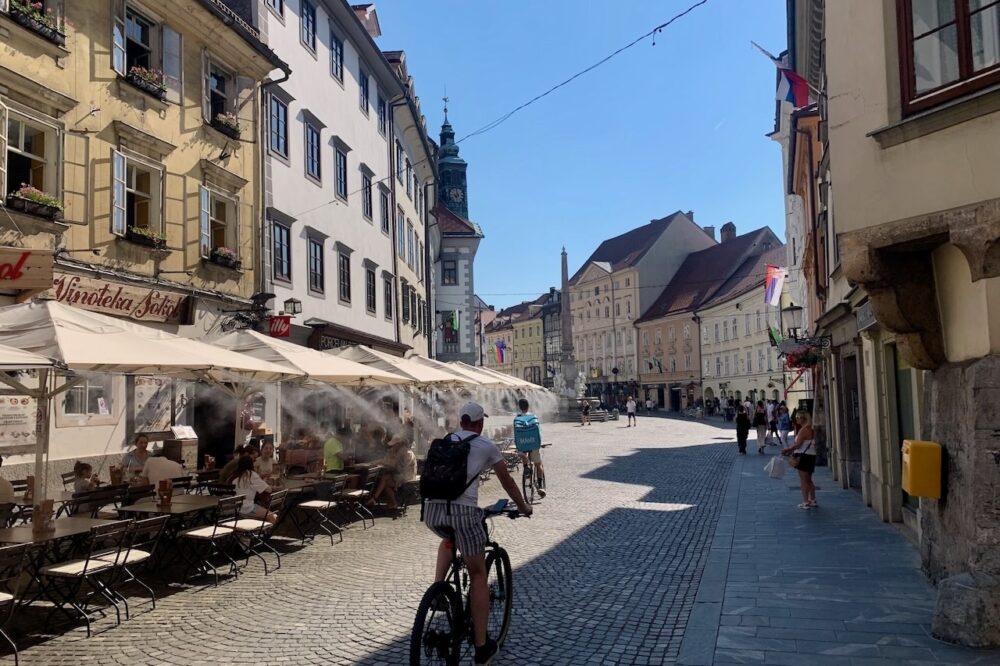
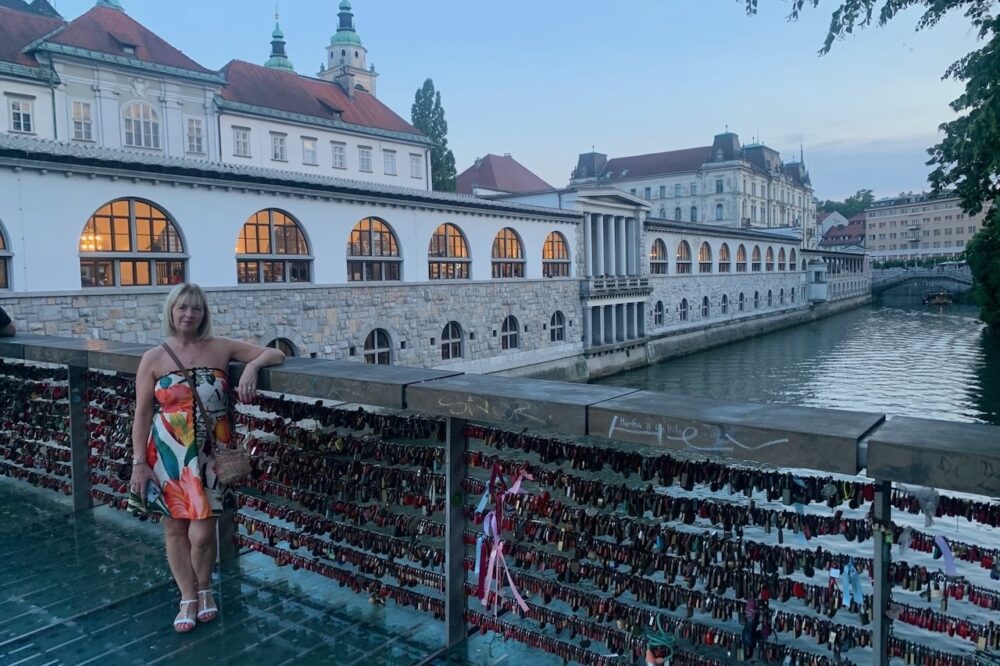
While there is not a huge amout to do in Ljubljana, the capital of Slovenia ranks highly of my list of European cities as a result of the beautiful old town, which can be found on either side of the Ljubljanica River, and easy access to the country's top destinations such as Postojna Caves, Lake Bled, and Triglav National Park. For more detailed information on Ljubljana read my Slovenia blog.
7. Dubrovnik | The Game of Thrones
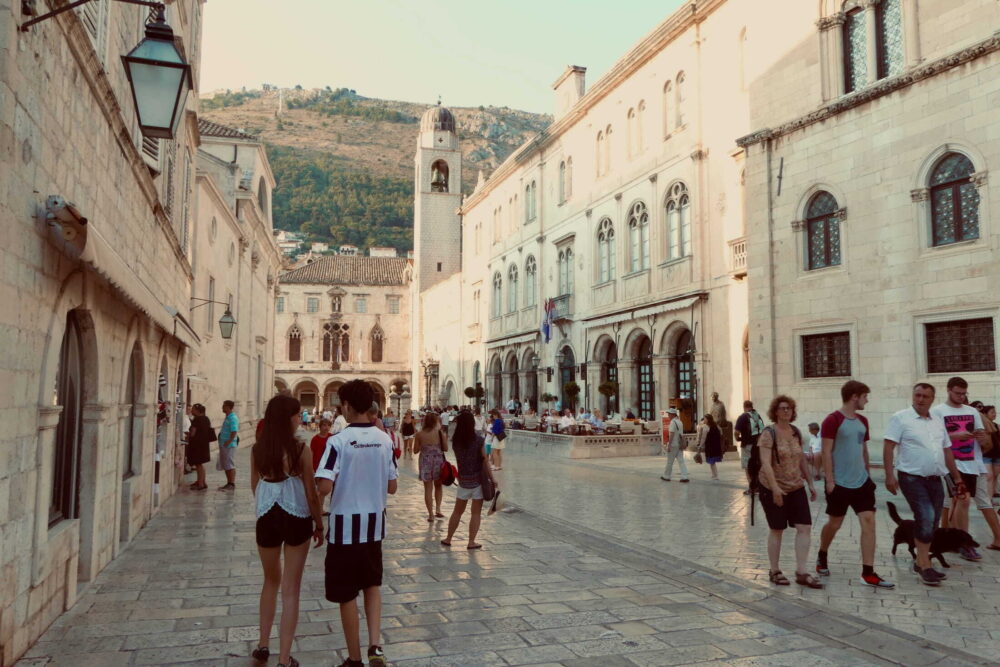
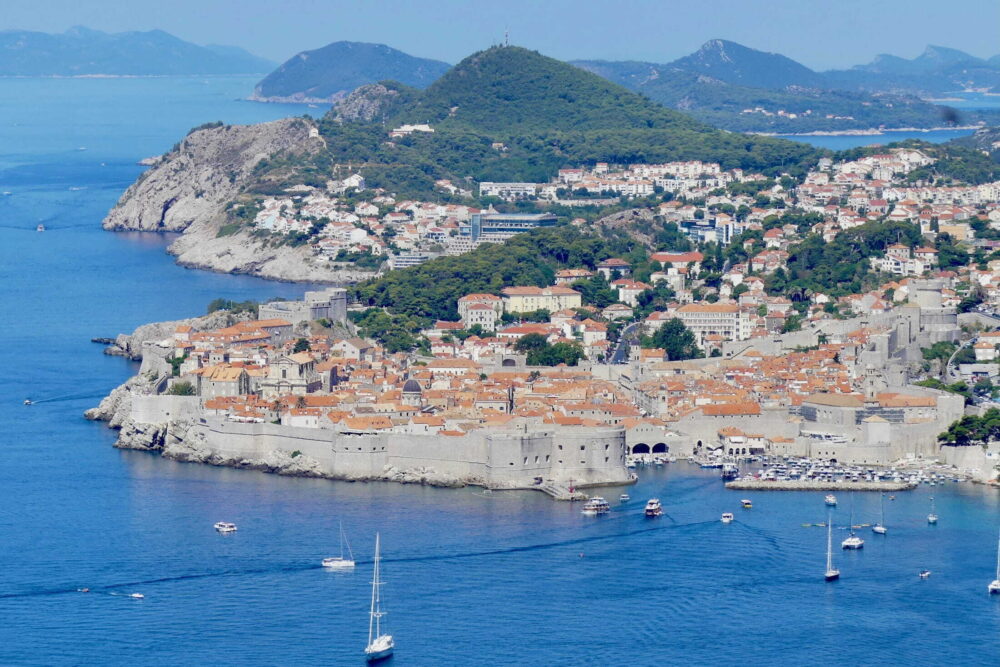
Dubrovnik is one of the world’s most magnificent walled cities and a UNESCO World Heritage Site. Most of the attractions are concentrated in the car-free old town, within the medieval walls. Two monumental arched gates, Pile (to the west) and Ploče (to the east), serve as entrances to the old town, and they are joined by the main thoroughfare, Stradun (aka Placa). Off each side of Stradun lies a grid of narrow alleys harbouring countless shops, cafes, and restaurants.
Dubrovnik is a must for fans of the TV series Game of Thrones, has good access to numerous small beautiful islands in the Adriatic Sea, and is served by an airport only 15km away. Read more about Dubrovnik in my Croatia blog.
8. Lucerne in the summer
Given the beauty of the Swiss Alps, combined with the abundence of outdoor activities, it can be easy to overlook Swiss cities, which is what I did for decades.
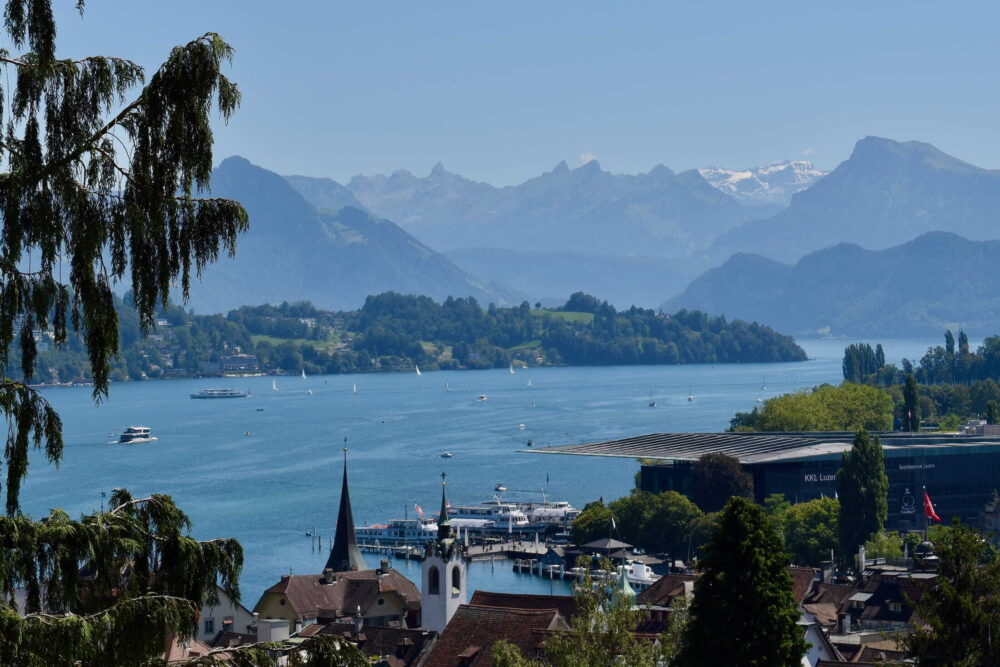
My favourite Swiss city in Lucerne, a microcosm of Switzerland itself. Bang in the centre of the country, on the shores of the sublime Lake Lucerne and overlooked by mountains, it exudes Swissness from every pore.
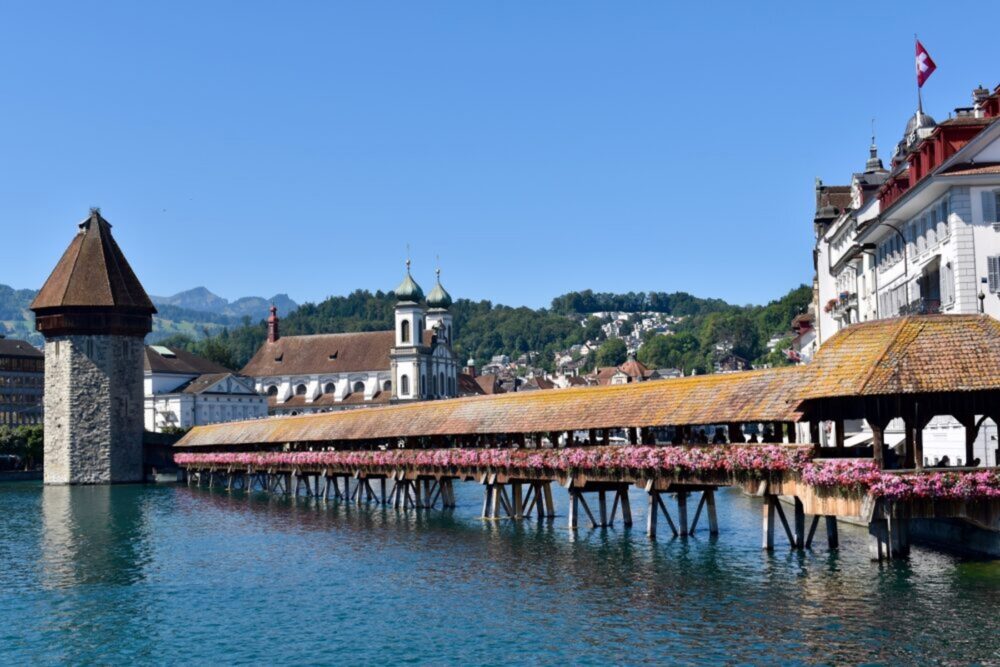
Lucerne is a compact city known for its preserved medieval architecture. The highlights of the old town are the Kapellbrücke (Chapel Bridge) and the Jesuit church of St Francis Xavier. I also recommend a walk along the Musegg Wall and its nine towers, providing lovely views. Lake Lucerne is Switzerland’s fourth-largest lake. Like everything in the Swiss Alps the lake is very clean; lovely for a swim and cool down on a warm summer's day.
One of the main reasons for going to Lucerne was its proximity to the spectacular mountains and valleys of the The Bernese Oberland, in which we sent an unforgettable week. For more information read by blog on the The Swiss Alps.
The main airport serving this area is Basel (an easy airport to navigate), which was only 100 km to the North. Basel itself is also beautiful city, the Rhine River is so clean here that a quintessential summer tradition is for locals to use the natural current to drift past the historic Old Town - we witnessed large numbers of people doing just this,
Next up on my list of Swiss cities to visit are Bern and Thun, only 30 km from each other, the reviews I have seen of both of these places are impressive.
9. Porto | a perfect weekend break
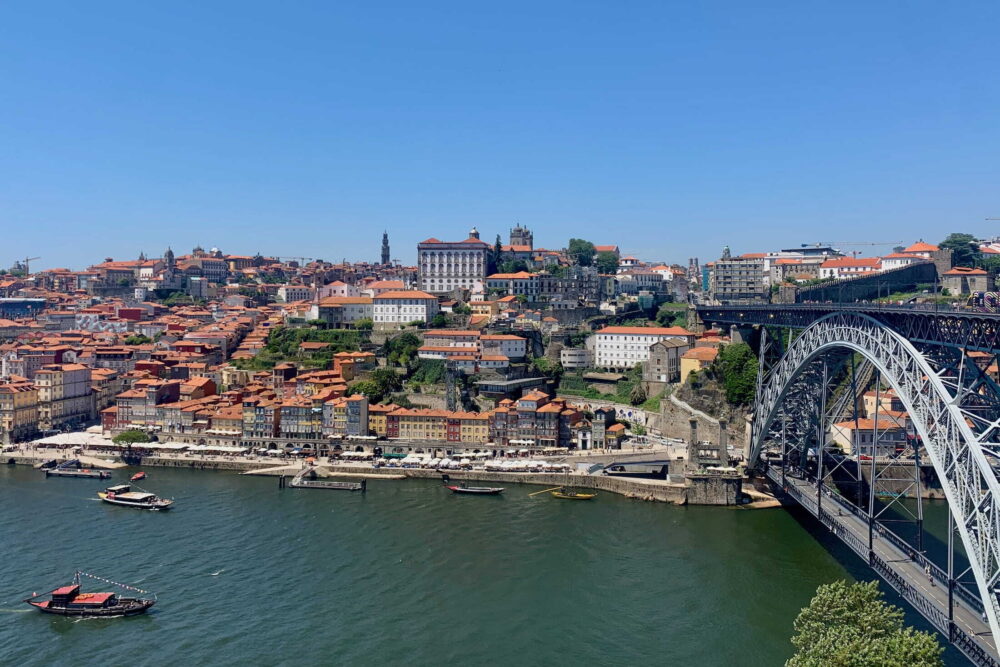
Porto is a small city on Portugals’ northwest coast. While best known for its stately bridges and Port wine production, it is the Ribeira (riverside) district that is its greatest attraction. With its lovely climate, welcoming locals, and affordability, Porto is ideal for a short break - three nights is about right. Porto is generally warm and sunny from April to the end of October, and given its position next to the Atlantic, it doesn't tend to get too hot. Porto is located 19km from the airport; Metro’s run regularly and are incredibly cheap. I was only planning to write a few lines on my vacation until I visited, after which I wrote a whole blog on Porto.

10. Berlin | a lot more than just a wall
My time in Berlin was as part of a dermatology conference; being on the committee I ensured that enough time was given for sightseeing; it would have been rude not to support the local economy! My take on the city, like many other friends and colleagues, is largely positive; Berlin has a pleasant atmosphere and there is more than enough to keep you interested for 2-3 days.
Some of the best things to do in Berlin are:
- The Reichstag - home of the German parliament, which must be booked in advance
- Admire the murals at East Side Gallery - this 1.3 km long open-air gallery is a remnant of the Berlin Wall
- Checkpoint Charlie - the most famous Berlin Wall border crossing between East and West Berlin
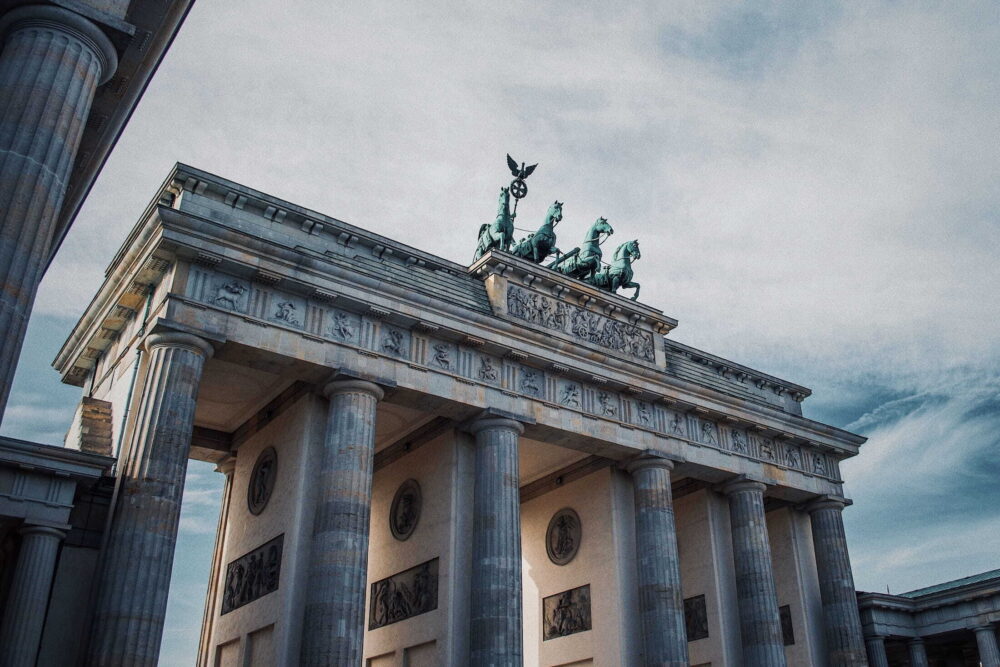
- Brandenburg Gate - an 18th-century neoclassical monument regarded as one of the country's most famous landmarks
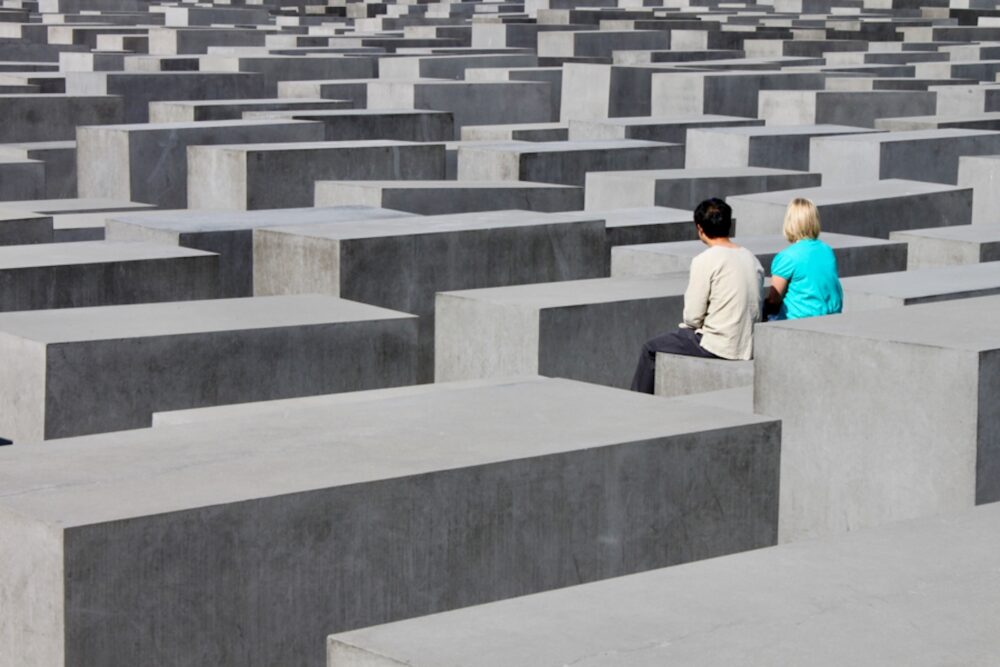
- The Memorial to the Murdered Jews of Europe - a place of remembrance and commemoration for the up to six million Jewish victims of the Holocaust
- The Berlin TV Tower (Berliner Fernsehturm) - situated in what used to be East Berlin, this tower is the tallest structure in Germany, standing at an impressive 368 meters (1,207 feet) high
- Old Templehof Airfield - saved from re-development, this former airport control tower and viewing Terrace offers a 360-degree skyline panorama, as well as an exhibition inside the building
- The Fotografiska museum - provides a snapshot of the 20th century
Berlin is 27 km from Brandenberg airport.
11. Edinburgh | the place to be before Christmas
In my view the best time to visit is in the period leading up to Christmas; the following recommendations provide a fascinating insight in to the city:
- Exploring the shops and cafes on Princes Street in the late afternoon when the castle, perched on the hill above, is illuminated. Opposite you will find the Christmas market
- Visit Edinburgh Castle, one of the oldest fortified places in Europe, the castle has endured 23 sieges over its long history, making it one of the most contested places in all of Great Britain
- Walk the Royal Mile - a sequence of streets with gothic architecture that link Edinburgh Castle & Holyrood Palace. While on the mile visit St Giles’ Cathedral, especially the Thistle Chapel
- One of my favourite experiences, which is fun for all the family, is Camera Obscura and World of Illusions
- Get a taste of Scotland at the Holyrood Whisky Distillery (not quite as much fun for all the family)
- Explore the dark and chilling history of Edinburgh's past at the Edinburgh Dungeons, the Edinburgh Vaults, or the Real Mary Kings Close Tour
Take a tour of the Scottish National Gallery of Modern Art and National Museum of Edinbugh
- Visit Edinburgh's Leith waterfront and explore the Water of Leith Walkway
- The best views of Edinburgh include catching the sunset at Calton Hill or if you are feeling more strenuous hike up Arthur's seat, a 2.4 mile hike
- Finish the day in the Grassmarket area, one of the most vibrant with some of the best restaurants and bars in town
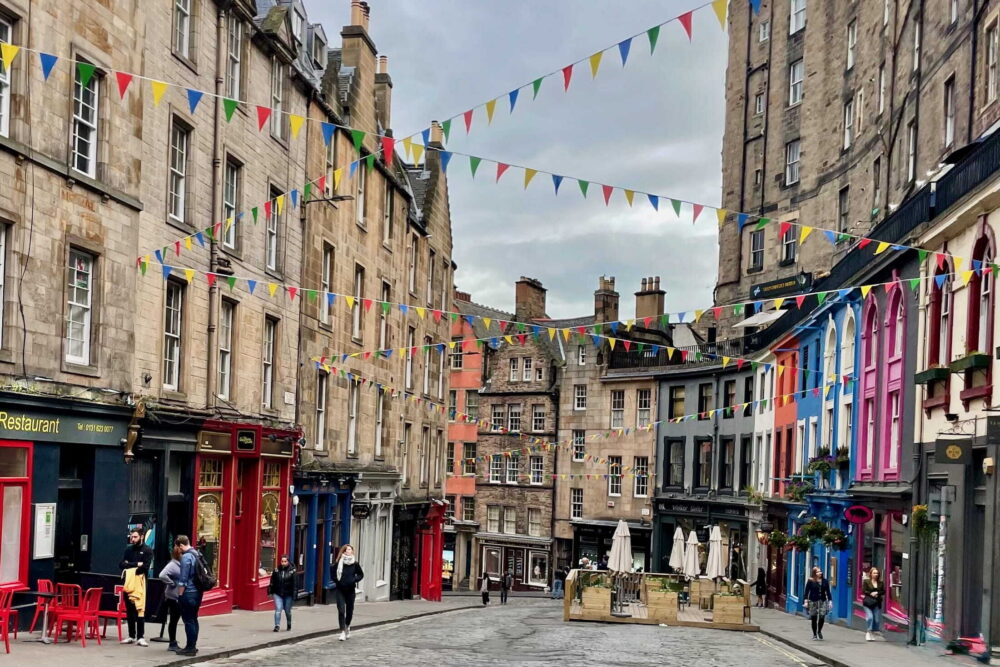

12. Salzburg in the summer | The Sound of Music
As well as Salzburg being famous for the Sound of Music, it is also home to one of the world's most important festivals for opera, music and drama that runs each July and August. Away from music some of the main things to see and do in and around Salzburg are:
- The Hohensalzburg Fortress - built in the 11th century, this fortess is one of the largest existing castle in Europe with a great vantage point over the city; it is best reached by a funicular to the top
- Mirabell Palace (and Mirabell Gardens) - this beautiful palace and gardens is listed as a UNESCO world heritage site. It is in the historic city center with lovely views of the Hohensalzburg Fortress in the distance. The steps in the garden are well known for the place where the children sang ‘Do-Re-Me’ in The Sound of Music
- Stroll a long the Getreidegasse - this street, in the center of Salzburg’s old town, has interesting shops and is also Mozart’s birthplace
- The Museum der Modern - Salzburg’s Museum of Modern Art, which is set on the top of a cliff
There are several great daytrips in easy reach of Salzburg; one of my favourite places in Austria is Hallstatt, a historic UNESCO-listed lakeside village nestled between the Dachstein Alps and the shores of the Hallstätter See. In the same area, you can take a tour of the famour saltmines. Alternatively head to the Eisriesenwelt Ice Caves.
If you want to extend your trip there is some beautiful countryside and towns around Salzburg, in particular St Wolfgang on the shores of Lake Wolfgang. Alternatively you can explore St.Gilgen and Mondsee, which were also used in the Sound of Music.
Salzburg is a small city, easy to navigate, and is only 3.6 km from the airport.


13. Bruges | spring daffodils, chocolate and waffles
Bruges is a compact, pedestrian-friendly medieval city in the Flemish region of Belgium. Bruges is one of the world's premier capitals for artisan chocolate, featuring over 70 to 90 independent chocolate shops as well as the Choco-Story Chocolate Museum. Bruges is also famous for waffles. As well as significantly increasing your glycaemic index, other things to see and do in Bruges include:
- The Markt (Market Square) - the colorful heart of the city, framed by medieval guild houses and the towering Belfry; climb the 366 spiral steps for panoramic views of the city
- Take a walk along the canals - if you want to explore the inner canals, start the 2.8 km walk from Zand Square and finish at the Bonifacius bridge near the Church of Our Lady. Among the labyrinth of canals in the city, the Groenerei is said to be the most beautiful, it is best admired and photographed from Peerdenbrug (the Horse Bridge) looking toward the Meebrug. Rozenhoedkaai (Quay of the Rosary) is one of the most picturesque canal bends in the city
- Take a 30-minute boat tour on the canals - while the canals are much less extensive than in Amsterdam; the trip is a great opportunity to see the beautiful architecture of Bruges
- Windmill Walk (De Vesten) - walk along the grassy ramparts to see historic operating flour mills like the Sint-Janshuismole
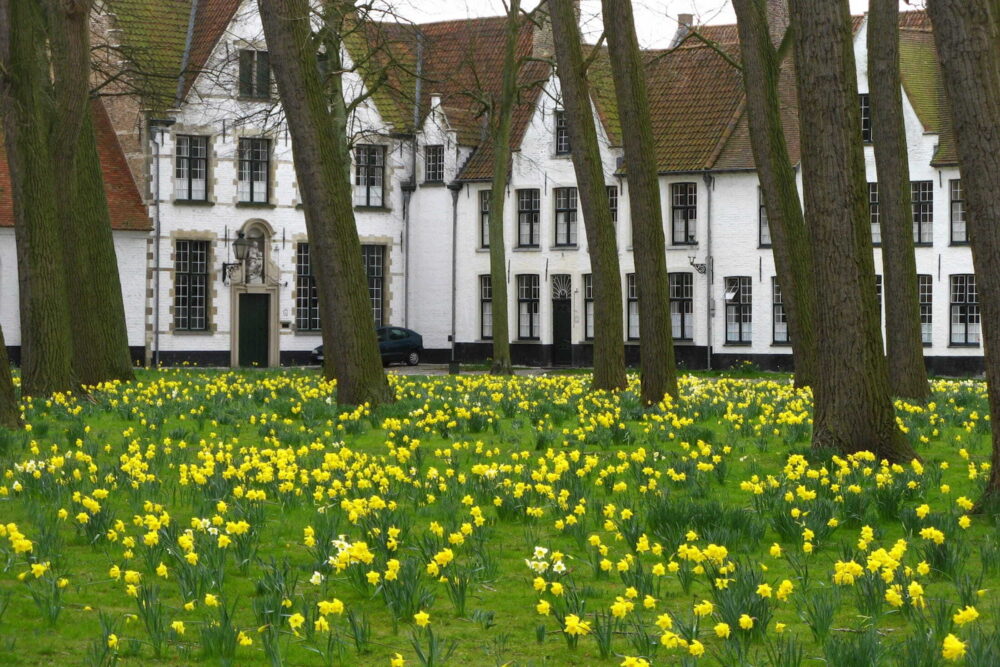
- The Princely Beguinage (Ten Wijngaarde) - a tranquil, whitewashed 13th-century convent complex with inner gardens that is not to be missed in early Spring when it is awash with yellow daffodils
- Minnewater Park & Lake of Love - a peaceful, romantic green space with walking paths, swans, and also an abundance of daffodils
- Basilica of the Holy Blood - a historic double church in Burg Square that houses a revered vial said to contain the blood of Jesus Christ (free entry)
- De Halve Maan Brewery - tour the city's historic operating brewery, famous for its underground beer pipeline and rooftop views
Two full days is adequate to explore Bruges, if you have time to spare take a 20 minute train to the larger city of Ghent. As with Bruges, Ghent has medieval buildings, Gothic churches, and canals. While Bruges feels quaint, Ghent is said to feel like a real living place, not just a tourist haven.
If you are more adventurous, there are multiday self-guided cycling holidays that take in Ghent and Bruges, along with fascinating areas of wetlands, woodland, and canal routes.
Bruges is 112 km from Brussels, the nearest airport; a good train service connects the two cities.

14. Dublin | best experienced with friends
Dublin is better known for the incredibly warm hospitality of its people and energetic social landscape, than it is a list of tourist attractions.
Not many people go to Dublin without a visit to The Guinness Storehouse. The “Black Stuff” may be famous the world over, but this slow-settling porter started off life in St James’s Gate at the heart of old Dublin. Back in 1759, an enterprising brewer by the name of Arthur Guinness took out a 9,000-year lease on the brewery here for an annual rent of £45. This seven floor immersive experience takes you from grain to glass. Perched atop of the Storehouse, the Gravity Bar is an iconic spot that offers breathtaking 360-degree views of the city.
The Temple Bar District provides a lively atmosphere with near-constant live music; while lively it caters heavily to tourists. For a more best authentic bar area head to the Creative Quarter (centered around George's Street, Dame Court, and South William Street), along with the nearby Grafton Street side streets and Camden Streets.
Our group took a trip on the Dublin Big Bus Tour, the guides are as well known for their bad (good) jokes as they are the local history, we were not disappointed.
For the best of Ireland try and time you trip to coincide with a Ireland rugby game at the Aviva Stadium, an experience you will not forget. It is easier to get tickets for the Autumn Internationals, than it is the Six Nations championhips that run from February to mid-March (unless you are prepared to pay over the odds).
If you want to take in a bit of culture then visit the Long Room Library, one of Europe's most maignificant libraries, which is found within Trinity College.
Dublin airport is 12 km from the city centre.


15. Barcelona | there are far nicer Spanish cities
Barcelona is not spectacular by any stretch of the imagination. Even the Las Ramblas, one of the most vibrant landmarks in the city is tinged by its reputation as one of the highest-risk areas in Europe for petty theft and pickpocketing.
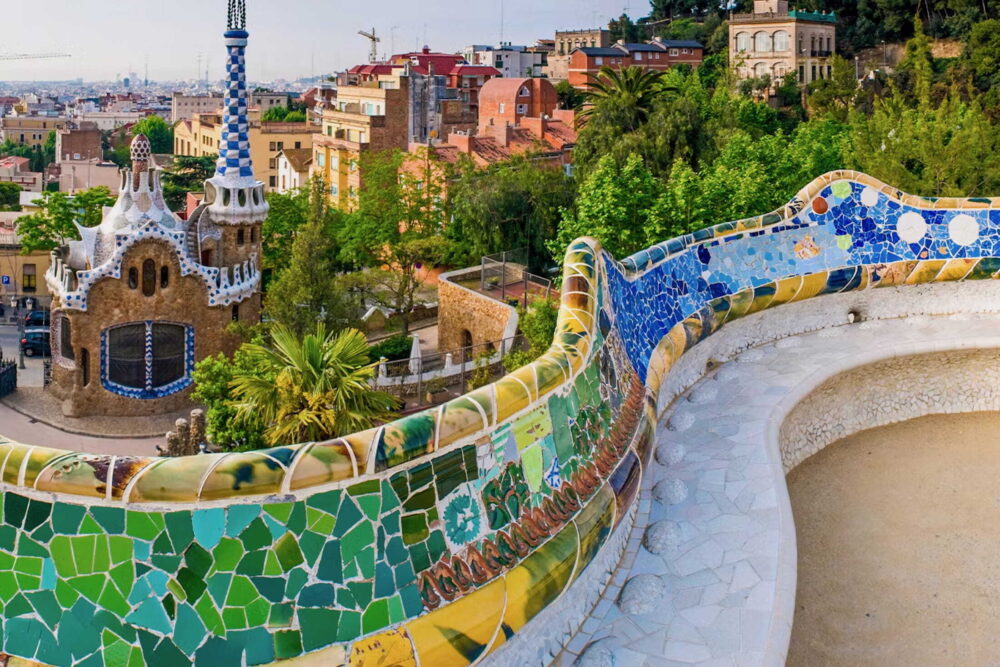
While I admit that Casa Batlló, one of Gaudí's masterpieces, was somewhat enjoyable, opinions on the Sagrada Familia are divided, and Park Guell was utterly forgettable. Apologies to any Gaudi fans. I could not muster the enthusiasm to go to the Picasso museum.
In terms of the 'beaches' I would describe these as artificial (sand replenised annually), of variable water quality, and overcrowded. These sentiments are shared by many.
If I were to return to Barcelona it would have to be for a football match at Camp Nou.
Barcelona is 15 km from the airport.

16. Prague | honest blogging
Praque is famous for its bridges; the most famous of which is the Charles Bridge (Karlův most), a 516-meter medieval Gothic stone bridge commissioned by King Charles IV in 1357.
Other than the bridges we were not enamoured by the rest of the city. We did not find a huge amount to do, the castle leaves a lot to be desired, and the food and overall vibe of the city were disappointing.
Maybe we hit Prague on a down time, after all it was a cold March weekend; however, while writing this blog I went on Get Your Guide (for Praque) .... No 1. A 50-minute Evening Cruise, No 2. An Official (as opposed to unofficial) ticket to the Castle, No 3. A Mediveal Dinner with Unlimited Drinks .... by number 6 I was already being signposted to a tour in Switzerland!
Prague is 17km from the airport, just in case you were still interested.


Cities on my list to visit
The top six on my 'European cities must visit' list are Lisbon, Budapest, Copenhagen, Krakow, Tallinn (probably a Christmas trip), and possibly Istanbul. One of the best aspects of living in Europe is that you are never far from a city with a culture that is distinctly different from the one where you live. Being a 'lazy' englishman, I am fortunate that in most of Europe one can get often get by using the English language (thank you to all those people who speak English); however, it can be mildly furstrating when I try and speak a little native language, and then get answered in English 🙃.