Croatia, and a flirtation with Bosnia
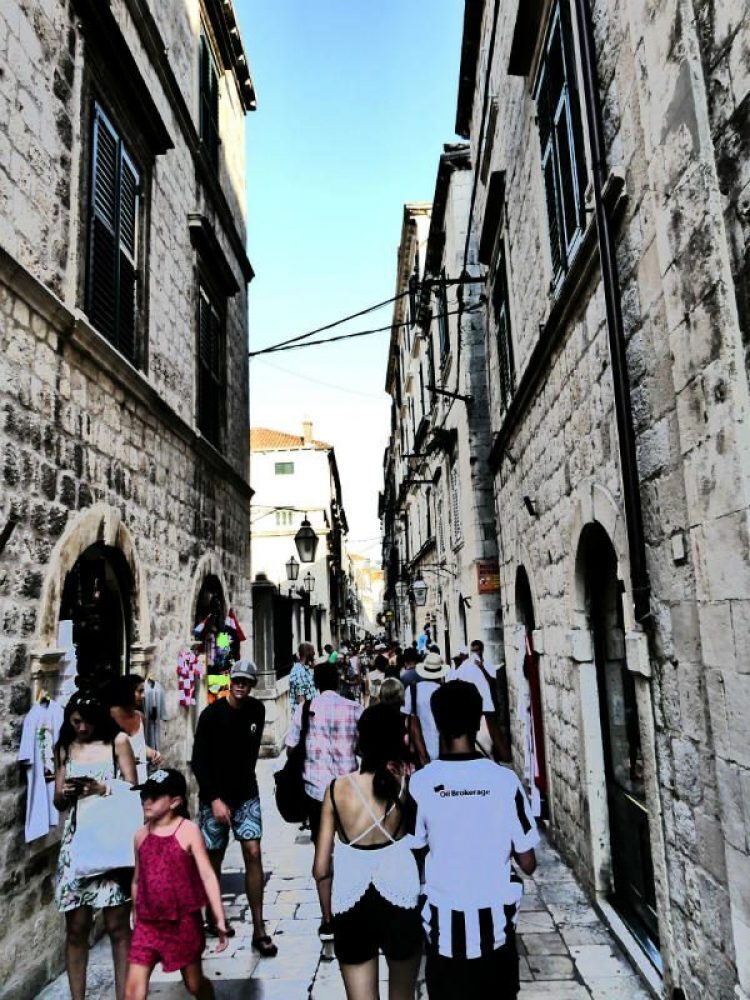
Most of our two-week trip to the Balkan's was spent in Croatia with its beautiful coastline, islands, and national parks. During the trip we crossed the border into Bosnia and then Montenegro, which are geographic neighbours but seem a world apart, although we only spent two days here it gave us a fascinating insight into the much less travelled areas of the former Yugoslavia.


The geography of Croatia
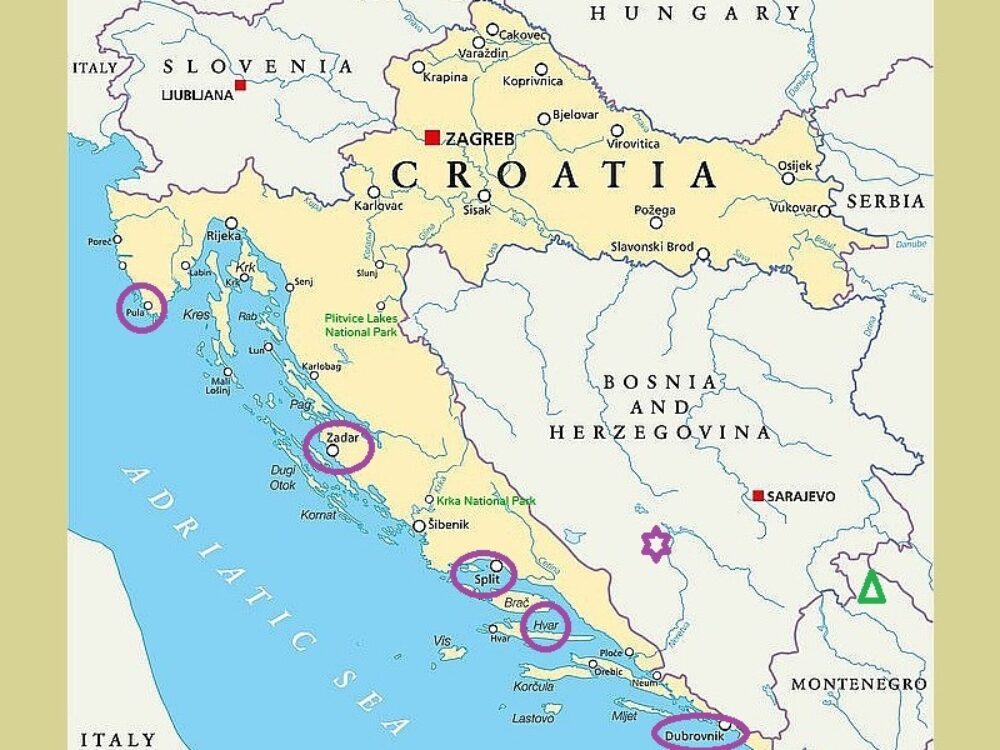
Located in southeast Europe, Croatia is geographically diverse. The crescent-shaped country features low mountains and highlands near the Adriatic coastline, flat plains that hug the Hungarian border, and a multitude of over 1000 islands. In terms of the most popular destinations, it is 718 km (446 miles) from Pula in the northwest to Dubrovnik in the south.
The country's coastal areas have a Mediterranean climate with hot, sunny summers and mild, wetter winters. In mountainous regions summers are mild, and winters are cold and snowy (did you know - clicking on the figures below will expand them, and clicking on any images will reveal the location).

The northwest of Croatia
Our trip started with a flight to Pula, which is in the province of Istria. Flying to Pula airport had several advantages - it was small, relatively cheap, and fitted neatly into our itinerary, which was to start at one end of Croatia and work our way down to Dubrovnik at the other end.
Pula was founded 3,000 years ago and although is not as attractive as other towns in the area, it is best known for having one of the best-preserved amphitheatres in the world. Other historic Roman sites in Pula include the Temple of Augustus, and the Triumphal Arch of the Sergi.
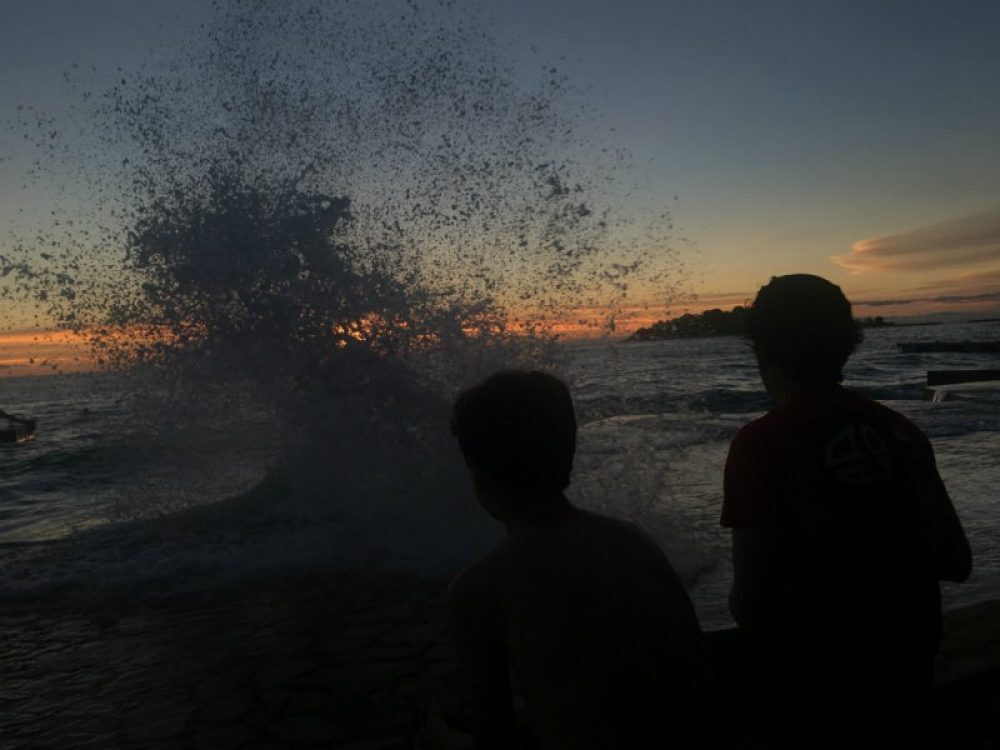
Further north is the town of Porec, an attractive town with delightful architecture and the UNESCO protected Basilica. Our favourite part of Porec was the waterfront promenade that stretches for miles, and can be enjoyed on foot or on bike, there are plenty of places to rent. While on the waterfront don't forget to take your swimming costume as there are endless opportunities for swimming, although as with most places in Croatia don't expect to find much sand. One of the best times to visit the promenade is in the evening when you can watch the sunset over the sea.
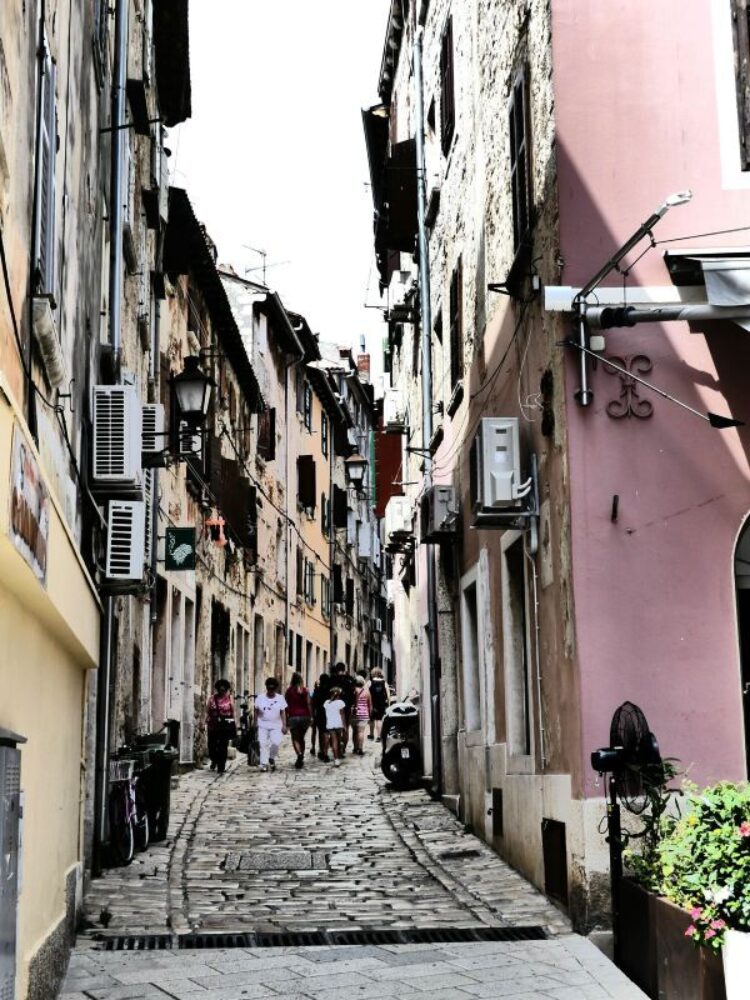
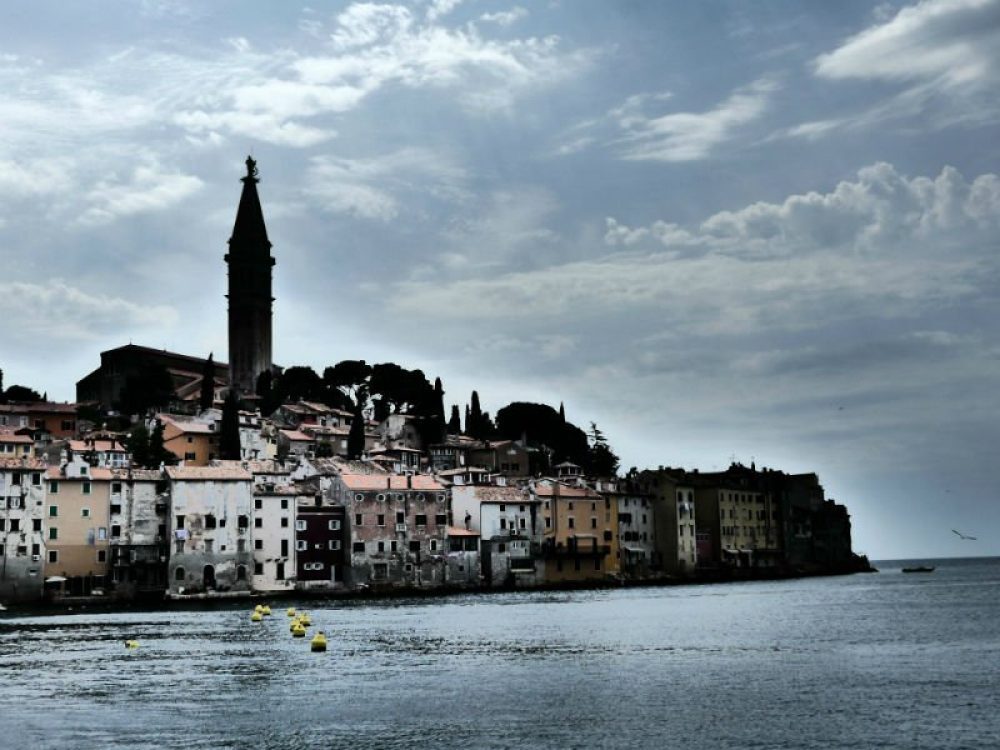
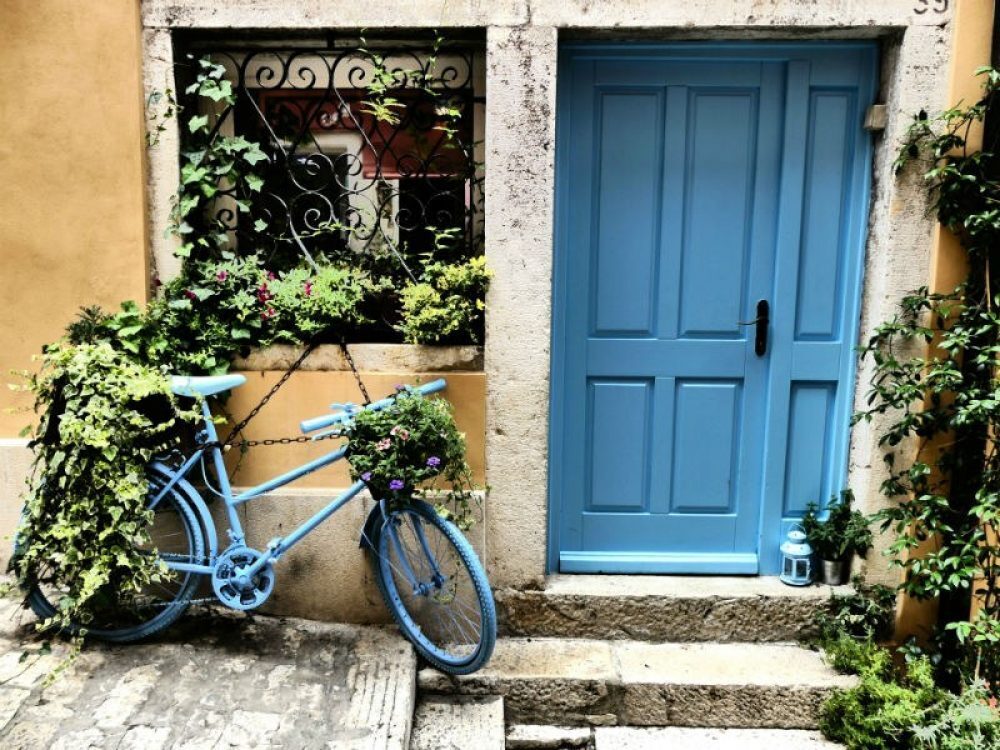
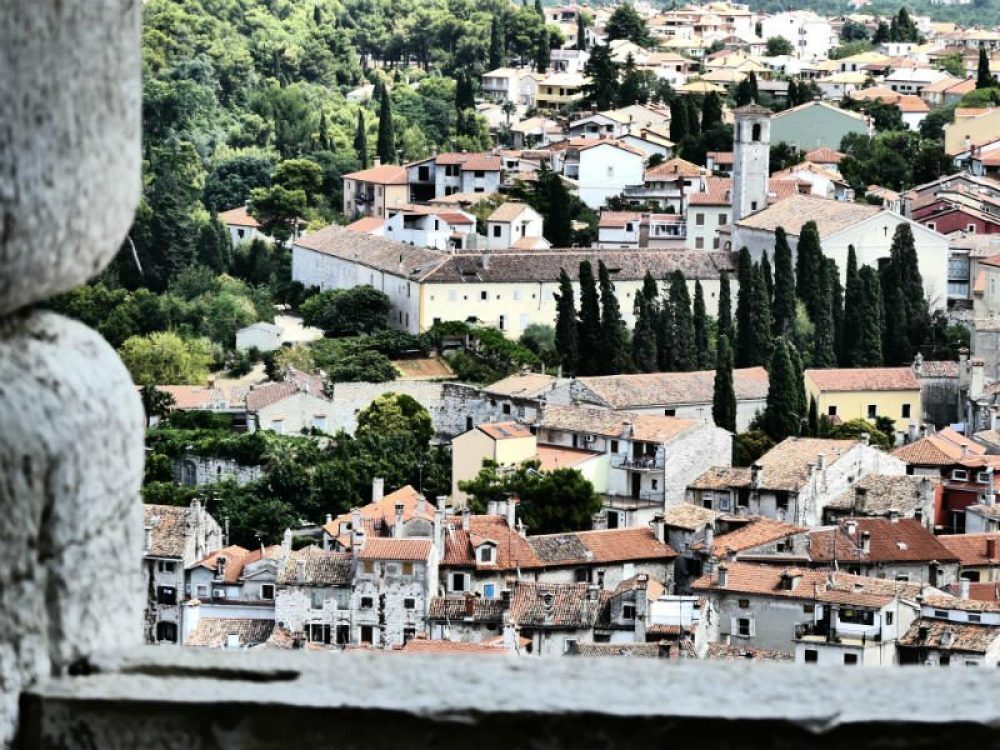
Our favourite town in Istria was the old town of Rovinj. With its narrow winding cobblestone streets and alleyways, Rovinj is one of the most beautiful towns in Croatia. One of the highlights was the bell tower, which from the top affords lovely views over the town, although be warned - the walk up the creaking wooden staircase would not pass a National Trust health and safety inspection! The hills south of the harbour afford great vistas of the old town, and can be explored by mountain bike, rental stands are plentiful in the harbour - be prepared to pay with cash, as with many other places we visited in Croatia credit cards were not accepted.
Plitvice Lakes
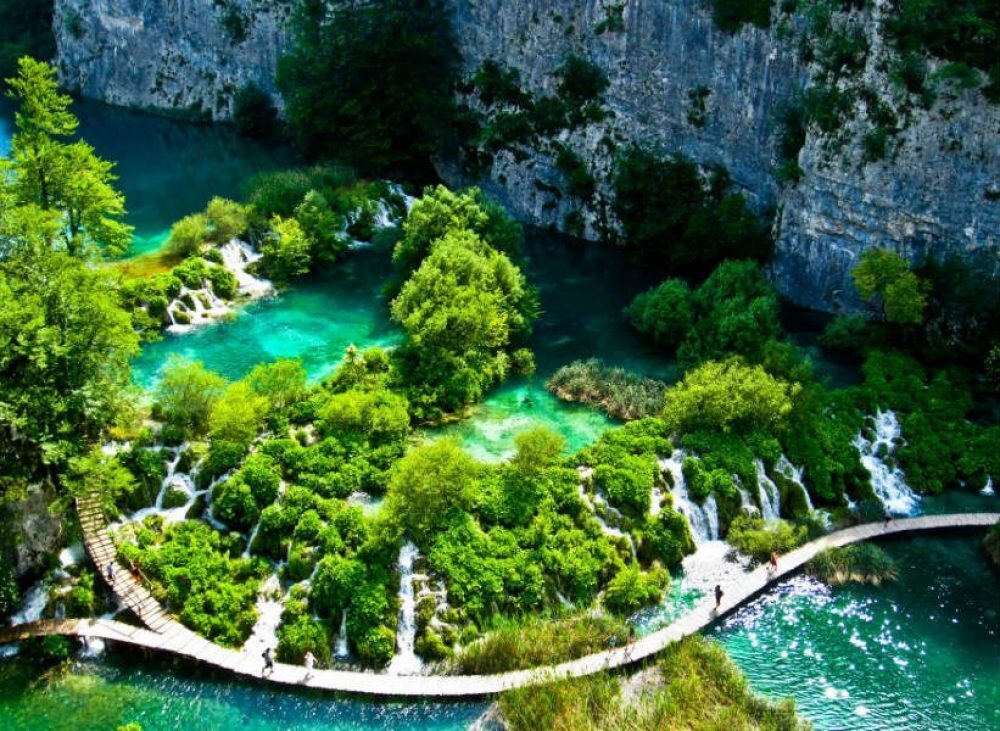
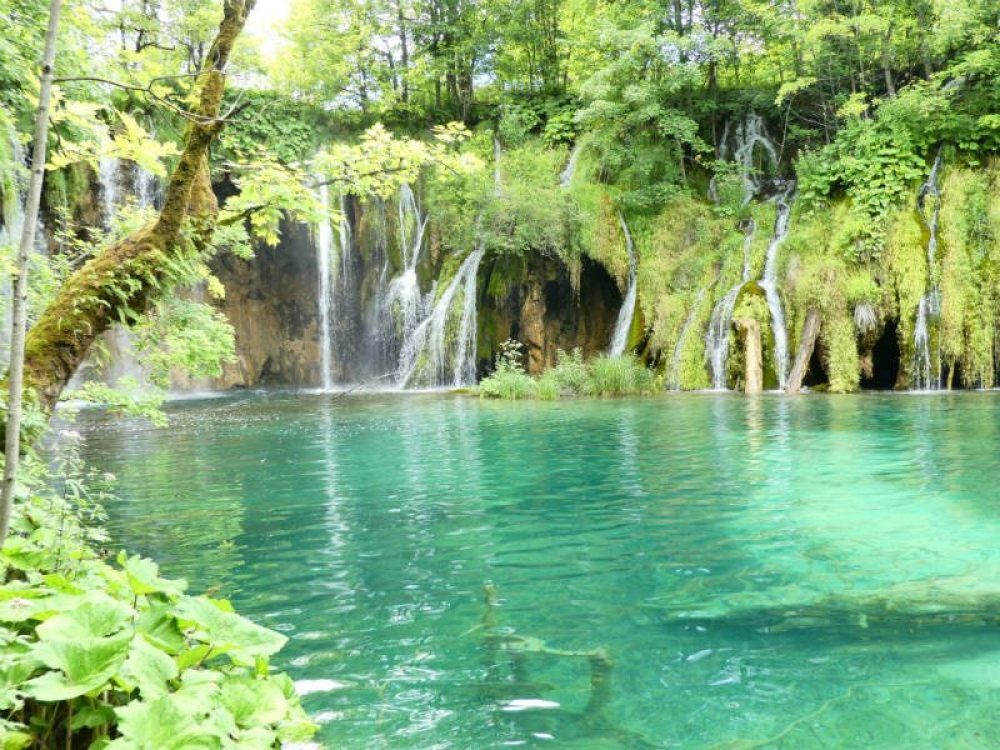
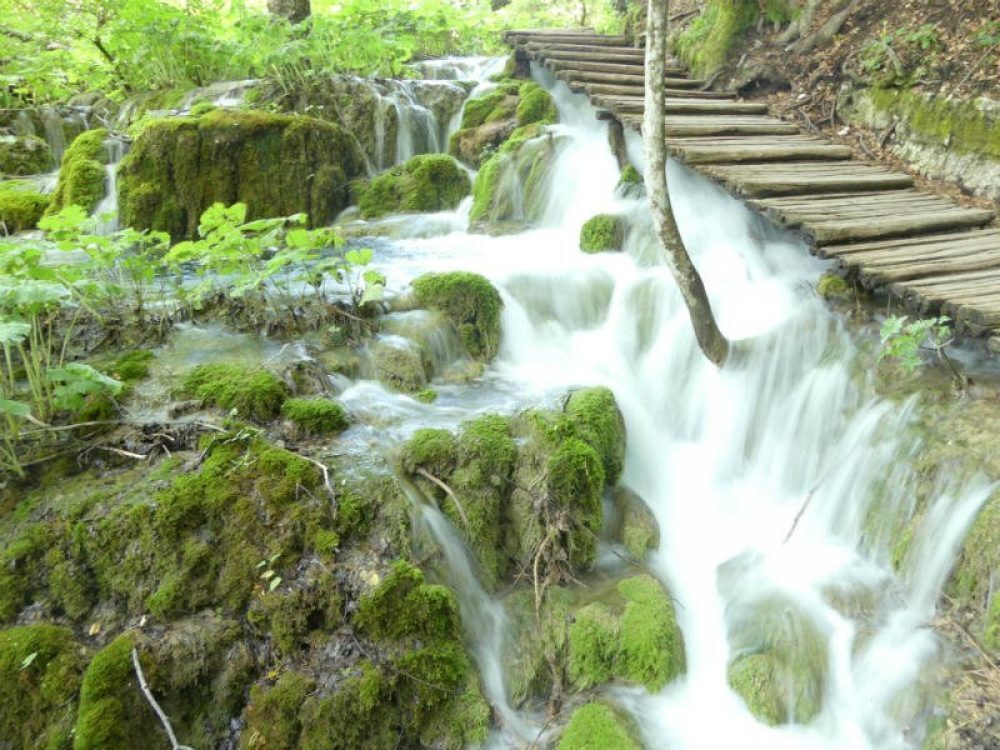
Following our stay in Istria we headed south to the province of Zadar. En route we stopped at Plitvice Lakes, Croatia's best known national park and a UNESCO World Heritage Site. Within the boundaries of the park, 16 crystalline lakes tumble into each other via a series of waterfalls and cascades, and 18 km of wooden footbridges and pathways snake the edges and across the rumbling water.
Plitvice Lakes is a must but be warned - in the summer it will be very busy and there is not enough parking, so arrive early. It takes upwards of six hours to explore the park, I would advise walking against the crowds by parking in Entrance 2, catch the bus to the top of the upper lakes and wander back down to the shore of Kozjak, the park's largest lake. A boat will whisk you from here to the lower lakes, where the circuit culminates in the aptly named Veliki Slap, the tallest waterfall in Croatia. The path then climbs steeply (offering splendid views) to a bus stop, where you can grab a lift back to Entrance 2.

Zadar and the surrounding region
During the drive to the Zadar region two things became apparent - the motorways were pleasantly quiet, and there were vast areas of woodland. The latter may be partly explained by the fact that the Balkans War ended in 1999 and there remain some 50,000 unexploded landmines. From a tourist's perspective the west coast, including Dubrovnik, and the national parks are clear of mines, the principal areas still affected are those inland areas away from tourist attractions and significant populations.
During our stay in the Zadar region we decided to self-cater. Two things we learnt about this - unless you are close to a big population (such as the city of Zadar) the supermarkets aren't great, and Croatian's only appeared to like two flavours of crisps, ready salted and paprika! The highlights of our time in the Zadar region were:
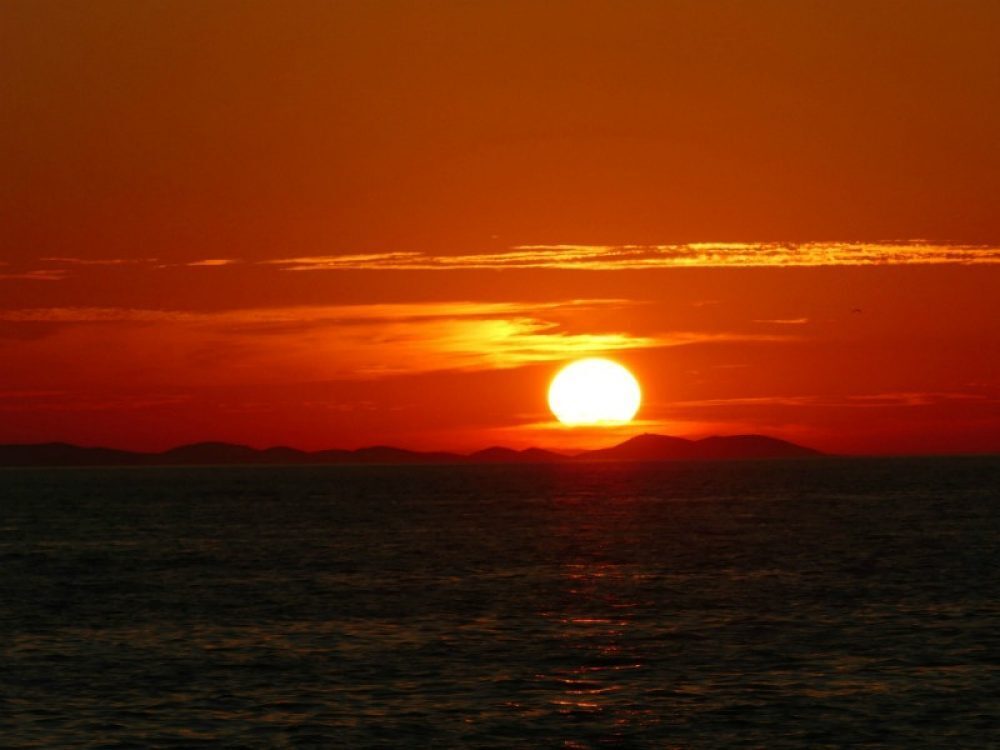
- The city of Zadar - situated on Croatia’s Dalmatian coast, Zadar is known for the Roman and Venetian ruins of its peninsular Old Town. We spent the afternoon wandering the town, and the evening along the waterfront watching the sunset. The only downside was, as with other tourist areas in Croatia, the car parking wasn't great
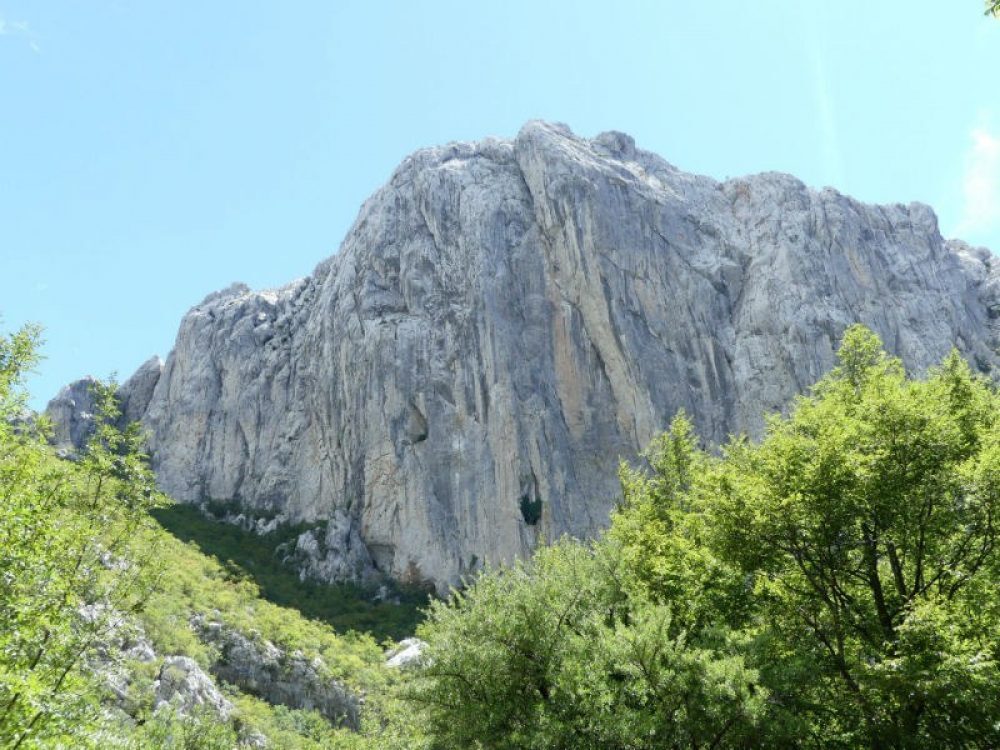
- Paklenica National Park - it is possible to spend several days hiking in the park. We only had time for one day and choose to walk the main hiking route up through the canyon, with towering granite peaks on either side the trail reminded me of a 'mini' Yosemite. One word on advice - once you get to the barrier at the park entrance (you will see the park signs in Starigrad) drive a further 2.7 km and park at the foot of the canyon. If you start the trail by 9-10 o'clock you will also be able to take in the caves, which are not open all day
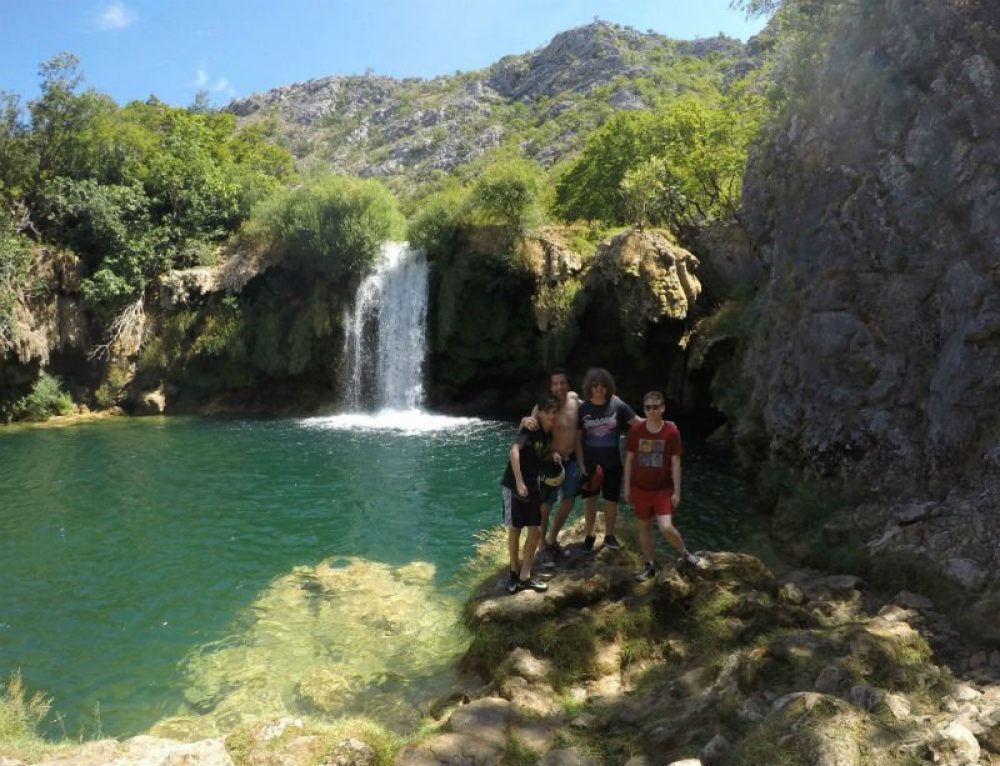
- An organised canoe trip along the Zrmanja river - this was an enjoyable, although fair to say non-taxing, day
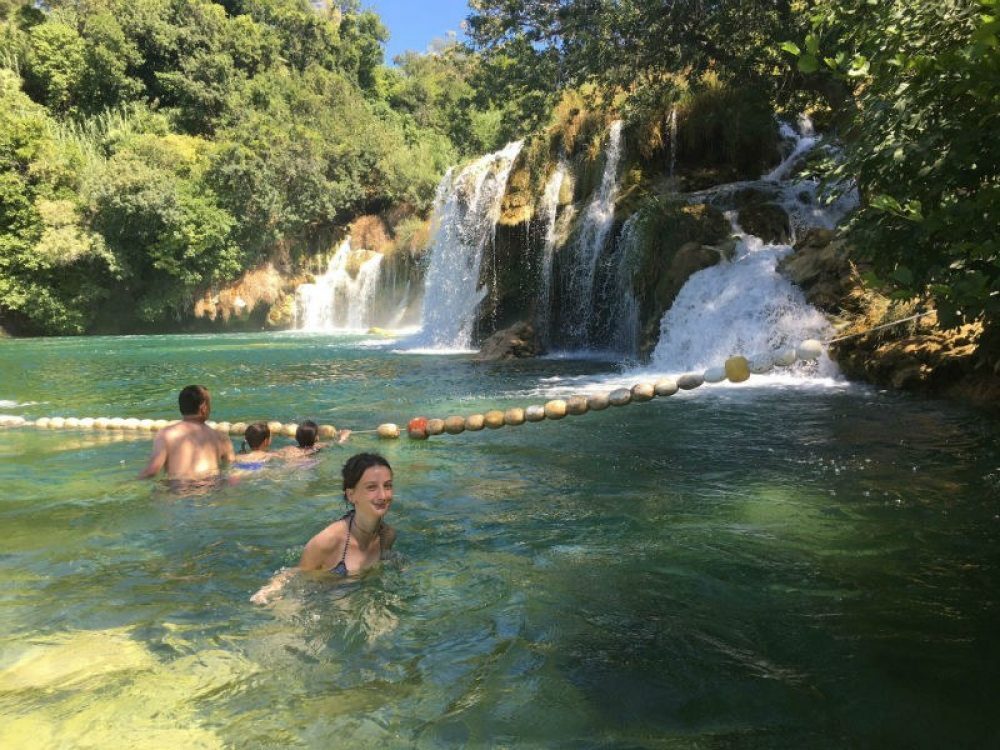
- Krka National Park - having been to Plitvice Lakes we were expecting Krka to be the poor relation, however, this was not to be the case and we ended up visiting Krka on two occasions. While in some ways Krka is not as spectacular as Plitvice, it affords a wider range of hiking opportunities including a trail under the striking cascade, Roški Slapthe. The highlight of the park is swimming around the most famous waterfall, Skradinski Buk - swimming is not allowed at Plitvice. If you have time, you can take the boat to Krka Monastery. It is advisable to park at Lozovac, as opposed to Skradin, where you are 'encouraged' to park, the former enables quick access to Skradinski Buk. The other benefit of having a car is that you can then drive to the north of the park
Trogir then over to Hvar
Our next destination was the beautiful town of Trogir, which can easily be seen in a day. Trogir is much more scenic than the neighbouring city of Split, from where we took the ferry the following morning to the Island of Hvar.
One can travel to Hvar by passenger or car ferry, only the former takes you directly to Hvar town (the capital of Hvar). We used the Jadrolinija ferry company, which was very dependable. Give yourself plenty of time to get to the port in Split as the traffic comes to a standstill once you get close, and parking is extremely limited - we ended up having to ditch our car in a backstreet.
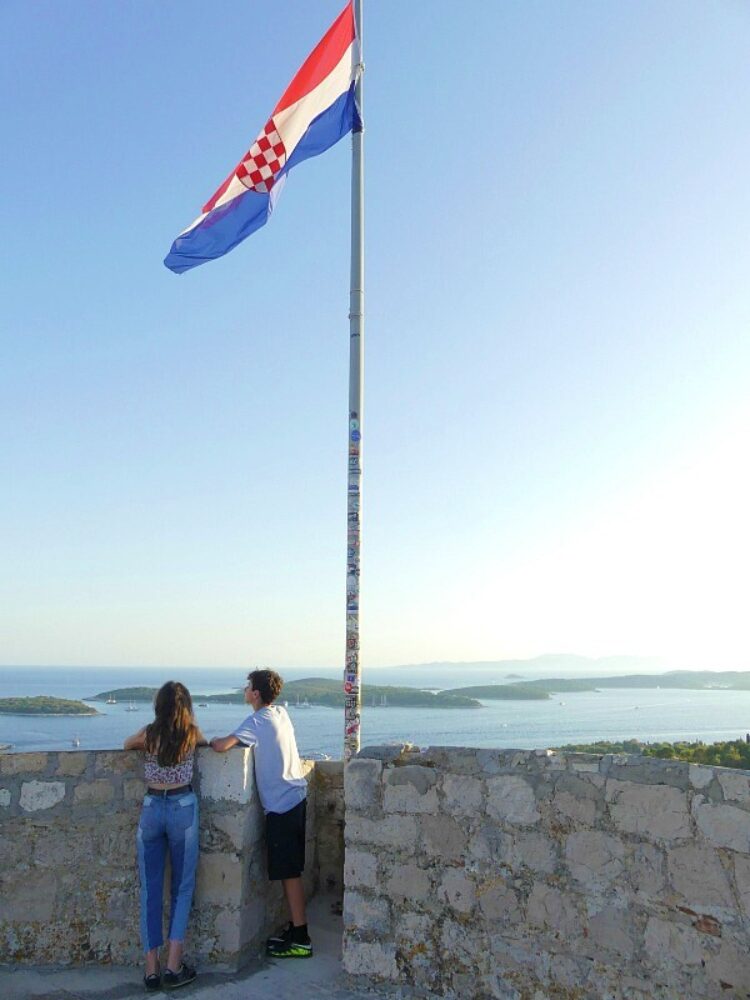
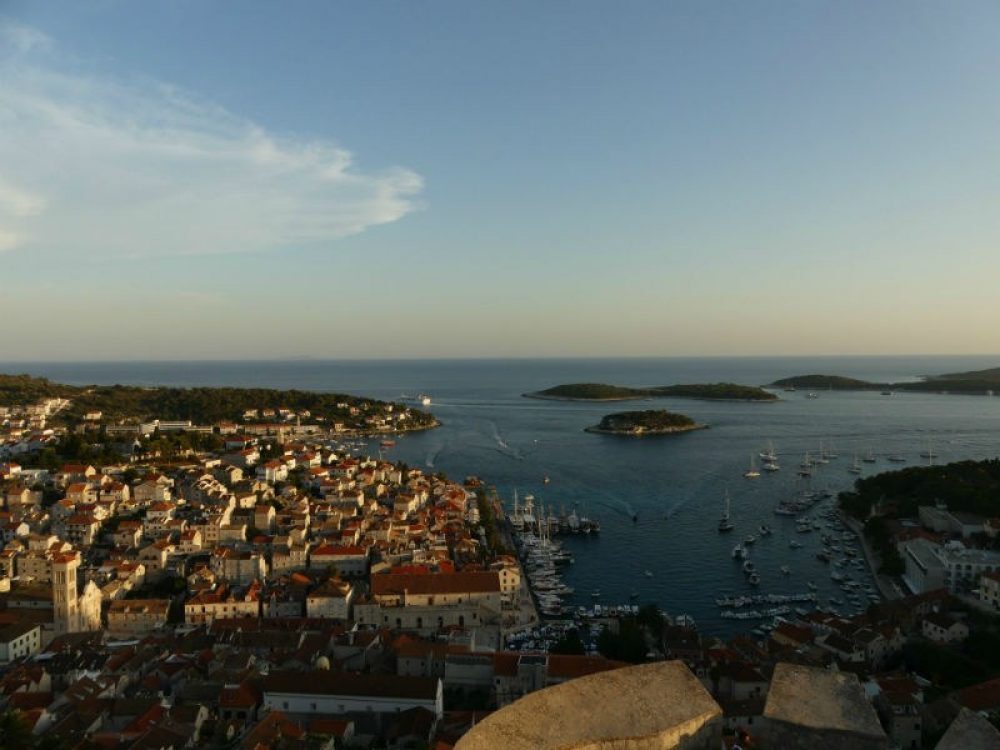
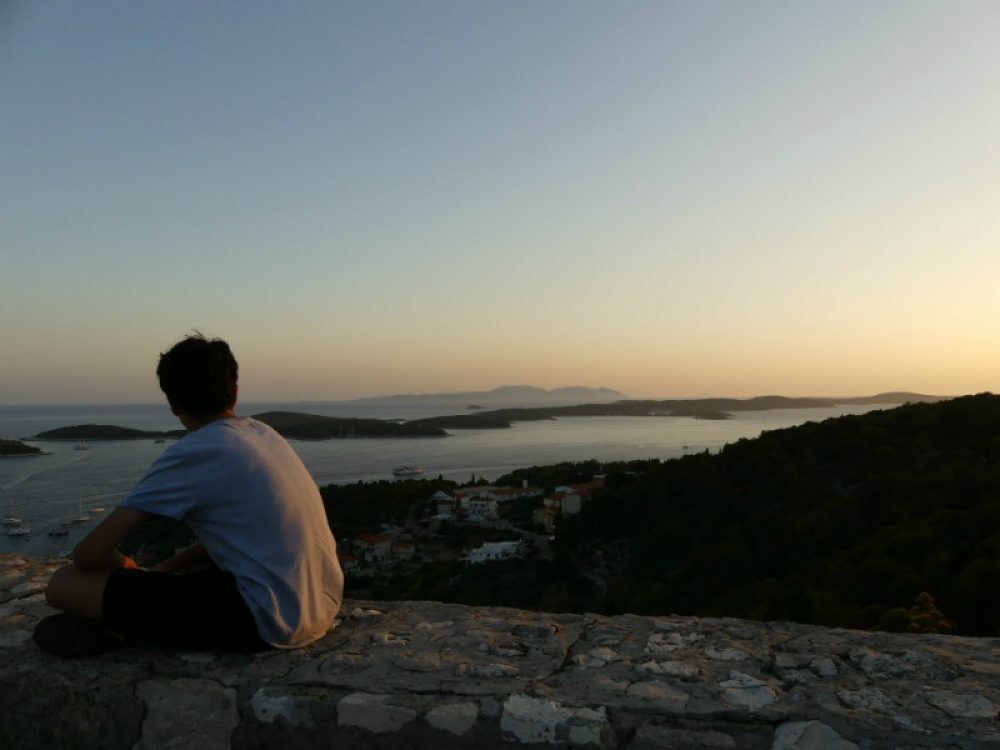
While Croatia has many spectacular islands, Hvar is one of the most beautiful. The gothic palaces and squares of Hvar town are framed in by 13th-century walls, which slope downwards to the Adriatic Sea’s azure waters. The town can be seen from above with a trip to the Spanish Fortress, which perched high on a hill overlooks the terracotta rooftops, marina and the pine-cloaked islets that dot the shores around Hvar town.
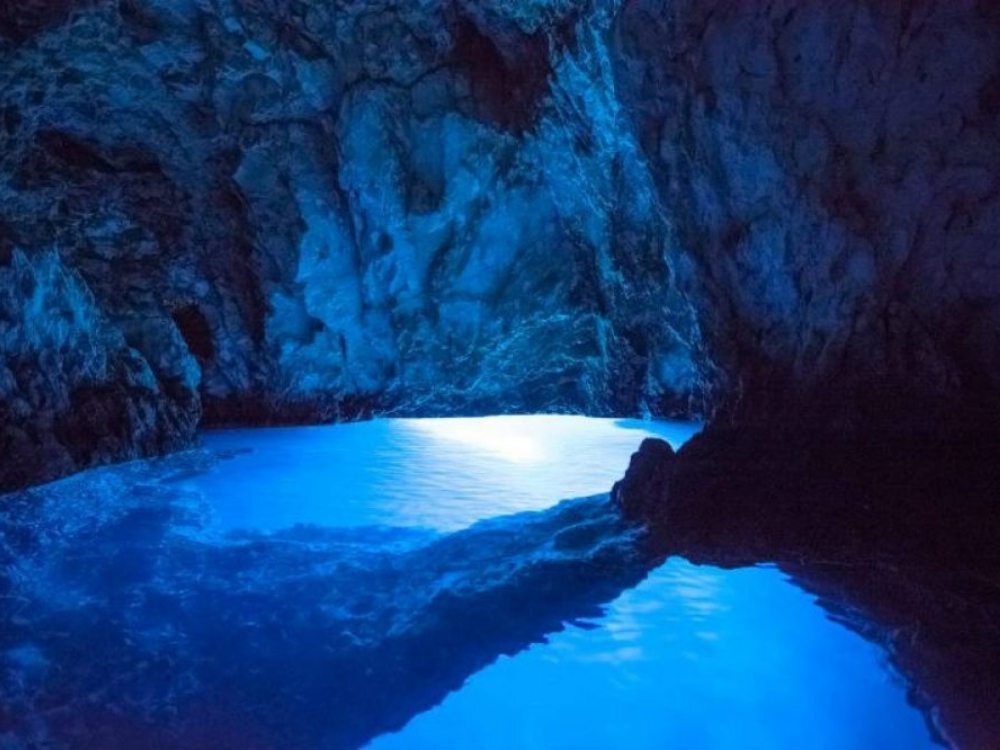
The Adriatic Sea is warm, clean, and has crystal clear turquoise water, and Hvar provides plenty of opportunities to test it out. There are many beautiful beaches studded around the island, and in the adjacent Pakleni islands, but if you have only one full day then book Ilirio's Three Caves boat tour - jump aboard a speedboat, enjoy riding the waves, visit the amazing blue caves and swim in at least 5 different but equally charming places. Of course there is more to Hvar than the coast, if you visit at the end of June or beginning of July you can travel inland to visit charming villages and witness the spectacular lavender bloom.

Mostar and over the border into Montenegro
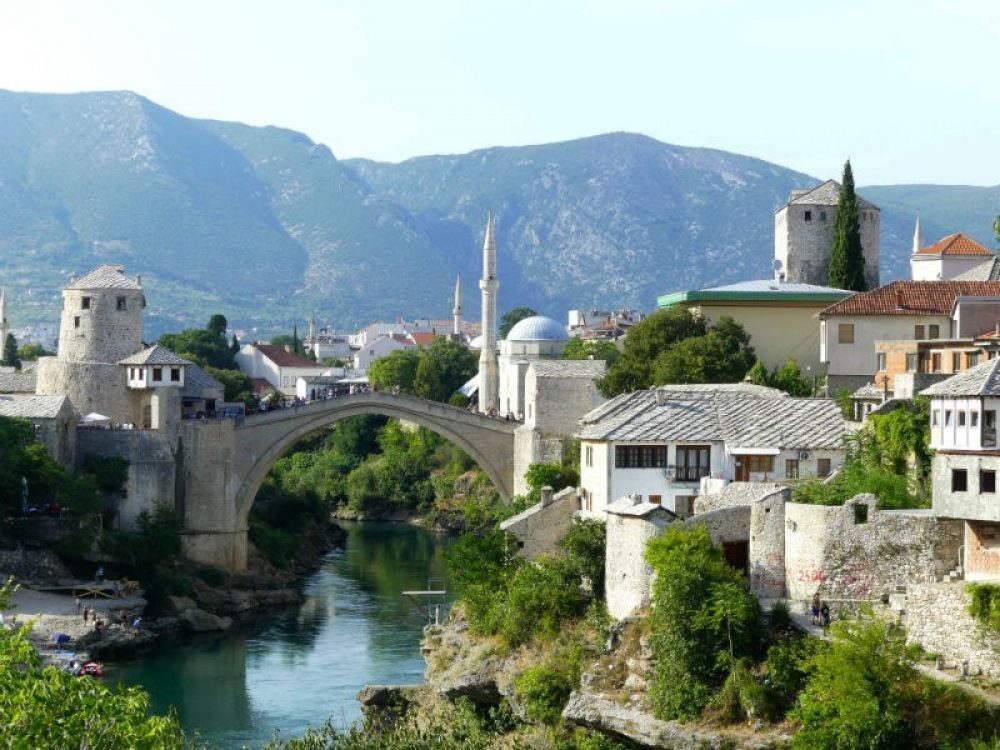
Arriving back on the mainland we headed southeast and drove through the neighbouring country of Bosnia-Herzegovina on the way to Montenegro, where we were to raft on the Tara River. En route we stopped in the town of Mostar, best known for the Stari Most – a 16th century Ottoman bridge, which was one of the focal points of the Balkans conflict. Prior to the conflict Bosnia had been a multicultural country with Catholic Croats, Orthodox Serbs, and Muslim Bosniaks living in harmony, but during the war the Stari Most bridge, which symbolised the meeting of East and West, was destroyed, as was the relationship between the three societies. The bridge has since been rebuilt but the scars of war remain visible in Mostar with many buildings either lying in ruin or peppered with bullet marks.
My impression when driving through Bosnia-Herzegovina was that it had been left behind after the war, and unless you are a seasoned traveller it may not be for you - the roads are less developed than in Croatia, and corruption is clear to see - we were stopped by two armed policemen for 'speeding' and asked to handover €200. I have since learnt that unless you have a BiH registration plate then being stopped is common place, and if fined you are supposed to haggle the price down.
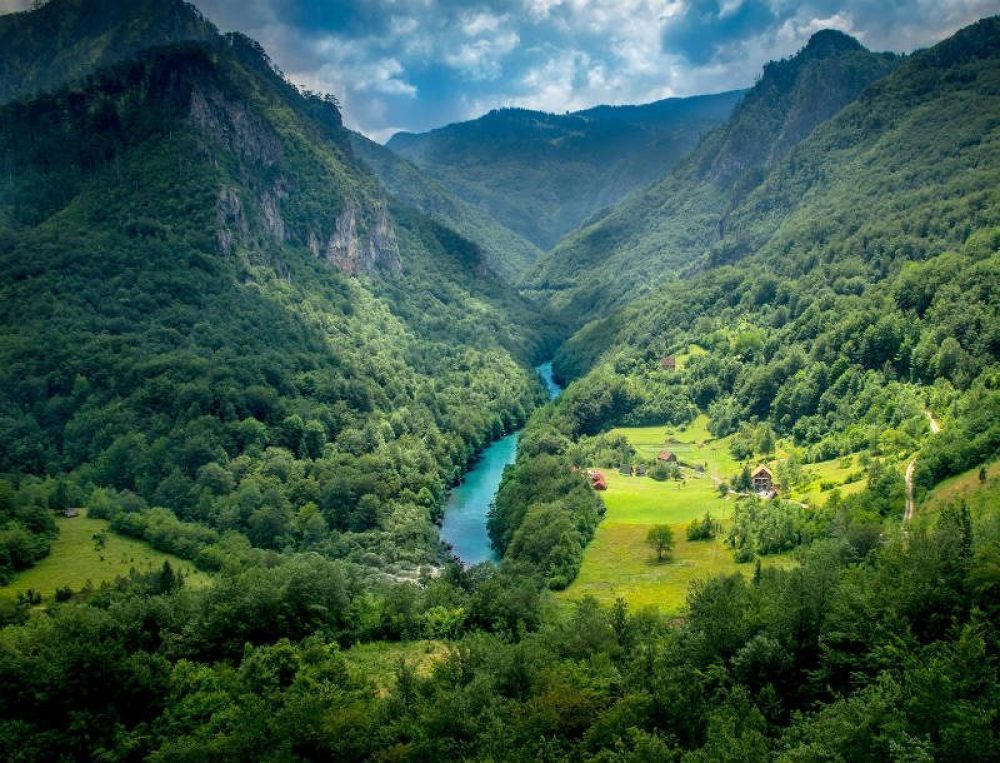
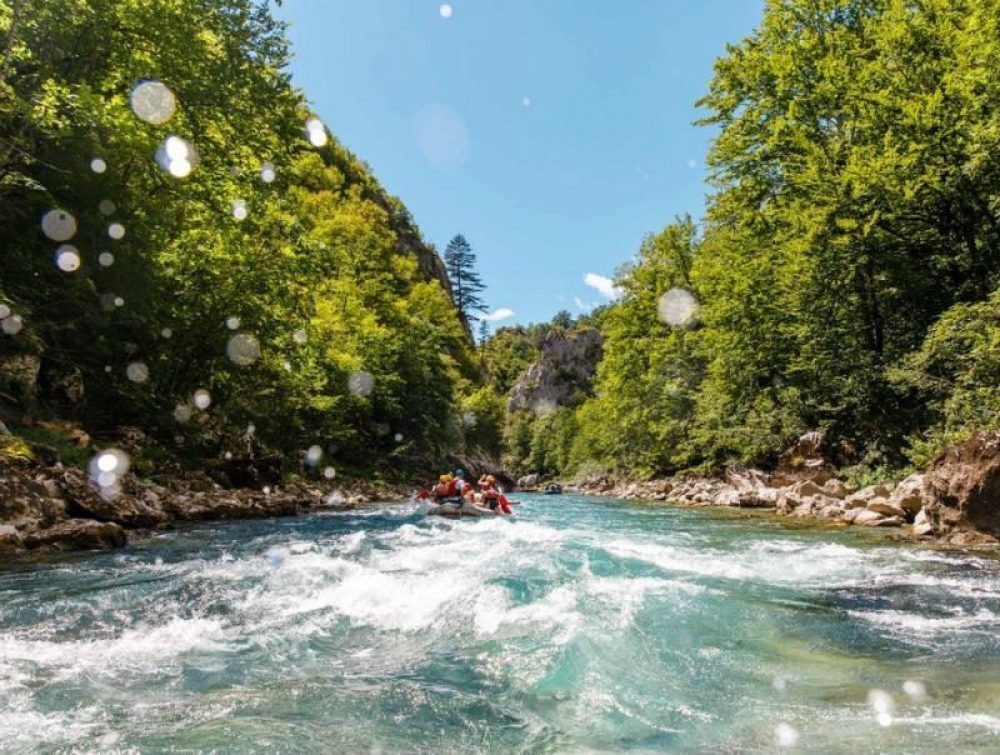
That same evening we arrived at the rafting Center Drina-Tara, which is on the border with Montenegro. The following morning we set off with our guide to raft the Tara river, one of the most beautiful rivers in Europe with its clear turquoise waters winding their way through the second deepest canyon in the world. The rapids are relatively gentle in the summer, if you want adrenaline then spring is the time to visit. If you wish to extend your stay in this region there are organised trips into the surrounding national parks of Sutjeska and Durmitor.

Dubrovnik and a Game of Thrones
The final destination of our holiday was Dubrovnik. As we were travelling from the Tara river we approached from the East, whereas most tourists travelling though Croatia will arrive from the north. If you are travelling from the north the roads are great until you come off the E65 and start heading down to the coast. Although the section between here and Dubrovnik affords magnificent views, the road turns in to a single carriageway and becomes increasing busy, not helped by the fact that you must go through border controls in the exceedingly small section of Bosnia that separates the Dubrovnik region from the rest of Croatia.
With its sublime location, overlooking the calm blue waters of the Adriatic, Dubrovnik is one of the world’s most magnificent walled cities and a UNESCO World Heritage Site. Most of the attractions are concentrated in the car-free old town, within the medieval walls. Two monumental arched gates, Pile (to the west) and Ploče (to the east), serve as entrances to the old town, and they are joined by the main thoroughfare, Stradun (aka Placa). Off each side of Stradun lies a grid of narrow alleys harbouring countless shops, cafes, and restaurants. Dubrovnik's old town has been a popular filming location in recent years, and indeed one of the reasons for visiting was to take in the Game of Thrones tour (photograph below - The Walk of Shame). The final evening of our holiday was spent on a guided sunset canoe trip, which took us around the local islands, and back along the walls of Dubrovnik as the sun was setting, the perfect end to a great holiday.