Ten Ways that YOU can Leave more for Others
There is so much more that we should all be doing, not only to enhance our own lives, but to help give back what we have taken from this planet, thereby safeguarding its treasures for our future generations.
My top ten is listed in an order that moves from simplicity to complexity; as individuals there is a lot we can do with relative ease, but with more complex issues such as unsustainable economic growth and overpopulation, we need collaboration and collective intelligence to prevent our children's world from becoming one of chaos.
1. Tell others about www.aworldonthebrink.com
Unlike most travel blogs, the sole purpose of this website is not to earn money while exploiting our planet, rather it is about blogging with a conscience:
- There are no adverts - I don’t earn any money from this website
- I don’t pretend to be perfect - my travels contribute to climate change
- What I advocate is that we should make positive strides to giving back what we have taken from this planet
My moto is simple …. ‘’Live A Lot & Leave for Others’’ … that includes for future generations of your own family.
2. Support conservation organisations
These charities help make the world a better place. Donating monthly can cost a fraction of what you earn and what you spend on life's luxuries. While there are many different organisations, the following are some of my favourites:
3. Give wildlife a chance
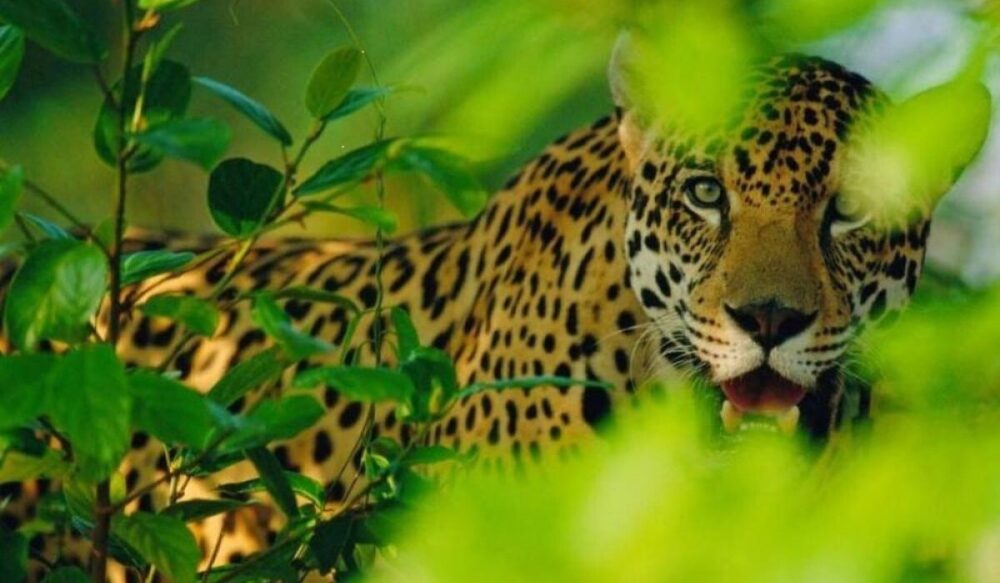
Directly or indirectly we have taken so much from this world. Supporting the charities above gives wildlife a fighting chance. In addition, we can also let wildlife back into our gardens, which was once their home … and it's not just for their benefit, a garden rich in flora and fauna has been shown to help with mental wellbeing. For more information please read my wildlife blog Making a Wildlife Garden - a daily dose of happiness.
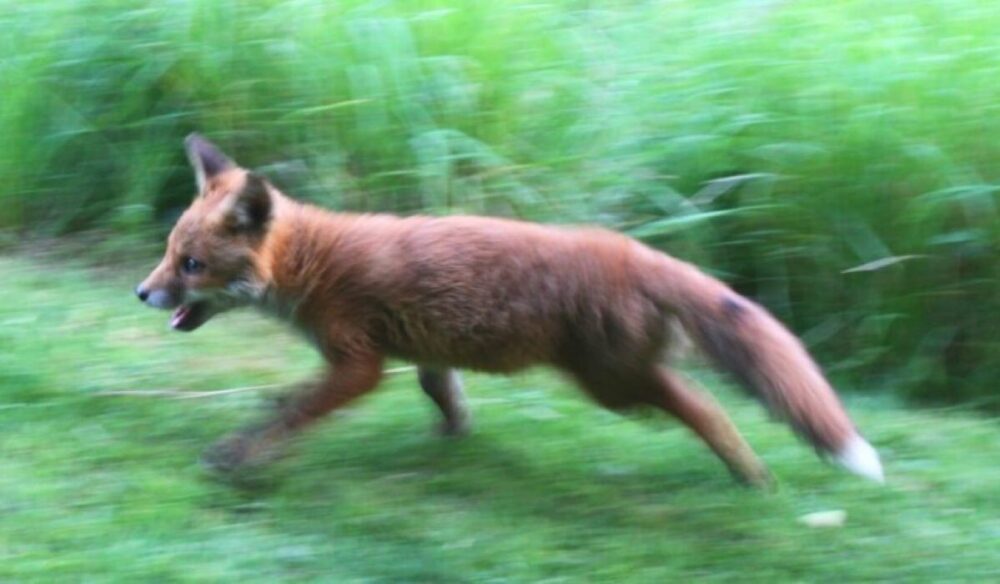
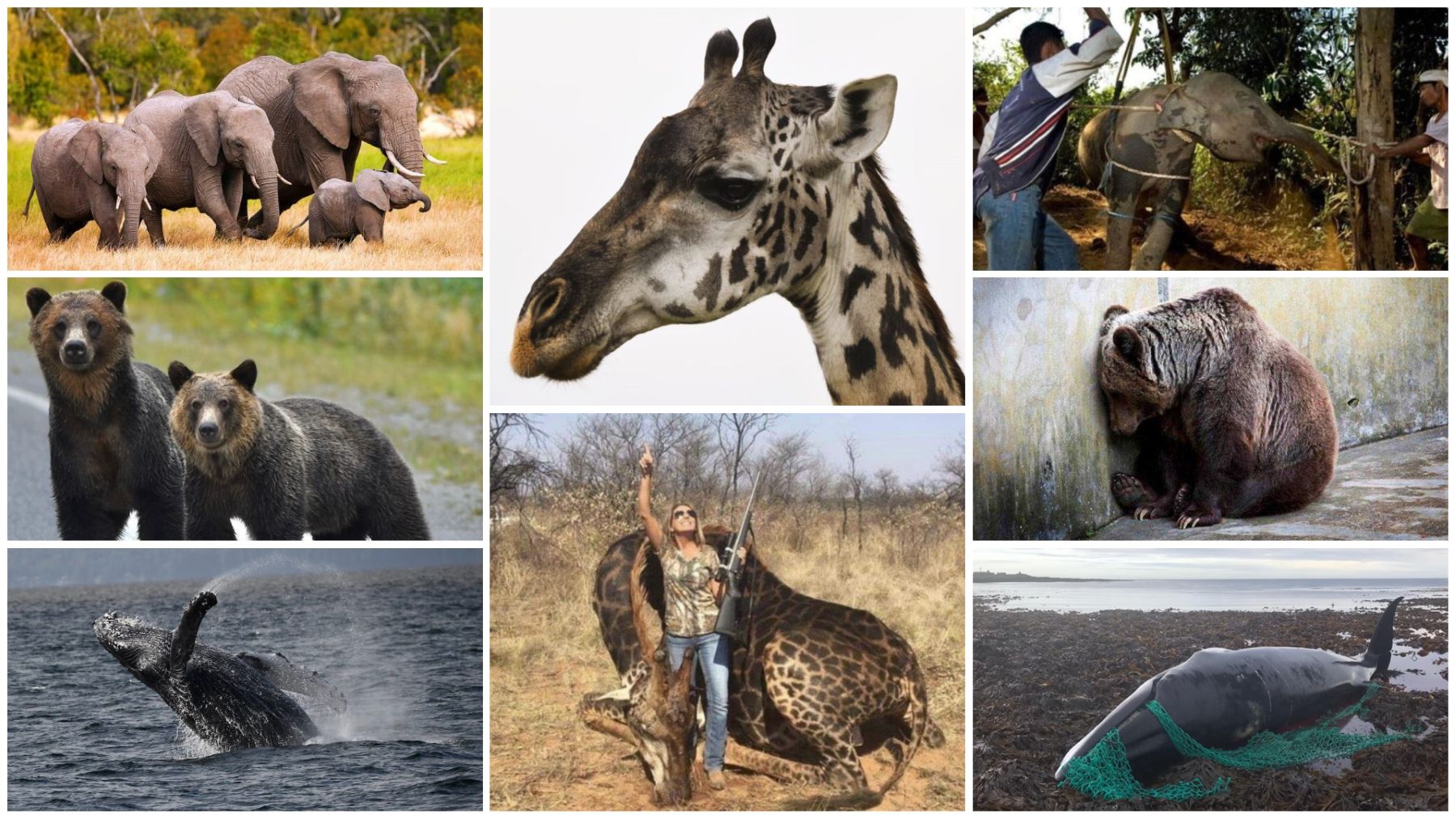
4. Reduce animal cruelty – animals feel pain and have emotions
Think about what you are eating - negligence is no excuse
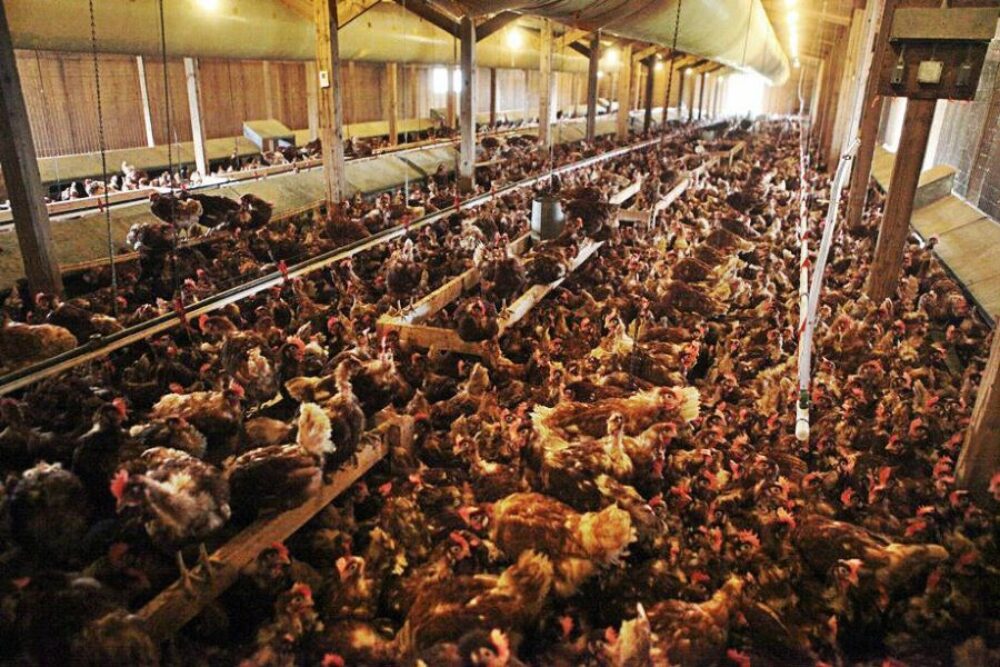
- Factory farming is messed up. In the UK, Project Slingshot exposes the real truth:
- 85% - of farmed animals are confined in factory farms
- 1.2 billion - the number of LIVE animals slaughtered in the UK each year
- Over 90% - of chickens in the UK are known as fast growing breeds, these are kept in abhorrent conditions (don't look away) and pumped full of things that you don't want to know about
How else can you act humanely
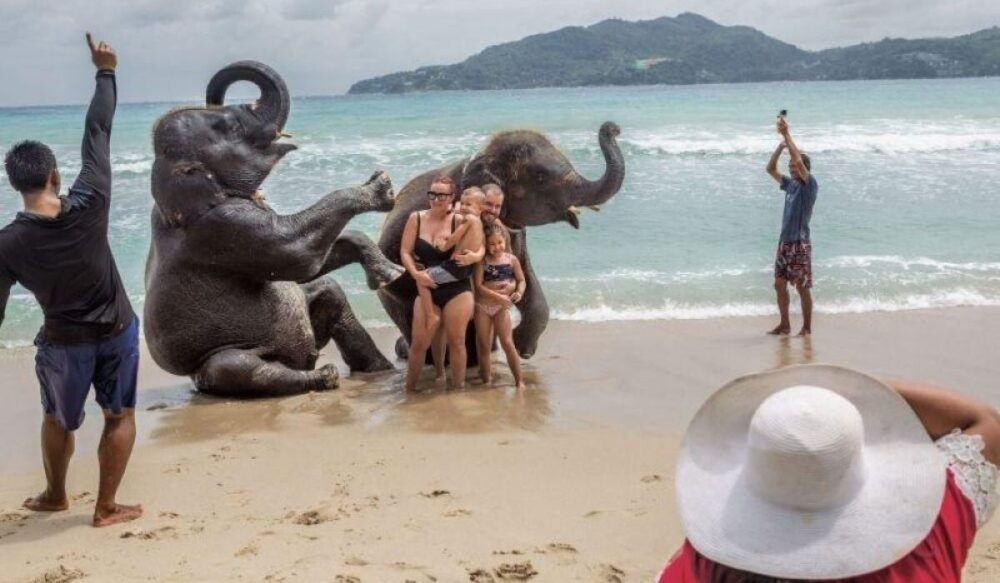
- Boycott the many tourist attractions that are cruel to animals
- Stay clear of pet shops selling parrots or other species that may have been illegally removed from the rainforests. Should any bird be caged?
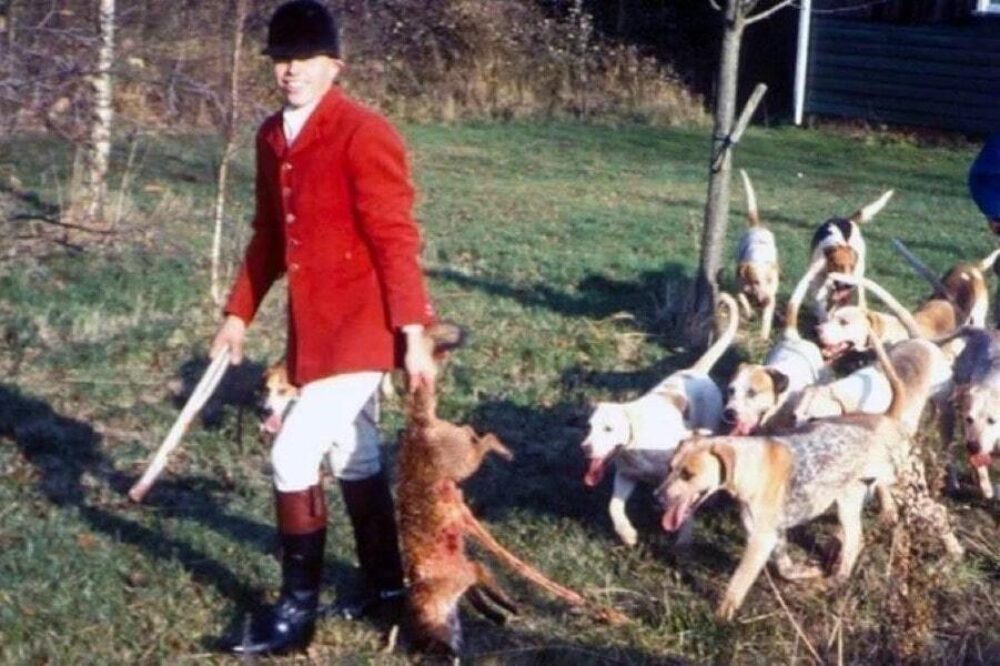
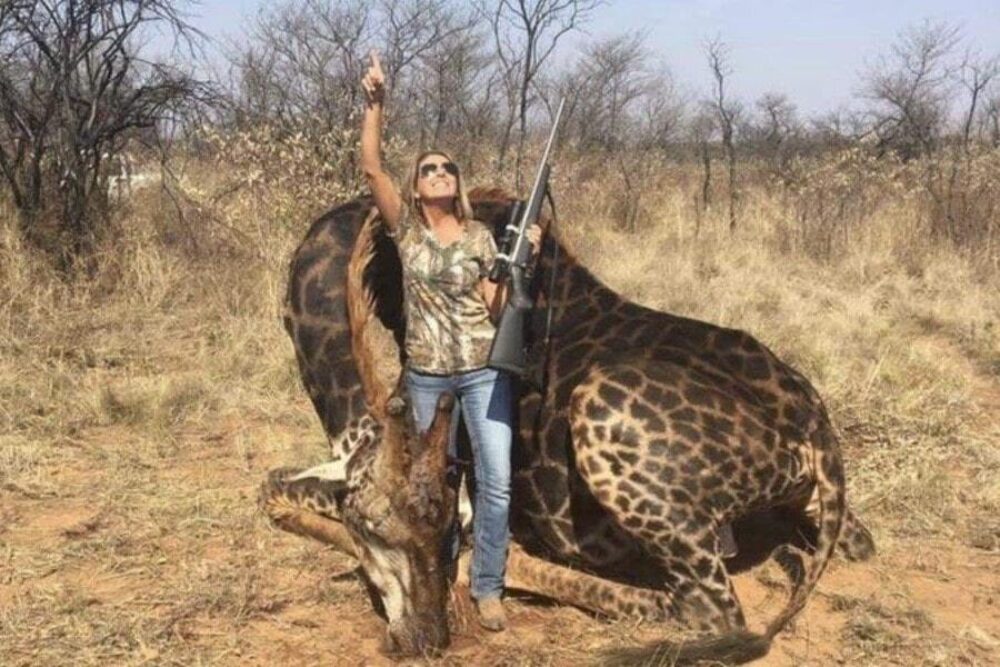
- Stand up against fox and other trophy hunting
- Avoid Chinese medicines as they may contain bear bile obtained from bears kept in tiny cages
- If you want a dog or cat please think about getting one from a rescue centre. There are so many dogs and cats that need love and a home, not to mention the increased disease and reduced life-expectancy caused by inbreeding
Please don't bury your head in the sand, the list that follows will take you on an amazing journey of very contrasting emotions -
- Planet Earth III - as you would expect, amazing filming, which at times is mind blowing. This to me is the best of Attenborough as for the first time he goes into real depths on relevant environmental issues
- My Octopus Teacher - a beautiful, moving, and reflective experience highlighting in a most unexpected way the incredible relationships that can develop between humans and wildlife
- This is Free Range - PETA Exposes the Grim Reality of Life on a British Egg Farm
- Lion Spy - the courageous, covert work of Rogue Rubin behind the camera gives us a rare glimpse into the world of trophy hunting
- Seaspiracy - a documentary about the impact of commercial fishing, which has attracted celebrity endorsements and plaudits from fans with its damning picture of the harm the industry does to ocean life
- Blackfish - the controversy over captive orcas, focusing on SeaWorld
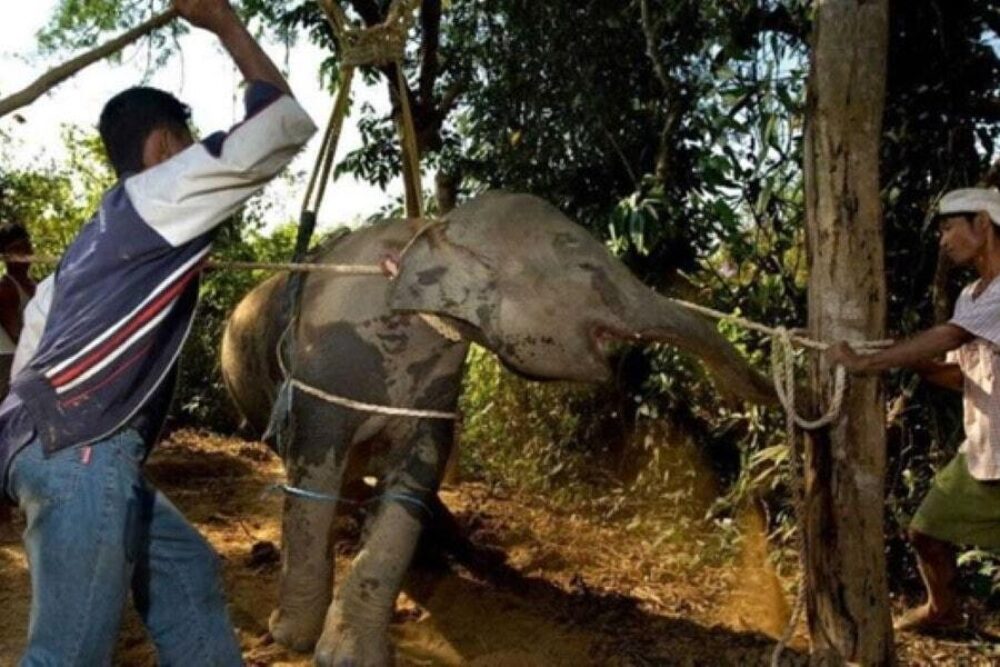
5. Take advantage of social media
I once heard a presentation from a previous Facebook employee, he invented the ‘like’ symbol, which he now knows is the worst think he has ever done as it has helped fuel the quest for so called individual ‘perfection’; in its wake have been many casualties. However, there are ways in which social media can better our planet:
- Sign relevant petitions and forward to others - trust me, they make a difference
- If you don’t like something you see then say so by putting a 'thumb down' emoji, and explain why - is it right to go on an elephant ride (which has been trained in a brutal way), stroke a tiger than has had its claws pulled out and been sedated, watch sea life kept in captivity, or allow a pack of dogs to rip a fox apart, not to mention the cubs left behind to fend for themselves
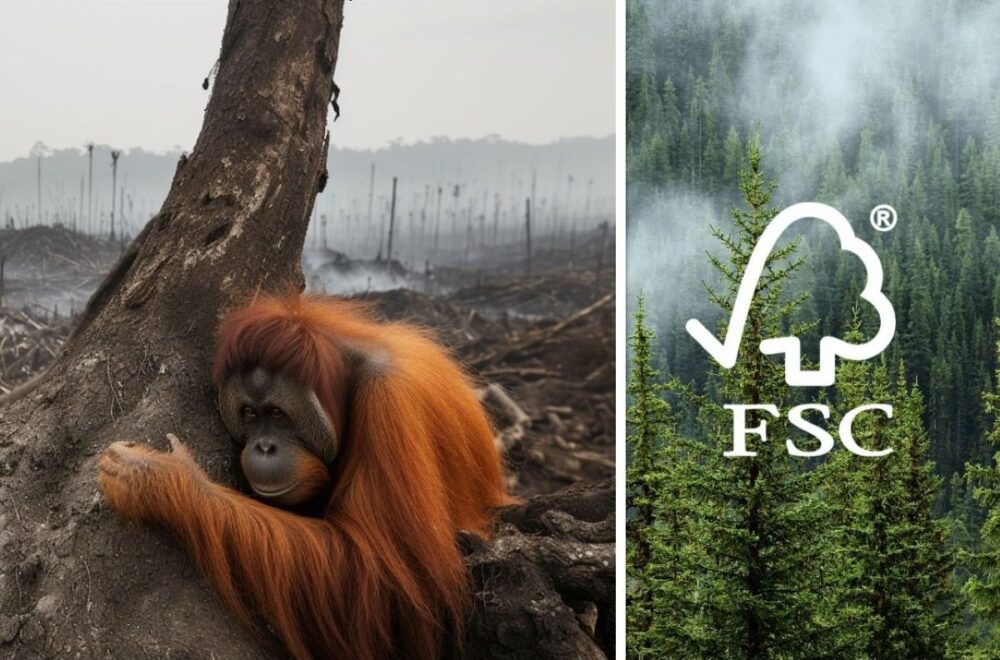
6. Think about what you eat, and buy FSC (Forest Stewardship Council) products
The world has been cutting down some 10 million hectares of trees every year to make space to grow crops and livestock, and to produce materials such as paper - beef is responsible for 41% of global deforestation.
While most think of soy in the form of soy milk, tofu and other soybean products that make up a plant-based diet, soy in fact has been mostly used as animal feed and to support the massive demand of meat production.
Aside from beef production, the palm oil industry is also responsible for a significant amount of deforestation around the world. Palm oil is used in over two thirds of the food products that we consume every day, from vegetable oil to chocolate to biscuits, as well as in other household products like soap and shampoo. To keep up with the demand, forest land equivalent to 300 football fields is being cleared every hour to make room for palm plantations, destroying important habitats of critically endangered species such as the orangutan and Sumatran tiger.
Deforestation contributes nearly 5 billion tons of carbon dioxide into the atmosphere every year, which is equivalent to nearly 10% of annual human emissions.
A 2020 analysis found that more than half of the 100 most significant tropical timber and pulp companies have failed to commit to protecting biodiversity and 44% have yet to publicly commit to net zero deforestation (meaning the rate of land clearing is equal to the rate of reforestation or replanting). In the last 5 years leading banks financed $119 billion to companies linked to deforestation.
In reality, what you choose to eat, and who you invest with, has a massive impact on deforestation.
When buying timber products always make sure it is FSC (Forest Stewardship Council) approved, a label that ensures that wood is sourced from responsibly managed forests. There is no need to buy wood or paper products not labelled as FSC. Boycott Garden centres and other stores who choose to use few FSC products, or even better encourage the owners to change their ways.
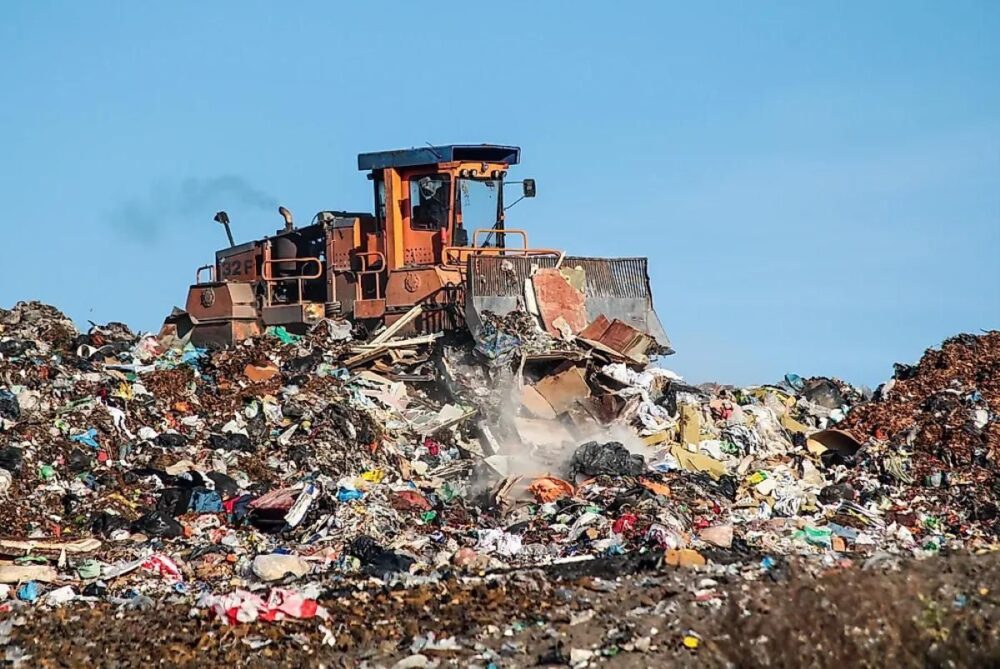
7. Reduce, reuse, recycle
Do we really need to buy so much for birthdays and during the festive seasons? Think about everything you buy; do you really need it? The term 'retail therapy' is a sad reflection on society. Plan your meals and make a list before going shopping, this will help you to avoid overbuying; take your own bags. Avoid excess packaging; look for unpackaged products or buy products that are packaged in recyclable material. Avoid disposable items; buy rechargeable batteries, low energy light bulbs, and razors with interchangeable heads.
My children buy almost all of their close second-hand, these are good quality items and cost a fraction of the price. Do you really need the latest iPhone or to replace your car every three years? Buy refills such as coffee, detergents, and hand wash.
Home recycling is suitable for plastics, paper & cardboard, and most metals. Give containers a quick rinse with leftover washing-up water, flatten your cardboard to save bin space, and keep materials loose rather than bagging them. Have a system - keep a recycling bag, box, or bin next to your rubbish bin as a reminder for everyone in your house to recycle.
Recycling should not stop at home - don't forget about schools, work, and holidays.
8. Economic growth and ethical investment
Economic growth, in its current format, is at the heart of the destruction of our natural world, and depletion of Earth's natural resources.
The world is not so much shaped by governments, which come and go and whose primary interest is re-election, rather the multinational corporations (and their shareholders) who hold many of the cards and are responsible for so much of the destruction we see in the natural world. However, we are their customers so the greatest power we have to make a difference is how we choose to spend and invest our own money.
Multinational corporations base their future development around what is going to make them most profit, if we invest less in the most destructive companies they will have no choice but to change their ways. Whether it is choosing which supermarket, petrol station, or energy supplier to use or where to invest money, opt for the most ethical companies. Organisations such as Ethical Consumer can help you make better choices.
9. Climate change
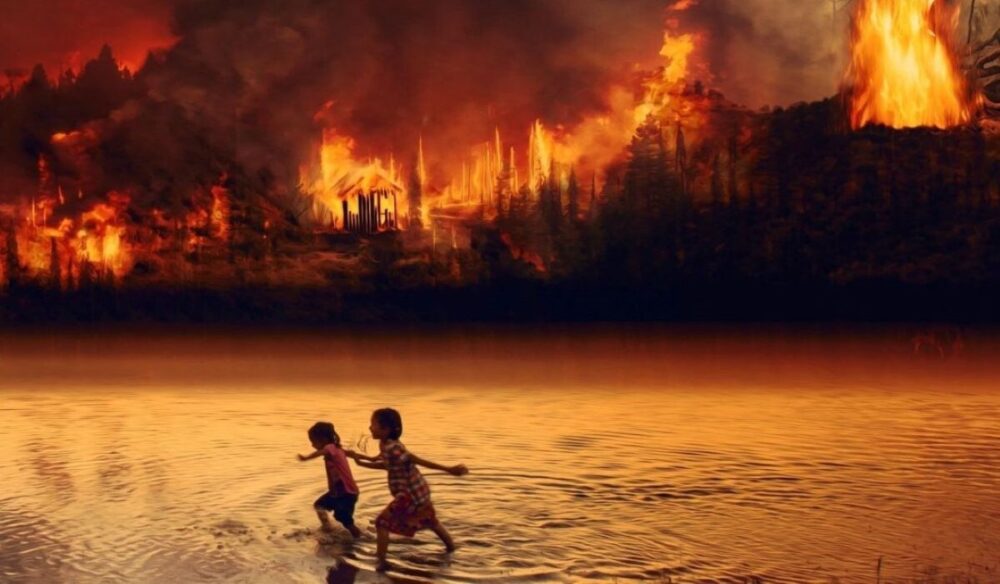
I have put this lower down on the list as it is so difficult to see a solution while the world’s population continues to increase, and despite of climate change summits, all of the oil companies continue to increase their oil production year upon year. That is not to say we shouldn't try:
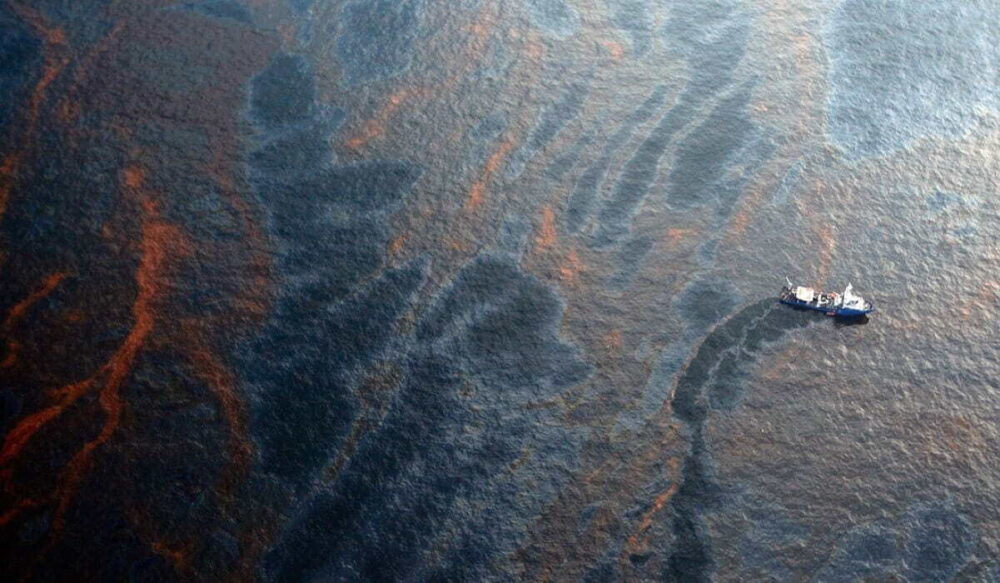
- Use renewable energy - the problems with fossil fuels are there for all to see with oil spills, climate change, and the human and financial costs of the Oil Wars
- Become more energy efficient (in the UK visit the Energy Saving Trust) - make sure your home is properly insulated, wear an extra layer of clothes in winter, use energy efficient condensing boilers and energy saving light bulbs
- Cycle and walk short distances
- Use public transport where possible
- Purchase electric cars or those with low CO2 emissions
- Buy local organic food - it is healthier and avoids the need to import food from far away. Over one tenth of human CO2 production results from food transportation
10. World population
Unless we address the world's population in the very near future, not only will be many animal species become extinct, but the demand for resources will also become critical leading to a surge in world conflicts and pandemics that will hit humanity hard. Global conflict is currently at a historic high, in 2026 there were over 130 ongoing armed conflicts, a number that doubled in five years. In terms of how out of control the human population is:
- 1927 - 2 billion
- 1974 - 4 billion
- 1998 - 6 billion
- 2022 - 8 billion
So far we have “solved” some of the world's problems by throwing more and more technologies, and as a result more and more energy at them, but there is a limit to that. As the very predicament of depleting finite resources start to affect energy production (either through fossil fuel depletion or a limit to copper or any other metal’s extraction), our very abilities to handle the problems caused by predicaments will start to wither.
Unless we admit that predicaments like ‘a finite planet’s inability to support unlimited growth or handle unlimited amounts of waste’ have no solutions to them, only outcomes, we will not be able to handle the situation. Only after accepting that there are hard limits has humanity a chance to change course and adopt to a drastically changing landscape. Whether we can do that, is the question to be pondered…
Quite simply, our World is on the Brink www.aworldonthebrink.com.