Wildlife tourism - Stand up and be counted
Conservation is about more than saving animals; it involves maintaining habitats and changing mindsets. Wildlife is endangered by the actions of people, from deforestation to pollution and hunting. Responsible wildlife tourism has an important role to play in stopping these detrimental activities by encouraging people to relish rather than ravage the natural environment. By making animals more valuable alive than dead, it is possible to encourage local communities and poachers to refrain from killing and to seek out alternative ways to profit from them.
Wildlife-based tourism is growing rapidly worldwide as the number of tourists continues to grow and as we, as travellers, seek out new and more enriching personal experiences with local cultures and wildlife. The UN World Tourism Organisation estimates that 7% of world tourism relates to wildlife tourism, growing annually at about 3%. A WWF report shows that 93% of all natural heritage sites support recreation and tourism and 91% of them provide jobs.
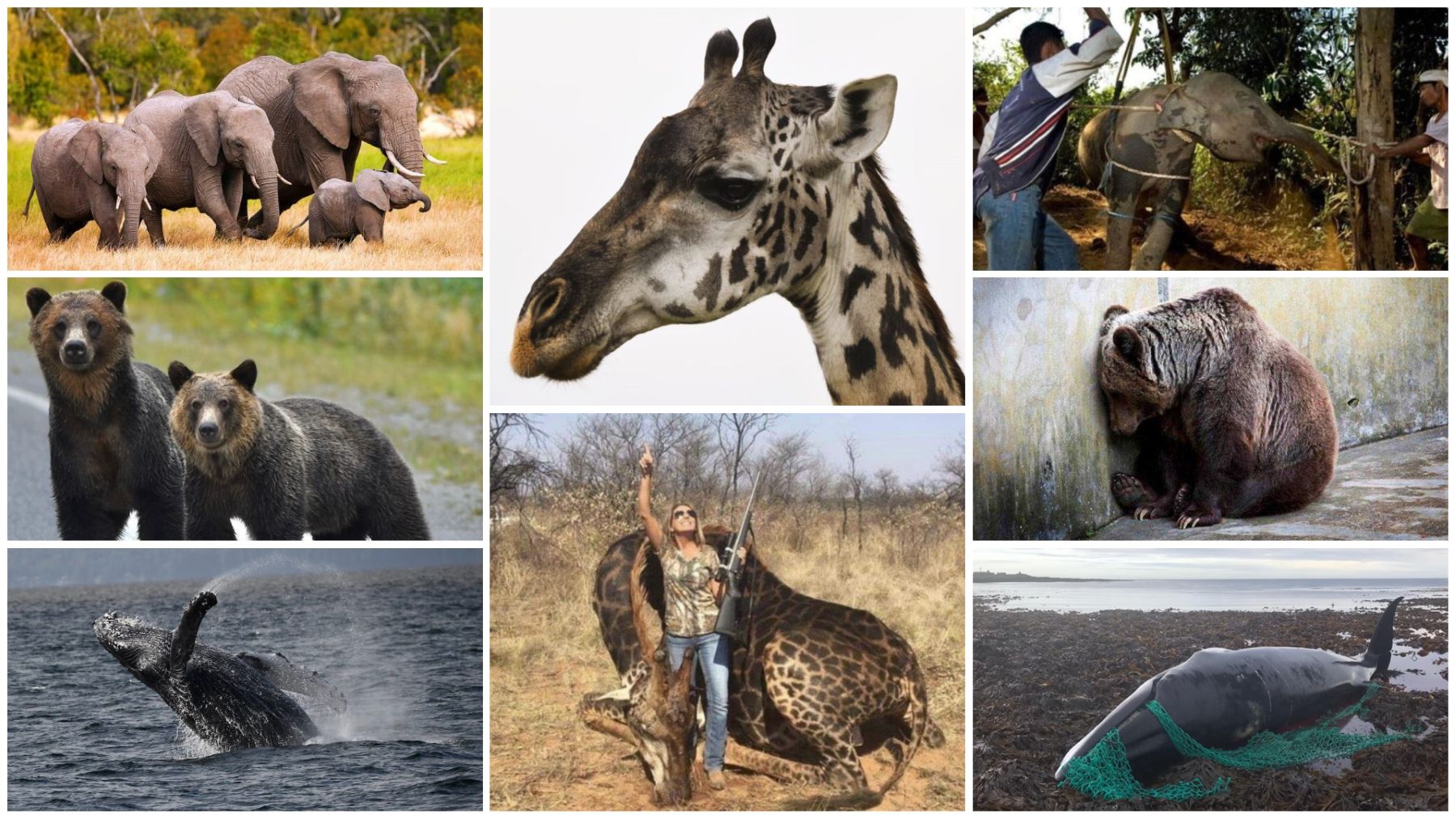
Over half a million animals suffer annually as a result of unethical wildlife 'attractions'
For many of us there is little that beats the excitement of seeing animals in the wild, and in the right hand's guides can enhance this experience and increase our understanding of wild animals. It must also be remembered that 25% of all wildlife attractions have a positive impact, including sanctuaries that have rescued animals from abusive conditions. However, in the wrong hand's wildlife tourism can be extremely damaging to the welfare of animals and the overall well-being of the ecosystem.
In the Galapagos the sheer volume of tourists poses a serious threat to the islands’ unique wildlife. As for ''wildlife attractions'' while the experience for some humans may be positive, for many animals the experience is the polar opposite. At least 550,000 wild animals suffer as a result of tourists with 110,000 million people worldwide visiting cruel tourist attractions annually. For most such wild animals the cruelty involves: being snatched from the wild, trained by inflicting pain, living in severely inadequate conditions, being chained and isolated.

Wildlife not entertainment
Three out of four wildlife tourist attractions involve “some form of abuse or raise conservation concerns'', according to a study written by experts from Oxford University’s Wildlife Conservation Research Unit (WildCRU) and commissioned by World Animal Protection.
When assessing for animal welfare researchers use scores that are based on five key areas: hunger and thirst, discomfort and pain, injury and disease, abnormal behaviour, fear and distress.
The worst ten wildlife experiences for animal cruelty are:
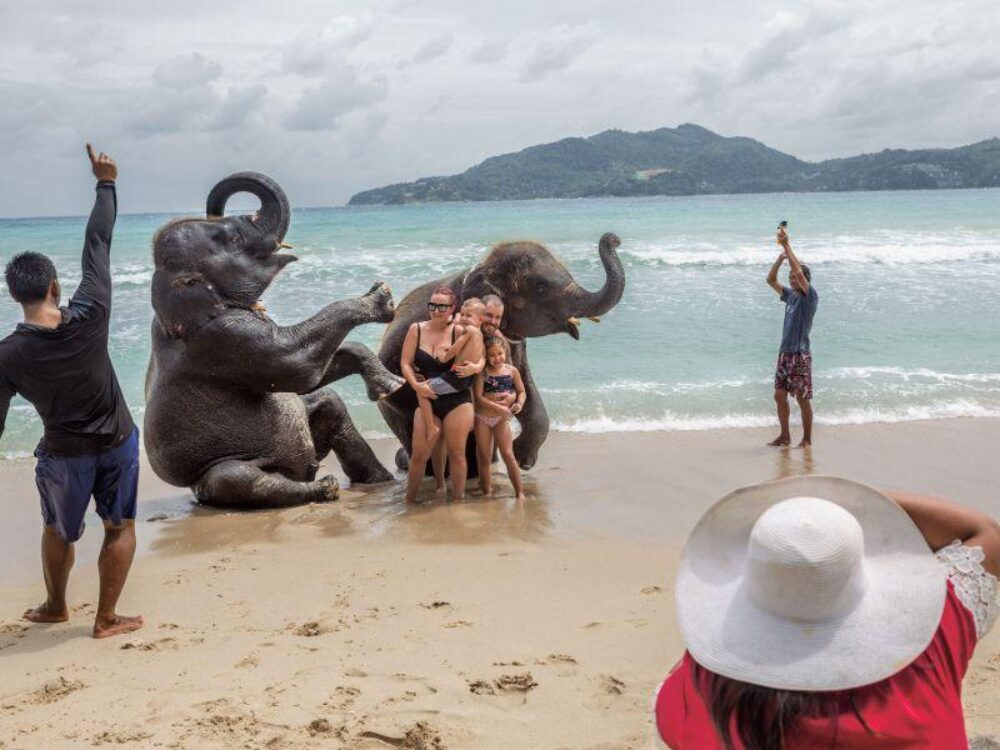
- Riding elephants
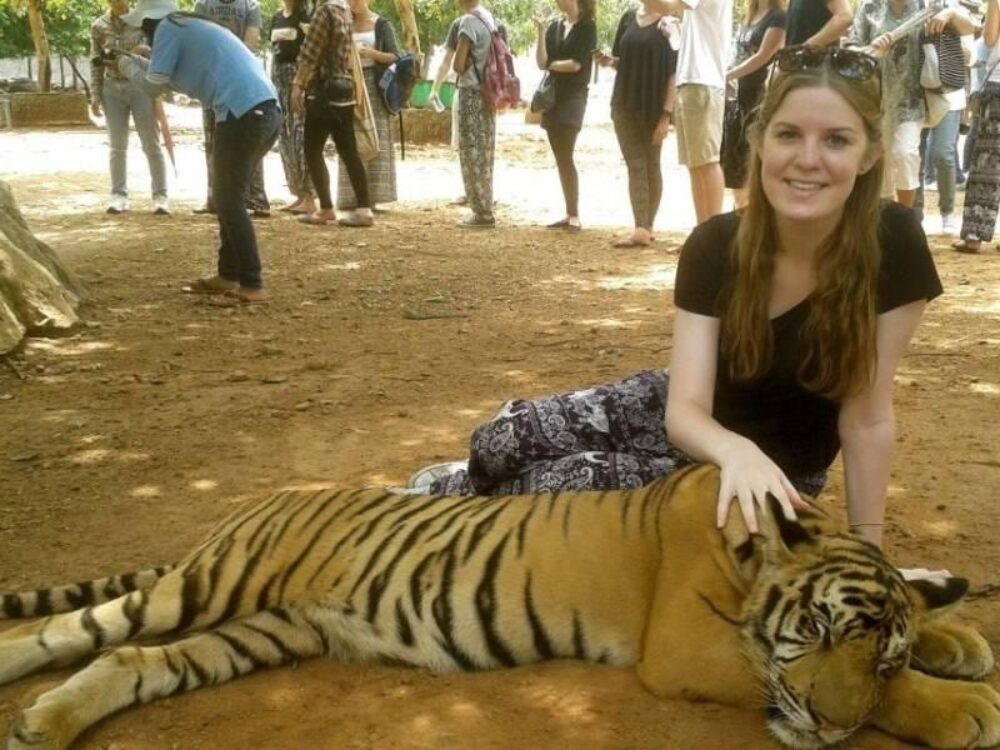
- Tiger selfies
- Walking with lions
- Visiting bear parks
- Holding sea turtles
- Performing dolphins
- Dancing monkeys
- Touring civet coffee plantations
- Charming snakes and kissing cobras
- Farming crocodiles
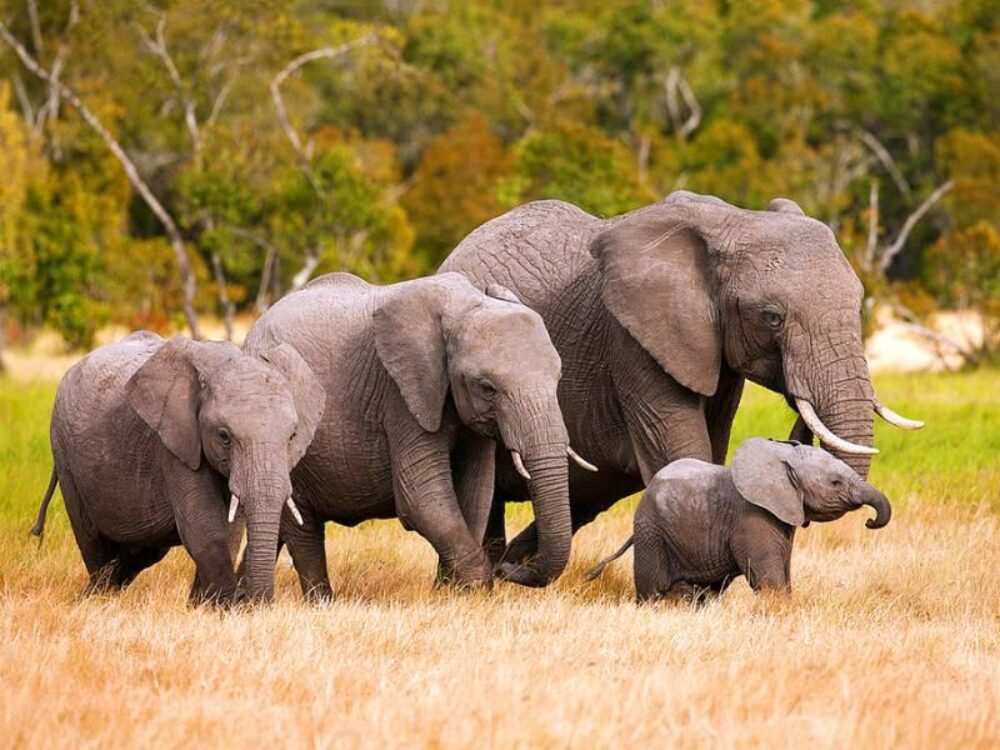
Elephants
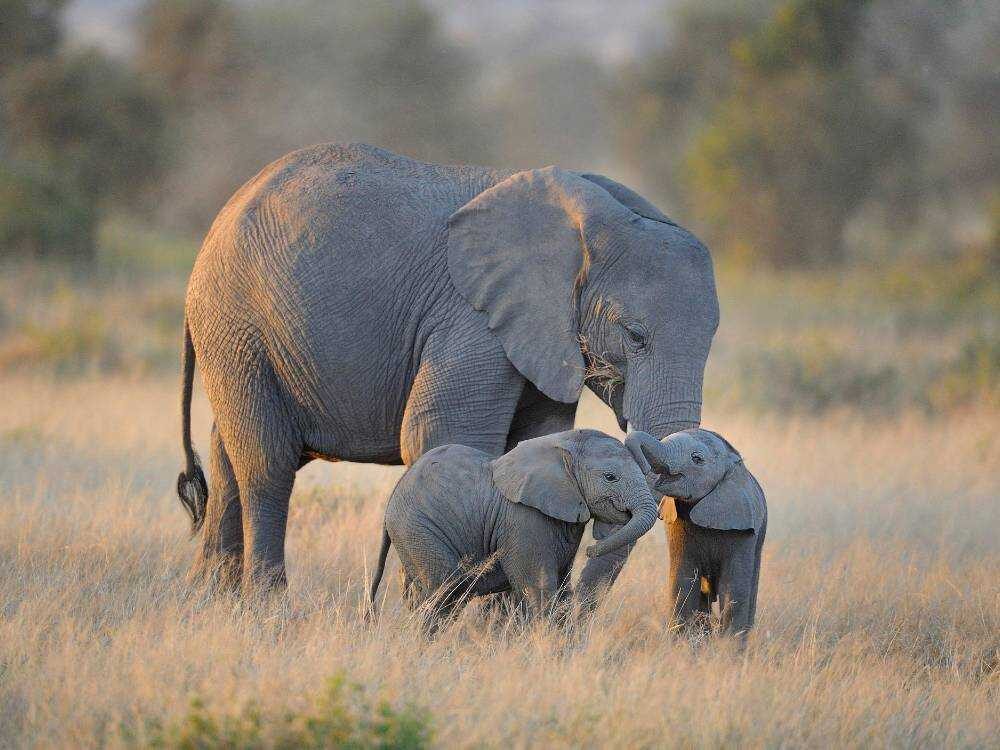
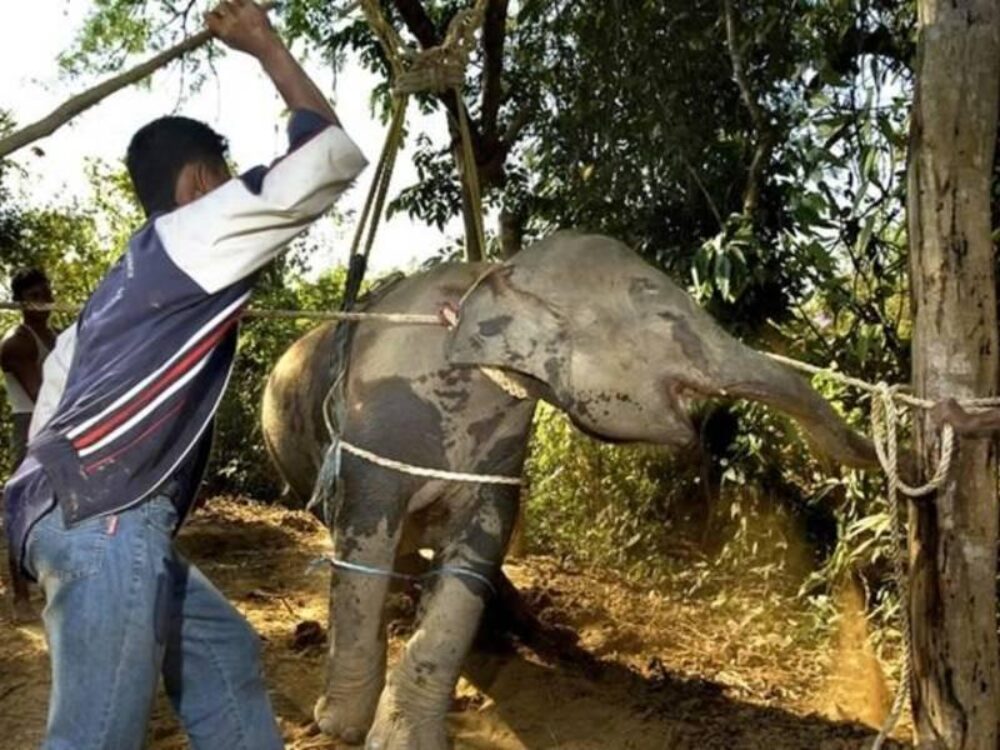
Elephants - there are 3800 captive elephants in Thailand and thousands more throughout Southeast Asia. A study of almost 3000 elephants between 2014-2016 across 220 popular tourist destinations in Thailand, Laos, Cambodia, Nepal, Sri Lanka and India revealed that the vast majority lead a very sad existence - 3 out of every 4 elephants studied were found to be suffering severely in captivity. Many elephants are taken from the wild, others in captivity are dragged away from their mum while she is tied to a tree.
Phajaan is the traditional, and brutal, process of breaking a young elephant's spirit. Under phajjan elephants are bound with ropes, confined in tight wooden structures, starved and beaten with bullhooks (long poles with a sharp metal hook) and hammers. Once trained elephants wear spiked chains, are prodded with bullhooks to get them to stand, and then carry people with benches strapped to their backs. When not working they will spend most of their life on a chain in a stall.
Don't be fooled. Investigative journalists in Thailand were taken to Elephant Eco-Valley to view unchained elephants roaming the sanctuary. The guestbook is filled with praise from globe-trotting tourists, what many don't know is that the ''carefree'' elephants are brought here for the day from the nearby cruel tourist attraction of Maetaman ... the two ''attractions'' are actually a single business. It is worth noting that each year there are several human fatalities and serious injuries.
Tiger selfies
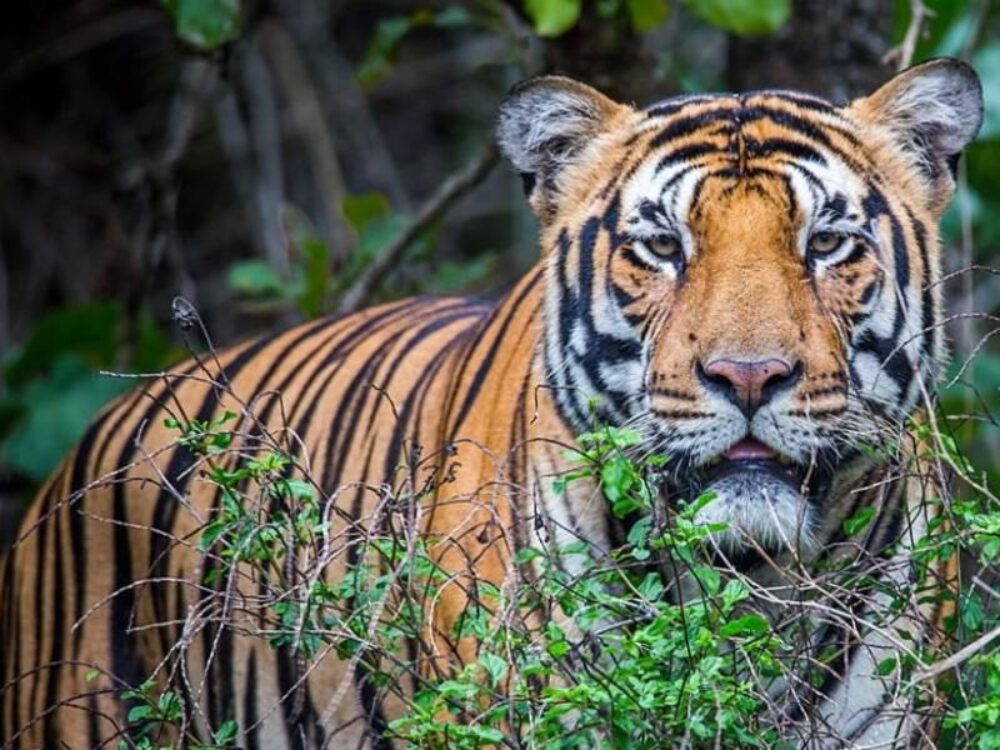
Tiger selfies - a fast-growing industry with a third more captive tigers in Thailand in just five years. In 2016 there were 830 tigers compared to 623 in 2010. The main welfare concerns include:
- Tiger cubs separated from their mothers just two to three weeks after birth
- Young cubs presented to tourists and mishandled hundreds of times a day, which can lead to stress and injury
- Tigers punished using pain and fear, to stop aggressive, unwanted behaviour
- Tigers may be declawed and then drugged before interacting with tourists
- Most tigers are housed in small concrete cages or barren enclosures with limited access to fresh water
- Many show behavioural problems, such as repetitive pacing or biting their tails
Marine parks
Dolphins - the release of the documentary Blackfish was instrumental in stopping Orcas (Killer Whales) being kept in captivity and used in shows in SeaWorld. If you have not seen this yet go ahead and watch it. Sadly bottlenose dolphins are still used in shows - with no laws on captive-animal welfare, marine parks in China are a booming business, and in Russia they still have travelling oceanariums with dolphins and beluga whales.
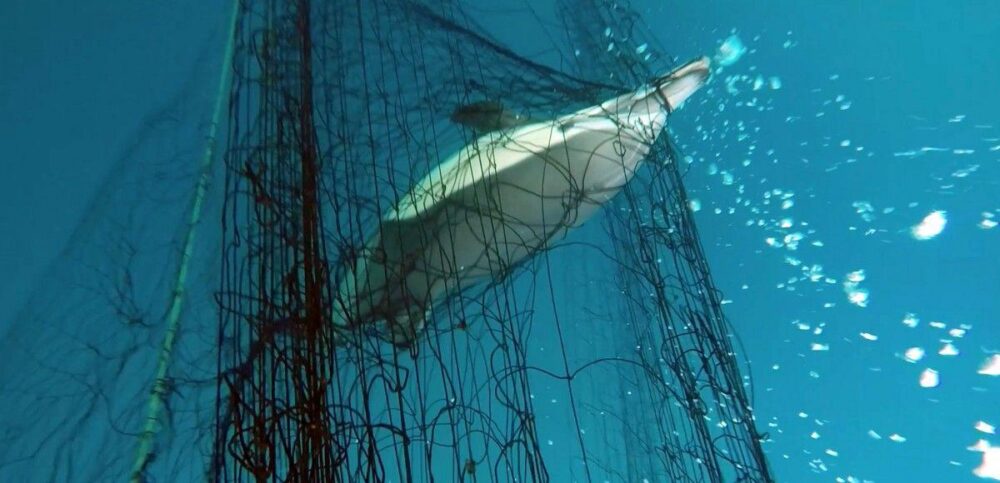
Dolphins are brutally slaughtered in Japanese drive hunts; fishermen surround a pod with nets which pull them into a confined area. Some dolphins have their throats slit or are stabbed, whilst others are caught on hooks and winched out of the water to be slaughtered. It is estimated that 16,000-20,000 dolphins per year are killed during these hunts, which also supply live dolphins to zoos and aquaria around the world.
As exposed by the must watch Seaspiracy, the ground breaking netflix documentary that went viral in 2021, the destruction of our oceans through commercial fishing is catastrophic:
- The oceans are forecast to be depleted of fish by 2048
- Most tins of tuna labelled dolphin friendly are not (unless line caught)
- The so called Somalian pirates only came about due to illegal fishing of their waters by foreign nations leaving them nothing to eat
- Child labour is used on fishing boats in the far east for the harvesting of prawns


Bears and bile farming
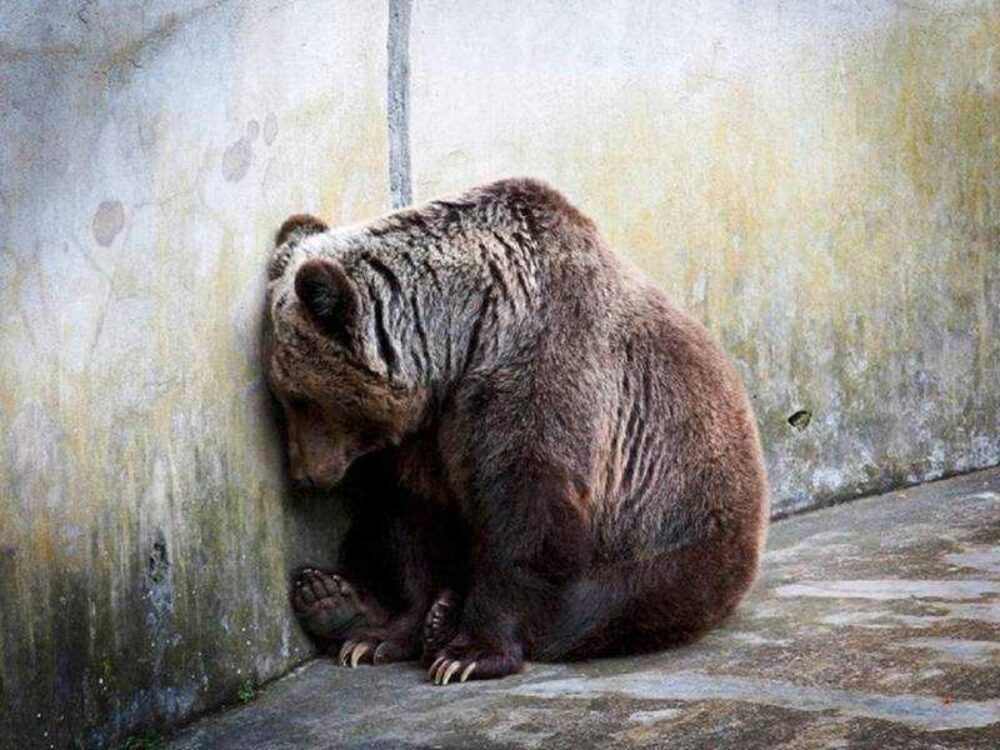
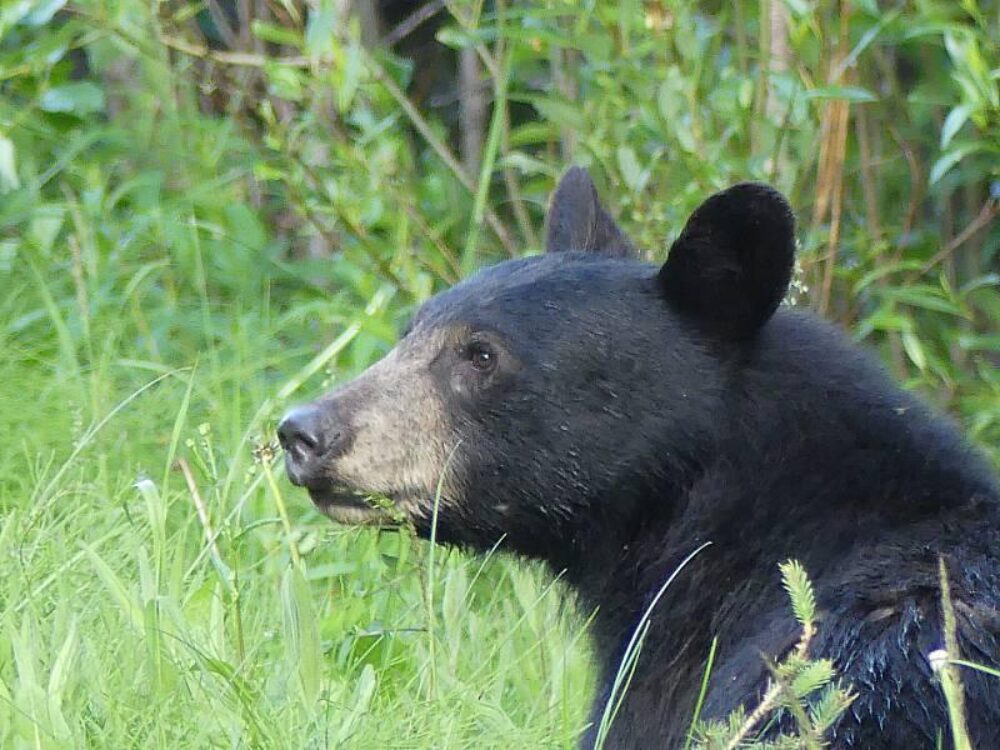
Bears are highly intelligent, wide-ranging animals and therefore suffer particularly badly in captivity:
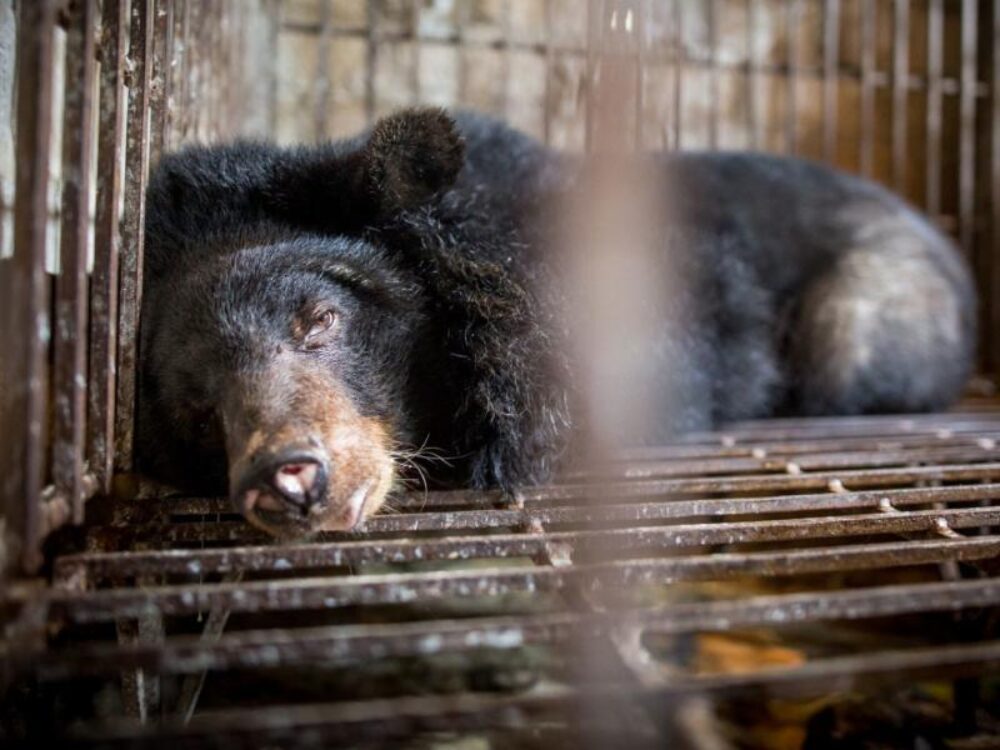
- Many bears kept in zoos, circuses and road-side “shows” display abnormal behaviours, including repetitive pacing, swaying from side to side or bar-biting
- Around 10,000 bears are currently kept on Chinese bear farms where they are individually imprisoned in cramped cages and endure painful bile extractions from their abdomen. The bile is sold for medicinal purposes
- Bear dancing - cubs are snatched from their mother, often after she is killed when she tries to defend her young. The cub’s teeth are often knocked out or sawed off to prevent resistance. A hole is burnt into their nose through the base of their muzzle without anaesthesia. A coarse rope is inserted into the wound and forced out of a nostril. The nose is the most sensitive part of a bear, by yanking the bear by the nose it is forced to comply to avoid pain
Most trade associations care little about animal welfare
Trade associations: a study from Surrey university showed that only 21/62 travel trade associations had content about sustainable tourism either online or in print. Out of these 21 only 6 of were communicating anything about animal welfare, from which 2 had appropriate animal welfare programs and only 1 was monitoring its members. 16/62 featured promotional pictures of wild animals, in many cases being cruelly used to interact with tourists.
Ignorance is not an excuse: if visiting a sanctuary check if it is accredited by the Global Federation of Animal Sanctuaries (GFAS) before deciding to visit. Does the attraction have tell-tale signs of animal cruelty - appear unkempt or show signs of distress, kept in inappropriate environments, handled by the guests, part of a breeding program (reputable sanctuaries do not breed animals because they know that doing so depletes their already limited resources to rescue others in need).
Social media: is used by most people when travelling. Animal selfies go viral providing many unethical companies with free advertising. Animals feel pain but don't express it in the same way - a four-year-old child with spikes pressing into his flesh would scream, a 4-year old elephant just stands there with her leg jerking in the air. 80% of people using TripAdvisor left positive reviews for venues that are treating animals cruelly ... so if you see a friend posting such photos are you going to like it or dislike it? Please stand up and do the right thing.