Rome and Vatican City
A heady mix of haunting ruins, awe-inspiring art and vibrant street life, Rome is one of the world’s most romantic and charismatic cities, and one of the few cities that exceeded my expectation. The Vatican City State is an independent city-state located within Rome. The Vatican is the smallest state in the world, governed by the Holy See, and ruled by the Pope.
The History of Rome
Before we explore Rome it is only correct to have a history lesson, more for my own good having binned history at school when 13.
As legend has it, Rome was founded in 753 BC by Romulus and Remus, twin sons of Mars, the god of war. Left to drown in a basket on the Tiber by a king of nearby Alba Longa and rescued by a she-wolf, the twins lived to defeat the king and found their own city on the river’s banks in 753 BC. After killing his brother, Romulus became the first king of Rome, which was named after him.
Ancient Rome grew from a small town into an empire that at its peak encompassed most of continental Europe, Britain, much of western Asia, northern Africa, and the Mediterranean islands. Among the many legacies of Roman dominance are the widespread use of the Romance languages (Italian, French, Spanish, Portuguese and Romanian) derived from Latin, the modern Western alphabet and calendar, and the emergence of Christianity as a major world religion. After 450 years as a republic, Rome became an empire in the wake of Julius Caesar’s rise and fall. The long and triumphant reign of its first emperor, Augustus, began a golden age of peace and prosperity; by contrast, the Roman Empire’s decline and fall by the fifth century AD was one of the most dramatic implosions in the history of human civilization.
Practicalities
Given the summer heat the best time to visit is from late March to the end of May, although I would avoid the crowds around Holy Week and Easter - unless you are travelling with religion in mind.
It is important to note when booking inbound and outbound flights that Rome has two airports - Leonardo da Vinci Airport (at Fiumicino) and Ciampino Airport, both of which have good connections to Rome. I recommend you don’t drive in Rome unless you enjoy real life Grand Theft Auto and have plenty of money. As our trip combined Rome with the Amalfi coastline I hired a rental car and decided to drive in to Rome - the two highlights being an eight car-wide traffic jam (just on our side) with no road markings, and a three night car park bill of 160 Euros. In terms of moving around Rome we walked everywhere, but there are buses, trams, an underground (metro), and we did try electric scooters ... not to be recommended in Rome!
Despite of all the wonderful ice cream parlours, the only moan I had was that trying to find fresh fruit was almost impossible.
I have highlighted my top 10 in this blog. It is advisable to buy 'skip the lines' tickets with the Rome Pass discount card. I also recommend the combined ticket to visit the Colosseum, the Roman Forum and the Palatine. The best website for Rome is www.rome.net.

1. The Rome Colosseum
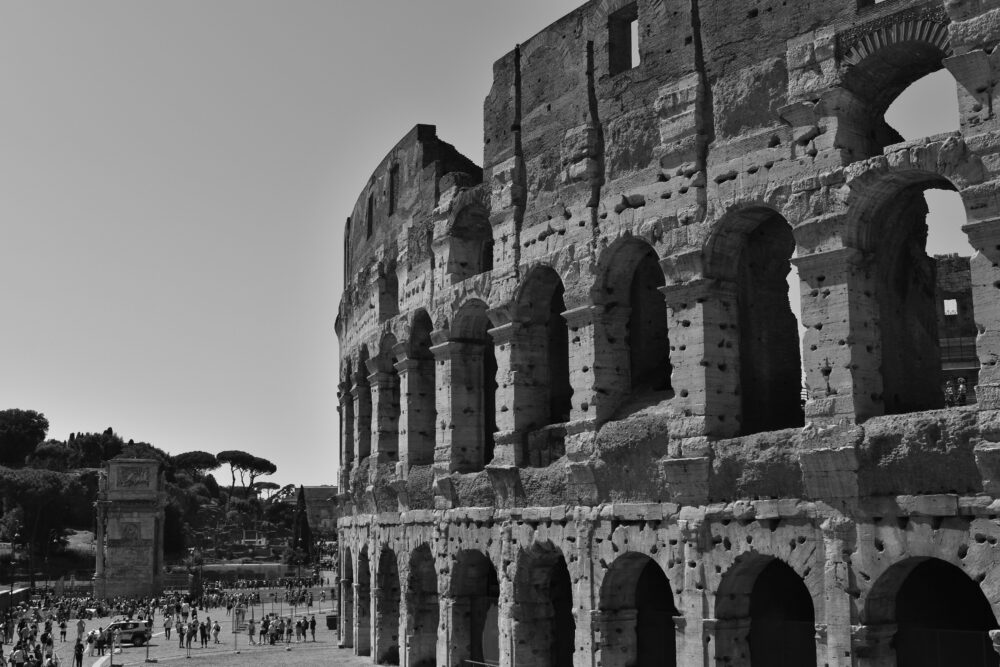
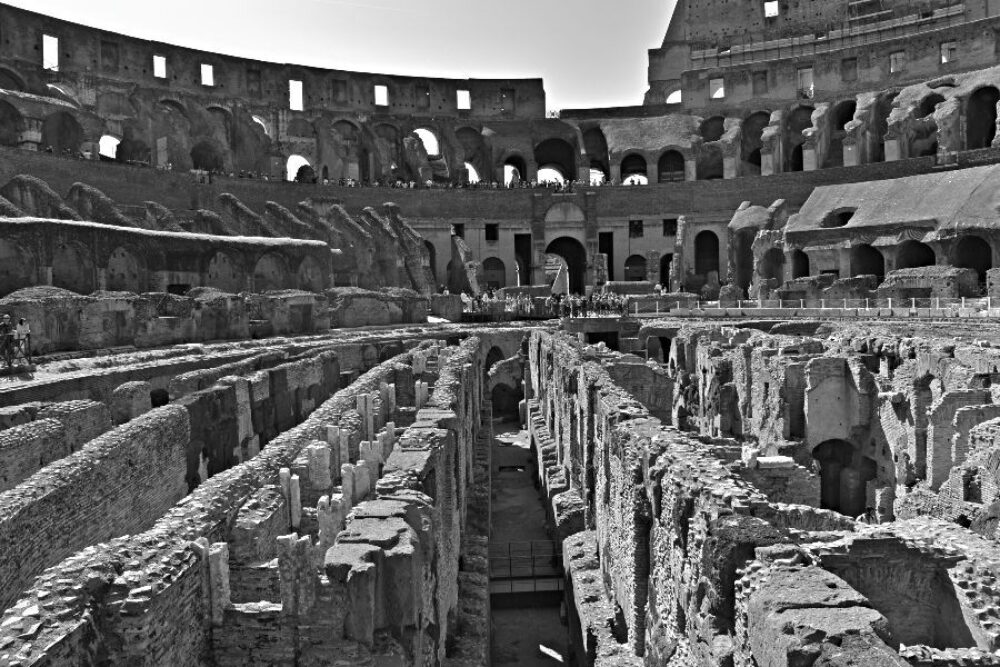
The Colosseum is an oval amphitheatre in the centre of Rome, just east of the Roman Forum. It is the largest ancient amphitheatre ever built, and is still the largest standing amphitheatre in the world. The construction of the Colosseum began in the year 72 AD under the empire of Vespasian and was finished in the year 80 AD during the rule of the emperor Titus. During the Roman Empire and under the motto of "Bread and Circuses" the Roman Colosseum (known then as Flavian Amphitheatre) allowed more than 50,000 people to enjoy its finest ''spectacles''. The exhibitions of exotic animals, executions of prisoners, recreations of battles and gladiator fights kept the Roman people entertained for years. The emperor Titus inaugurated the Colosseum with 100 days of games, which took the life of more than 2,000 gladiators.
The best way to skip the lines is to buy tickets from one of many companies. As a minimum get a ‘Skip the Line’ ticket with Arena access, if you enjoy history then take a tour that also includes the underground areas that you cannot access without a guide.
2. The Roman Forum
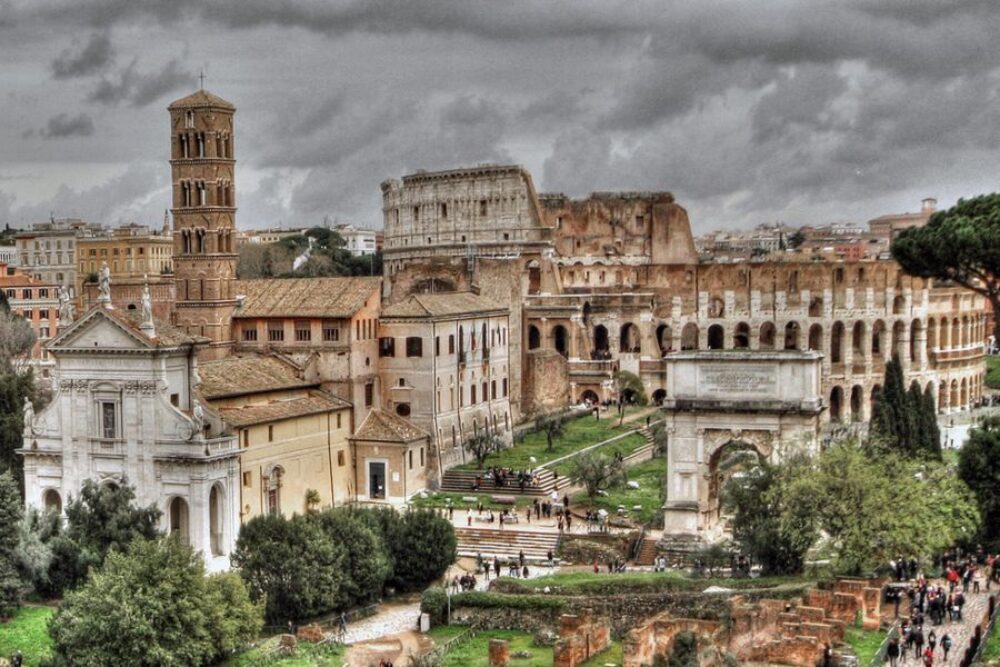
The Roman Forum was where religious and public life in ancient Rome took place. The Forum is, along with the Colosseum, the greatest sign of the splendour of the Roman Empire that can be seen today.
After the fall of the Empire, the Roman Forum was forgotten and little by little it was buried under the earth. Although in the 16th century the existence and location of the Forum was already known, it was not until the 20th century that excavations were carried out.
Interestingly, the place where the Forum was built was originally a marshy area. In the 6th century BC the area was drained by means of the Cloaca Maxima, one of the first sewer systems in the world.

3. Palatine Hill
Located 40 meters above the Roman Forum, Palatine Hill is the most central of the seven hills of Rome and forms one of the oldest parts of the city. Palatine Hill is considered to be the birthplace of the Italian capital and is believed to have been inhabited since the year 1000 BC. Palatine Hill has many ruins and provides the best viewpoint over the Roman Forum.
4. The Trevi Fountain
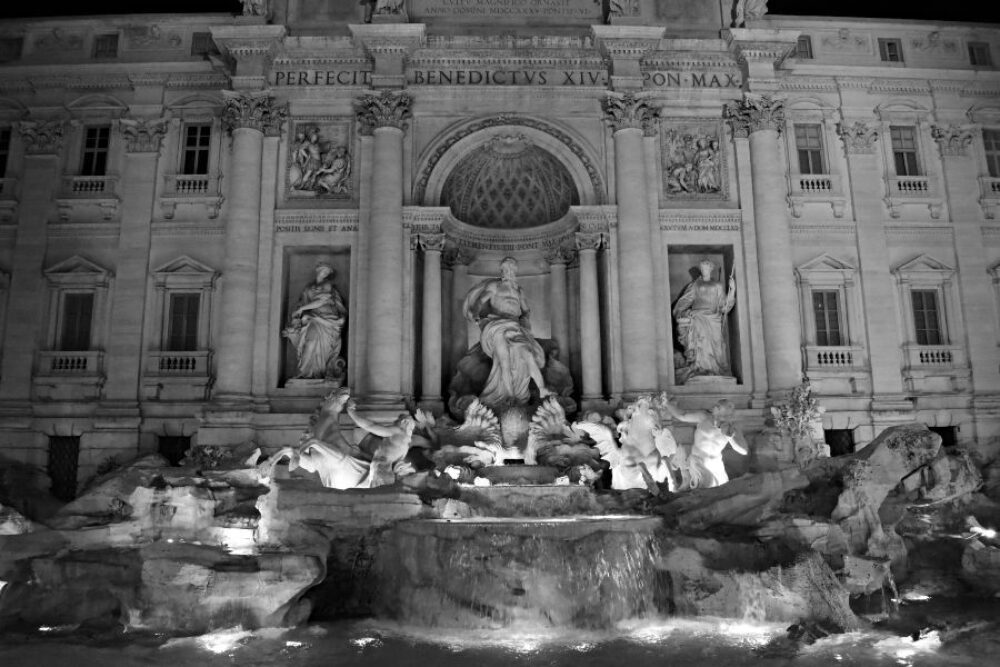
Trevi Fountain is the most beautiful fountain in Rome. Measuring some 20 meters in width by 26 meters in height, Trevi Fountain is also the largest fountain in the city. The fountain is busy day and night.
The origins of the fountain go back to the year 19 BC when the fountain formed the end of the Aqua Virgo aqueduct. The first fountain was built during the Renaissance, under the direction of Pope Nicholas V. The final appearance of the Trevi Fountain dates from 1762, when after many years of works at the hand of Nicola Salvi, it was finalised by Giuseppe Pannini.
The name of Trevi derives from Tre Vie (three ways), since the fountain was the meeting point of three streets. The reason why so many people throw coins into the fountain relates to the 1954 movie "Three Coins in the Fountain," (also part of an ABC song):
- If you throw one coin you will return to Rome
- If you throw two coins you will fall in love with an attractive Italian
- If you throw three coins you will marry the person that you met
5. The Pantheon
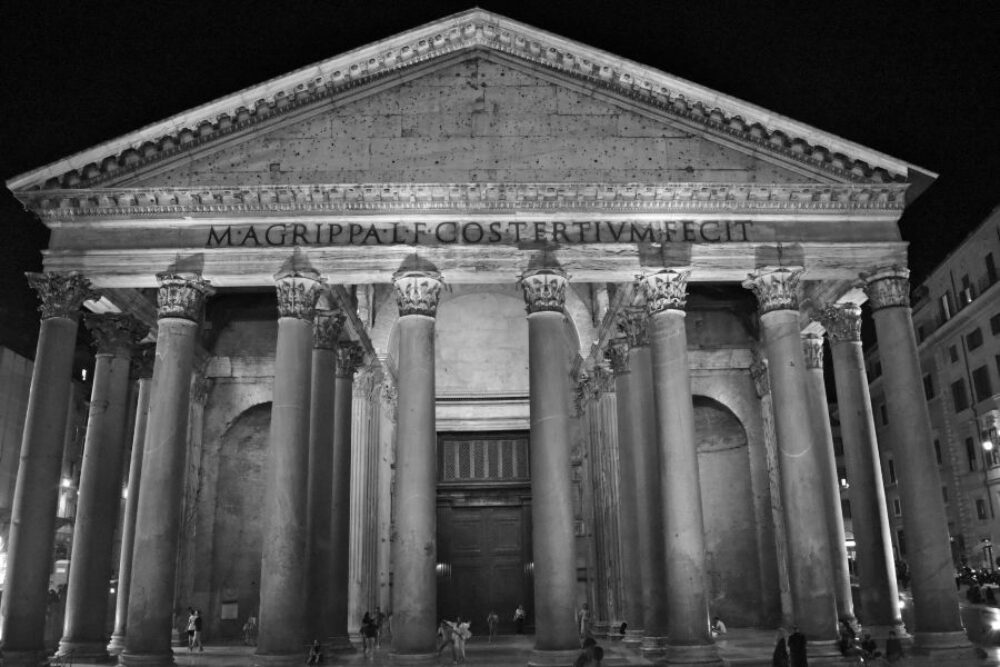
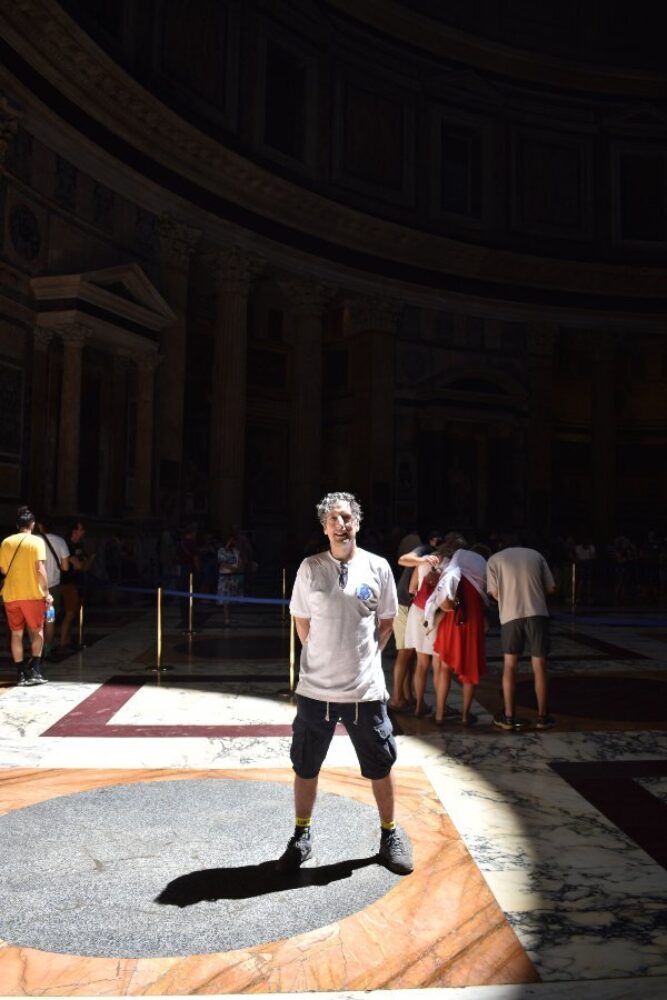
The Pantheon, completed in 126 AD, was a Roman temple with a stunning oculus that is the building's main source of natural light. The construction of the current Pantheon was carried out during the reign of Hadrian, in the year 126 AD, around the same time that Hadrian’s wall was being built in the UK. The most surprising aspect of the architecture is its measurements - the circular building has exactly the same diameter as its height: 43.5 metres. In the interior of the Pantheon the tombs of numerous Italian kings and a multitude of art works are found. The best-known person who can be found buried in the Pantheon is the painter and Renaissance architect Raphael. Tickets for a timed entry need to be purchased in advance.

6. Vatican City and St. Peter’s Basilica
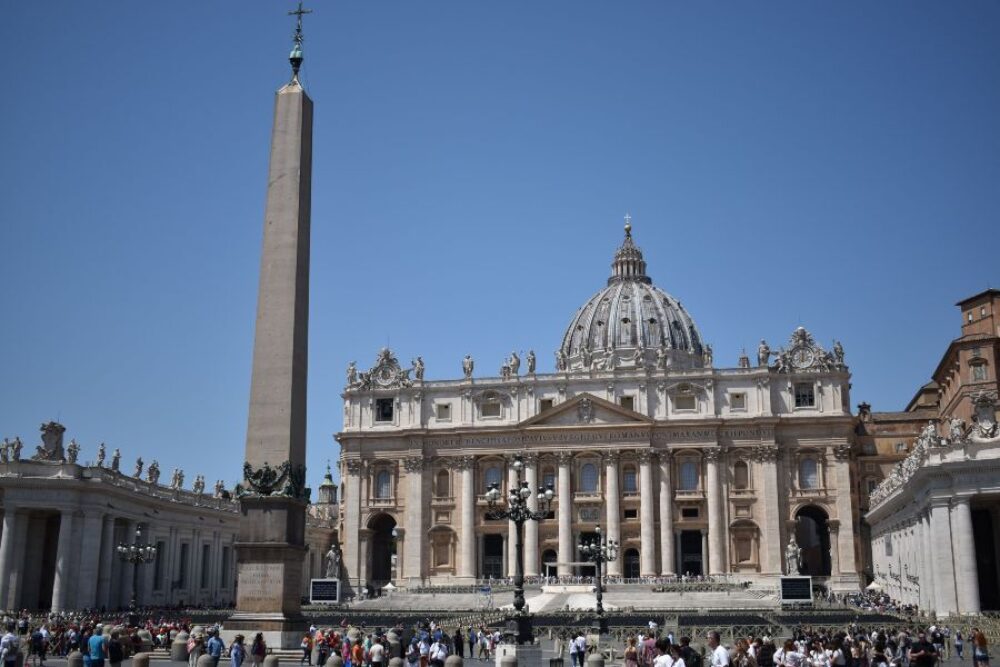
Within the Vatican are numerous attractions; the highlights are St. Peter’s Square (Piazza San Pietro), St. Peter’s Basilica and the Vatican Museums, where the Sistine chapel is located.
Vatican City (Città del Vaticano in Italian) is an independent city state located in the heart of Rome, ruled by the Pope (Bishop of Rome). It is the centre of authority over the Roman Catholic Church.
The Vatican is the smallest state in Europe with a total area of 0.44 km² and a population of approximately 1000 people. The Vatican City was declared independent from the rest of Italy on 11th February 1929, with the signing of the Lateran Treaty between Pope Pius XI and Mussolini.
The Vatican open’s at 9am, I recommend visiting the museum early and then the Basilica, leaving the square until after. Early morning tours can be purchased enabling access before the general public. In terms of queues it is advisable to avoid the last Sunday of each month (when the admission is free) and Holy Week.
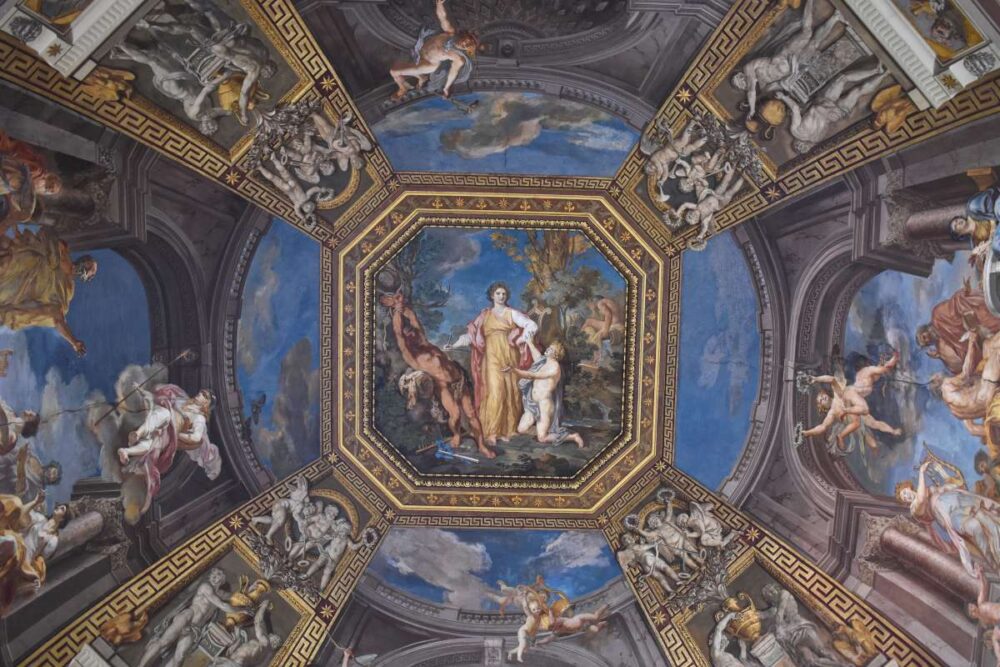
The Sistine Chapel is one of the greatest treasures of the world. It is known as much for its decoration, as for being the temple in which popes are chosen and crowned. All of the frescoes of the ceiling of the Sistine Chapel are the work of Michelangelo, who spent four years painting the vault between 1508 and 1512 - the best known painting is the Creation of Adam.
The artwork in the other museums and hallways is equally impressive, don't miss the Nine Stories from Genesis depicting scenes from the Drunkenness of Noah to the Separation of Light from Darkness.
Have you ever wondered why many of the best paintings depict religious scenes ... the reason is very much related to the immense wealth of the church.

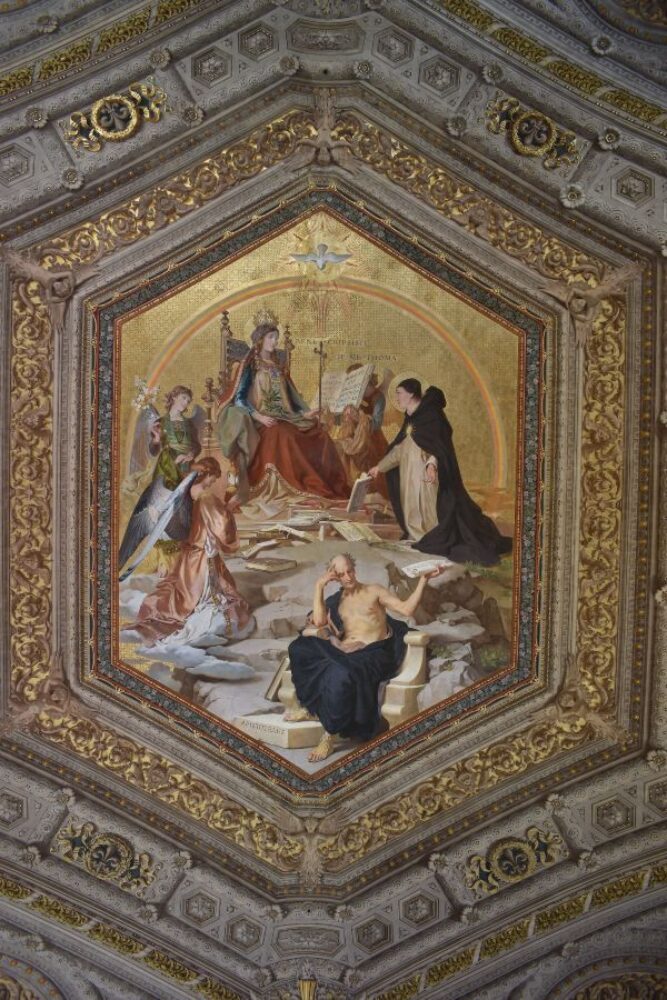
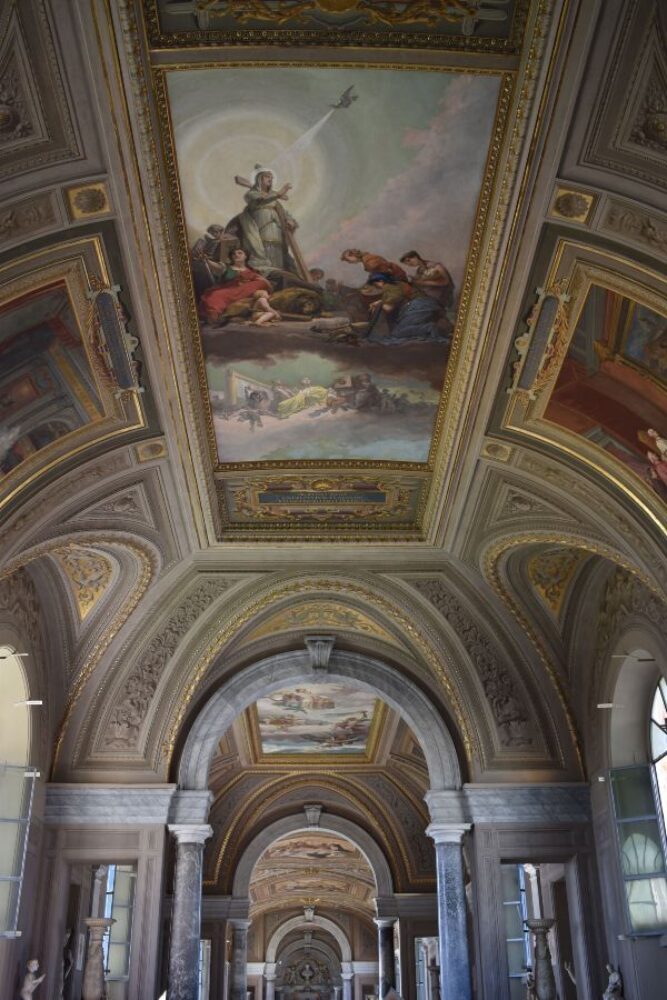
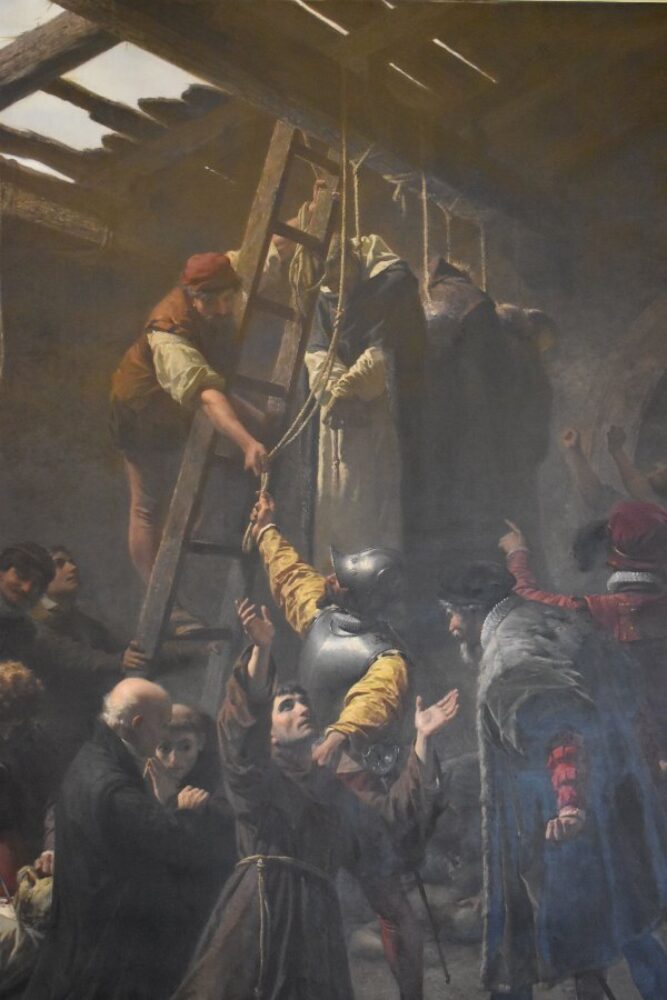

St. Peter's Square is one of the largest and most beautiful squares in the world. It is located in Vatican City, at the feet of St. Peter's Basilica.
St. Peter’s Basilica is one of the holiest temples for Christendom and one of the largest churches in the world. Besides, it is where the Pope presides many liturgies year round. The construction of the new basilica began in 1506, when the old basilica had been torn down, and was finished in 1626. The basilica was called St Peter’s after one of Jesus’s twelve disciples known as Saint Peter, who became one of the founders of the Catholic Church and was executed in Rome and buried where the Basilica now stands.
Inside St Peter’s Basilica visitors will find extremely impressive pieces of art, including St. Peter’s Baldachin, a large bronze baldachin designed by Bernini, The Pietà, a sculpture by Michelangelo and the statue of St Peter on his throne. St Peter has his right foot worn down due to the touches of the devoted. One of the most impressive parts of the Basilica is its incredible dome. The dome's design was started by Michelangelo and continued by Giacomo Della Porta. Carlo Maderno finished the dome in 1614. This dome has served as inspiration for many other cathedrals and buildings, for example, the Capitol in Washington and St Paul's Cathedral in London. As with Vatican City it is important to pre-book 'skip-the-line' tickets.

7. Take in a football game
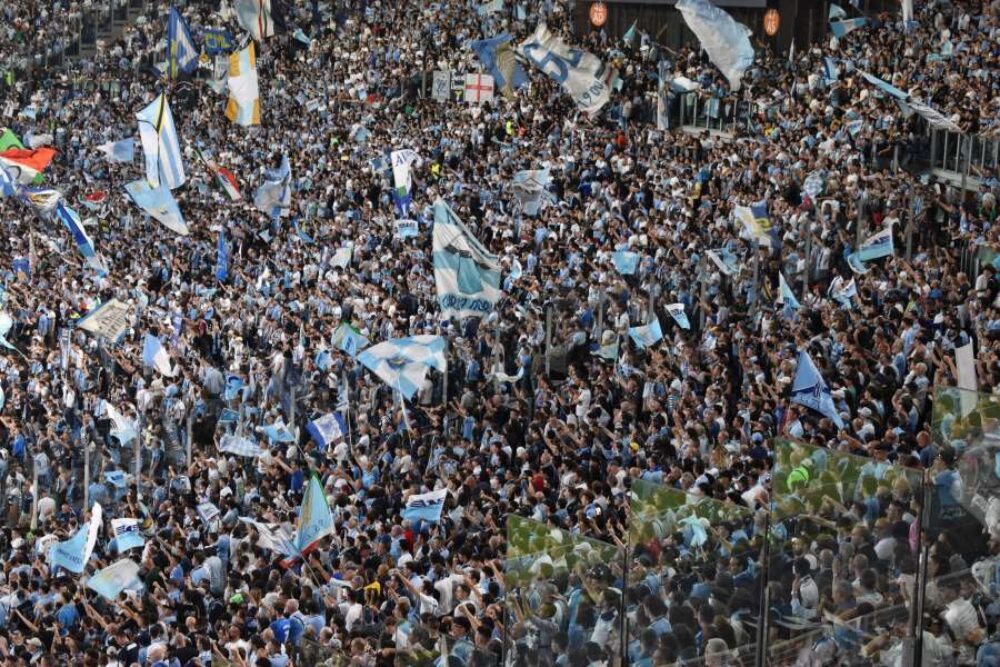
Stadio Olimpico was built to serve as the centrepiece of the Foro Italia sports complex, a project initiated by the regime of Mussolini. The stadium is home to both Lazio and AS Roma and also served as the centrepiece stadium for the 1960 Olympics. My son and I managed to get tickets (purchased while in the UK) to see Lazio vs Verona, a thrilling 3-3 draw. The atmosphere here is amazing.
There are no metro stations close to the stadium, but it is quite easy to reach by tram. Tram 2 passes the stadium on the other side of the river and can be taken from metro stop Flaminio on line A, which is close to the Villa Borghese gardens and Piazza del Popolo. Take the tram in the direction of Mancini and get off at stop Mancini. Alternatively, take bus 32 just north of Vatican City at metro stop Ottaviano - travel in the direction of Tor di Quinto and get off at stop Stadio Tennis.

8. Piazza Navona
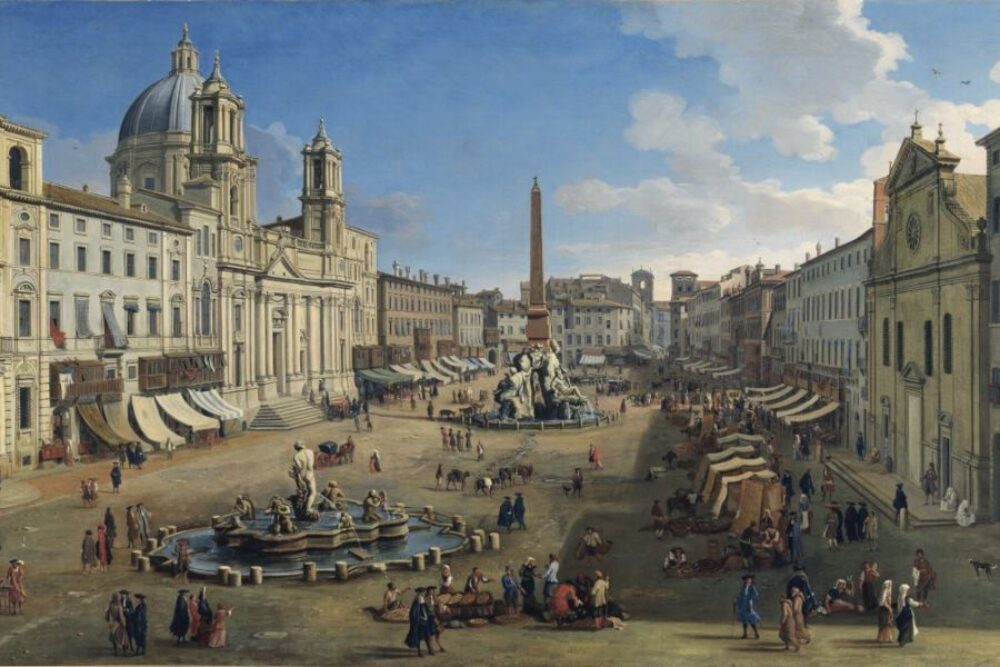
Defined during the fifteenth century, the Baroque-style Piazza Navona is one of the most charming squares in Rome. The public square is built on the site where the Stadium of Domitian (Circus Agonalis), founded in 86 AD, once stood. It held approximately 20,000 spectators, which came here to see different athletic competitions. The most beautiful part of Piazza Navona are its three fountains, designed during the papacy of Gregory XIII. Until the mid-nineteenth century, every summer the drains of the three fountains were blocked and the centre of the square was flooded to make the “Lake of Piazza Navona”, which the locals greatly enjoyed. The square is surrounded by restaurants and terraces, and street artists are plentiful giving Piazza Navona a lively atmosphere.
9. Victor Emmanuel II Monument
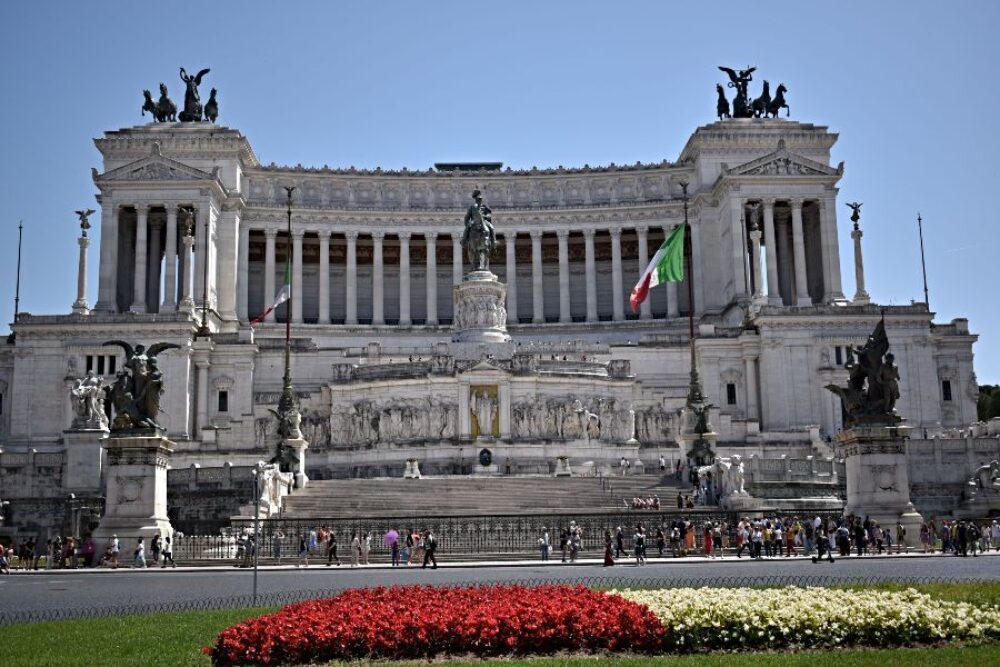
The Victor Emmanuel II National Monument, also known as Vittoriano or Altare della Patria, is a large monument built between 1885 and 1935 to honour Victor Emmanuel II, the first king of the unified Italy. You can get on top of the monument by taking the stairs or lift, providing arguably the best panoramic view of Rome.
10. The Spanish Steps
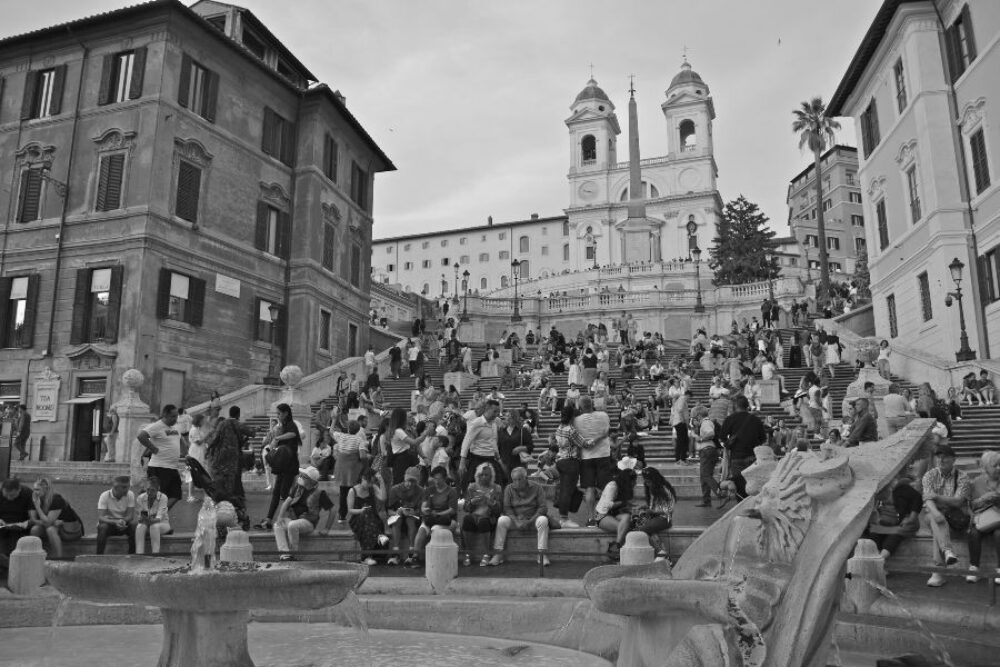
The Spanish Steps, built in Rococo style between 1723 and 1726, are the steps that lead from the Piazza di Spagna to the French monastery church Trinita dei Monti. There are 135 steps and three different terraces, referring to the Holy Trinity (the Trinità). The top of the stairs near the Egyptian obelisk offers a beautiful view. The name can be a bit confusing, as construction of the steps was actually commissioned by the French. In the 17th century, the Spanish embassy was located on the square at the base of the stairs, hence the name. It is fair to say that we weren't overly impressed with the Spanish Steps, unlike the rest of Rome.