London - a journey through time
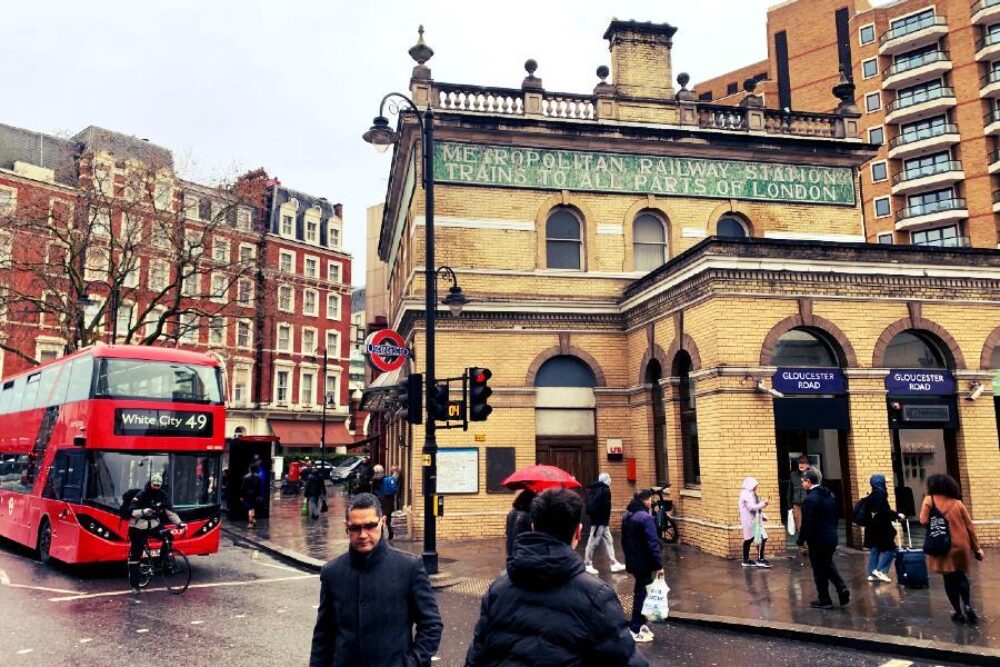
London is bustling, vibrant, multicultural, and cosmopolitan. London is both old and new; its most ancient castle is right next door to its newest skyscrapers. London's energy, as 8.6 million people go about their everyday lives, is tangible in every journey on the Underground and every walk along the banks of the River Thames. There are few cities in the world that can compete with London in terms of how much there is to see and do.
London - a little bit of history
Although history is not one of my strong points, I felt it pertinent to do some research on London's history so as to provide you with a good oversight as to how the United Kingdom has evolved, as well as giving you some background on some of the sights that you see in London today.
- London was originally settled by early hunter gatherers around 6,000 BC
- Ancient Romans founded a port and trading settlement called Londinium in 43 AD
- In 60 AD Celtic queen Boudica led an army to sack the city, which was burned to the ground in the first of many fires to destroy London
- After the fall of the Roman Empire in 476 AD the city was attacked numerous times by Vikings and other raiders, and soon London was largely abandoned
- In 1066 William the Conqueror was crowned King of England. During William's reign, the Tower of London was built, and in 1176 a wooden London Bridge (that had repeatedly burned) was replaced by a bridge of stone
- As the power of the Tudor and the Stuart dynasties grew, London expanded in size and importance. By the time Henry VIII was king, the population of London was at least 100,000
- Tensions between Protestants and Catholics darkened the otherwise prosperous reign of Henry’s daughter, Elizabeth I. In 1605, Catholic sympathiser Guy Fawkes tried-and failed-to blow up the entire British House of Parliament in the infamous Gunpowder Plot
- Real disaster struck in 1665, when London was hit by the Great Plague, which killed about 100,000 people
- One year later, the city, which had swollen to about a half-million in population, mostly housed in wooden structures, was again reduced to ashes in the Great Fire of London, which started in a baker's shop on Pudding Lane
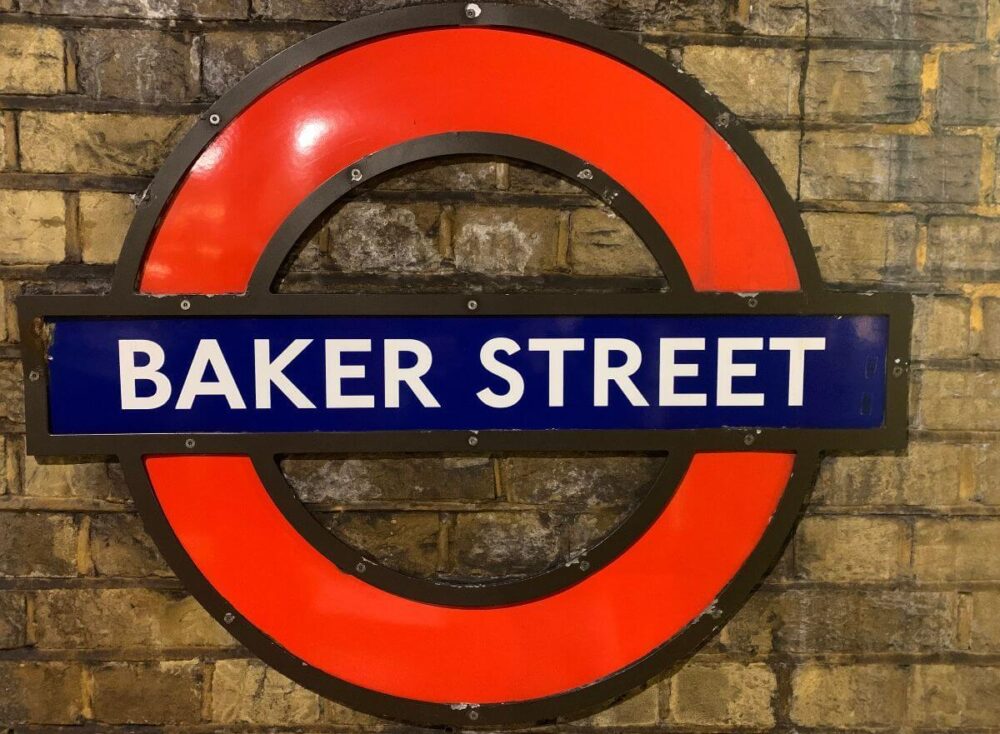
- During the reign of Queen Victoria, London was well established as the prestigious seat of the vast British Empire, and while Big Ben rose above the city in 1859, the London Underground opened in 1863 as the world’s first subterranean railway
- Air raids caused about 2,300 casualties in London in World War I, and during the Battle of Britain in World War II, the city was bombed relentlessly by the German Luftwaffe - the London Blitz eventually killed about 30,000 residents
- During the Great Smog of 1952, Londoners endured immeasurable suffering and thousands died as a result of the pollution
- London has continued to grow and prosper, hosting the 2012 Olympics, while establishing itself as the preeminent cultural and financial centre of Europe

London - practical tips
- Visit in the shoulder season if possible - May (avoiding UK half-term holidays), June, and September will be quieter with a reasonable chance of getting some fair weather
- Stay as central in London as your budget will allow
- Eating - like many large cities, unless you do your research on where to eat one can spend a lot of money on average food. Alternatively, stay in a rented apartment and cook some of your own meals ... although I can't say that my own cooking beats the 'average' mark!
- Take advantage of London's free museums - the Natural History Museum, British Museum, Tate Modern, National Gallery, Victoria & Albert Museum, Science Museum, Tate Britain, and the Design Museum
- The London Pass is a must - with access to over 90 popular attractions the London Pass provides significant savings. Note - a few of our favourites, such as the London Dungeon and the London Eye, are not on the pass
- Naturally, book things in advance
- Moving around London can be a little confusing, so I will try and simplify this for you:
- If you are in London for several days and are going to be moving around a lot think about a London Oyster card, which is a smart card that you add money to, so you can pay as you go. The card is valid for travel on bus, Tube, tram, DLR, London Overground, most Elizabeth Lines, IFS Cloud Cable Car and Thames Clippers River Bus services. At the time of writing, the card was a physical object and needed to be ordered before travel
- If you are spending a day that does not involve too much distance and you are looking to save a little money then walking is a good bet, with or without the occasional bus ride. Of course if the roads are busy then a bus journey is not going to be that quick
- If you are moving around a lot on any given day then the London Underground is preferable - buying a Travelcard is cheaper than buying multiple same day tickets as it provides unlimited travel for the day (in the zones it's valid for). The Travelcard can be used on any of the modes of transport mentioned above and can be added to the Oyster Card
- If you are spending time around the Thames area then the Thames Clippers River Bus service is a good choice, which is also valid on the Travelcard

Highlights of London
There are so many things to do in London - there are 90 attractions on the London Pass alone. I have highlighted 10 of my favourites that provide a flavour of different experiences ..... let's start with 1-5.
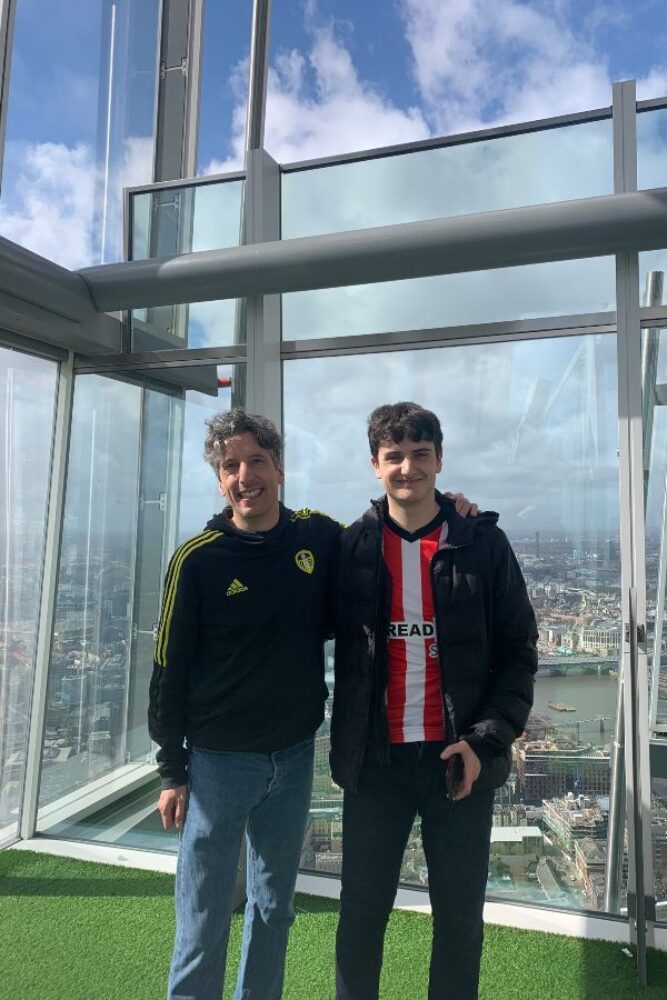
1. The Shard - standing 309.6 metres (1,016 feet) high, the Shard is the tallest building in the UK. The Shard has a viewing gallery and open-air observation deck on the 72nd floor providing you with breath-taking views up to 40 miles (25km) across London.
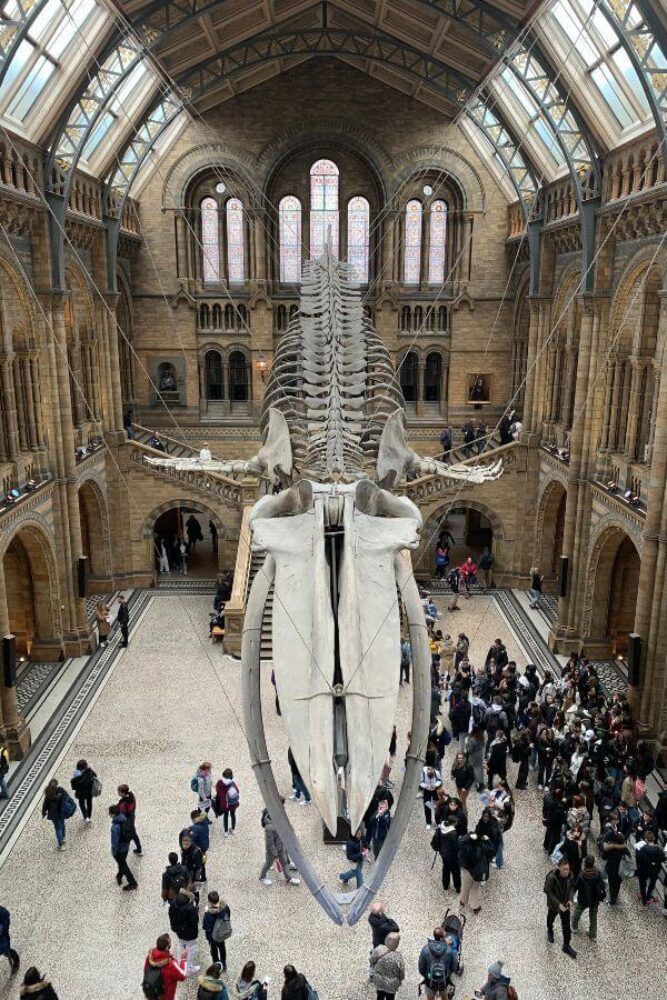
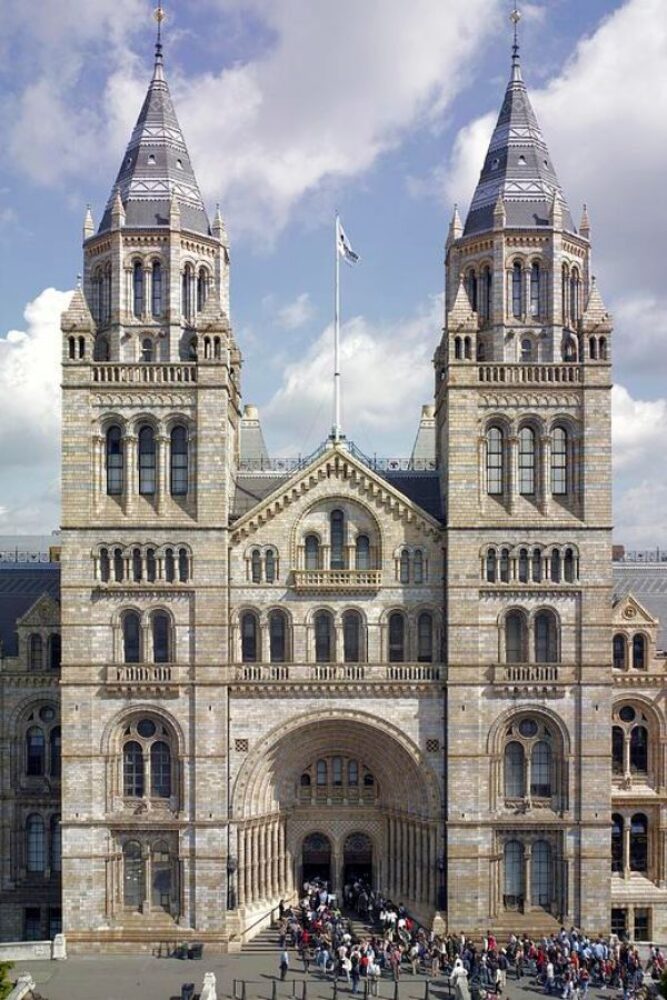
2. The Natural History Museum (NHM) - on the 18th of April 1881, the NHM opened its door to the public to enjoy a spectacular global collection of natural history. With more than 80 million natural specimens the museum’s purpose is to challenge the way people think about the natural world - its past, present and future. I often find museums as intriguing for their buildings as for their contents, and the NHM is no exception. Built of terracotta, the museum is a grand Victorian building in the Romanesque style. Like those other giants of 19th Century architecture - the great railway stations - the NHM resembles a cathedral: a glorious concoction of space, arches, sweeping staircases, and stained glass windows. The centre piece of the NHM is the Hintze Hall with a blue whale skeleton suspended from the ceiling as a reminder of humanity's responsibility to protect our planet (there used to be a dinosaur here - but if you haven't heard, these are now extinct!)
3. London's West End and sporting events - when it comes to culture and sport, London is difficult to beat. London's West End has the ultimate choice of long-running musicals and the newest shows. It is possible to buy discounted theatre tickets last minute, but these are unlikely to be for the best shows and/or have good seats. In terms of sport, London is home to numerous national sporting grounds - Wembley Stadium, Twickenham Stadium, The Oval, Lords, and of course Wimbledon. In addition there are many topflight football clubs. Generally, tickets need to be purchased at the time of release, unless you are willing to pay well over the odds for resale tickets.
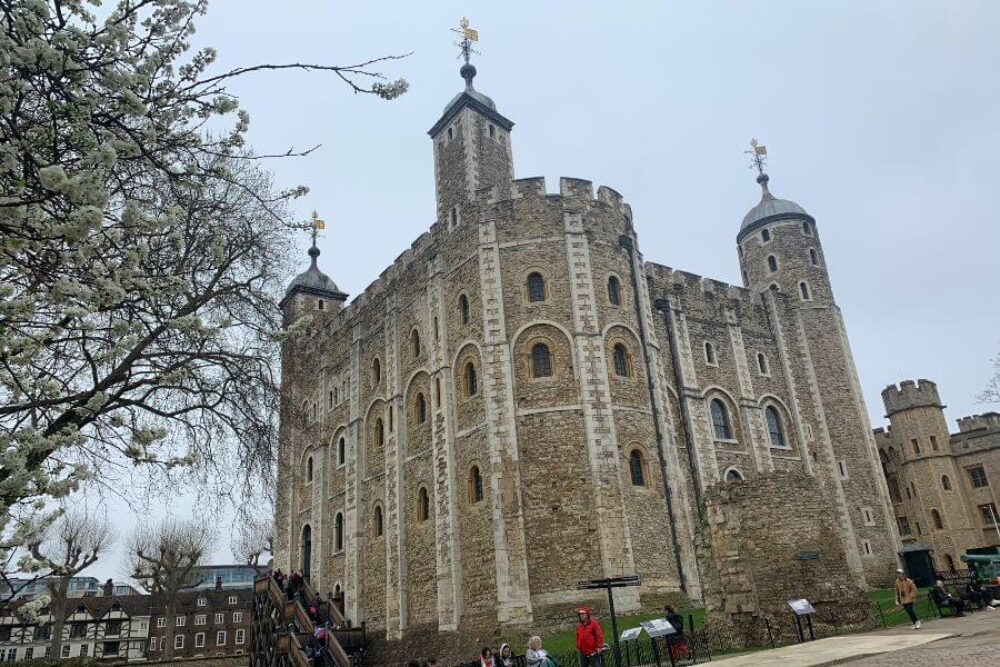
4. The Tower of London - the Tower is an internationally famous monument and one of England’s most iconic structures. William the Conqueror built the White Tower in 1066 as a demonstration of Norman power, siting it strategically on the River Thames to act as both fortress and gateway to the capital. As a Royal Palace, fortress, prison, place of execution, arsenal, Royal Mint, Royal Zoo, and jewel house, the tower has witnessed many great events in British history.
5. The London Dungeon and/or the London Bridge Experience - set underground, both of these experiences are great fun using theatrical actors, special effects, stages, and scenes to guide you through the dark side of London's history. The London Dungeon is a more complete experience, whereas the London Bridge Experience has been referred to as the scariest attraction in town. We visited both.





Numbers 6-10
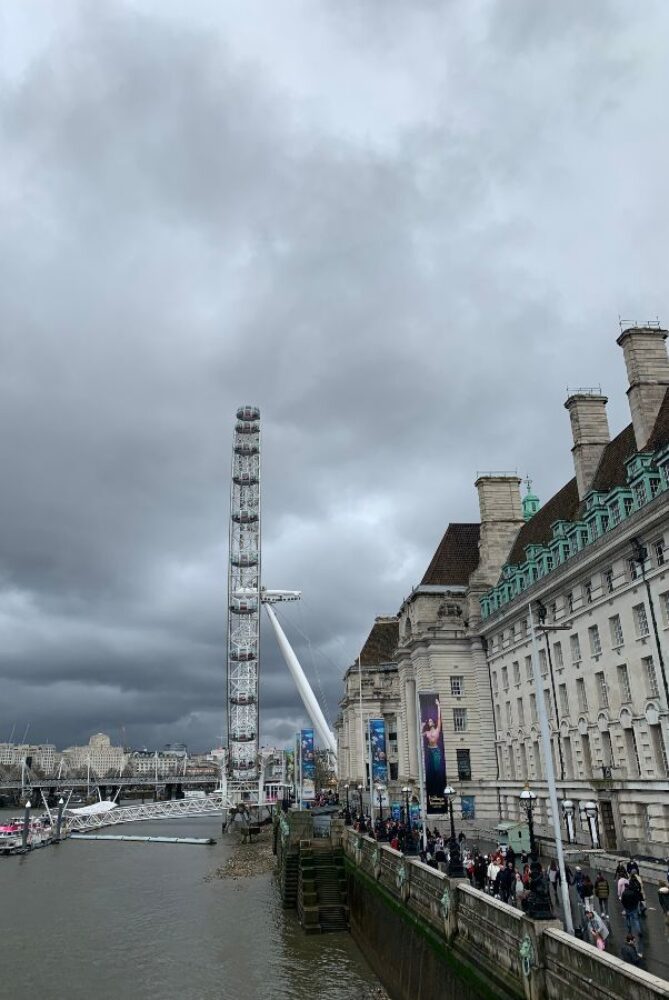
6. The London Eye - Europe's tallest cantilevered Ferris Wheel, standing at 443 feet (135 meters) high, offers impeccable views of Big Ben, St. Paul’s Cathedral, Buckingham Palace, and other key landmarks during a 30-minute ride. It is advisable to get fast-track tickets.
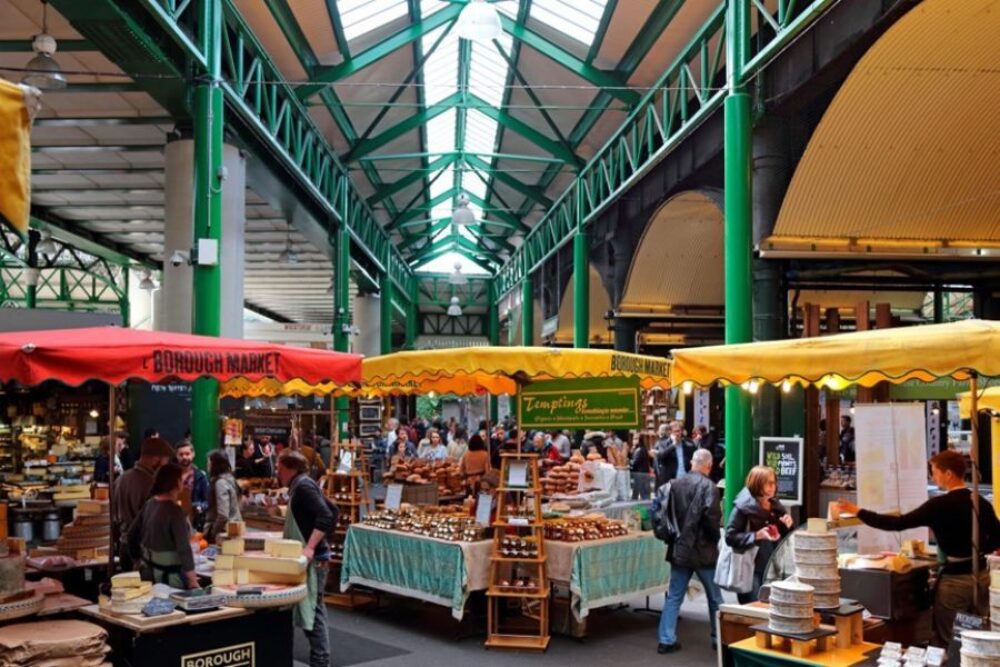
7. Westminster Bridge and around - on the north side of the bridge is found Big Ben, The Houses of Parliament and Westminster Abbey. Crossing over the bridge and taking a left brings you to the London's Southbank, a dynamic area at the heart of London’s cultural scene that includes the Tate Modern and street entertainers. Walk a little further and you will come to the best place to eat ... Borough Market.
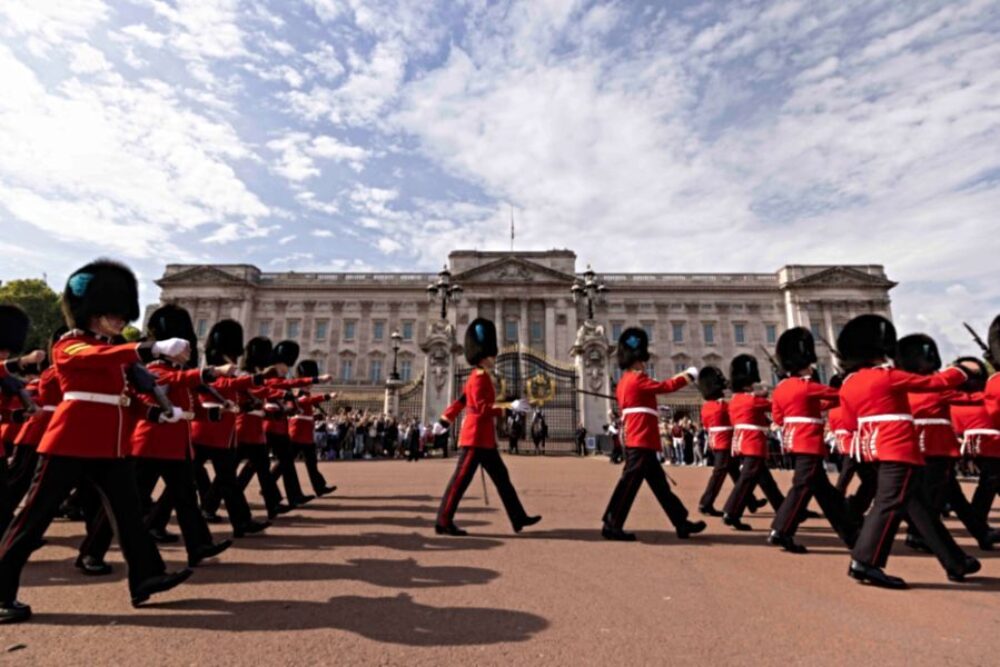
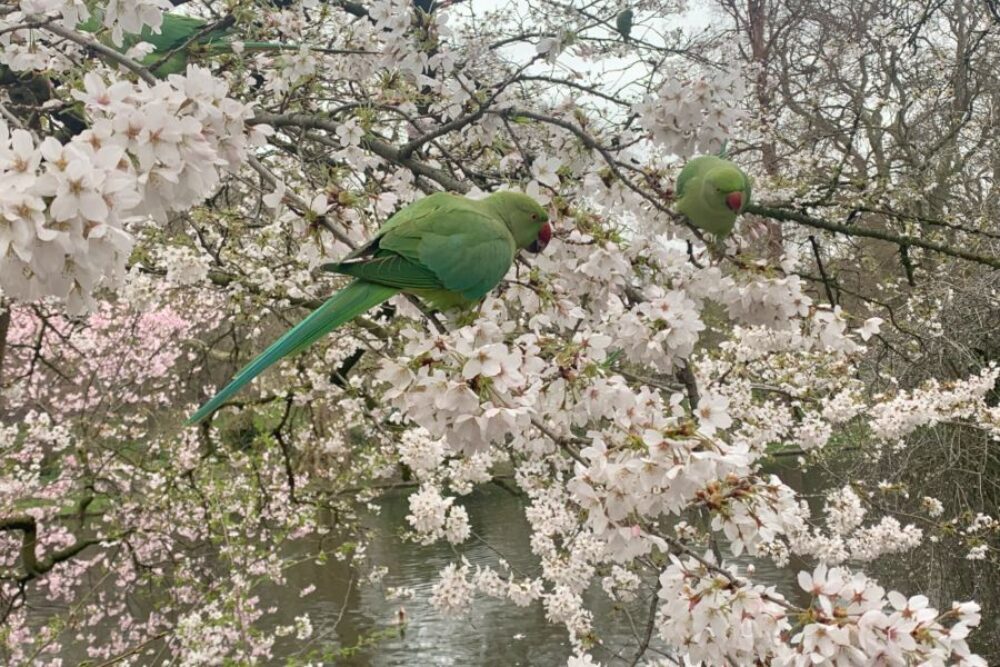
8. See Buckingham Palace and take a stroll through Green Park - Buckingham Palace is recognised around the world as the home of the monarch, the focus of national and royal celebrations, as well as the backdrop to the regular Changing the Guard ceremonies. London has eight Royal Parks, Green Park is located next to the Palace, and like many of the other London parks is now home to a growing population of wild exotic parakeets.
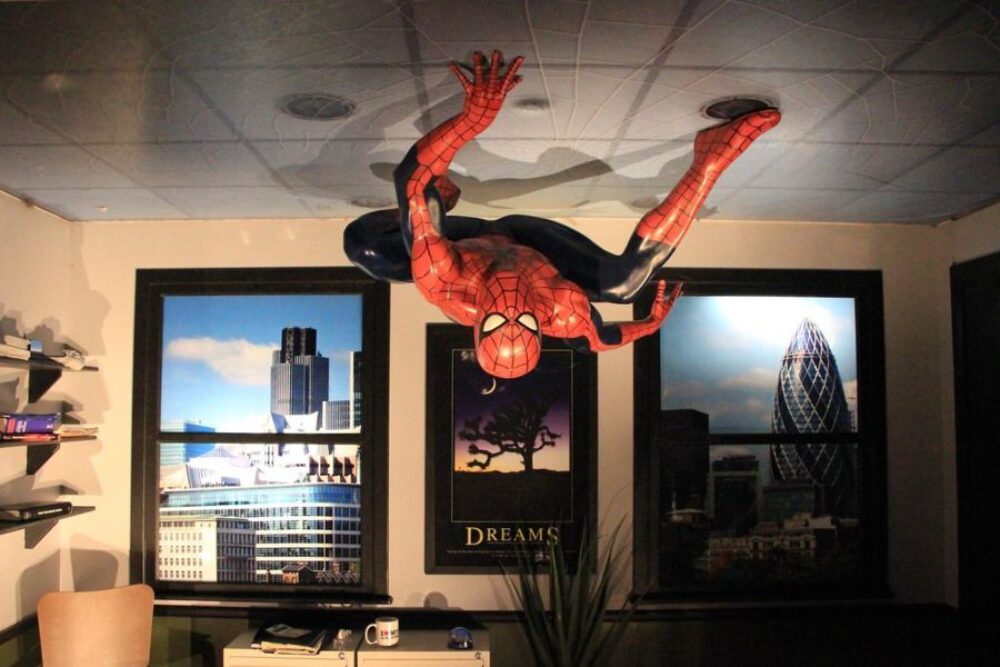
9. Madame Tussauds - still one of London's favourite's, Madame Tussauds is a wax museum founded in 1835 by French wax sculptor Marie Tussaud. Get up-close-and-personal to some 200 famous lifelike wax figures that are on display.
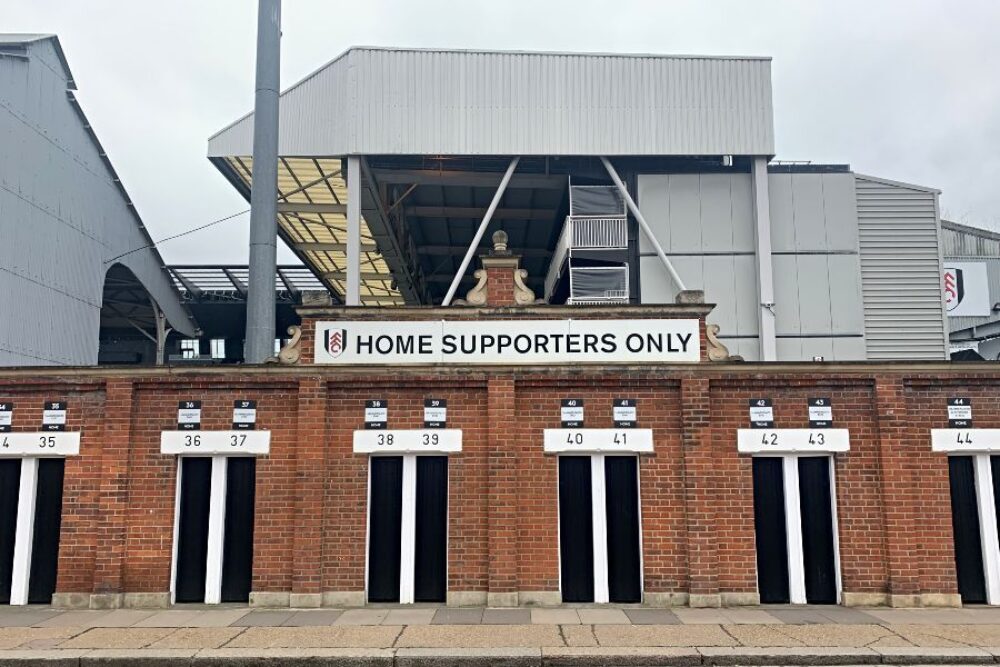
10. Off the beaten path - there are so many interesting areas to explore. Whether it is Camden Town, famed for its market, a warren of fashion and curiosities, Notting Hill with its iconic pastel-coloured houses and thriving market, or as Jacob (my son) and I did, a wander around some of the London's football grounds such as Craven Cottage next to the River Thames .... simply hop on an underground and explore.


You've only dipped your toes in the water
My top 10 is just the tip of the iceberg, as there is so much more to see and do .... London Zoo, St Paul's Cathedral, Covent Gardens, Kew Gardens, Primrose Hill, the Science Museum, Battersea Power Station, art galleries, a trip on the River Thames, some serious plane spotting at Heathrow, and of course a little farther away (20 miles) is the Harry Potter studio, the latter needing to be booked well in advance.