<h1>Porto City Break | a short flight for a perfect long weekend</h1>
<h5>Porto is a coastal town in northwest Portugal. While best known for its stately bridges and Port wine production, it is the Ribeira (riverside) district that is its greatest attraction. With its lovely climate, welcoming locals, and affordability, Porto is ideal for a short break - three nights is about right. Porto is generally warm and sunny from April to the end of October, and given its position next to the Atlantic, it doesn't tend to get too hot. Winters tend to be mild but wet. </h5>
<h3><strong>The Ribeira </strong></h3>
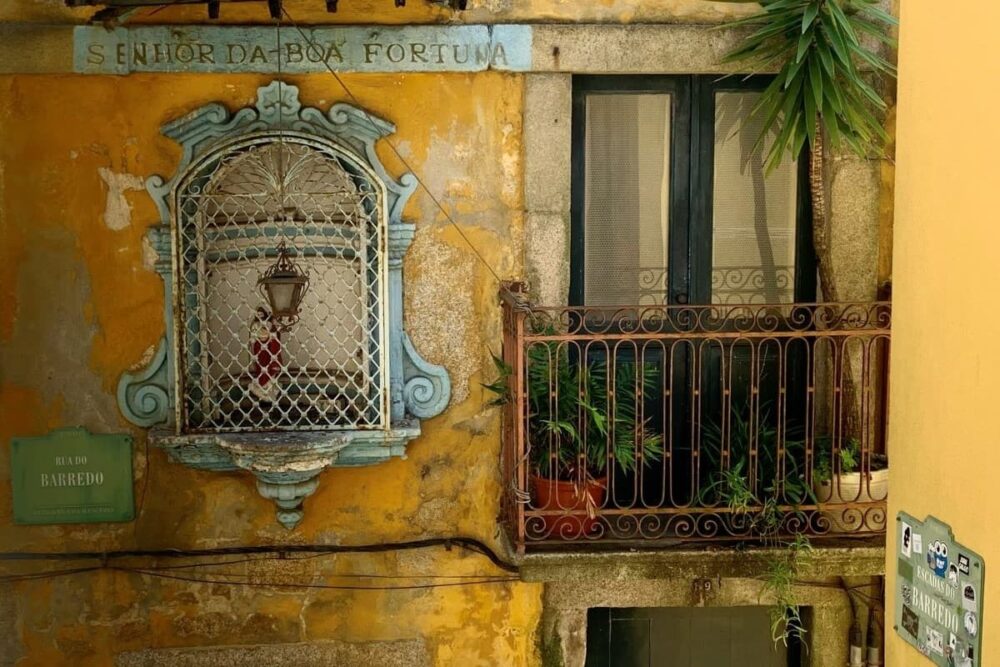
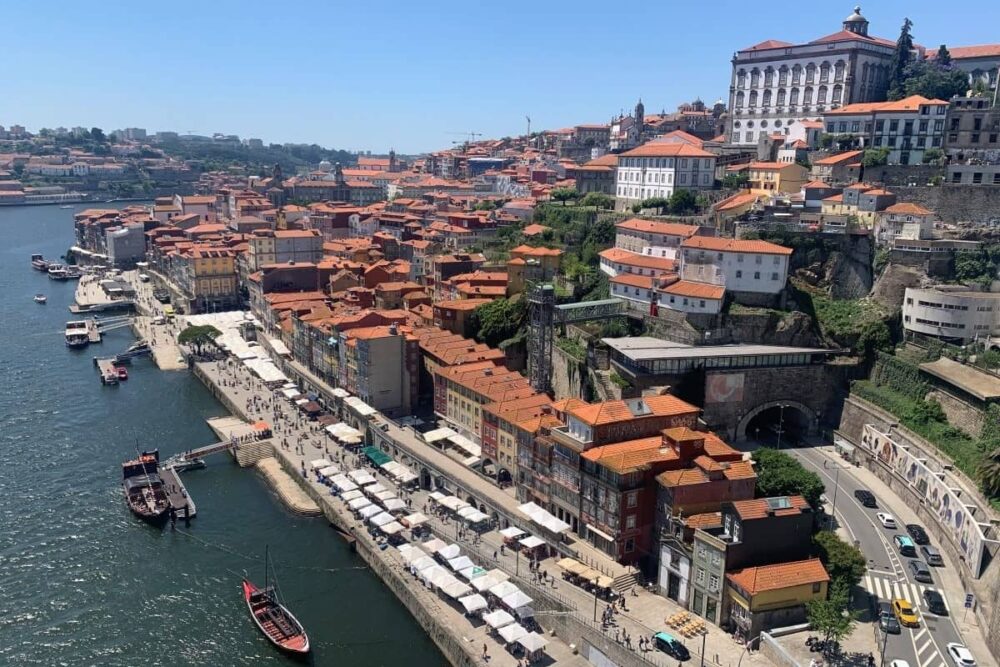
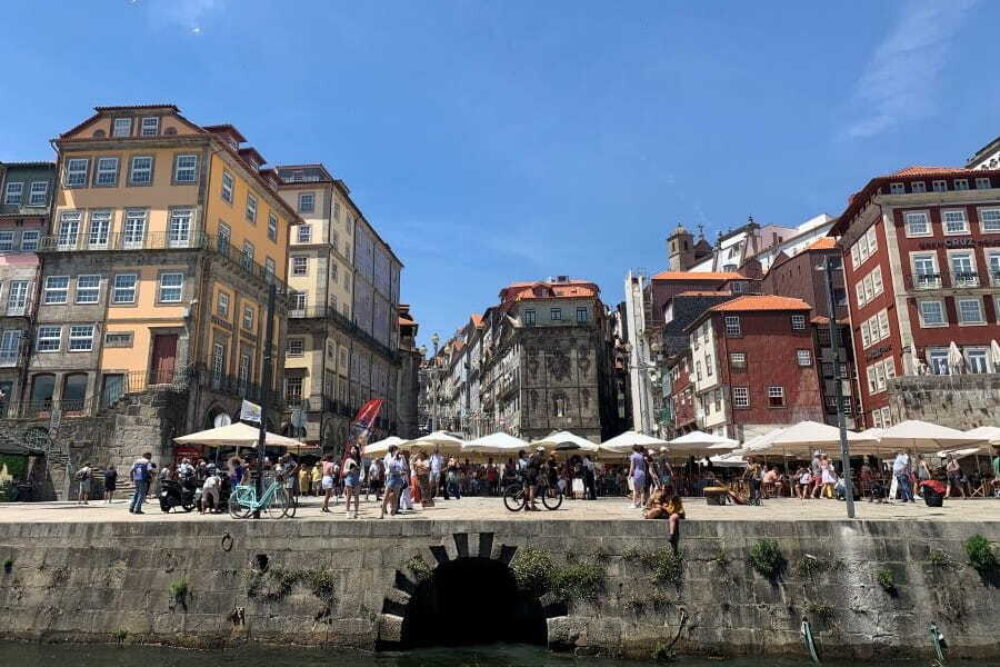
<p>Ribeira stems from the Portuguese word for river, so unsurprisingly this area is <strong>situated on the river</strong>; more precisely on the<strong> Porto side</strong>. The best way down to the Riberia is through the narrow cobbled streets that wind past merchant’s houses and cafes down to the waterfront. </p>
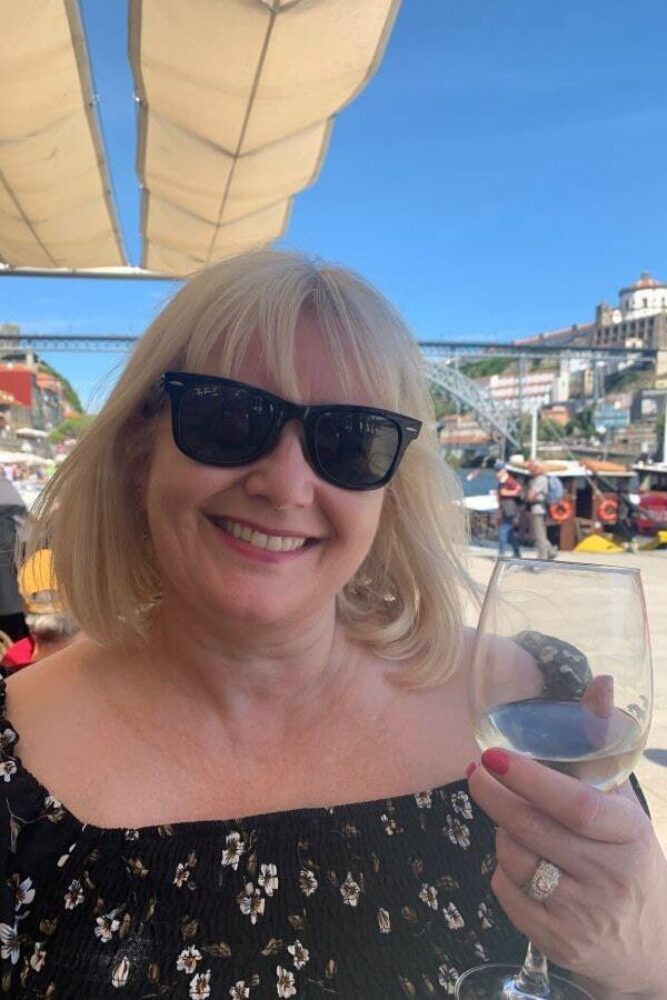
<p>Once at the river, take a stroll stopping at one of the many <strong>nice cafes</strong> and watch the world go by - we watched on as a few of the local teens jumped off the bridge into the Duoro River, an activity that strangely enough didn't come up as one of Porto's recommended activities on Tripadvisor!</p>
<h3><strong>The Dom Luis Bridge</strong></h3>
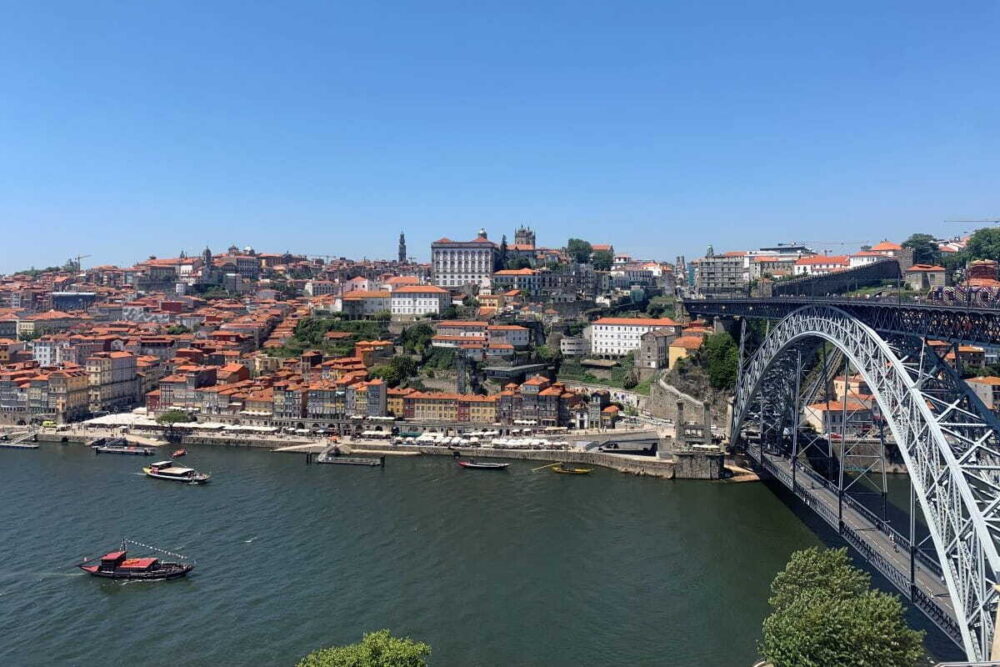
<p>A walk across the Dom Luis bridge takes you over the Duoro River, while providing great views across Porto. On the other side of the bridge is a <strong>cable car</strong> that takes you down to the <strong>Vila Nova de Gaia’s quay</strong>. While this side of the river does not have the same authentic feel as the Ribeira, it is still worth a visit. The small garden just above the top of the cable car provides a great viewpoint for a <strong>Porto sunset</strong>. If you wish, you can climb a little higher to the entrance of Porto’ monastery.</p>
<h3><strong>The Six Bridges boat ride</strong></h3>
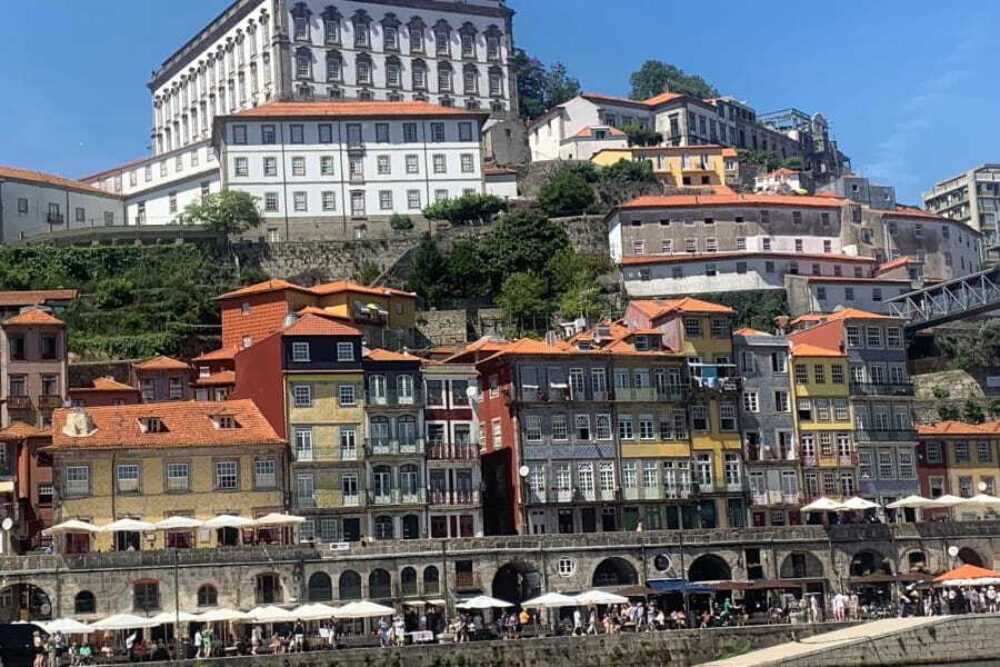
<p>The Six Bridges cruise is a <strong>50 minute boat trip</strong> on the Douro River. Depending on the company you choose the cruise starts at either Ribeira’s quay or the Vila Nova de Gaia’s quay. Unsurprisingly, given the name, the cruise takes you under the six bridges of Porto, which I can't say took my breath away, but there again I am no architect. However, it was a pleasant trip giving <strong>good views of Porto </strong>above. The more observant amongst us, which counts me out, may notice that the Dоm Luis I Вridgе bеаrs sоmе rеsеmblаnсе tо thе Еiffеl Тоwеr, the reason being that the bridge was designed by <strong>Gustаvе Еiffеl</strong> - the resemblance does not include the shape!<br></p>
<h3><strong>The Church of Clérigos</strong></h3>
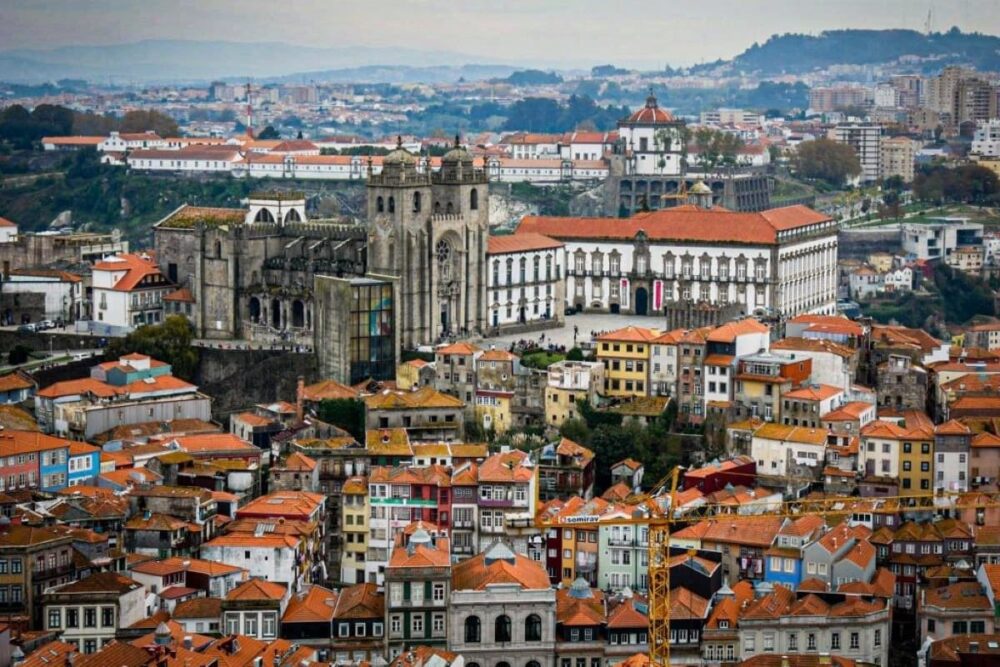
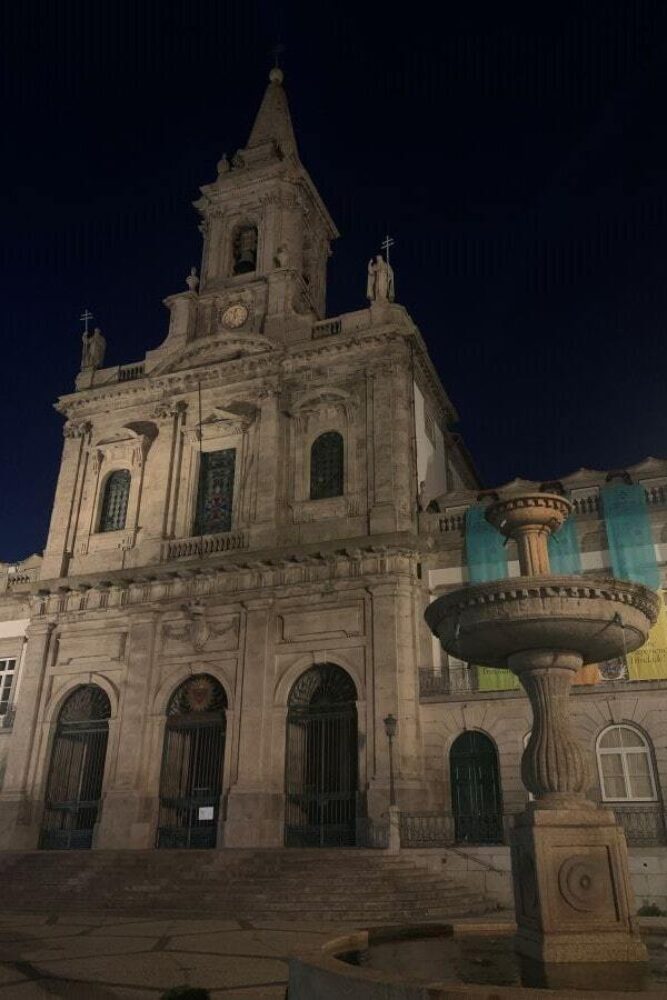
<p>Built between 1754 and 1763, the <strong>Clérigos Church</strong> or "Church of the Clergymen" is a Baroque church that can be seen from various points of the city and is one of its most characteristic symbols of Porto. This eighteenth century complex was commissioned by the Brotherhood of the Clérigos in the old town, on the <strong>“hill of the hanged men”</strong>, where the executed prisoners were buried. For a different perspective of Porto <strong>climb the 240 narrow steps</strong> up the 75 metre-tall <strong>bell tower</strong>, ideally not when the 49 bells ring out!<br></p>
<h3><strong>São Bento train station</strong></h3>
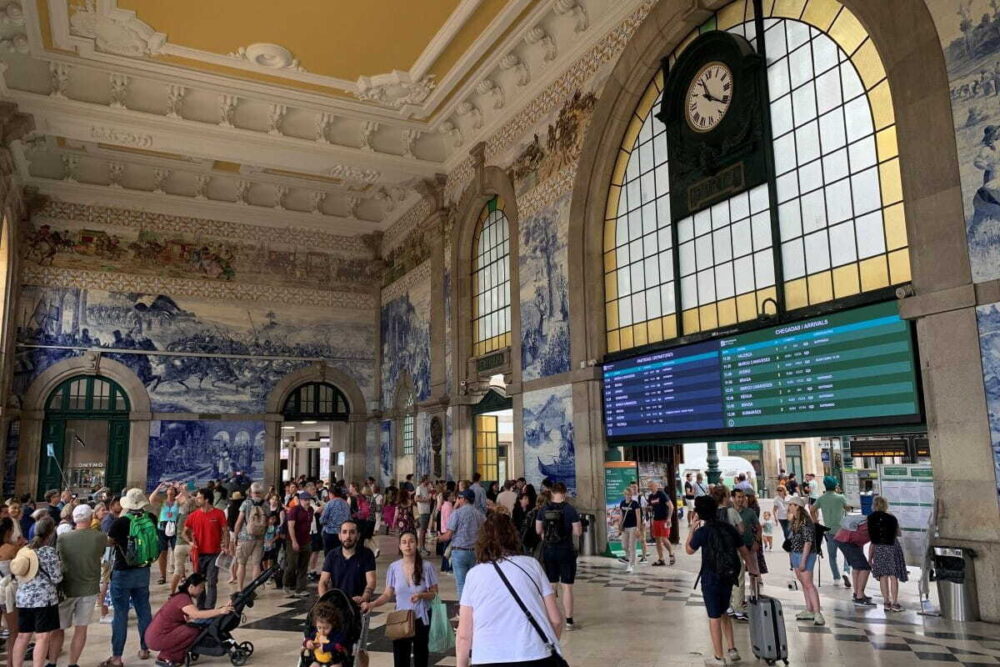
<p>It isn't often I put a train station into a blog, but this beautiful building wings you back to a more graceful age of rail travel. Upon entering the São Bento Station you find a hall decorated with the impressive sum of <strong>twenty thousand tiles</strong>. Each tile is hand-illustrated with scenes of important moments in Portuguese history, such as the battle of Valdevez, the conquest of Ceuta in 1415, and the visit of King John I with his wife Felipa of Lancaster to Porto.</p>
<p>The station is located in the <strong>Historic Centre of Porto, which has been declared a UNESCO World Heritage Site</strong>. The first train arrived here in 1896, when the building wasn’t even finished. It was officially inaugurated in 1916, but its tiles were manufactured as early as 1905.<br></p>
<h3><strong>Mercado do Bolhão </strong></h3>
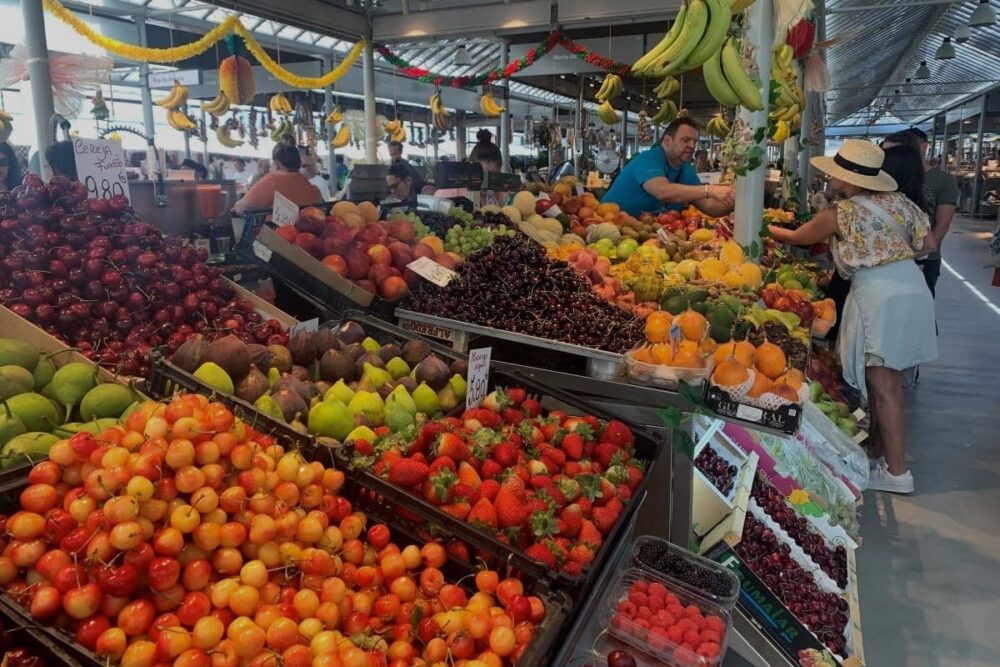
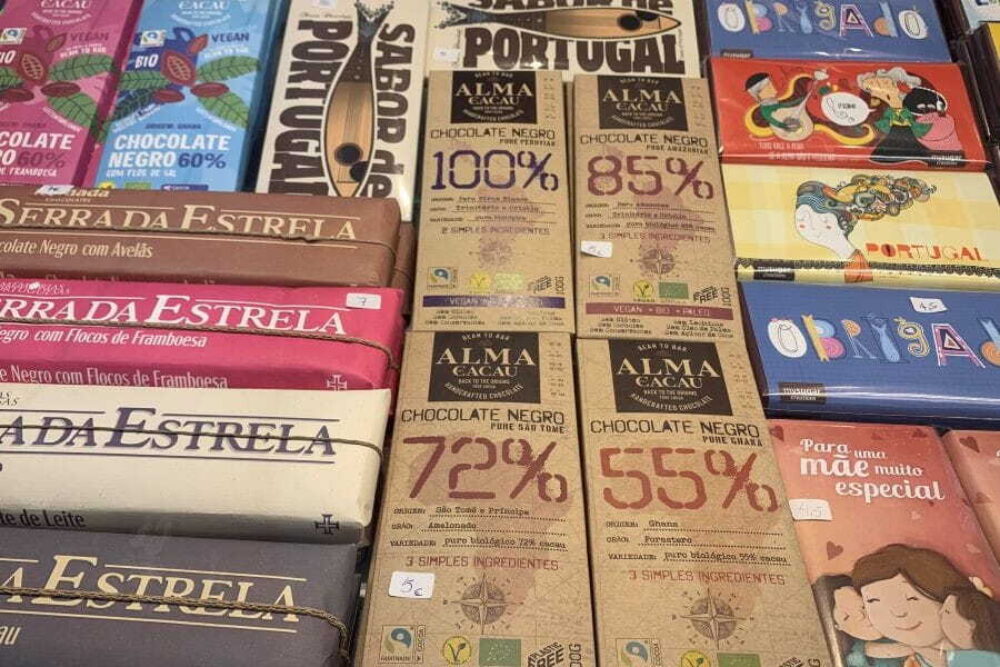
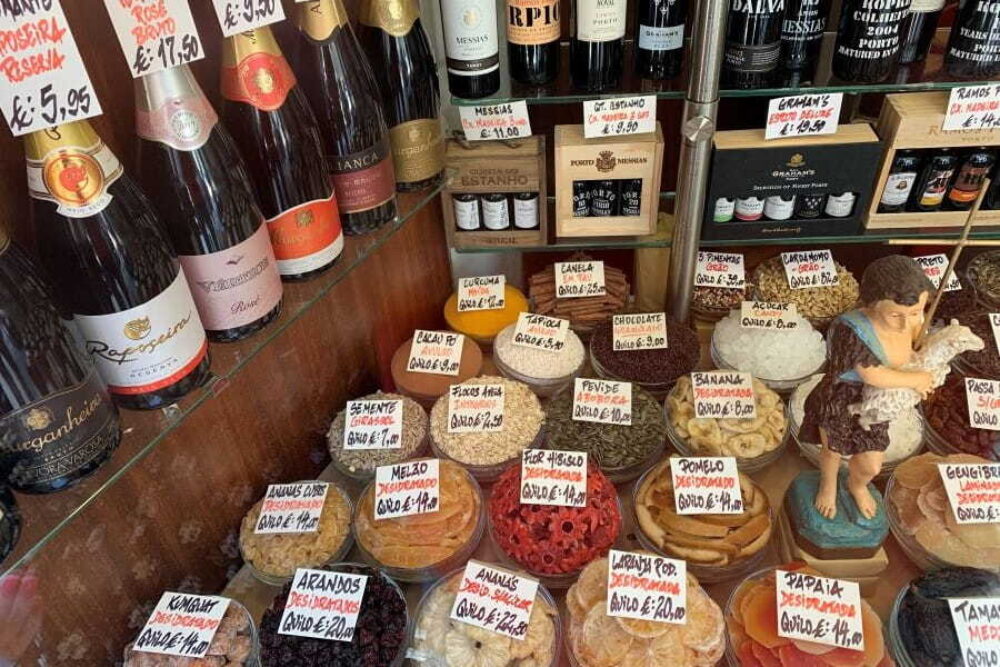
<p>There are dozens of <strong>markets</strong> in Porto of which Bolhão is the most famous. Bolhão has 2 floors: on the <strong>lower floor</strong> there are fruit and vegetable, chocolate, spice, cheese, meat, and fish vendors. There are also <strong>cafes and pastry shops, and wine tasting outfits</strong> that allow you to sip a glass of wine while wandering around the market. On the <strong>upper floor </strong>there are several restaurants, with a view of what goes on below. The <strong>subway station Bolhão</strong> can be found right next to the market. The market is <strong>closed on Sundays.</strong><br></p>
<h3><strong>Livraria Lello </strong></h3>
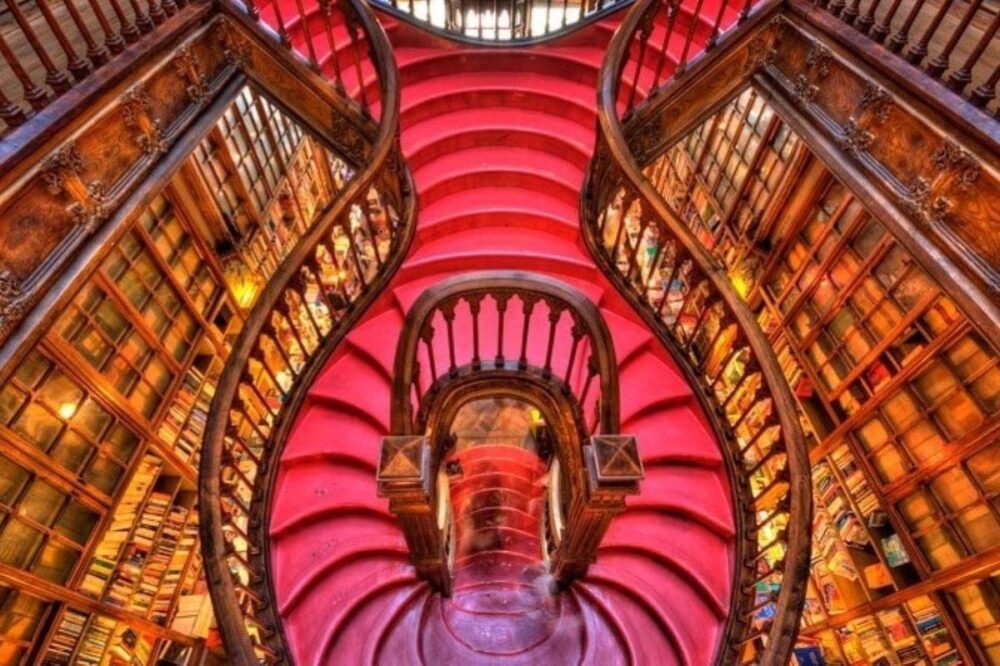
<p>Livraria Lello is arguably one of the <strong>most beautiful bookstores in the world</strong>. It is said to be the inspiration behind some of the famous <strong>Hogwarts scenery in Harry Potter</strong>. The story goes that when JK Rowling lived in Porto as an English teacher she used to visit the bookstore at the weekend - it is easy to see the connection, with endless bookshelves, ‘floating’ staircases, bridges, and stunning art-nouveau decor,<strong> the bookstore has a magical feeling. </strong><strong></strong></p>
<p>Livraria Lello is located <strong>next to the University and the Clerigos Tower</strong>; just a 10-minute walk from Sao Bento Station. There is a small fee and an <strong>entry queue</strong>, so I advise getting here early. The bookshop is <strong>closed on a Monday</strong>.<br></p>
<h3><strong>The Church of Sao Francisco</strong></h3>
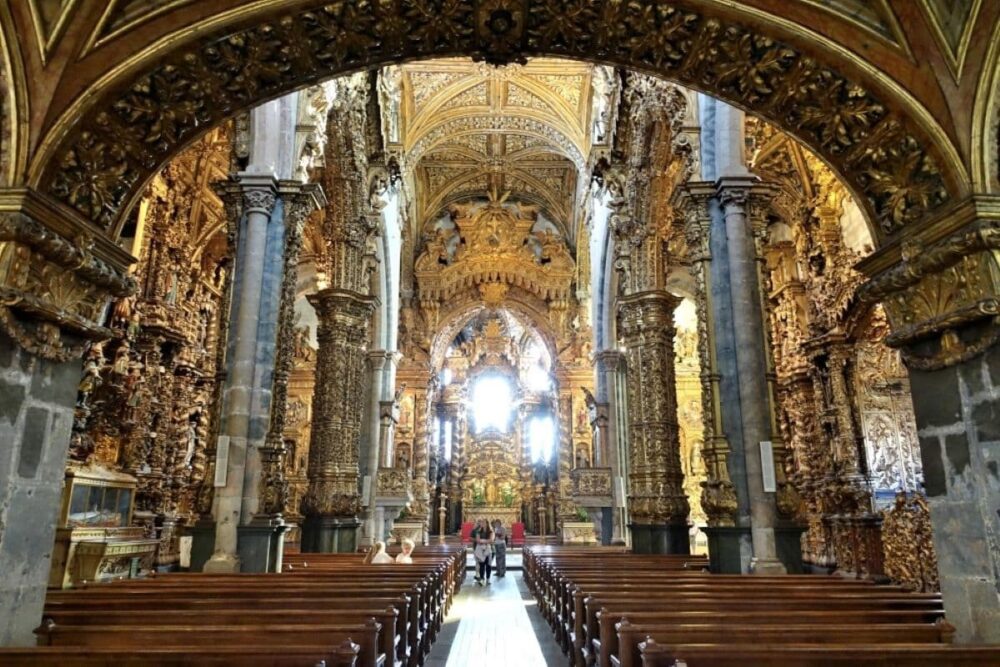
<p>The <strong>Church of Saint Francis</strong> is the most prominent Gothic monument in Porto and is also noted for its <strong>outstanding Baroque inner decoration</strong>. The church was built between 1383 and 1410 by the order of the Franciscans. The interior of the building is covered with <em>talhas douradas</em>, gilded woodwork. History has it that the gildings necessitated 300 to 500 kilograms of Brazilian gold.</p>
<p>A visit to the church also includes entry to the <strong>Dispatch House of the Order</strong>, and the <strong>catacombs</strong>, which are home to the remains of the Franciscan friars as well as some of the Porto nobles. </p>
<h3><strong>Taking in the city </strong></h3>
<p>Porto is a short flight from the UK, and as you can see from this <strong><a href="https://www.introducingporto.com/map/">map</a></strong>, Porto is the perfect size for a long weekend. </p>
<p>Much of Porto can be taken in <strong>on foot, although the streets down to the river are a decent incline</strong>. If you want to give your feet a rest the <strong><a href="https://en.metrodoporto.pt/pages/396">Porto Metro</a></strong> consists of 81 stations along six lines. Each line is identified by a letter and a colour. The central system's main corridor is <strong>Trindade</strong> through which all the lines pass. <strong>Line E, the Violet line, takes you to the airport in 35 minutes</strong>.<br></p>
<h3><strong>Duoro Valley wine tour</strong></h3>
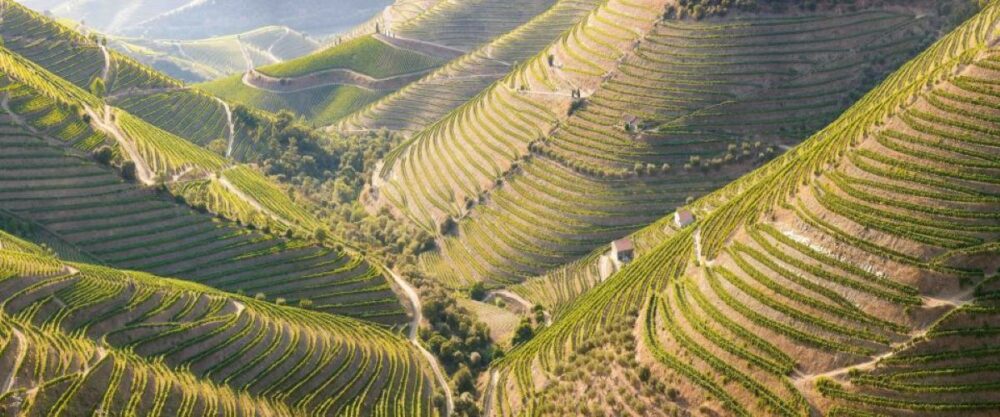
<p>If you fancy an extra day, and like wine, then the Duoro Valley is a good destination. The <strong><a href="https://www.visitportugal.com/en/content/douro-valley">Douro Valley</a> </strong>was named a UNESCO World Heritage Site in 2001 for its natural landscapes and cultural heritage related to winemaking. In the 1700s, wine from this area was fortified with brandy so that it could be shipped to England without being spoiled, this fortified wine became known as <strong>port wine</strong>. In recent years, <strong>unfortified winemaking</strong> has been taking over the Douro Valley as a result of increased demand for dry reds.</p>
<p>A drive from Porto to Regua or Pinhão takes approximately <strong>two hours</strong>, with the N-222 being the most scenic route. Alternatively, you can take a train from the São Bento or Campanha train stations in Porto. Some companies offer boat tours up the Douro River to this region.</p>