The Best of Slovenia in 10 days | the Green Heart of Europe
We explored Slovenia over a period of 10 days in June 2026. With its high density of forests, turquoise waters, high peaks, lack of litter, and the largest number of brown bears in Europe, you could be forgiven for thinking that you were in the Canadian Rockies. With over one-third of its land protected for habitat, Slovenia is rightly celebrated as the "Green Heart of Europe". For a small country, Slovenia certainly packs a punch.

A brief (very) history of Slovenia, and an interesting fact
The Slovenes are a South Slavic people with a unique language. For most of its history, Slovenia was largely controlled by the Habsburgs of Austria, who ruled the Holy Roman Empire and its successor states, the Austrian Empire and Austria-Hungary.
Slovenia became part of the Kingdom of Yugoslavia after the First World War. For the bulk of the post-World War II period Yugoslavia came under communist rule. After a brief 10-day war in June 1991, Slovenia officially became a sovereign state. It subsequently transitioned to a strong free-market economy and joined both the European Union and NATO in 2004.
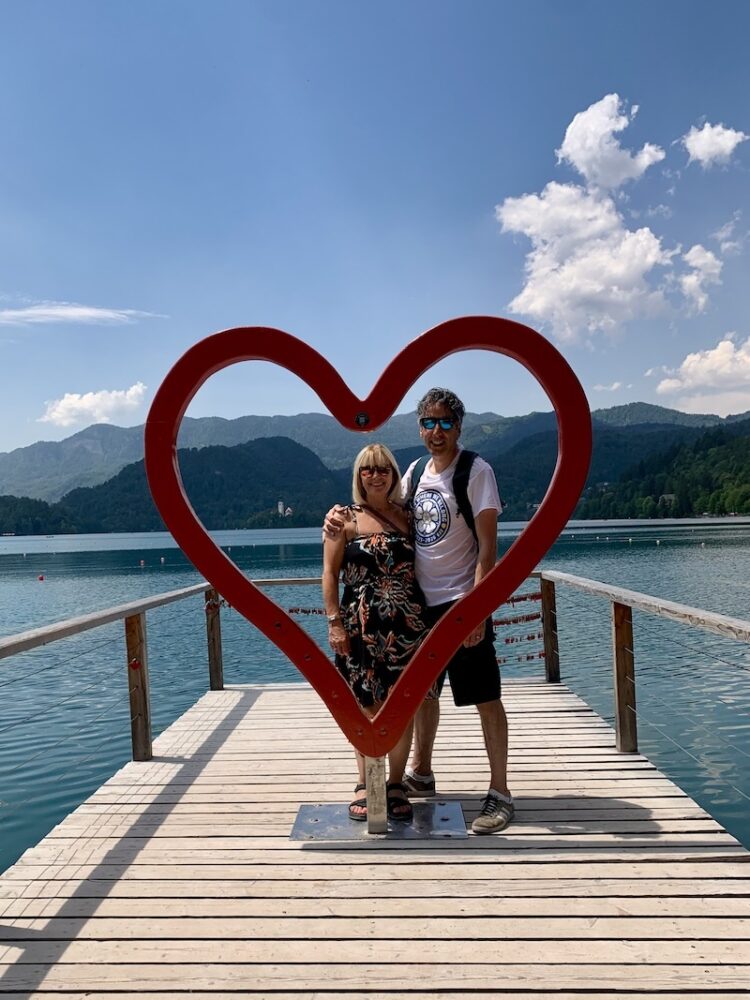
Interestingly, Slovenia is the only country in the world that literally has "love" in its name (S-love-nia).
Geography of Slovenia | planning your itinerary
Slovenia borders Croatia, Austria, Italy, and Hungary; only 47 km is coastal. Nearly 90% of the land is situated above 200 meters in altitude, making Slovenia a decidedly mountainous and hilly country.
Slovenia is small, measuring 163 km from North to South and 248 km from east to west, and the driving is easy; together this makes Slovenia very accessible. If you are driving don't forget to go online and buy your road tax.
My suggested itineraries depends on how long you have:
- A few days - stay in Ljubljana and take day trips to any of Postojna Caves, Lake Bled, or Triglav National Park
- One week - have a stay in Ljubljana (visiting Postojna Caves) and a few days in either Bled or Triglav National Park
- In 10-14 days you can easily cover the best that Slovenia has to offer - Ljubljana (visiting Postojna Caves), Piran, Lake Bled and Vintgar Gorge, and Triglav National Park
Slovenia's climate is influenced by three major influences: Alpine, continental, and Mediterranean. The best time to visit Slovenia depends on your interests. For the ideal balance of warm weather, hiking, and fewer crowds, the shoulder months of May/June and September/October are perfect. Summer (July/August) is peak season for warm lakes and coastlines, while December–March is best for skiing. We went in June amidst a European heatwave with temps up to 38 Celsius!
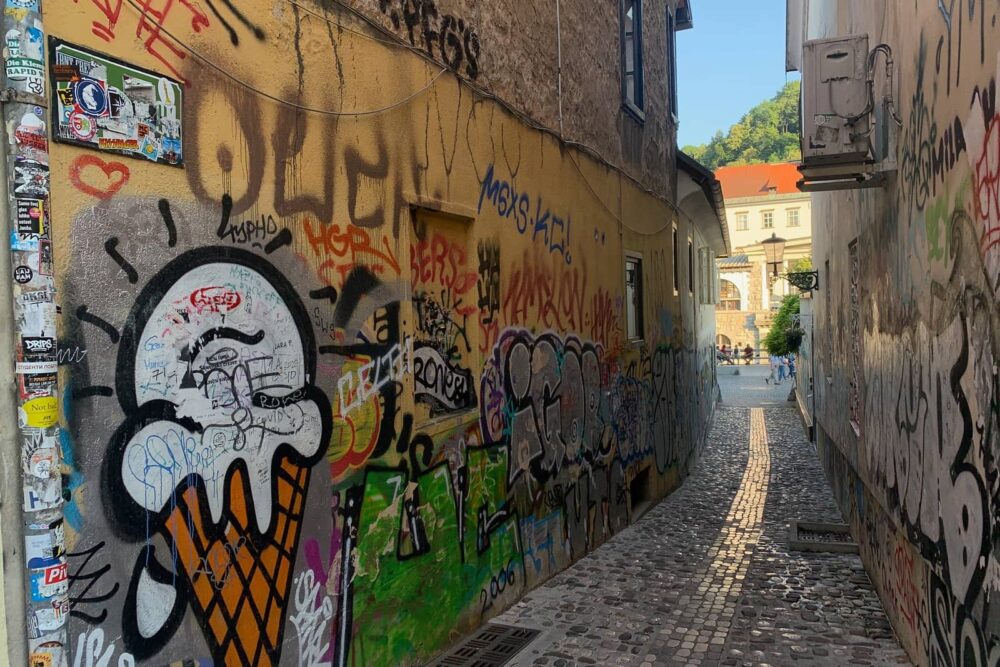
Ljubljana - even the graffiti looks pretty
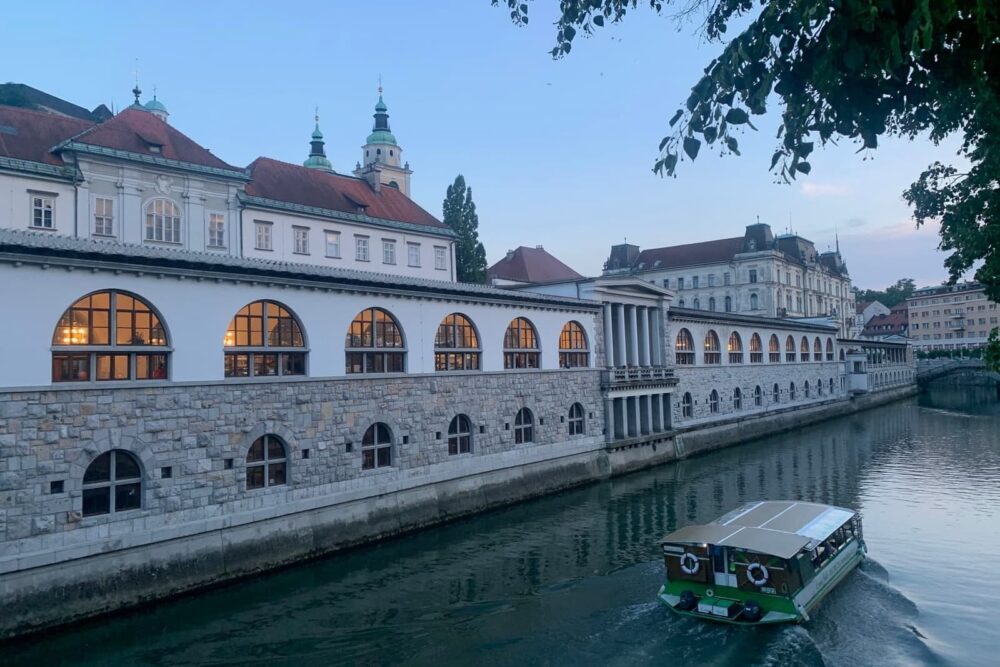
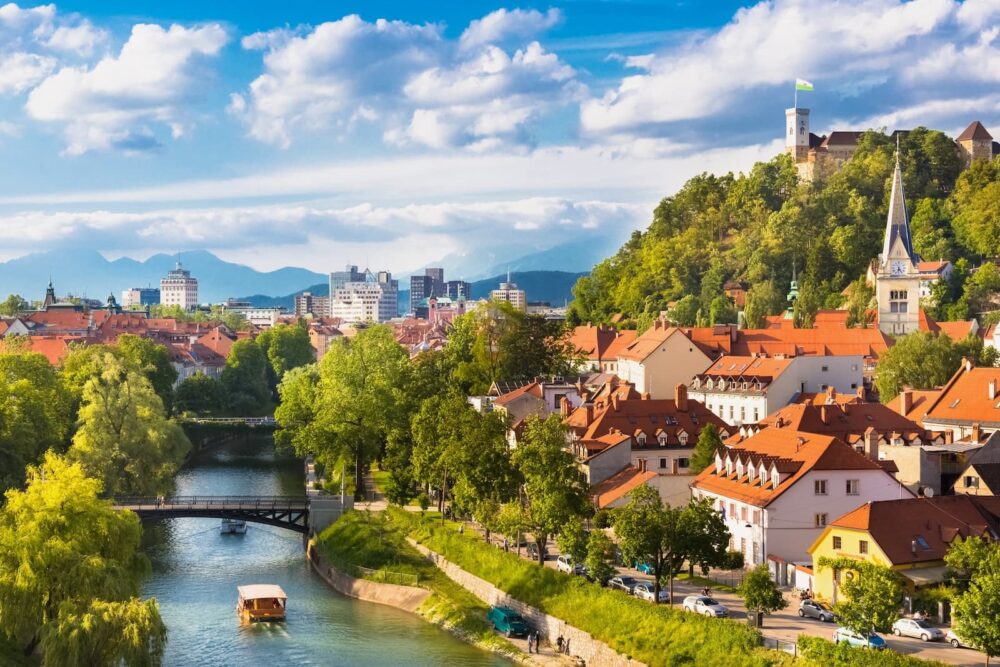
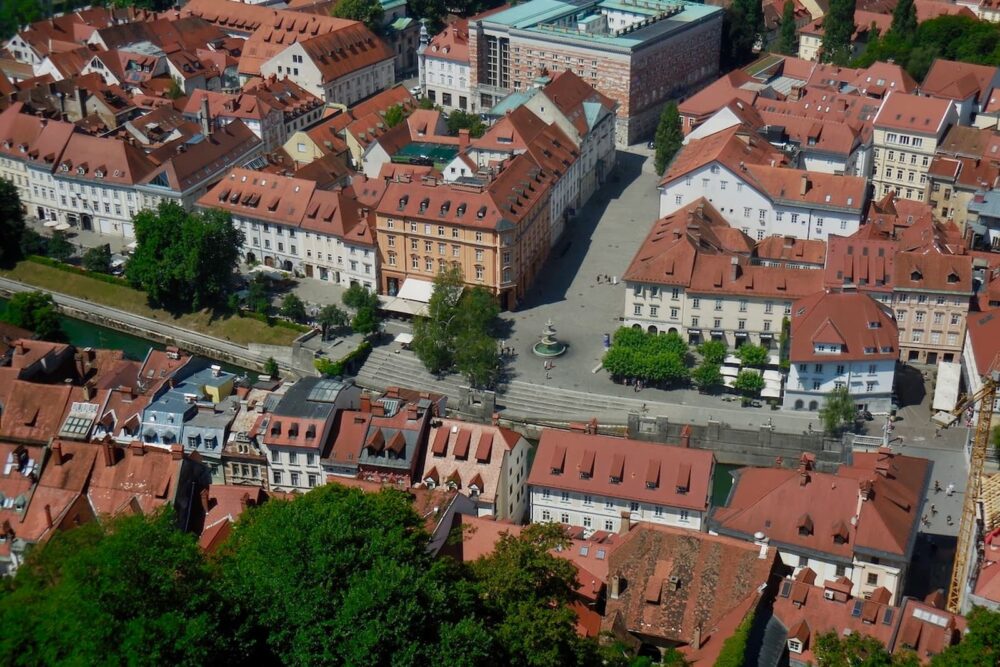
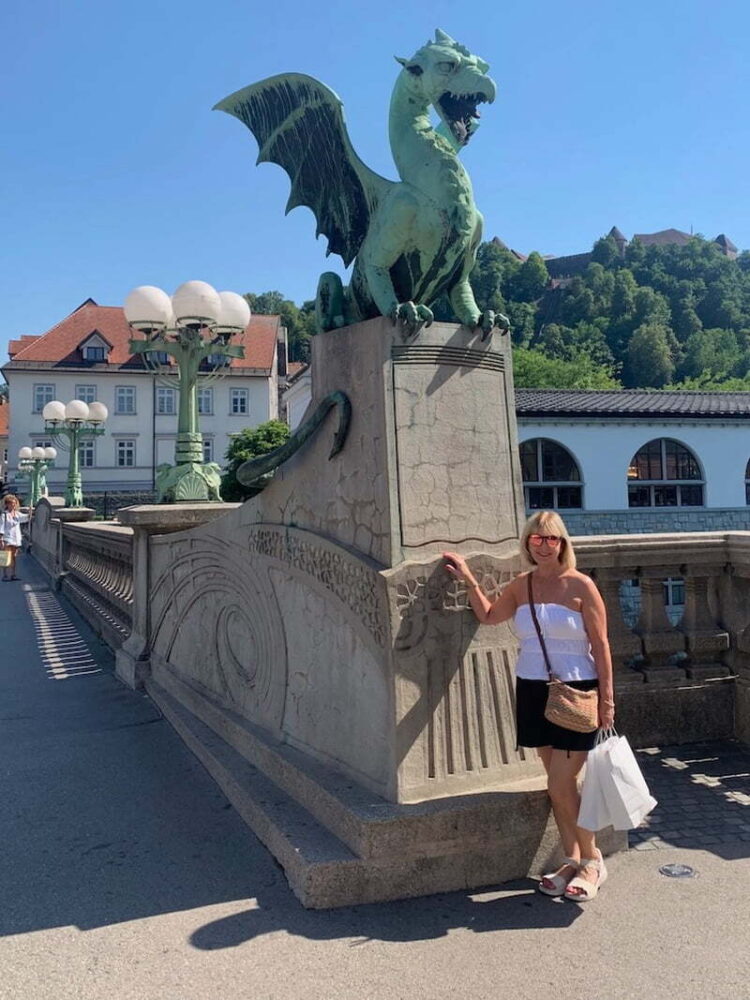
We spent three days in Ljubljana, which included a day trip to the Postojna caves. The old town of Ljubljana is beautiful; take your time and stroll along the riverbanks on both sides stopping to eat at one of the many restaurants. It is also worth exploring the shops and cafes one street back. The three most interesting bridges in the old town are Dragon’s Bridge embellished with 20 dragons, Butcher’s Bridge neatly lined with the locks of everlasting love, and Triple Bridge that leads directly off the main square.
If you are in luck you will get to eat at the Odprta Kuhna (Open Kitchen) - every sunny Friday from spring through autumn dozens of local restaurants and street vendors gather to serve a huge variety of traditional Slovenian and international dishes. The Odprta Kuhna takes place at Pogačarjev trg, the central market square near the Triple Bridge.


Summiting the castle
Crowning a 375m-high hill east of the Old Town, Ljubljana castle is an architectural mishmash, with most of it dating from the early 16th century when it was largely rebuilt after a devastating earthquake. It’s free to ramble around the castle grounds, but you’ll have to pay to visit points on interest such as the Chapel of St George and the Watchtower, the latter has one of the best city views. There are several ways to access the castle; the easiest being a 70m-long funicular that leaves from the Old Town not far from the market on Vodnikov trg.
If you want to know more about the city then I recommend the combined boat and walking tour (that can be booked though the usual sites), which lasts for less than 3 hours; this is not a large city!
Why is Ljubljana obsessed with dragons? And what about the fog?
According to local legends, the Greek hero Jason - famous for his quest for the Golden Fleece - fought and defeated a dragon in the marshes near present-day Ljubljana. Over time, the dragon became a symbol of courage, strength and protection, earning a special place in the city's identity.
Ljubljana averages 60 to 100 foggy days annually, with the vast majority occurring in late autumn and winter. From November to January, the combination of fog and clouds results in an average of only about 2 hours of sunshine per day. The fog is said to be caused by smoke rising from the nostrils of the defeated dragon. If you don't believe in dragons then an alternative explanation results from the city sitting in a natural basin surrounded by high mountains. In winter, cold air sinks into the valley while warmer air settles above it. This atmospheric "temperature inversion" traps moisture from the surrounding marshlands, creating thick, atmospheric fog.
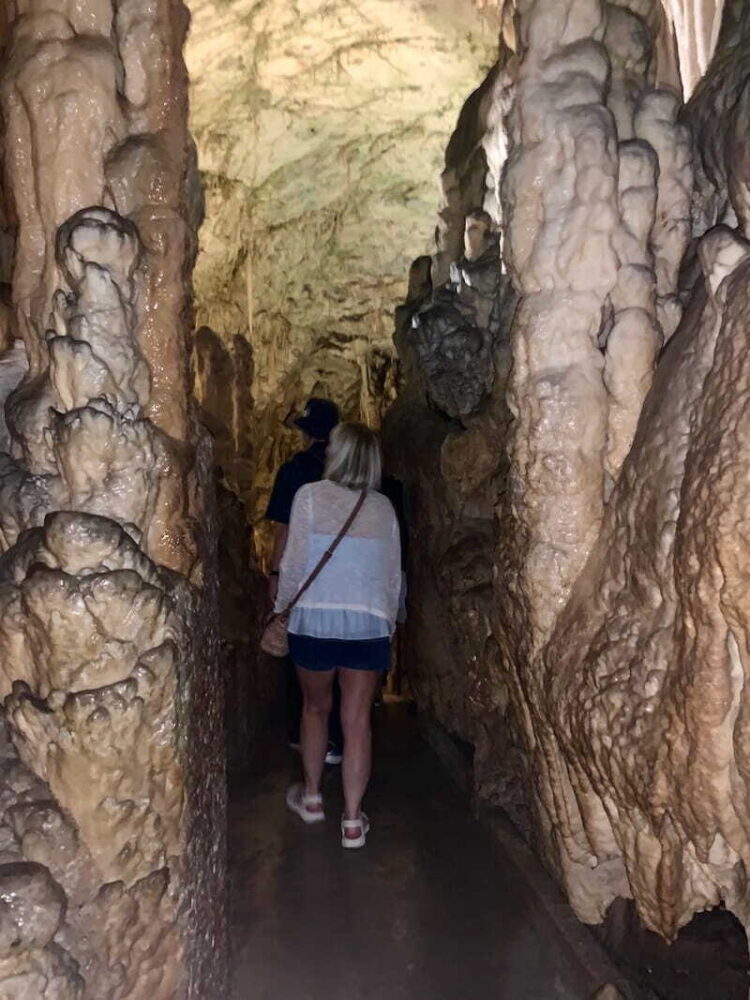
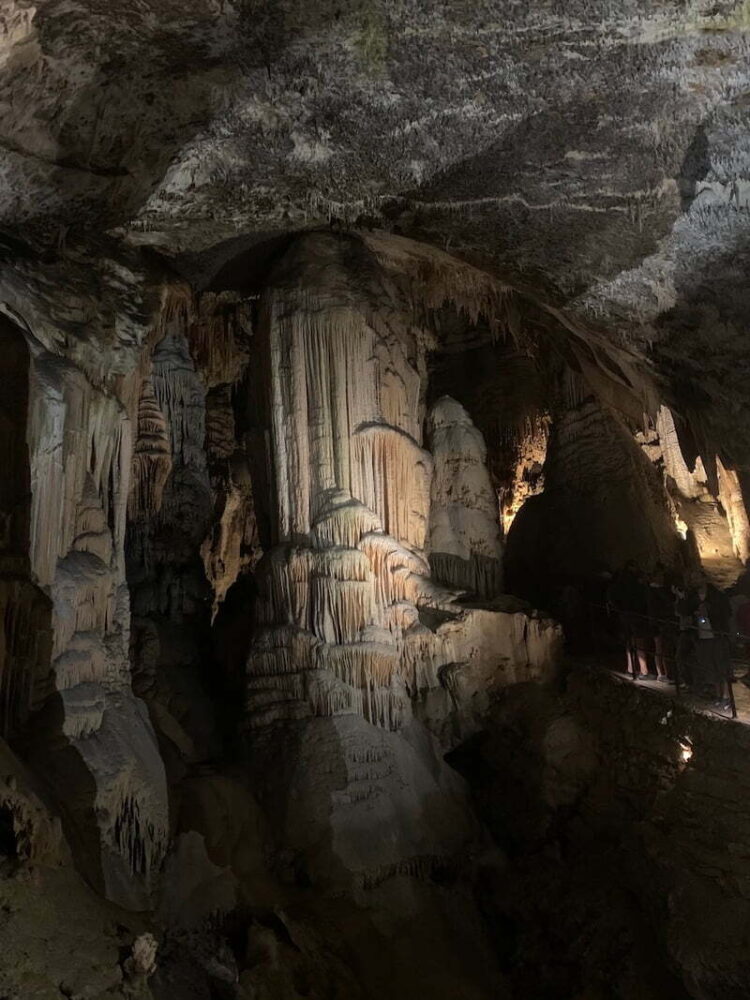
Postojna Cave - a must see, but don't forget your fleece
Located only 52 km (41 miles) from Ljubljana, Postojna Cave is a 24-kilometer-long karst marvel carved by the Pivka River. Famous for its winding subterranean train, dazzling stalactite formations, and rare "baby dragon" amphibians, it is one of the most accessible (including wheelchair) and historically rich cave systems in the world. Three of the most interesting facts about the cave are:
- The world’s first cave railway - originally installed in 1872 using human-powered pushcarts, it was upgraded to a locomotive in 1914
- "Baby dragons" - the cave ecosystem supports over 150 unique species, including the famous Olm (also known as the "human fish" or "baby dragon"). This pale, blind cave amphibian can live for over 100 years and survive for up to 12 years without food
- The underground post office - operating continuously since 1899, the cave houses the world's only underground post office. Postcards mailed from this subterranean station carry a highly unique Postojna Cave cancellation stamp
Like most top attractions book in advance, and don't forget your fleece as the temperature is 10 degrees C.
Predjama Castle and the coastal town of Piran
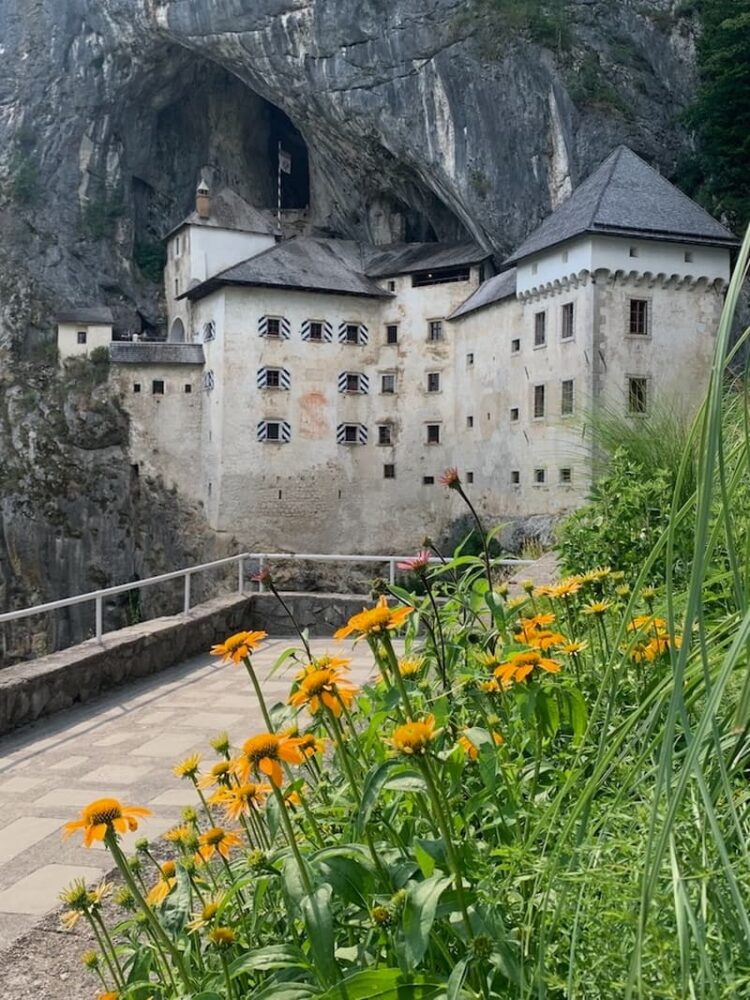
Many people purchase a combined ticket for both the Postojna Cave and castle; the castle is only 10 minutes drive away.
The castle has been perched in the middle of a 123-metre-high cliff for more than 800 years. Behind the castle is an accessible cave, which was inhabited by humans as early as the Stone Age. The main inhabitants now are a bat colony.
Unless you are a history buff, vampire, or both, you may not be overly enthused by the castle, which in my view wasn't a standout experience. An alternative plan is to view the impressive looking castle from the outside, buy a cornetto and fridge magnet, and head off to spend the rest of the day in the coastal town of Piran.
Piran sits just 75 km (47 miles) from the castle. This stunning small town, with its orange rooftops filling the tiny peninsula, take on a similar feel to some of the towns further down the coast in Croatia. For the best view of the area climb the bell tower of St. George’s Parish Church, which is located on the hill above Piran. Unlike many other blogs on t'intenet web (as they say in Yorkshire), I am not going to subject you to separate points that somehow manage to go into great detail on matters such as 'visit the square .....', 'walk the narrow streets ....... ', 'eat seafood ..... ', 'enjoy gelato.....', I think you can work this out for yourselves.

North to Lake Bled, but let's not talk cakes
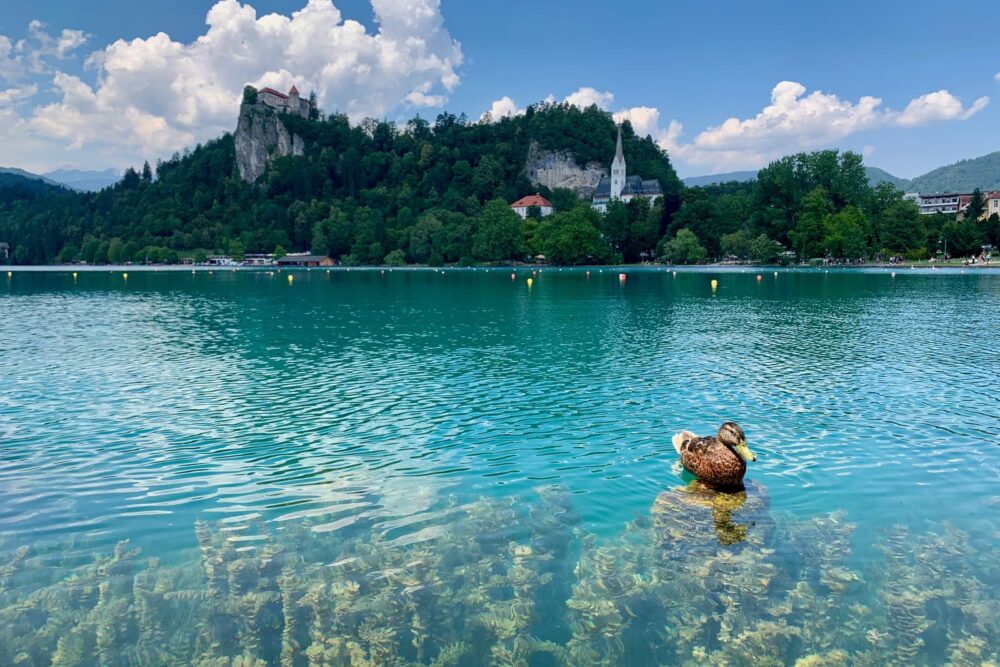
Located 54 km (46 miles ) north of Ljubljana, Lake Bled is one of the most beautiful and accessible lakes in the world with an easy 6 km (3.7 miles) well-paved lake-side walk. Most people start at Bled town and walk counterclockwise. At approximately the half-way point is the Velika Zaka bathing area, which is one of the only free bathing spots along the lake and has a great cafe / restaurant. The water here is beautiful, summer temperatures range from 22° C to 26° C.
This seems an opportune moment to talk about the elephant in the room; outside the cafe was an advert for the famous Bled Cream Cake, locally known as Blejska kremšnita. OK, it's not bad, but in 9 days, the Blejska kremšnita was about the only cake I came across in Slovenia, and I like my cake!
Short of going paragliding, for the best view from above the lake, take the Ojstrica trail, which starts in the Velia Zaka area. The start of the trial is marked across the road with small green signs on a wooden pole. This 20 minute hike affords beautiful views of the lake, island, and surrounding mountains. A little further uphill, Mala Osojnica provides an even broader lake view.
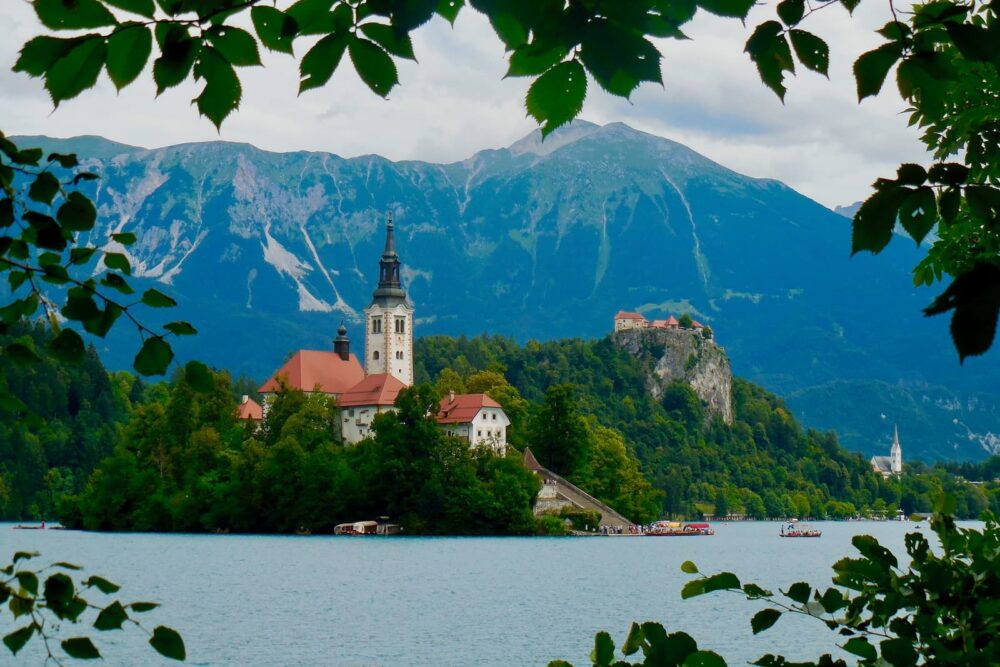
Other things around Lake Bled, including a sunset kayaking adventure
Bled Island is Slovenia's only natural island, located in the center of Lake Bled. It is famous for the pilgrimage Church of the Assumption of Mary, which features 99 stone steps and a legendary "wishing bell". Visitors can reach Bled Island by traditional wooden pletna boats or by renting a rowboat. To protect the environment you are not permitted to swim to the island, or outside of designated swimming areas, which carries a €200 municipal fine, and possibly a bang on the head; the lake is used for international rowing competitions.
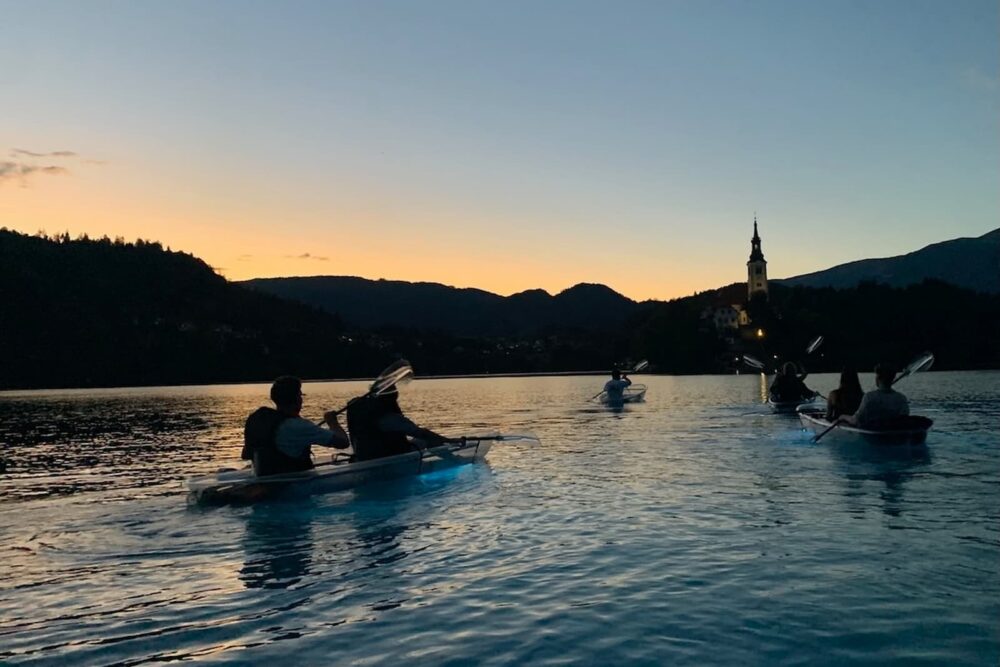
Our favourite experience was a 1.5 hour sunset kayak tour around the island in transparent kayaks. While the tour touched on history, especially Josip Broz Tito (former prime minister of Yugoslavia) who had a lavish summer residence at the lake, most of the tour was simply focused on enjoying the beautiful surroundings in peace and quiet.
Other things to do around the lake include a visit to Bled Castle, the oldest in Slovenia dating back to the 11th century, or a ride on the Straža Bled, a toboggan run overlooking the lake reaching maximum speeds of 40 km/h.

Vintgar gorge ... a funny story
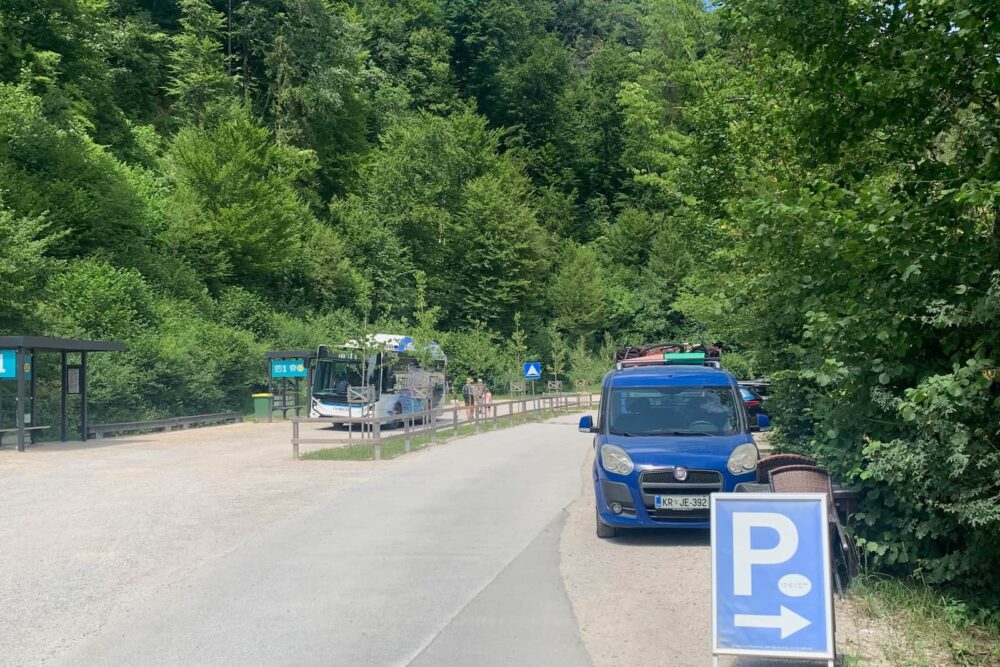
If you are waning to visit the gorge, which is only 4 km (2.5 miles) from Bled, then book ahead. We paid 30 euros online for 2 tickets, the carpark, and the 7 minute bus journey that takes you from the carpark to the start of the gorge. So, the funny story …..
We put the gorge into the sat nav and duly arrived at the carpark, where an electric bus was parked up. At the entrance to the carpark was an official looking guy wearing a yellow jacket (obviously), who asked for 10 euros for carparking, which we queried as the price was included in our ticket; we could not be arsed so paid up and parked.
As per instructions when we purchased the 30 euros ticket we got on the bus and off we went, 7 minutes later we arrived …… at the official car park! We hopped back on the bus and ended up back where we parked, which was indeed the entrance to the gorge (to be fair, not in plain sight)! Anyway, it was a nice bus journey.
Vintgar Gorge – walking the trail
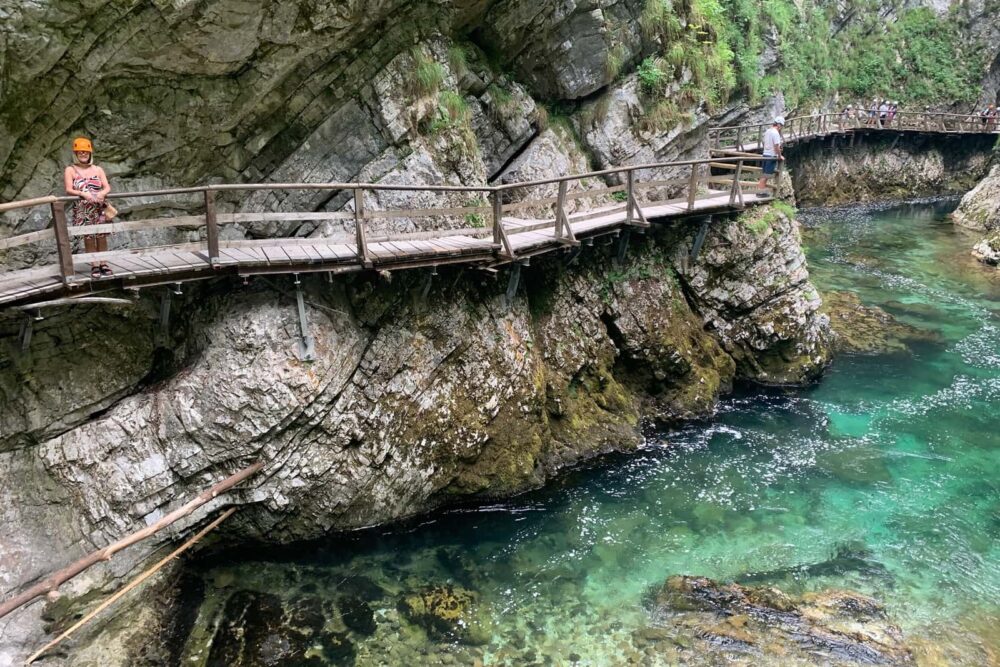
At 1600 m long and up to 250 m deep, Vintgar is the largest gorge in Slovenia. Moderate fitness is required to walk the trail as the full loop is 5.7 km (3.2 miles).
At the start of the trail you are provided with a fetching orange protective helmet, which magically seems to disappear on the reels of most ‘’influencers’’. The trail then takes you along a boardwalk over-looking the beautiful turquoise waters (image above). The walk is one-way so take your photos as you go along. At the end of the gorge is a waterfall and small cafe.
The circular hike then takes you away from the gorge and up through a forest before reaching another cafe from where you can take a private taxi. Instead, most people take the well-marked subalpine trail, with beautiful views towards Bled, which descends back to the starting point (image below). The full loop takes between 2-3 hours. Towards the end of the trial it was nice to see a considerate sign for people who have not come across a cow before!


Exploring the spectacular Triglav National Park
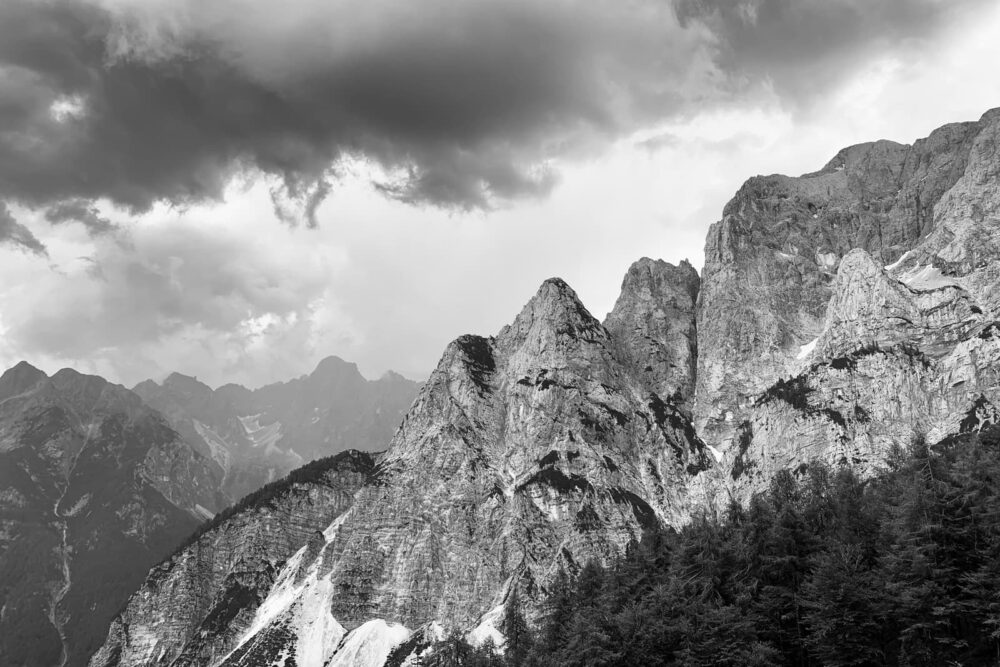
Triglav National Park encompasses the spectacular peaks of the Julian Alps. Centred around Mount Triglav (2,864m), Slovenia's only national park is a playground of glacial valleys, emerald-green rivers, and high-altitude pastures, offering some of the most stunning mountain landscapes in Europe.
If you want true solitude then stay in the Trenta Valley, which in the heart of the park offers rustic homestays and mountain apartments. Some of the best hikes in this area include:
- The Slemenova Špica trail features panoramic views of Jalovec and the Mojstrovka peaks. The 5.5 km (3.4-mile) round-trip typically takes 2-3 hours with an elevation gain of around 500 meters. The hiking trail starts at the parking lot at Ruska Cesta
- The Path of the Pagan Girl (Ajdovska deklica) is a natural rock formation and scenic hiking trail that usually begins near the Vršič Pass parking area. The trail takes 1–2 hours and leads to viewpoints where you can see a giant, mythical woman's face carved by nature into the formidable north wall of Mount Prisan
- The Peričnik waterfall trail is a short circular hike starting at the Peričnik Lodge that leads to the Upper Peričnik waterfall
- If you fancy a proper walk then the Seven Lakes Valley hike is a classic 2-to-3-day hut-to-hut route
Regardless of whether or not you go hiking, a must do is a drive along the Vršič Pass connecting Kranjska Gora to the Soča Valley via 50 thrilling, numbered hairpin bends. Open only in summer, it offers breathtaking views of the Julian Alps.
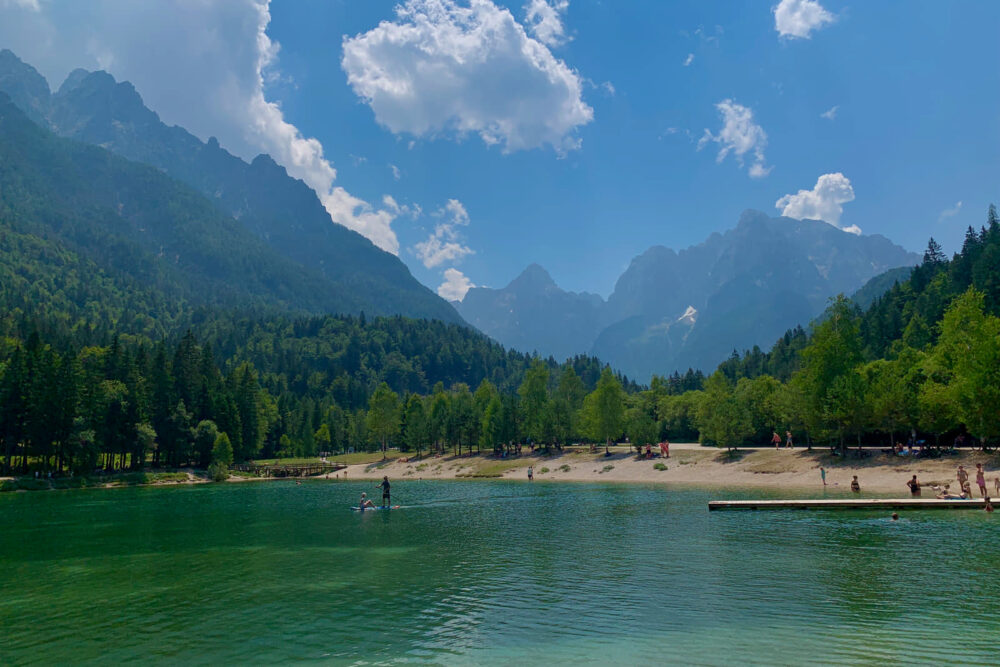
Sitting at the gateway to Triglav National Park along the Vršič Pass road, another must see is Lake Jasna. When I first visited this place 25 years ago there was nothing but nature, now there is a small resort and amenities, although in typical Slovenian style this remains a place of natural beauty. Famous for its crystal-clear turquoise waters and dramatic backdrop of the Julian Alps, Jasna is a great place to put your feet up, and even better to go for a swim ... it is a refreshing dip, but so worth it!
Other activities in Triglav National Park
Depending on your interests there are three other main areas that you can stay in the park.
Kranjska Gora is a charming alpine resort that gives great access to the park. Activities in this area include:
- a 2.2 km hike to Lake Jasna;
- a mountain bike park featuring 20 km of trail;
- the road to lake Bled offers a scenic 36 km bike ride
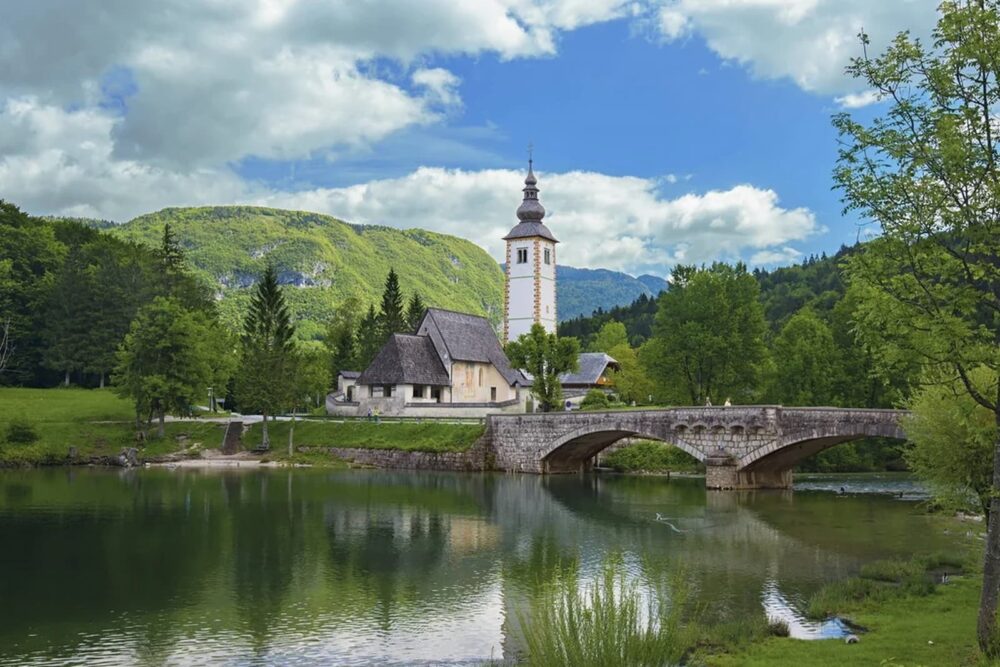
Lake Bohinj is less commercial than Lake Bled and is ideal for hiking and watersports. There are some great hiking opportunities in this area including:
- the Lake Bohinj Loop, which is an easy 12 km circuit;
- the 3.5 km hike to Slap Savica Waterfall starts from Koča pri Savici parking lot;
- the Mostnica Gorge and Voje Valley is an easy-moderate 11 km loop starting in the village of Stara Fužina;
- starting in the same village is the moderate to strenuous 8 km out-and-back tail to Mount Vogar, at the summit await panoramic views of Lake Bohinj and the Julian Alps - another option is taking the cable car to Vogel Viewpoint from where you can hike to Zadnji Vogel alpine meadow
The Soča River Valley - the main place to stay is Bovec, which offers adrenaline and river sports. Some of the main activities include:
- Kayaking, and canyoning
- Rafting offering different grades of whitewater. For exhilarating riding, rapids tend to be better in the Spring when water levels are higher
- Paragliding
- Hiking including the 25 km Soča Trail. This hike is one way; in the summer months there is a public bus that can get you back to your starting point
Wildlife
This forest mosaic and the diversity of climates explain the country’s biological richness.
The typical large fauna of Central Europe is still well present. Brown bear populations are estimated at about 900 individuals, and wolves at 40–60 individuals. The Eurasian lynx, chamois, Alpine ibex, red deer, roe deer, and wild boar complete this picture.
Given the vast expanse of forests, most of the wildlife is well-hidden; sensibly keeping well away from dangerous humans. Having said that, while driving through the Triglav National Park, we saw what we thought was a wooden statue next to the road in an open meadow. As we stopped, the ‘statue’, with its prominent yellow beak, turned its head towards us and took flight - it was remarkable to get this close to a Golden Eagle; with a huge wingspan, we were not mistaken.