US National Parks | the best for hiking, wildlife and scenery
While I have not explored all 63 of the National Parks in the USA, those that I have visited have been professionally researched in terms which are best for hiking, wildlife, and stunning scenery. The state with the most national parks is California with nine. The largest national park is Wrangell–St. Elias in Alaska, which is larger than each of the nine smallest states in the USA. The smallest park is Gateway Arch National Park, Missouri, at 91 acres (0.37 km2).
10 practicalities of visiting the national parks of the USA
1. Duration of stay - this depends on the size of the park and what there is to do. In terms of giving yourselves the best opportunity to explore a park and see wildlife, it goes without saying that for most parks, the longer your stay the better.
2. The National Park Annual Pass - this provides access to all the National Parks and a large number of other recreational areas across the USA. The pass includes entrance, standard amenity fees, and day use fees for a driver and all passengers in a personal vehicle where applicable (or up to four adults at sites that charge per person). Children aged 15 or under are admitted free. The pass is incredibly good value - at the time of writing the annual pass was $70.
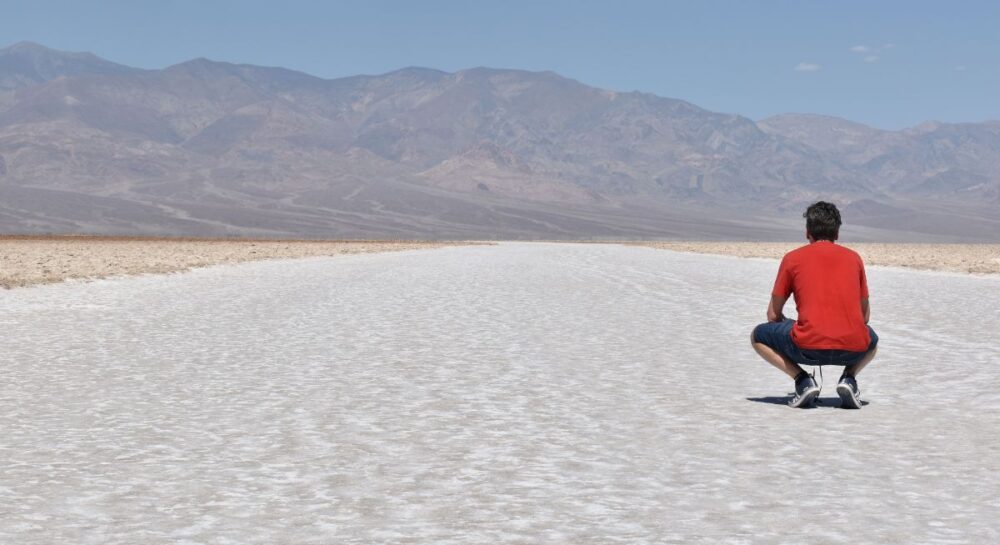
3. When to visit - if possible avoid crowds by visiting in the shoulder months. Most parks are busiest in the summer. To avoid crowds, visit in late spring or early fall. You can also avoid crowds by starting your day early and hiking at sunrise. Park geography is also important - some parks are at high elevation and largely inaccessible in winter, at the other extreme is Death Valley, which is below sea level and has summer temperatures peaking in the low 50's (Celsius!).
4. Book accommodation well in advance - during peak periods some of the popular parks need to be booked 12 months in advance.
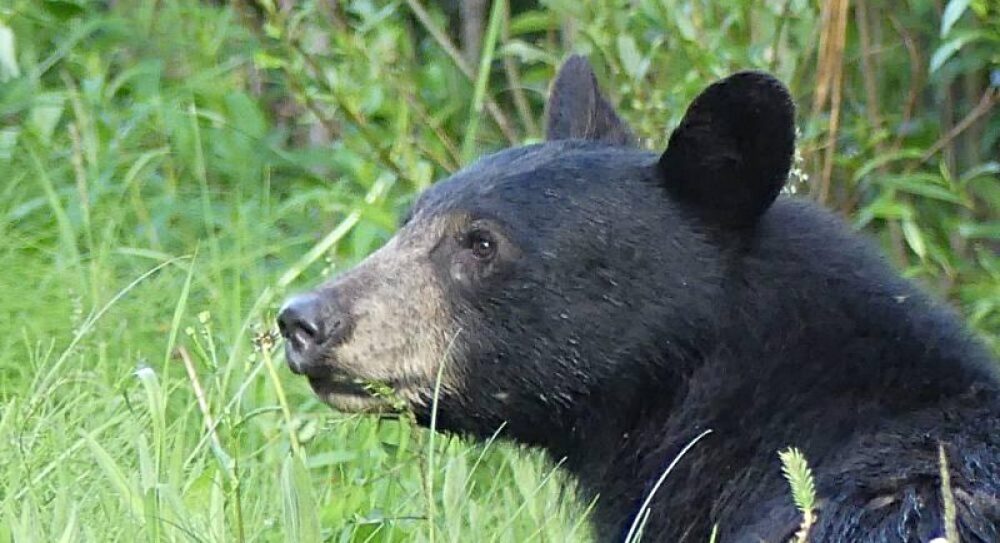
5. Camping - many of the parks have bears; so as to avoid unexpected visitors all rules must be followed. Also take note of the climate. For example, Yellowstone NP is at 7000 feet, even in the height of summer when it can be hot in the day, overnight temperatures can be sub-zero.
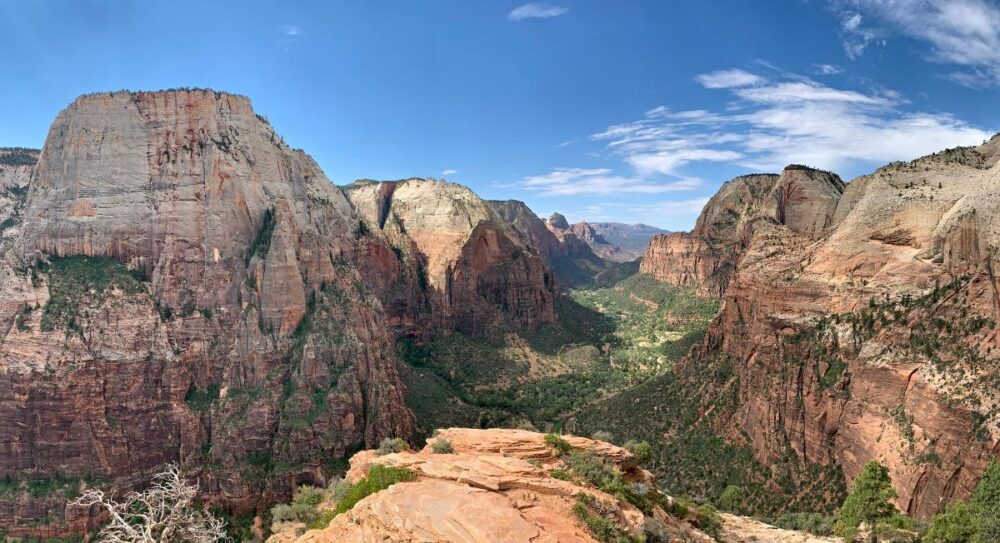
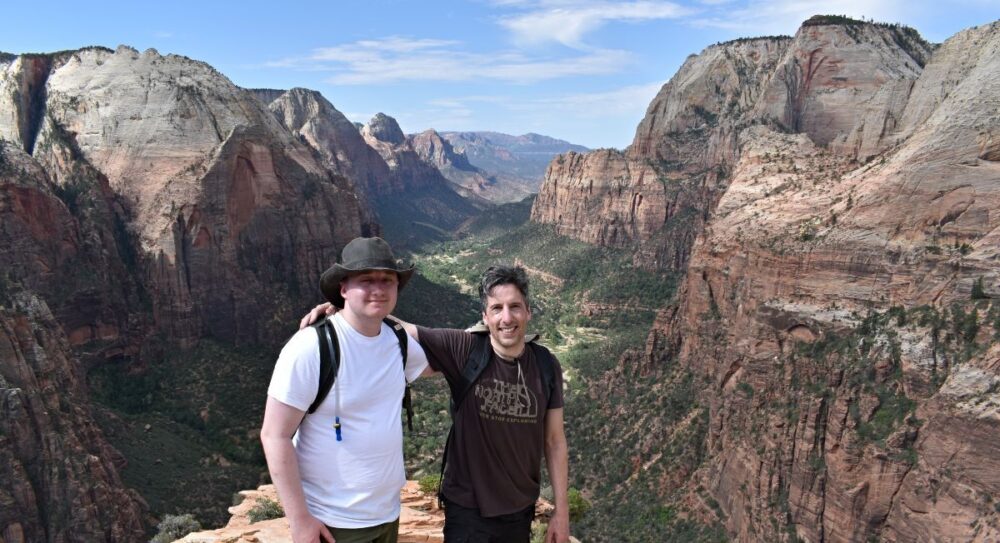
6. Reservations or permits - several parks require a reservation to enter all or part of the park, which again need to be booked well in advance. To get the chance to hike Angels Landing in Zion National Park we had to enter a lottery. The place to check this or any other query is the National Park Service (NPS) website.
7. Prepare for the unexpected - the USA national parks can have extreme weather events so the NPS website and/or app is a reliable source of information to use during your stay, especially when planning hikes. Trials can be closed at short notice by weather events or potentially dangerous animal encounters. Bring the tools needed for navigation, extra layers, a headlamp, water, and food, even if you’re only heading out for a short hike.
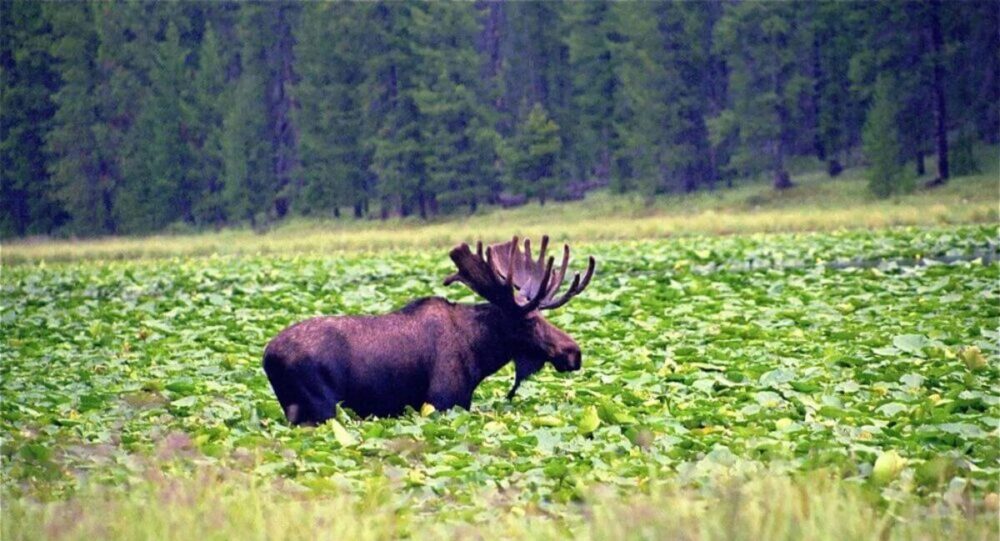
8. Protecting the parks - read the rules. Stay on trails, respect wildlife (including giving them space), and leave no trace. I don't list the best places to see wildlife in each park - this is their home; we are the visitors. Most of my best animal encounters occurred when east expected; be camera ready.
9. Which parks to visit - at the time of writing I have visited 12 parks, which I have listed below. From a practical perspective I have grouped parks together that can be visited during the same trip.
10. Where else should you consider - as you will see from this map, the USA national parks are spread far and wide. In terms of the best mix of hiking, wildlife, and scenery the others on my bucket list include: a trip back to the Rocky Mountain National Park in Colorado, which I have on briefly explored | the 3 national parks of Washington state - Olympic, Mount Ranier, and North Cascades | Denali and Katmai National Parks in Alaska.
Glacier National Park
Glacier National Park in Montana takes its name from the many glaciers and glacial forces that shaped its rugged topography over two million years. While the park is still home to numerous glaciers, even more impressive are the massive U-shaped valleys and hulking granite peaks. To the north, the park borders the Canadian provinces of Alberta and British Columbia and so a trip can be combined with a visit to the Canadian Rockies, the townsite of Banff sits 250 miles away. Alternatively, 370 miles to the south are Yellowstone National Park and the Grand Teton National Park - in terms of U.S. distances these are a stone's throw away! Read my blog Glacier National Park.
Yellowstone National Park and Grand Teton National Park
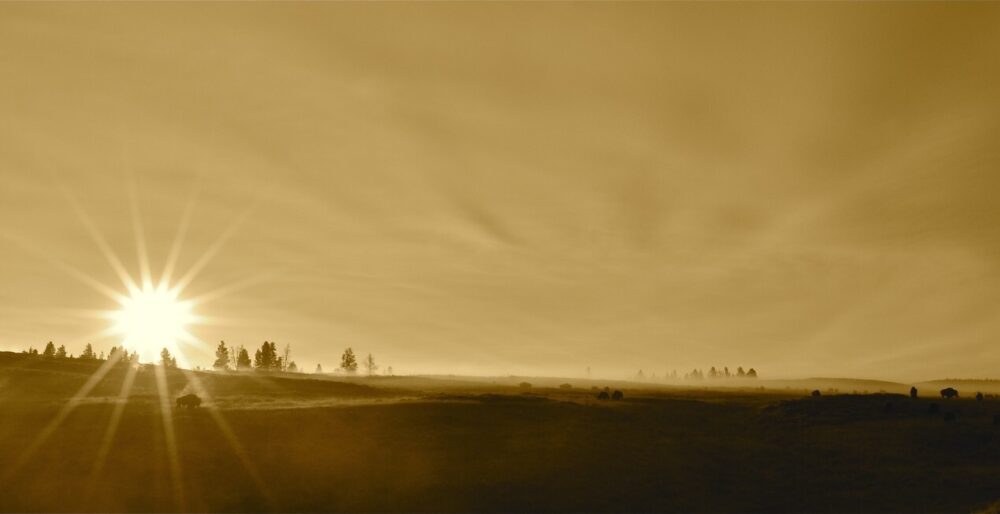
On 1st March 1872 President Grant signed the bill that created Yellowstone, the first national park in the United States of America. Within Yellowstone's 2.2 million acres, visitors have unparalleled opportunities to observe wildlife in an intact ecosystem, explore geothermal areas that contain about half the world’s active geysers, and view geologic wonders like the Grand Canyon of the Yellowstone River. Read my blog Yellowstone National Park.
The Grand Teton Mountain Range is one of the most spectacular, awe-inspiring places in America. Occupying a majority of the Jackson Hole valley, the range is home to massive mountains rising as high as 7,000 feet off the valley floor, pristine lakes and rivers, and abundant wildlife. As well as wonderful hiking opportunities the mountains provide some of the most demanding and technical mountaineering experiences anywhere in the world, as well as the world class ski resort of Jackson Hole. The northern border of the park sits only 7 miles away from the south entrance of Yellowstone. Read my blog Grand Teton National Park.
Utah's National Parks
Utah has five national parks. As part of our road trip we took in four - Zion, Bryce, Arches, and Canyonlands.
Located in southwestern Utah, Zion National Park encompasses some of the most scenic canyon country in the U.S. Within its 232 square miles are high plateaus, a maze of narrow, deep, sandstone canyons, and the Virgin River and its tributaries.
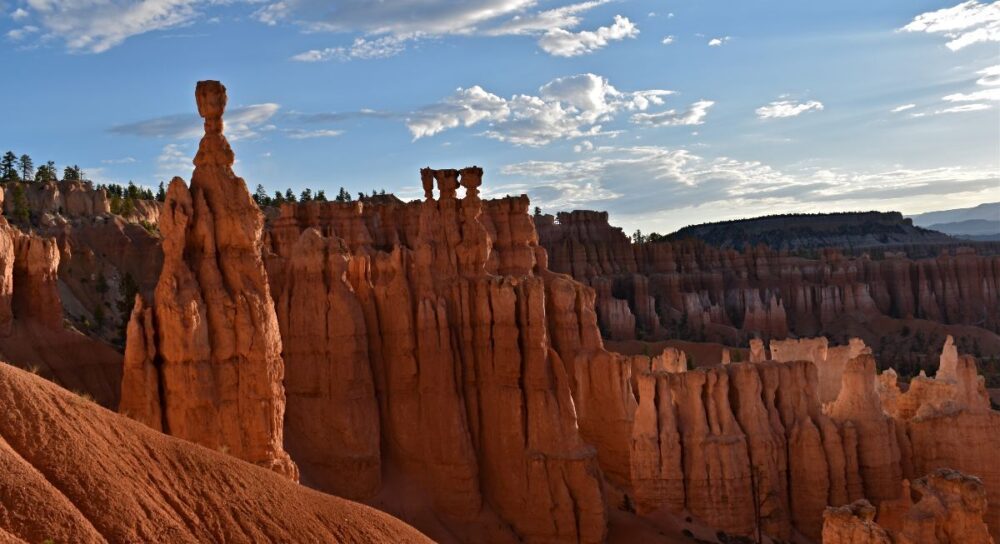
Only 80 miles from Zion is Bryce Canyon, famous for the largest collection of hoodoos - the distinctive rock formations, in the world. Bryce Canyon is also home to horseshoe-shaped amphitheatres carved from the eastern edge of the Paunsaugunt Plateau, scenic vistas, and the dark night sky. Read my blog Best USA Road Trip Part 1 | Bryce Canyon & Zion NP.
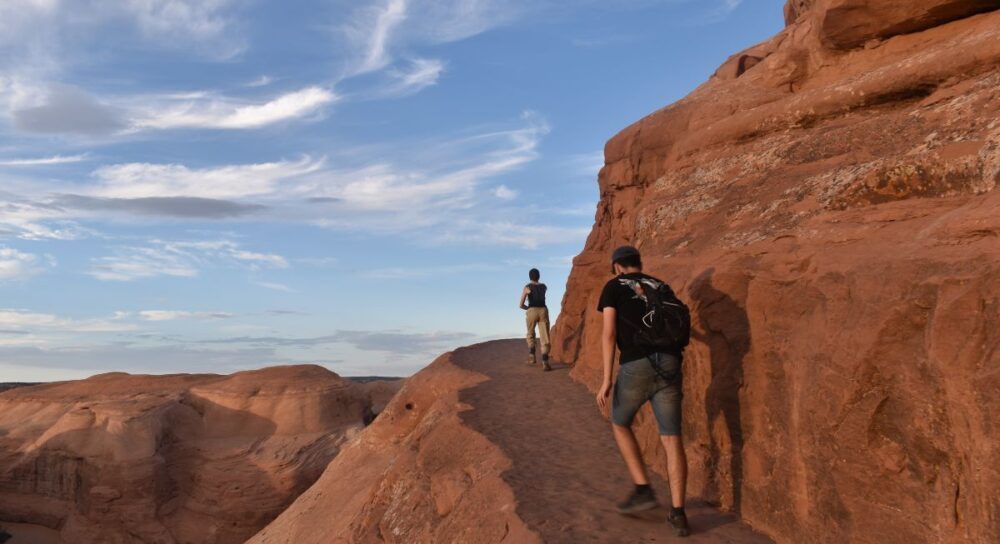
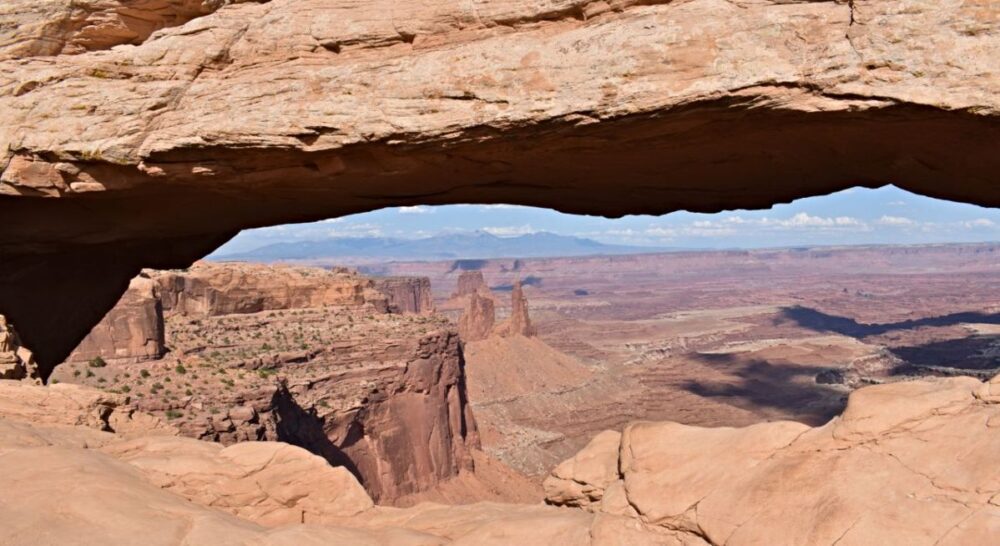
Located in eastern Utah is Arches National Park. The park has over 2,000 natural stone arches, hundreds of soaring pinnacles, massive rock fins, and giant balanced rocks. This red-rock wonderland will amaze you with its formations, refresh you with its trails, and inspire you with its sunsets.
In the same location sits Canyonlands National Park, an area of countless canyons and fantastically formed buttes carved by the Colorado River and its tributaries. Unlike Arches National Park, which is neatly packaged up, Canyonlands is scattered over a vast area and is divided into four districts. Read my blog Best USA Road Trip | Part 3 - Canyonlands & Arches NP.
Grand Canyon National Park and Monument Valley
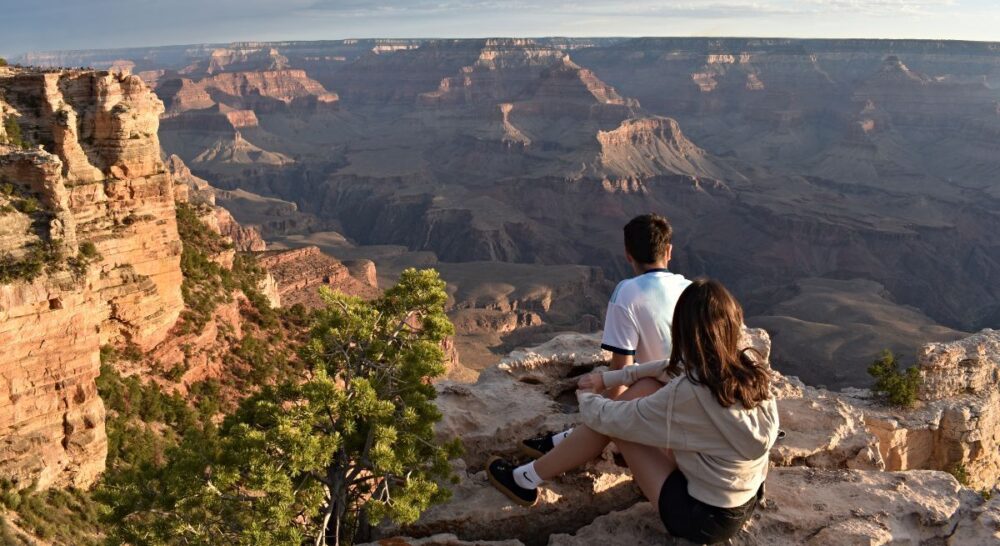
From the south rim, the 1904 square miles of the Grand Canyon is one big, amazing view, which is not surprising given that on average the canyon is 1 mile deep and 10 miles wide - simply sit down and take it all in from viewpoints such as Mather Point, Yavapai Point, and Yaki Point, all located near Grand Canyon Village.
180 miles from the south rim of the Grand Canyon is Monument Valley, well known for its towering sandstone buttes, a frequent filming location for Western movies. Monument Valley is not a national park - Tsé Biiʼ Ndzisgaii, which roughly translates to the valley of rocks, is owned, and operated by the Navajo Nation. Read my blog Best USA Road Trip | Part 2 - Grand Canyon to Monument Valley.
Grand Canyon and Monument Valley can be neatly combined with a trip to Utah's national parks. Alternatively you could use Las Vegas (yuk) as your base, and also take in Death Valley. The 'yuk' is explained in my Death Valley blog!

Death Valley National Park
America’s lowest, hottest, and driest national park, adventurous visitors enjoy Death Valley for its many extremes. The name doesn’t do justice to the vibrancy of Death Valley, which offers an amazing variety of landscapes for photographers. From valleys to sand dunes to canyons to salt flats to colourful wildflowers, you can come away with many photos from one national park, yet people will think you visited many different locations. Death Valley can be combined with a trip to Yosemite and some of California's other national parks. Alternatively, it is relatively close to Las Vegas. Read my blog Death Valley National Park.

National Parks of California
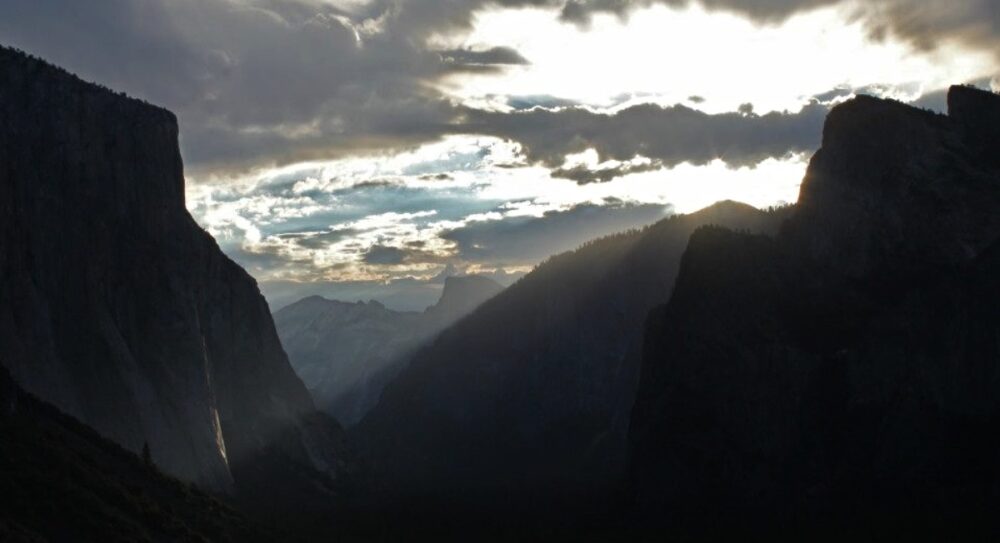
California has 9 national parks, the best known of which is Yosemite. First protected in 1864, Yosemite National Park (blog cover image) is best known for its waterfalls, but within its nearly 1,200 square miles, you can find deep valleys, grand meadows, ancient giant sequoias, a vast wilderness area, and much more. Yosemite is well known for El Capitan and those who dare climb it, at more than 3000 feet high and 1 mile wide, El Capitan is the tallest exposed vertical face of granite on earth. Read my blog California - from the Coast to the Mountains.
Other national parks in striking distance of Yosemite include Sequoia and Death Valley.
National Parks of Florida
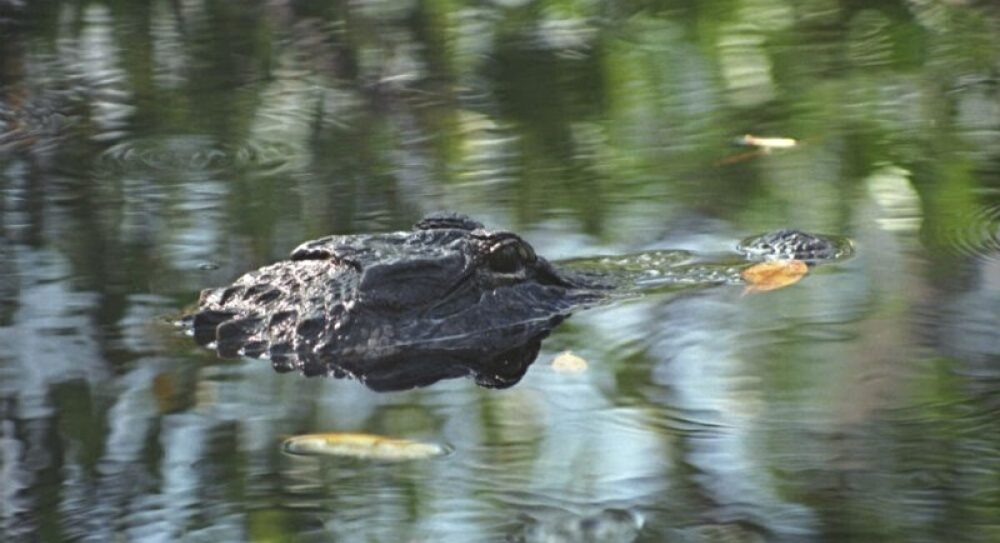
When people think about Florida the first thing that usually comes to mind is Disney World, well there is actually a lot more to Florida than some over-sized cuddly toys, sorry Mickey and Minnie. Florida has a number of national parks, the most well-known of which is Everglades National Park. The Everglades protects an unparalleled landscape that provides important habitat for numerous rare and endangered species like the manatee, American crocodile, and the elusive Florida panther. One of my favourite spots in Florida, which is not a national park, is Sanibel Island - an unspoiled mini paradise with beautiful beaches, shells, and wildlife, including this impressive alligator we found lurking in a pond.
New England in the Fall
The amazing colours of the trees during New England's Fall are no secret, but what is less well known is Acadia National Park. Located 280 miles north of Boston, Acadia National Park has a variety of landscapes including granite-domed mountains, woodlands, lakes, ponds, and ocean shoreline. Acadia is a good place to go whale watching. My visit to Acadia was before photography and blogging became a passion of mine.