Highlights of California | from the coast to the mountains
California, in the southwest of the USA, has a varied terrain with cliff-lined beaches, redwood forest, the Sierra Nevada Mountains, Central Valley farmland and the Mojave Desert. It is the most populous state in the country and the third most extensive by area. Stretching from the Mexican border along the Pacific for nearly 900 miles - the whole of the United Kingdom is 57% the size of California.
California never disappoints, and having visited there as a child, and then again in my twenties, I could not wait to take my own family - our two-week trip family started in San Francisco before then heading down the coast to Monterey Bay and Big Sur. We then went inland to Yosemite National Park before finishing our trip whitewater rafting.

The Golden Gate Bridge
Our trip began by an 11 hour flight from London to San Francisco. By the time we picked up the car and drove to our rental house it was 7pm, which in UK time was 3am - it's fair to say we were all feeling a little fuzzy, and so followed a good night's sleep.
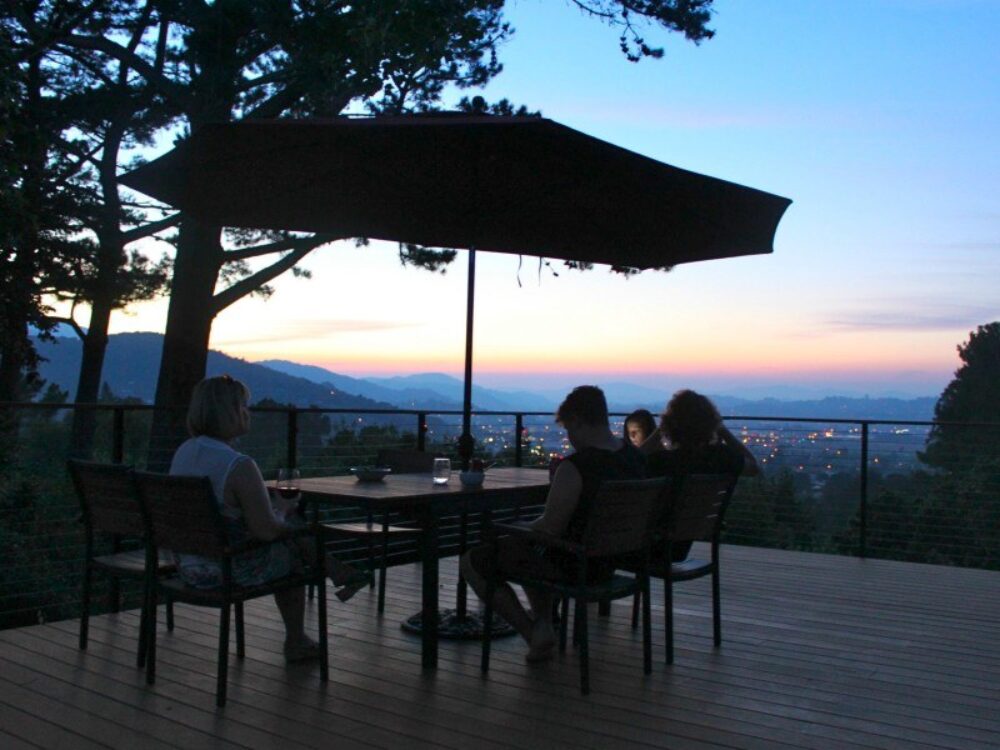
With a big family we choose house rentals – high quality, more space, home-cooked food, and a lot more cost effective. We decided to stay just outside of SF, over the Golden Gate Bridge. This gave us access not only to SF to which you could drive or take the ferry, but also the magnificent Muir Woods.
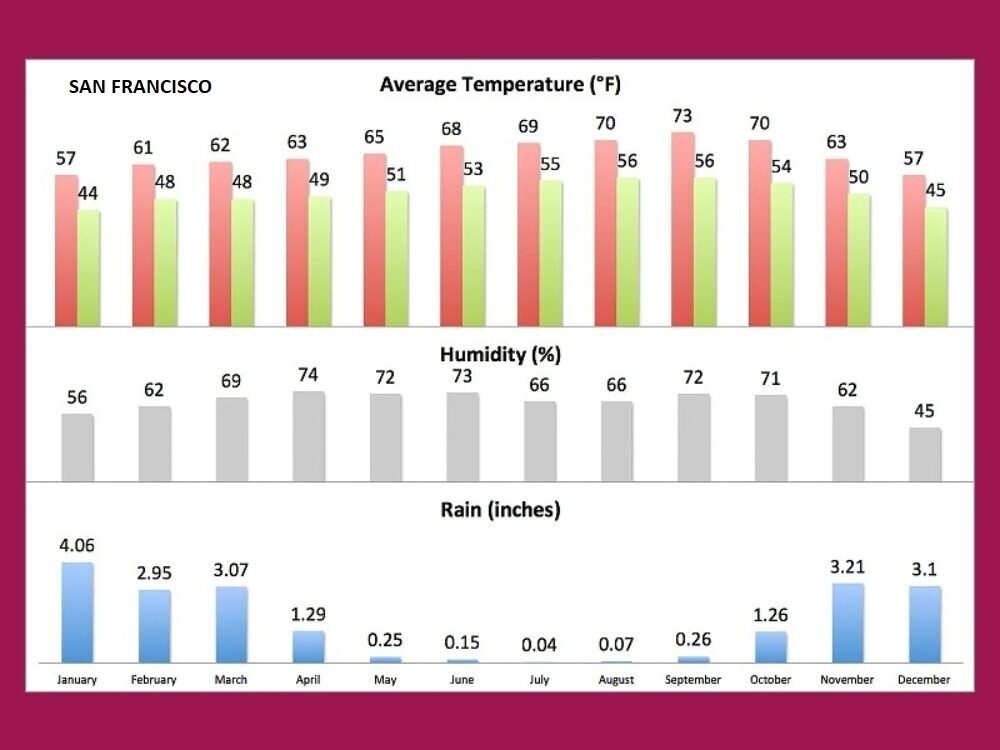
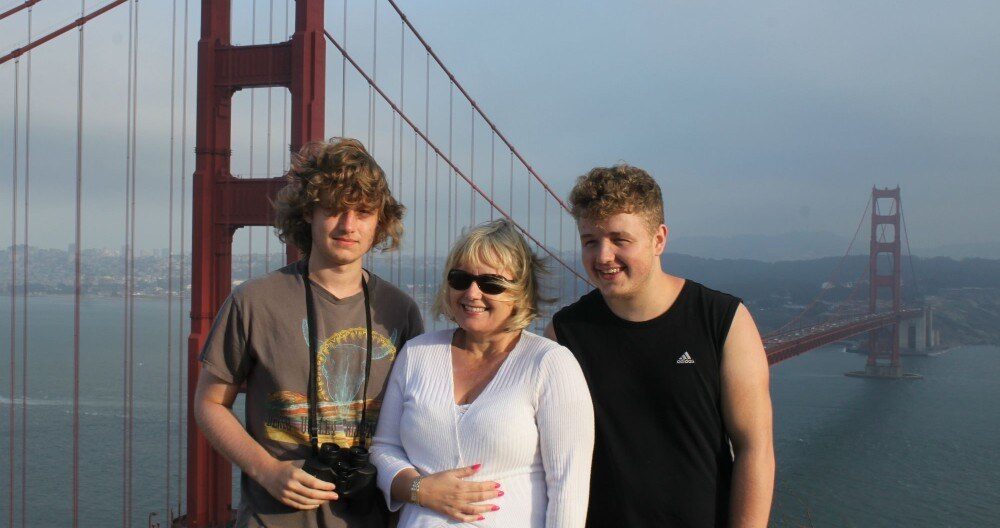
The Golden Gate Bridge is a technical masterpiece set against a beautiful backdrop. It would take thousands of workers, four years and 35 million dollars to complete what at the time was the world's longest and tallest suspension bridge. On May 27, 1937 the Golden Gate Bridge was inaugurated by 18,000 people who walked across the bridge. The next day the bridge officially opened to motorised traffic - today more than 120,000 cars cross the bridge each day.
The two best views of the bridge in my opinion are looking down on to the bridge from the North (Marin Side) Vista Point accessible only from northbound US 101, and the view from the south side underneath the bridge at Fort Point. Be aware that to cross the bridge by car from north to south requires an electronic prepayment, which I was unaware of, unfortunately the fine caught up with my visa card - to avoid a fine read this article on how to pay tolls.
If you click on any image on this website the image expands and provides relevant details of where the image was taken.

Exploring San Francisco
There is a lot to do in SF so it is worth spending a few days here. To get a better feel of the city we had pre-booked on to the ''Big Red Bus Tour'', which takes you around the major sights of city - it is very reasonably priced, and you can hop on and off at the nearly 20 designated stops. There are a number of different bus tours around the city, all of which are more practical than using the trams - of course you can't go to SF without a ride on the trams as they are fun, but I am not sure it is worth a two hour wait at the terminals to ride the whole line with the hope of getting a seat that allows you to ‘hang out’.
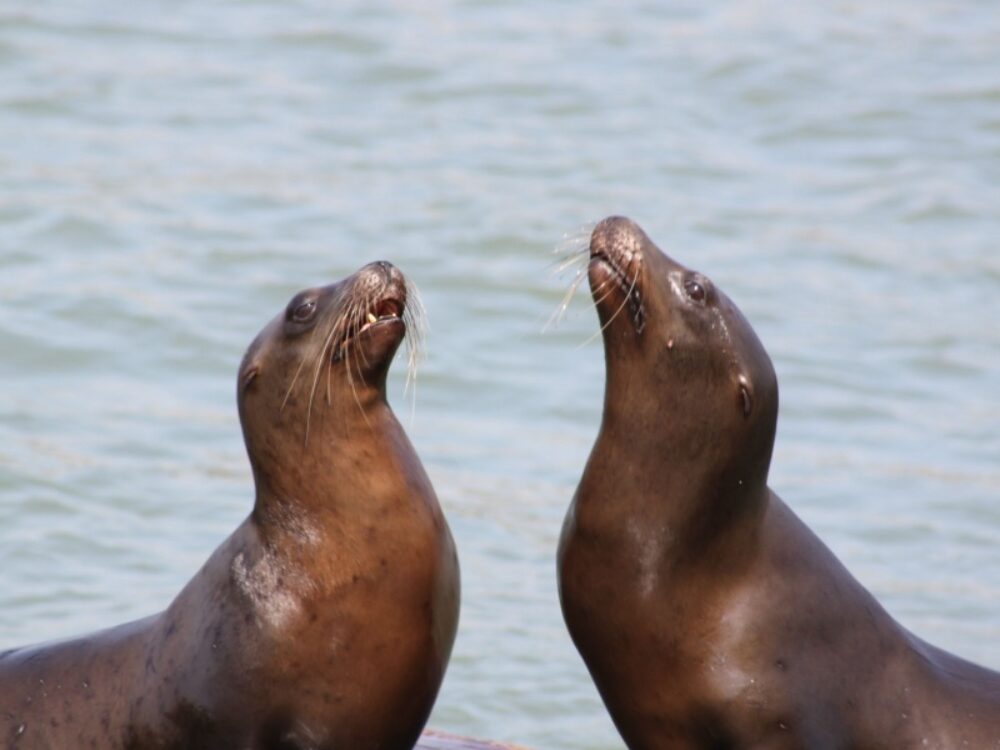
One of the most popular areas is Pier 39, also known as Fisherman's Wharf. While it is a lot of fun to watch the famous sea lions that congregate here, I personally would not choose to spend too long on the pier itself - the pier is over commercialised and many of the restaurants overpriced. A much better place to explore and eat is the Ferry Building Marketplace.
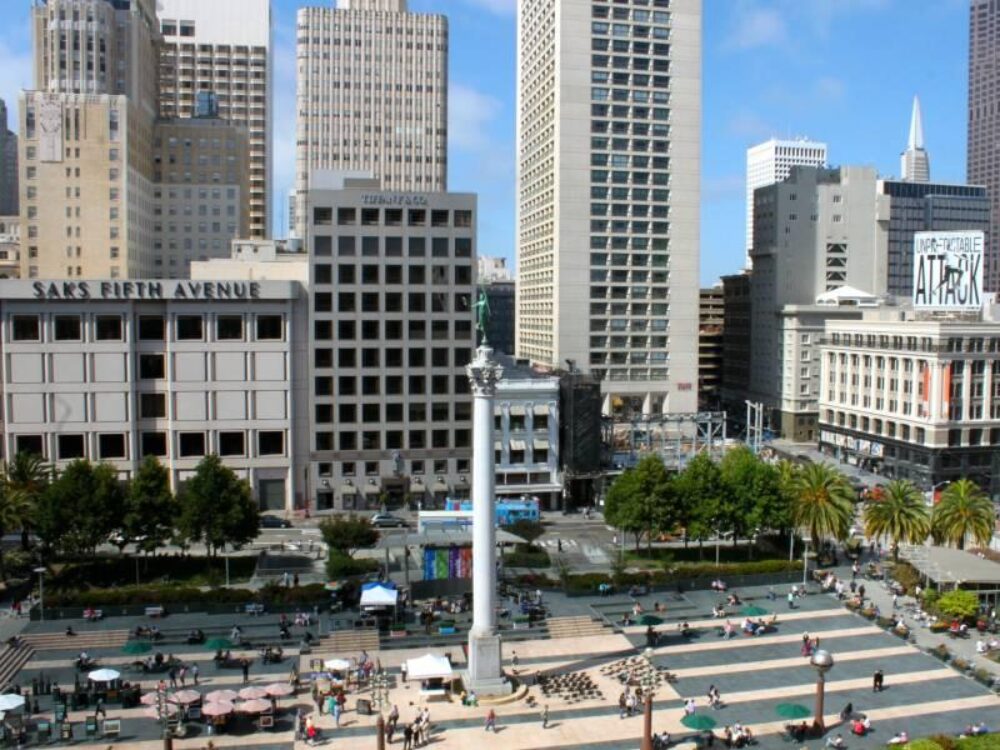
If you want some retail therapy then head for Union Square - now it's fair to say that while shopping is not my favourite pastime, I did enjoy the Cheesecake Factory, which on the top floor of Macys affords a wonderful view of the city, and of course a lovely selection of cheesecakes.
Other places of interest include Chinatown, the largest Chinese enclave outside Asia, and Lombard Street with its famous eight hairpin bends that have been used in various films including Bullitt, and Herbie the Love Bug. To my surprise one my favourite parts of the city was the Japanese Tea Gardens, the oldest public Japanese garden in the United States located inside Golden Gate Park. The gardens feature an arched drum bridge, stone lanterns, steppingstone paths, native Japanese plants, serene koi ponds and a zen garden. Cherry blossom trees bloom throughout the garden in March and April.

Alcatraz ... not an overnight stay!
Of course a visit to SF would not be complete without a visit to Alcatraz. The federal prison on Alcatraz Island in the chilly waters of California’s San Francisco Bay housed some of America’s most difficult and dangerous felons during its years of operation from 1934 to 1963. Among those who served time at the maximum-security facility was the notorious gangster Al “Scarface” Capone. No inmate knowingly ever successfully escaped The Rock, as the prison was nicknamed, although more than a dozen known attempts were made. Today Alcatraz is a popular tourist destination - I have visited twice, both as a daytime tour and on this occasion as an evening tour, my recommendation is the latter although be prepared to book several weeks before you travel so as not to be disappointed.

Muir Woods ... not to be overlooked
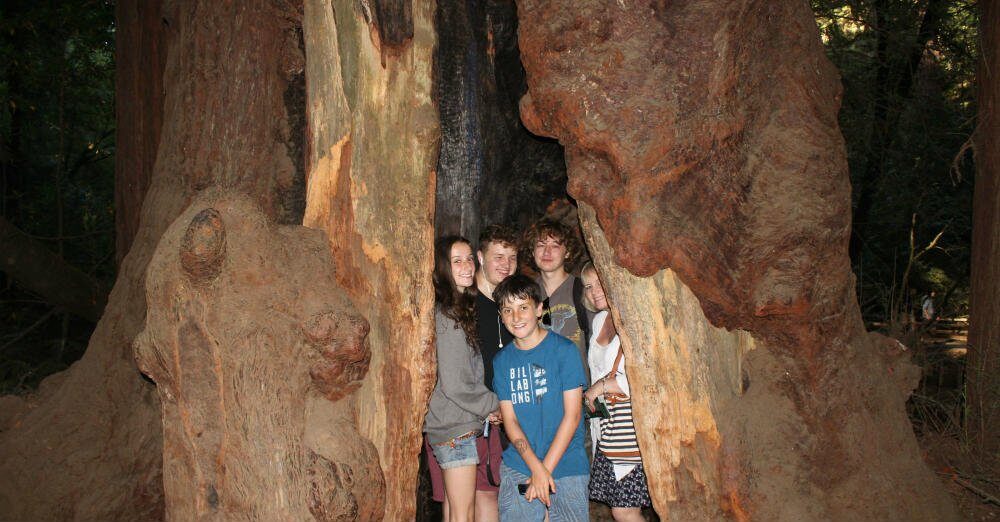
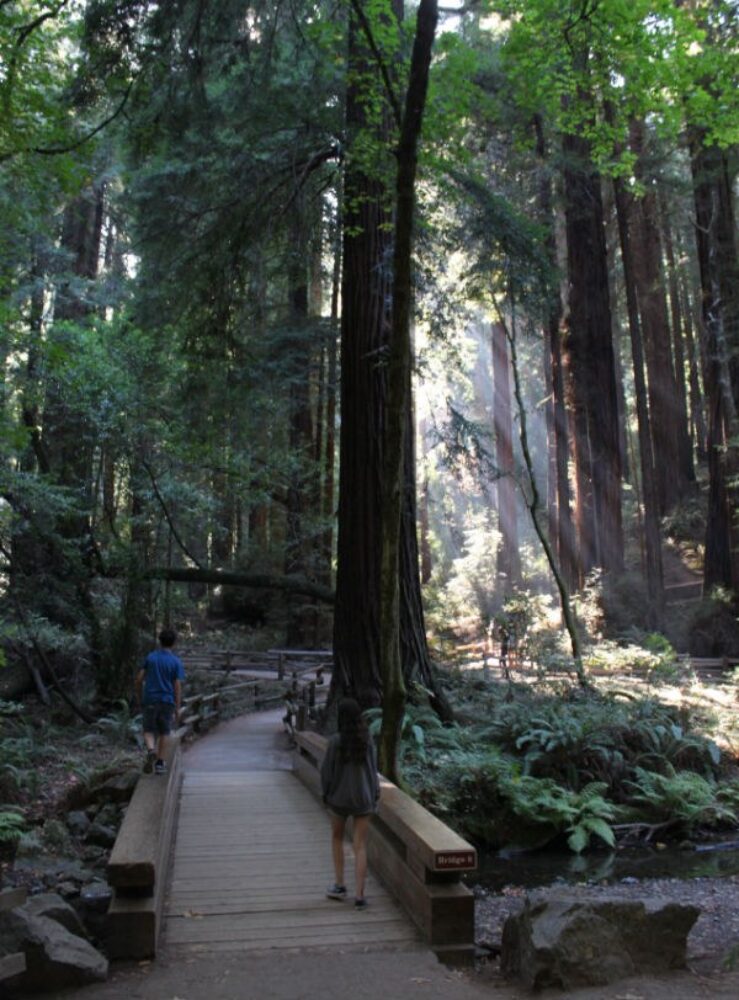
Only a few miles north of the Golden Gate Bridge, in an isolated canyon, grows the ancient coastal redwood forest known as Muir Woods - dedicated to the father of the national parks, John Muir. Hike through the soaring redwoods and immerse yourself in the sights that inspired John Muir to be such a strong voice for the preservation and conservation of America's most special places. The woods have also captured the imagination of the film makers, most famously the Planet of the Apes films. The Visit Muir Woods website provides good advice on walking trails. Take note, the woods get very busy and there is limited parking so plan to get there before 10 am.

Monterey Bay - a wildlife spectacular
From San Francisco we travelled South along the coast towards Monterey Bay and Big Sur for what turned out to be the highlight of our holiday. When travelling in central and north California, including San Francisco, it is important to be aware that in summer the coastline is usually shrouded in fog until mid or late morning, and it can be cool so take plenty of layers.
We stayed in Monterey, a very ordinary town, but ideally placed. If you want style and are prepared to pay more then consider Carmel. Monterey Bay provided three amazing experiences, or four if you include the fabulous breakfast at the Old Monterey Café. Our first trip was to the Elkhorn Slough Safari where on a pontoon boat we had front row seats to over 100 of perhaps the most adorable creature in the world - sea otters, in addition to curious harbour seals, boisterous sea lions, and hundreds of bird species.
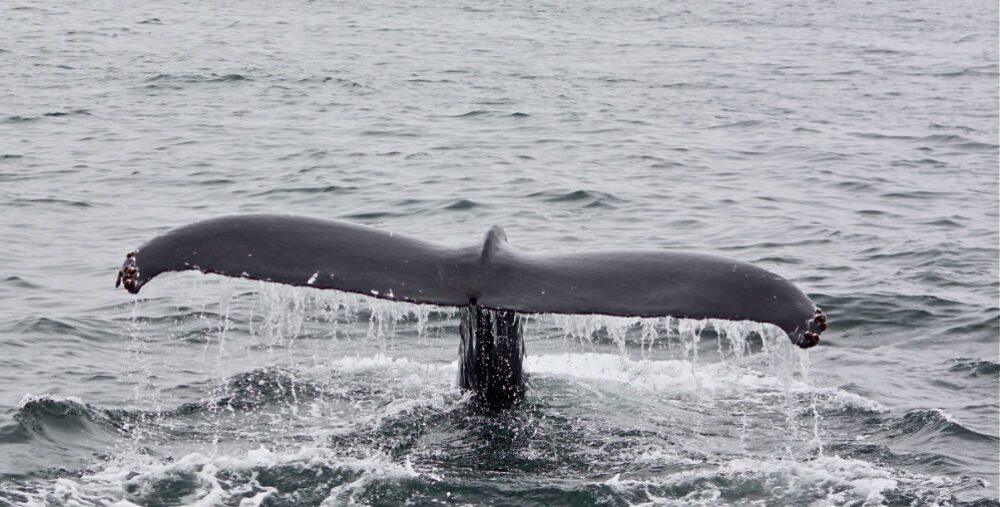
The second trip was a whale watching tour during which we saw over 20 Humpback whales, including a pair that swam under out boat and numerous that were breaching. But there are not only Humpback whales in the bay, there are also pods of dolphins, great white sharks, and occasionally Blue Whales and Killer Whales. The wildlife is so good that while we were there the BBC were doing three days of live filming for the Big Blue Live.
Our third wonderful experience was Monterey Bay Aquarium, aquarium's aren't usually my thing but this was an exception - mesmerising tanks and exhibits showcase more than 35,000 animals and plants representing over 550 species. More than just a showcase the Aquarium's Conservation & Science programs are tackling some of the most critical issues affecting ocean health.


Big Sur
Traveling further down the coast we drove along Big Sur, an amazing and rugged costal route stretching 85 miles between Carmel and San Simeon - bordered to the east by the Santa Lucia Mountains and the west by the Pacific Ocean this stretch of road took 18 years to complete. The sparsely populated region of Big Sur has numerous state parks for hiking, camping, and beachcombing. The road itself, State Route 1, is known for winding turns, seaside cliffs, fabulous bridges, and views of the often-misty coastline.
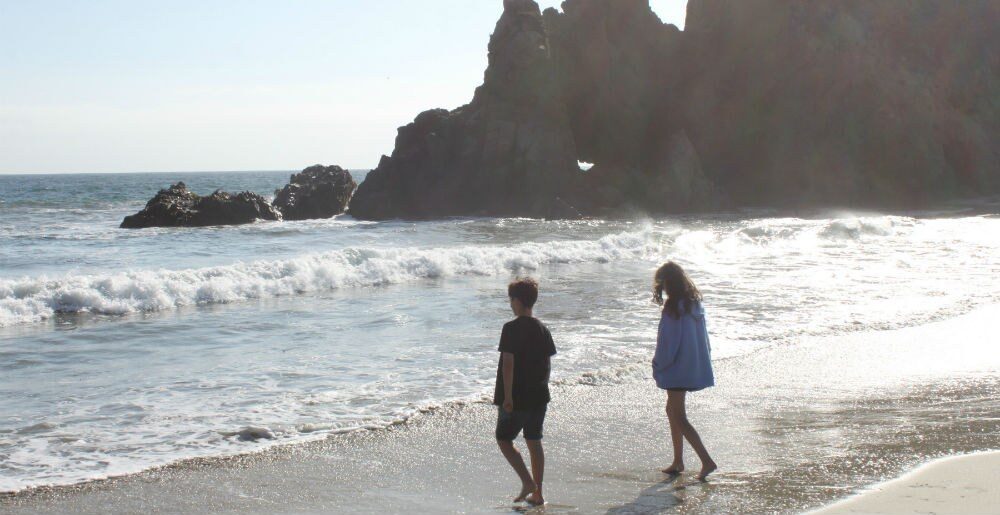
My two favourite parts of Big Sur are the stunningly scenic McWay Falls and Pfeiffer Beach. The former doesn’t require paying state park admission; you can find a spot along the highway right above the Waterfall Trail that takes you to the viewing area. The latter does require parking but take note - the car park fills up early. The seas here are not for swimming as the water is very cold, instead the experience is about the scenery, the sense of wilderness and the wildlife - we saw a sea otter, and an encounter between a dolphin and a shark. One area that we did not reach was Point Lobos State Park where there are plenty of coastal bluff walks and unmarked little coves to explore.
Yosemite National Park ... watch 'Free Solo' before you go!
From the coast we then made the 3.5 hour inland journey to Yosemite National Park one of North America's and indeed the World's most spectacular national parks - the scene is set by the Tunnel View entrance to the park, once you are through the tunnel the view is breathtaking. We spent three full days in the park, but in reality it is possible to spend your entire holiday in the park and surrounding areas. It is best to stay inside the park, but you will need to book many months in advance.
My favourite things to see and do in the park are:
- Hikes - here is a list of the top ten hikes
- The waterfalls - Yosemite Falls, Bridalveil falls, Vernal and Nevada Falls
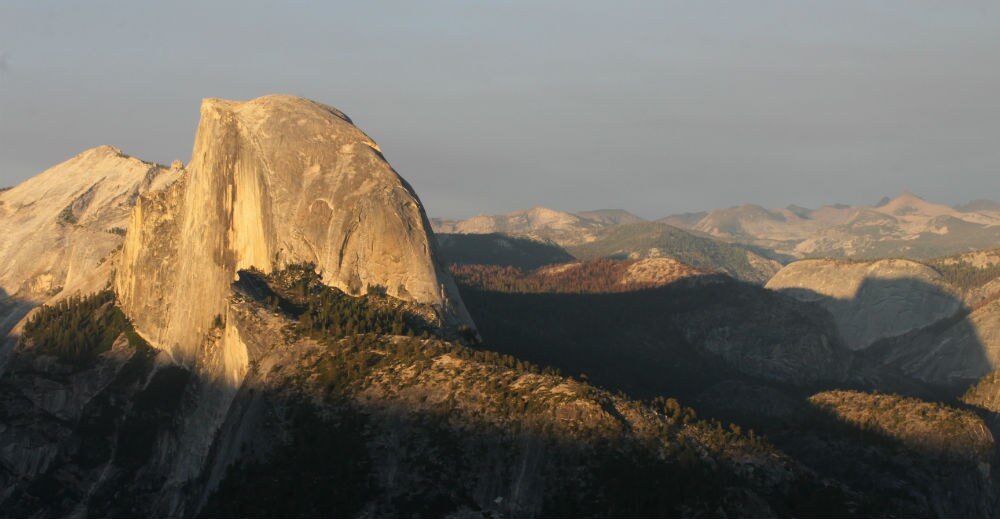
- Half Dome - the granite dome is Yosemite’s most popular rock formation. The granite crest rises more than 4,737 feet above the valley floor
- El Capitan - rock climbers will find few vertical rock formations as challenging as El Capitan. At one time “El Cap,” which stretches roughly 3,000 feet from base to top, was considered impossible to climb. Today, the most popular route to tackle is The Nose, which follows the rock’s huge projecting front
- Glacier Point - one of Yosemite’s best viewpoints is Glacier Point. Located on the south wall of Yosemite Valley the overlook rises to an elevation of 7, 214 feet - with great views of Half Dome, Yosemite Falls, Vernal Fall (a 317-foot waterfall) and Nevada Fall (594 feet). This is also a great spot for some evening star gazing
- The Valley View - thank the 145-mile-long Merced River: it’s responsible for carving out the glacial valley known as Yosemite Valley. The valley is about 8 miles long and a mile deep, with an amazing vantage point offered at Valley View - this turnout is located near the park exit, traveling west on Northside Drive
- Tunnel View - journey along State Route 41 and you’re in for a treat. The viewpoint known as Tunnel View offers a breathtaking snapshot of Yosemite Valley and several of its attractions - El Capitan, Half Dome and Bridalveil Falls
- Taft point - this is a short 2.2-mile round-trip hike from the Glacier Point Road to a remarkably sheer overlook of Yosemite Valley. Here is information on how to get to Taft Point
- Wildlife - includes black bears, deer, coyote, and the elusive bobcat. There are up to 500 black bears inside Yosemite, and we were lucky enough to see a small black bear on one of our hikes. Contrary to their name, most of the black bears in Yosemite have brown fur. Like all wildlife, black bears must be treated with respect and not approached - believe me I have seen many people approach bears trying to get a selfie!
- The valley floor moonlight tour - if you are lucky enough to be in the valley around the time of the full moon this trip is a must
Heading out of Yosemite valley
My favourite areas away from Yosemite's main valley are:
- Tuolumne Meadows - discover this meadow along the Tuolumne River with its wild, wonderful plant and tree species. The area also offers day-hike and camping opportunities (the park service campground is open July through late September)
- Lembert Dome - got three hours to spare? Take a short hike (2.8 miles roundtrip) up the granite rock formation of Lembert Dome, which rises 800 feet above Yosemite’s Tuolumne Meadows
- Cathedral Peak - the Cathedral Range of mountains stretch through Yosemite and Cathedral Peak is their star attraction. At a height of 10,911 feet, the granite peak was first scaled in 1869 by naturalist John Muir
- Mariposa Grove of giant sequoia - look up at one of the largest living things on Earth, a giant sequoia. It’s also one of the oldest. Within Yosemite’s mariposa grove of 500 giant sequoias you will find trees more than 3,000 years old
When should you go to Yosemite?
- If you want to see the waterfalls, then Spring is the best time to visit Yosemite Valley - in May the waterfalls are at their peak and the wildflowers are blooming. The downside is that you are likely to be limited in terms of higher elevation hiking - the Tioga Road and Glacier Point Road are closed in early Spring due to lingering winter snow, restricting access to Tuolumne Meadows and Glacier Point. Although both roads generally open by late May, they can stay closed through June following heavy snow years
- In July and August all the hiking trails are open, but the waterfalls will have dried up and it can get extremely hot, as such September provides the optimum conditions for hiking

Rafting on the American River
Of course a summer holiday would not be the same without a rafting trip, and there is some great whitewater in California especially on the South, Middle or North Fork of the American River - these three stretches offer a variety of rapids. We took a full-day trip. It is possible to do a multi-day adventure, and if you have the time then I thoroughly recommend it. To cap things off we stayed in what must be one of the best bed and breakfasts in the world ... but I can't give you all my secrets :-)
There is much more to see in California than what we saw during our two-week trip - but as I see it, why would I want to go on a wine tasting tour in the Napa Valley when I can buy a bottle off the shelves? And why would I wish to see the sprawling concrete of Los Angeles? But as they say ... each to their own.