The Canadian Rockies | Highights of Banff and Yoho National Parks
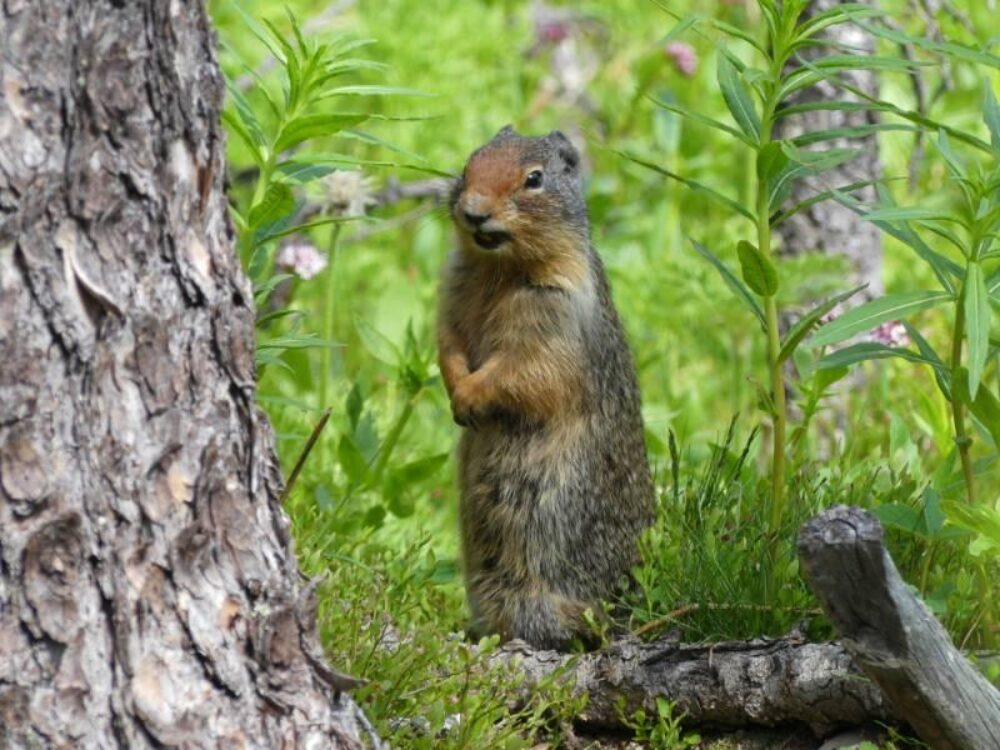
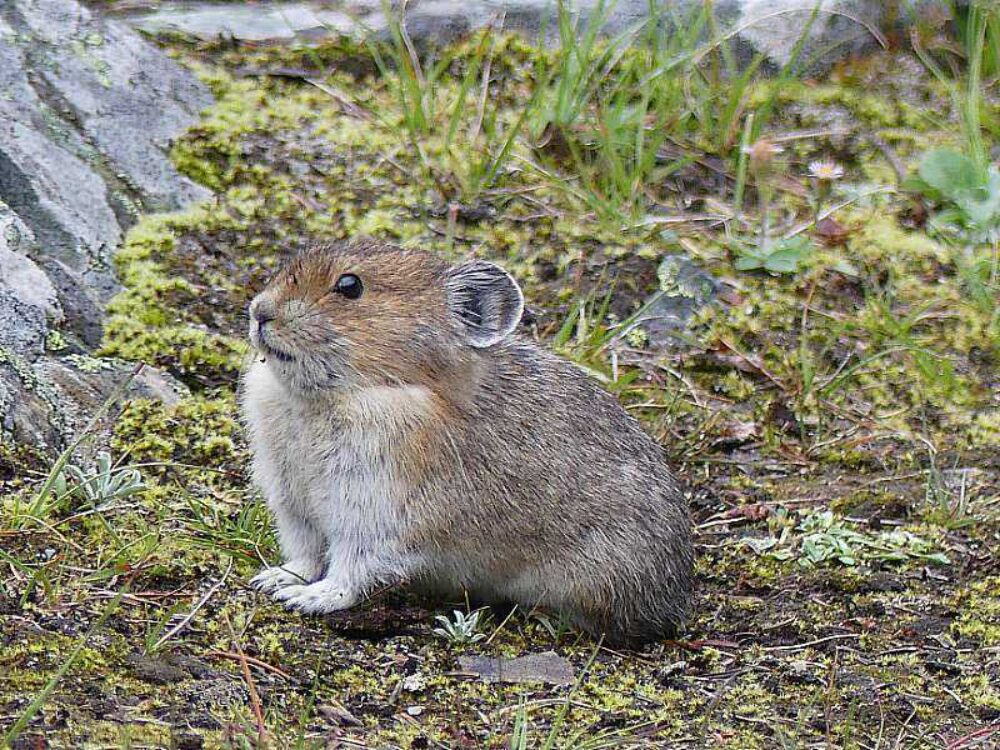
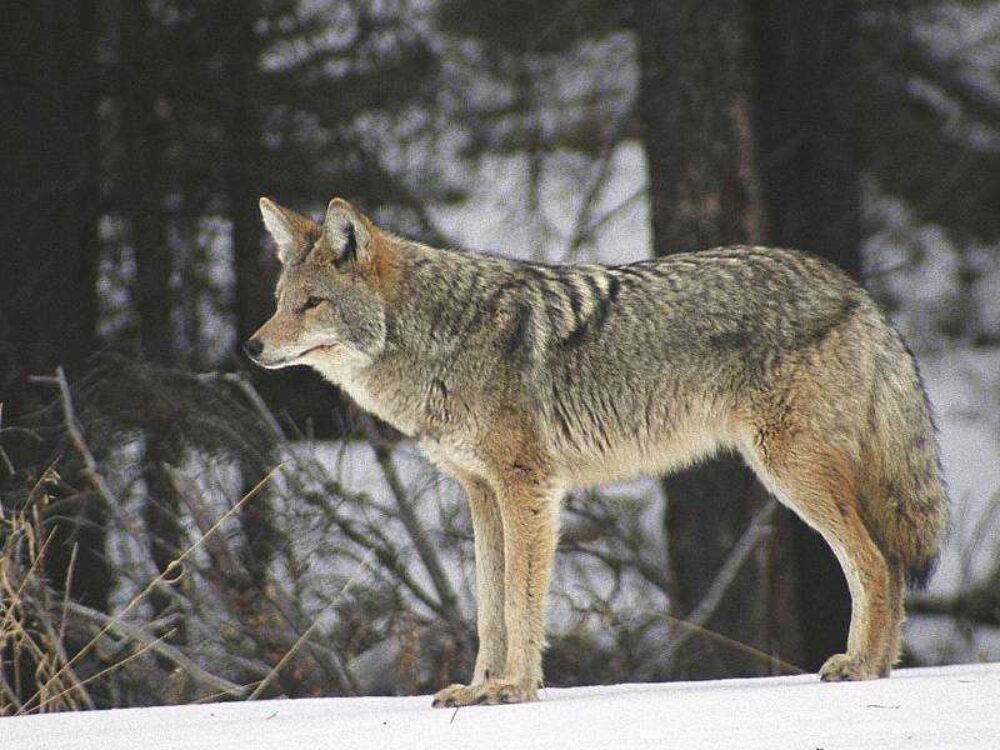
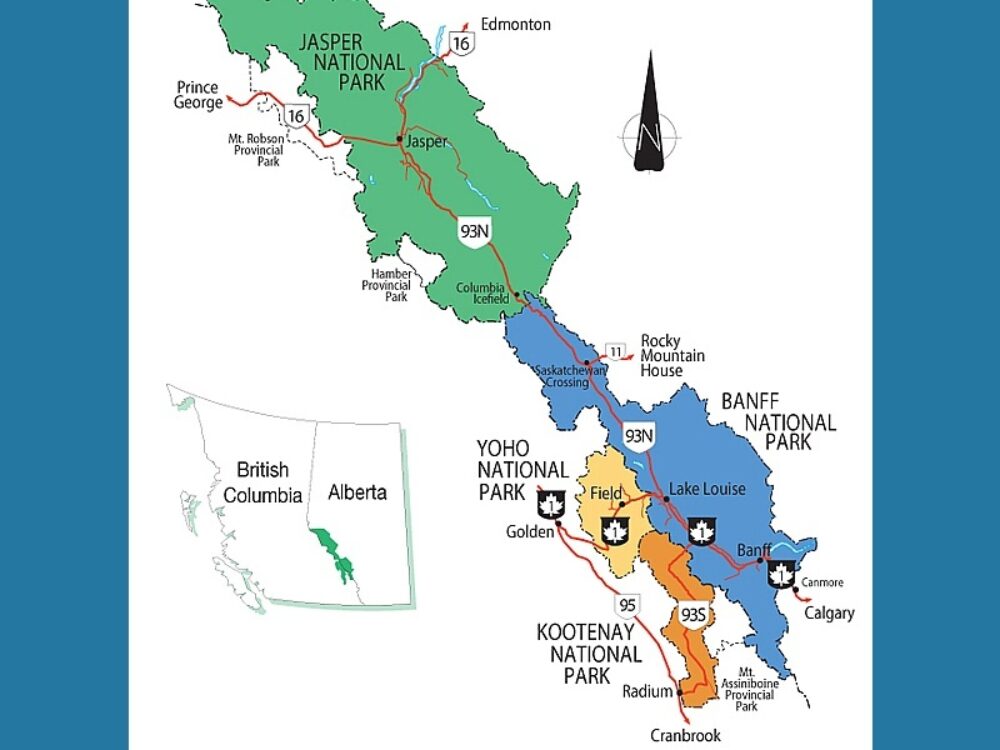
The Canadian Rockies are an area of immense beauty and diverse wildlife with grizzly and black bears, elk, moose, and bighorn sheep. The Rockies are divided into 4 main national parks - Banff, Yoho, Kootenay and Jasper. Summer is high season with endless hiking opportunities and other outdoor activities. Winter, when much of the wildlife hibernates, is for skiing. This was my fourth visit to the Canadian Rockies, and the trip I was most looking forward to as it was the first with my family.
The geography of the Canadian Rockies
The Canadian Rockies are a segment of the Rocky Mountains, extending south-eastward for about 1,000 miles from northern British Columbia and forming nearly half the 900-mile border between the provinces of British Columbia and Alberta. The highest peak is Mount Elbert at 4,402 meters.
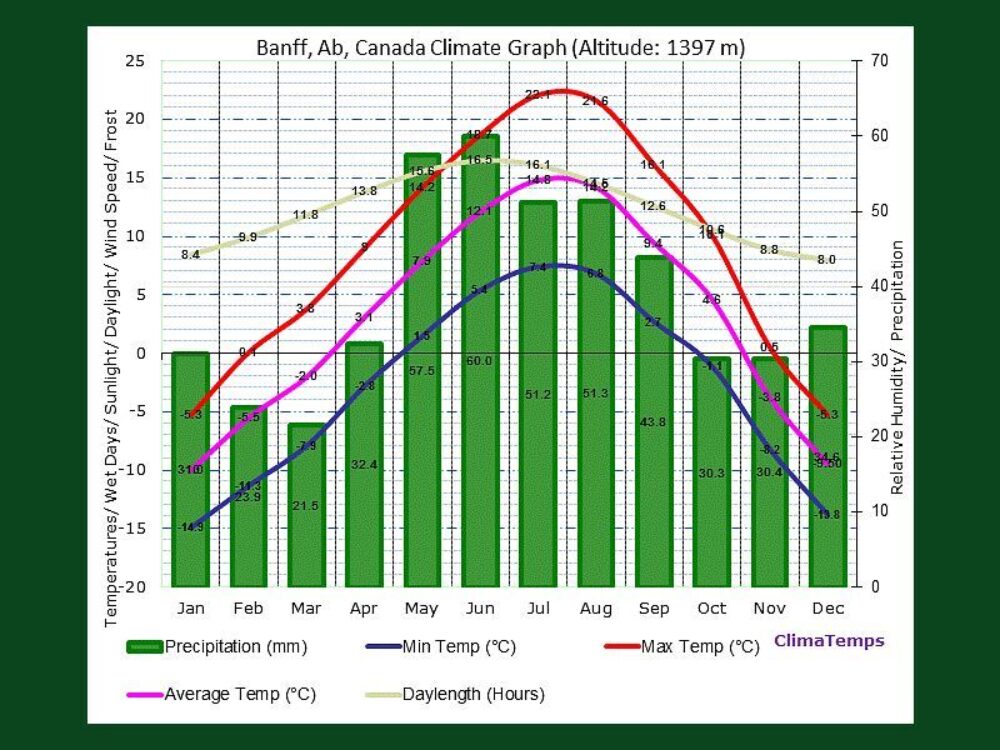
The Rocky Mountains have a cold steppe climate with everlasting snow in the higher areas. During the winter precipitation mainly falls in the form of snow. The area is too large to give it one type of climate. The northern part of the Rockies are much colder in general. The windward side gets more rain than the leeward side. The higher areas are colder than the lower areas. Below, is the average climate for Banff.
The summer season is short, if your trip is mostly for exploring the scenery and for hiking the best time to visit is from mid-June to mid-September. If you come sooner than June the most beautiful trails won't be open.
If you click on any image on this website the image expands and provides relevant details.
Banff Townsite
The best way to explore the Canadian Rockies will be to fly to Calgary, a good place to rent a car or an RV (recreational vehicle). Food and fuel are cheaper here than in the mountains, so you can stock for the trip .... the small ''supermarket'' at Lake Louise is extortionate. I would strongly recommend renting a vehicle as public transport in the Rockies is not very frequent and will only get you to the main spots.
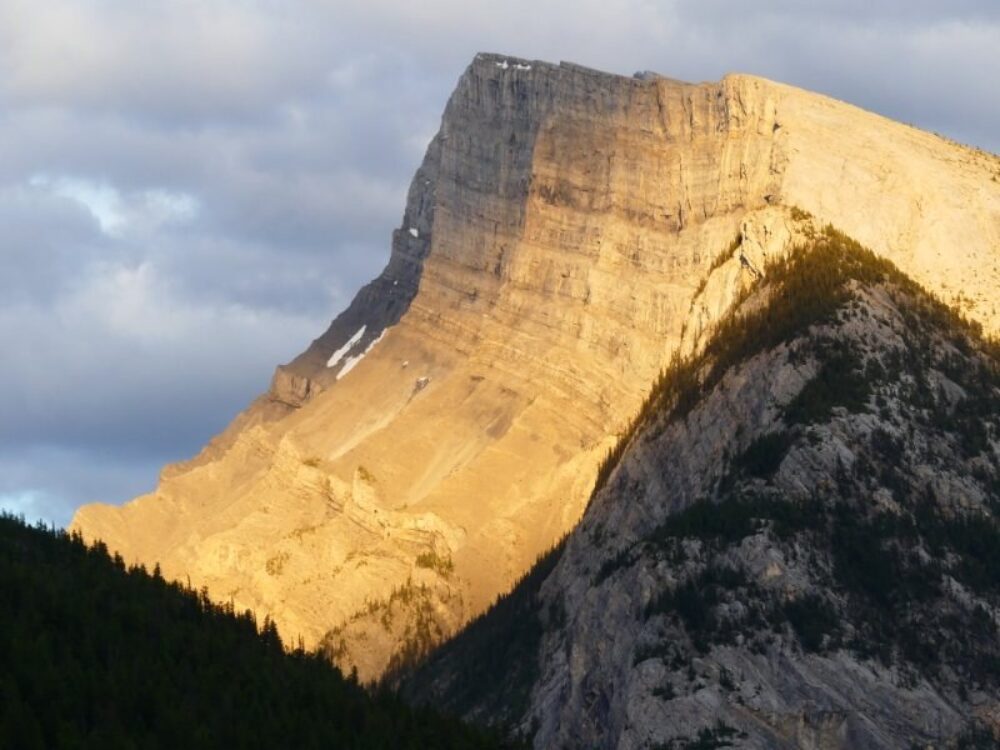
Only a 90-minute drive from Calgary International airport, the town of Banff was the starting point of our 14-day road trip. Banff is named after Banffshire, Scotland, the birthplace of two major financiers of the Canadian Pacific Railway. Although Banff is surrounded by the impressive peaks of Mt. Rundle and Mt. Cascade there is nothing particularly special about the town. Most of the gift shops, restaurants, and generally things that you may need can be found along, or just off, the main street.
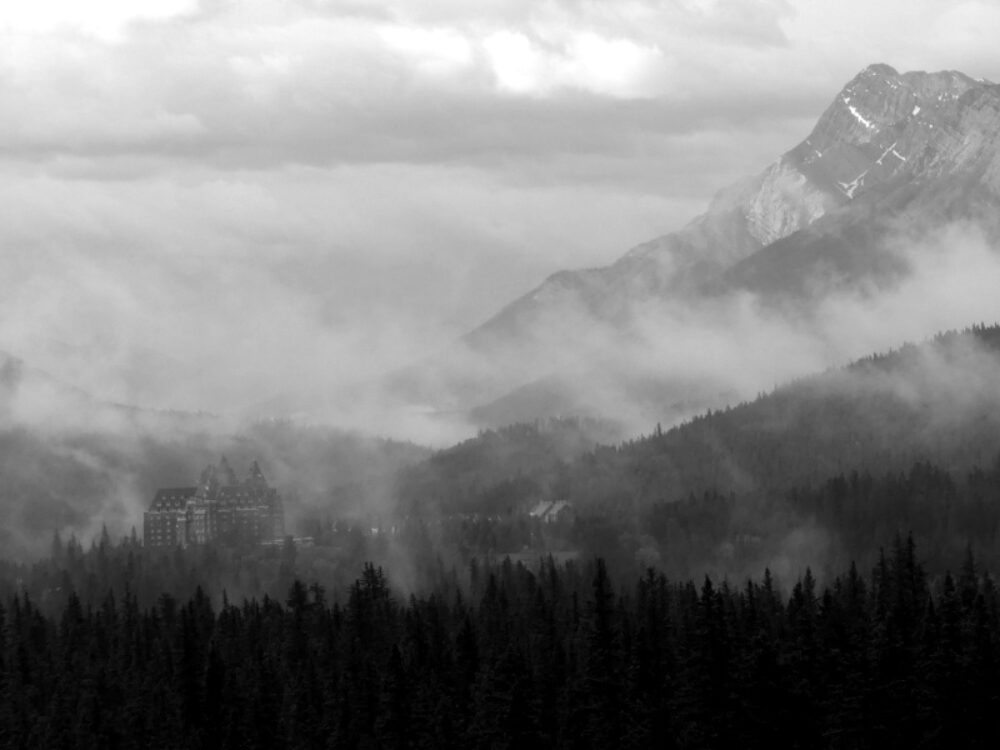
The town of Banff is perhaps best known for Banff Springs Hotel (image below) and Banff Upper Hot Springs, best visited early in the day or in the evening to avoid crowds in both the springs and also the car park, alternatively take a local bus.
In the Canadian Rockies, booking accommodation 6-12 months in advance is a must. If you are planning to camp most of the campgrounds are available on first come, first serve basis although reservations can be made for some of the more popular ones.
Banff National Park
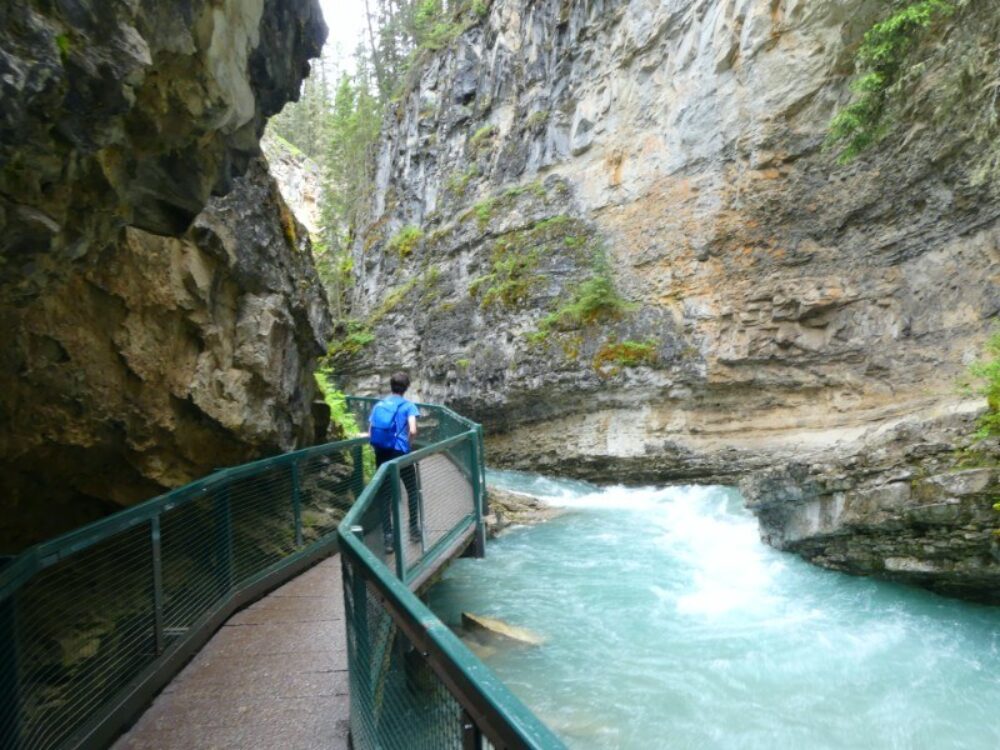
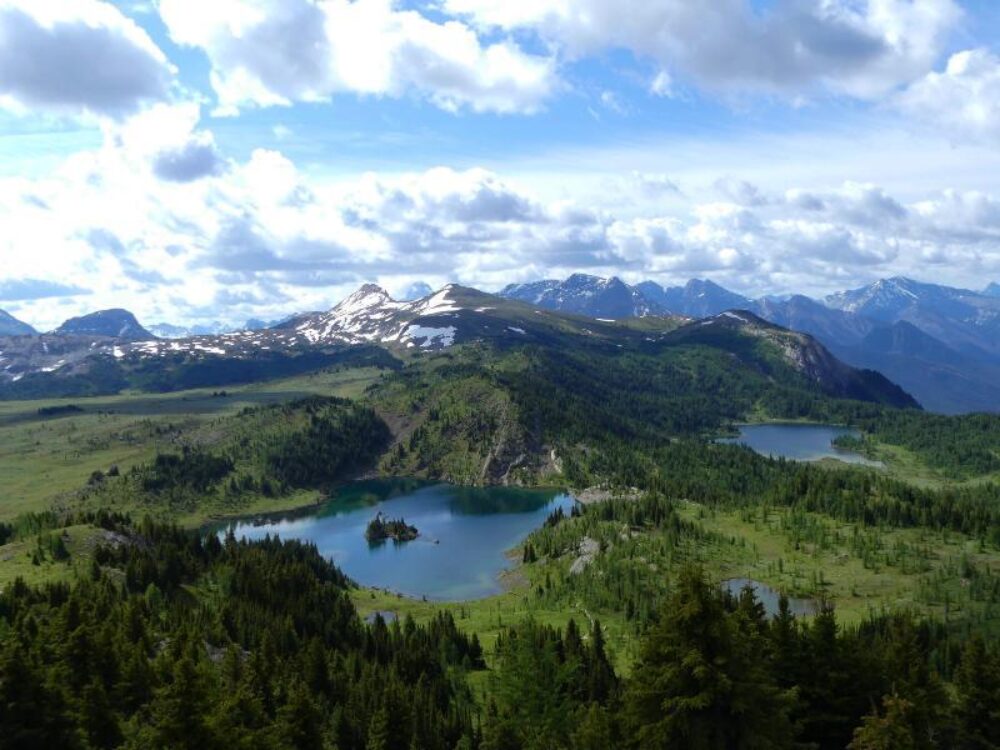
There are many good short hikes around Banff including Johnston Canyon and Lake Minnewanke, where there is also a cruise. The road between Banff and the Lake Minnewanke offers an excellent opportunity to see wildlife, including bighorn sheep next to the road and up on the cliff sides on the section from Two Jack Lake to the lake. A good day out for the family is Sunshine Meadows, a gondola to the top affords beautiful views with a variety of hiking opportunities and a good chance to see wildlife. If you seek solitude there are also some excellent day hikes, in particular the spectacular Cory and Edith Pass Loop. This link provides good detail on all hiking opportunities around Banff, in addition to other useful information.
The Lake Louise area
45 minutes northwest of Banff is the Lake Louise area. Lake Louise ''village'' is actually a car park surrounded by a few small eateries, gift shops, and an overpriced supermarket. Accommodation is scattered around the Lake Louise area.
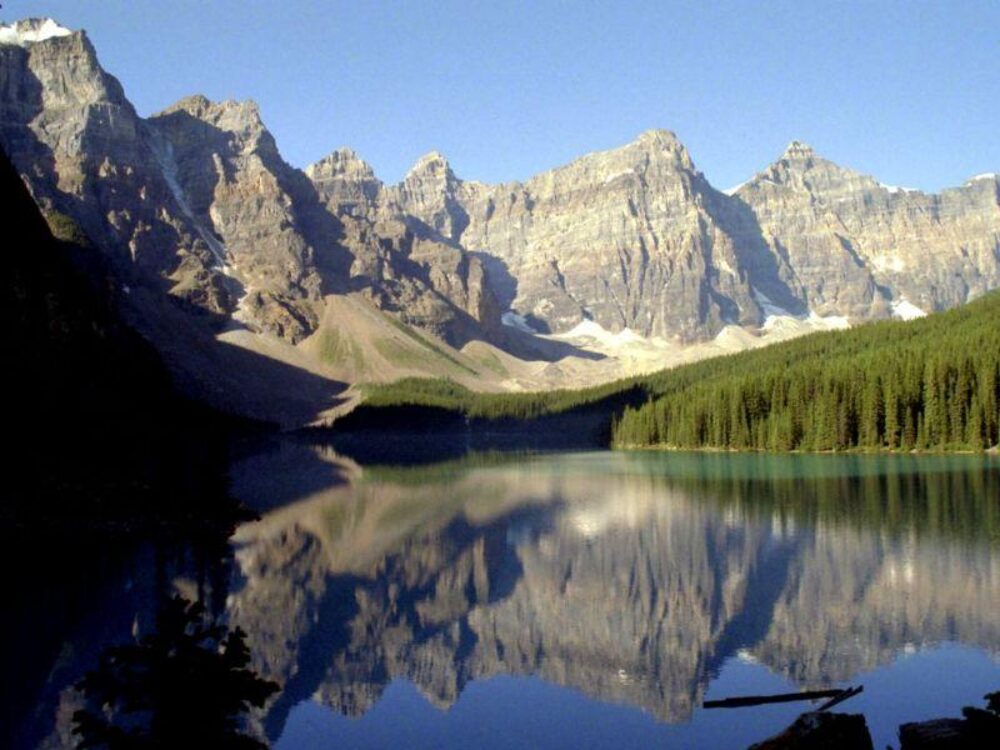
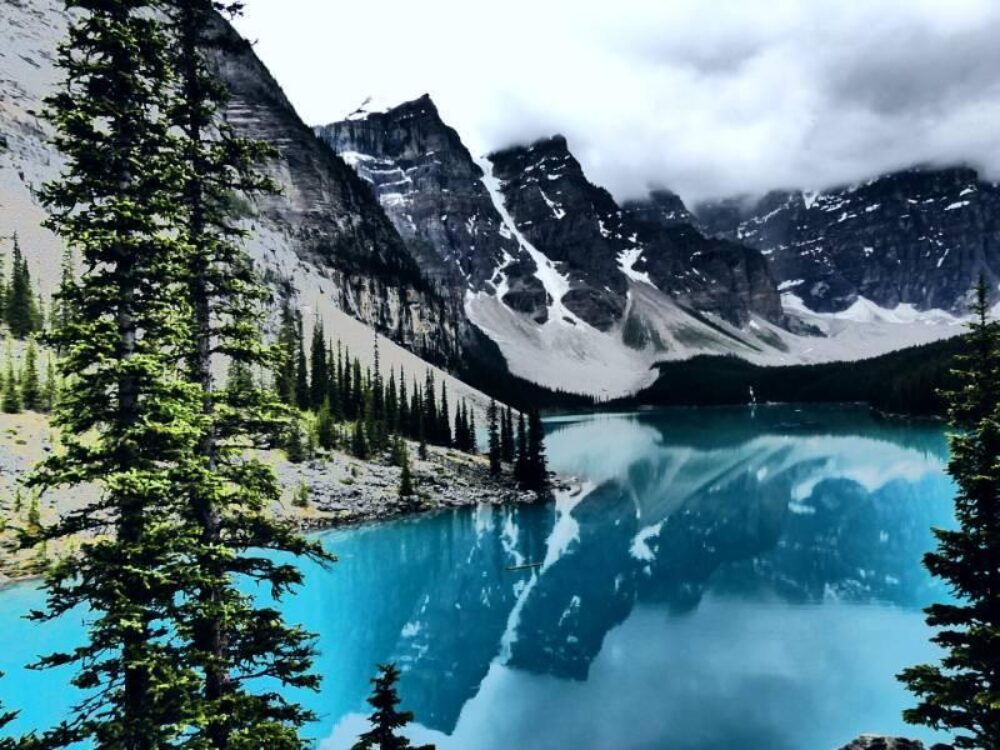
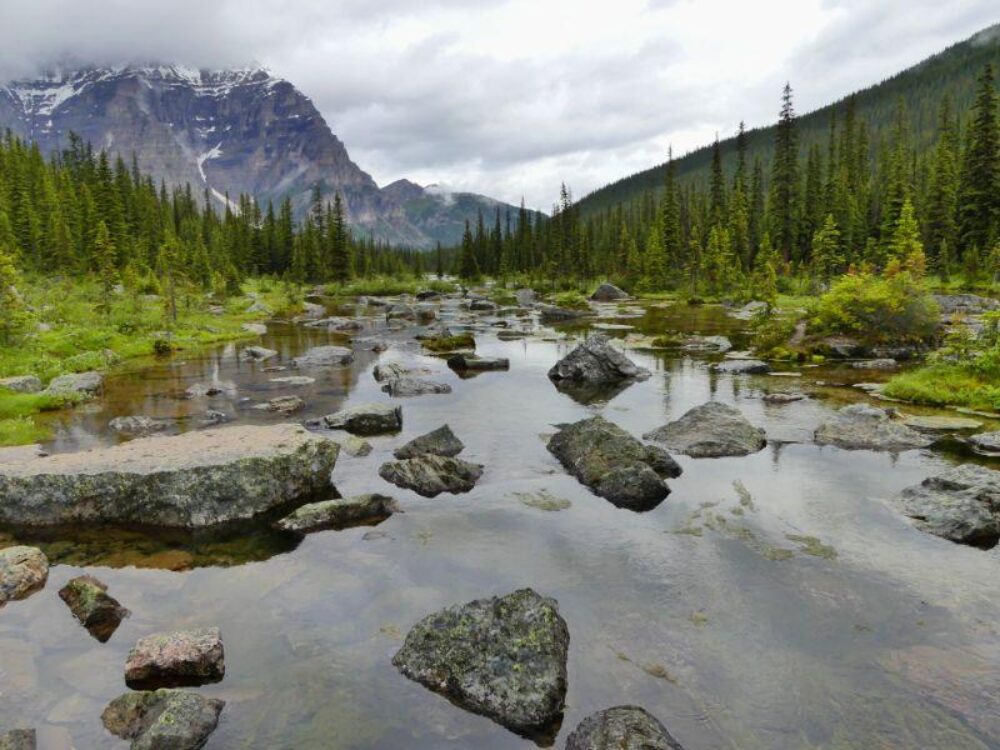
While best known for the pretty, although overrated, Lake Louise (best seen from the Beehive trail), the highlight is Moraine Lake from where there are magnificent hiking opportunities including Consolation Lake and Larch Valley - the first time I attempted the latter the trial was closed due to bears, this time we set off from the shore in pleasant sunshine and were greeted higher up by a snow storm. On a slightly sombre note, tourism has hit this area big style as you will read at the bottom of this blog.
The hiking in this area is some of the most scenic and spectacular in the world. Ranging from short walks and easy hikes to multi-day backcountry epics.
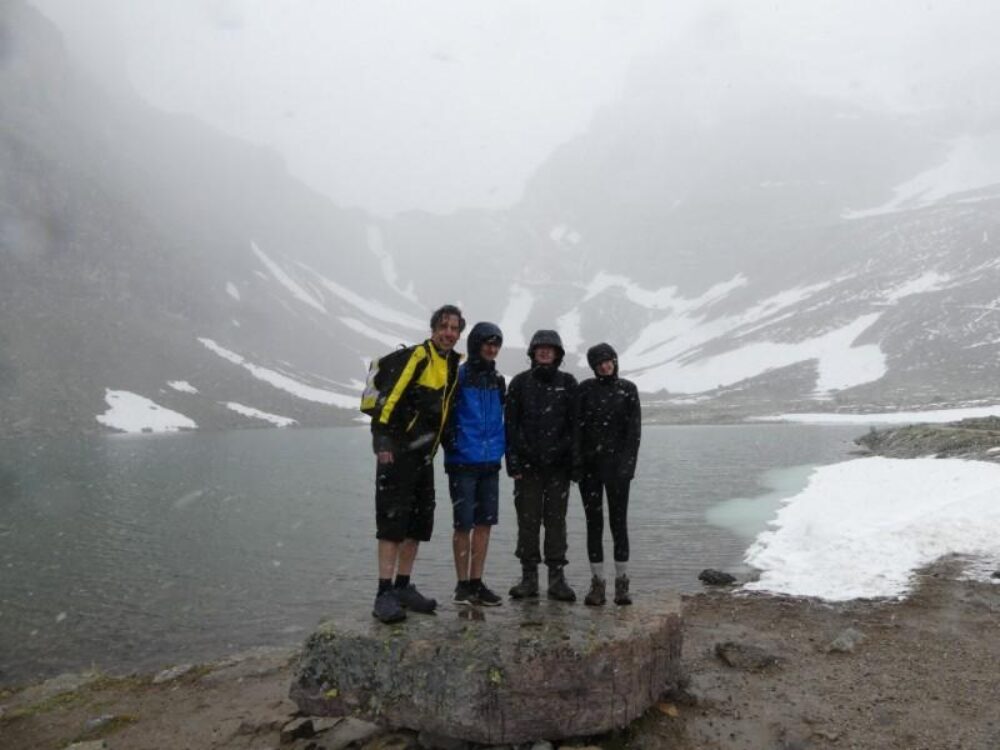
Respecting the locals ... the wildlife
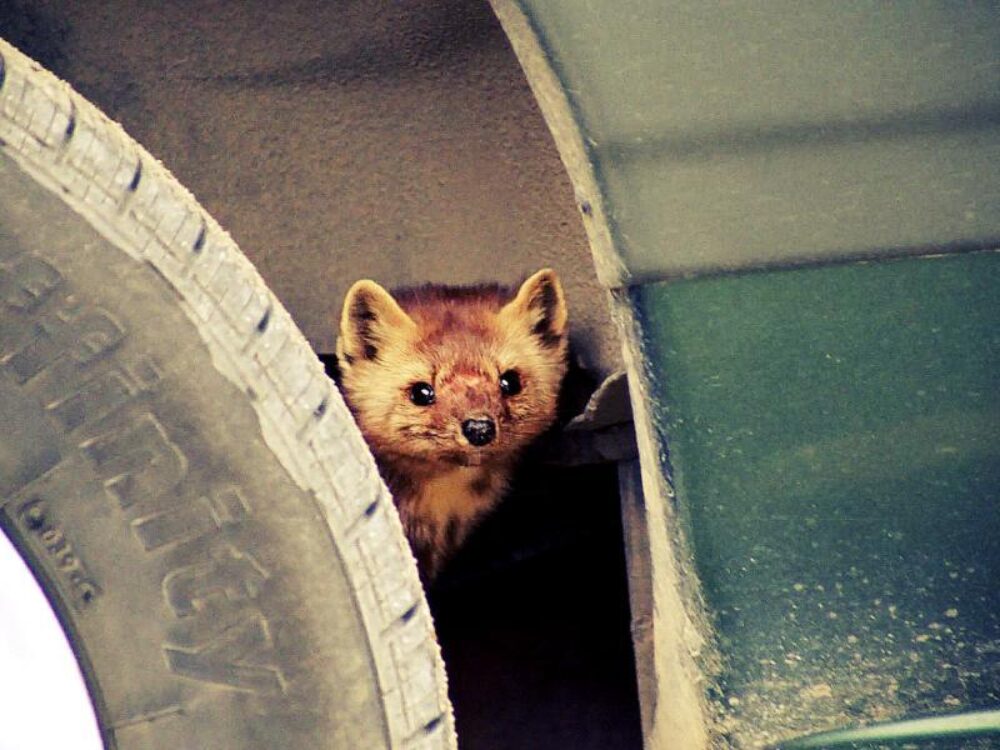
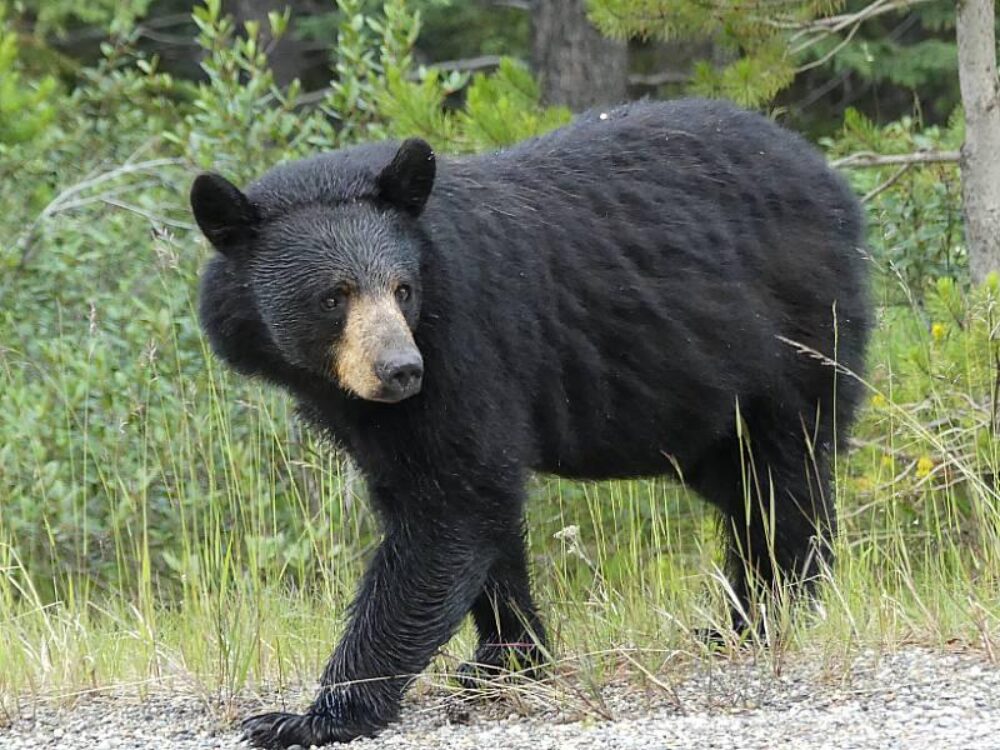
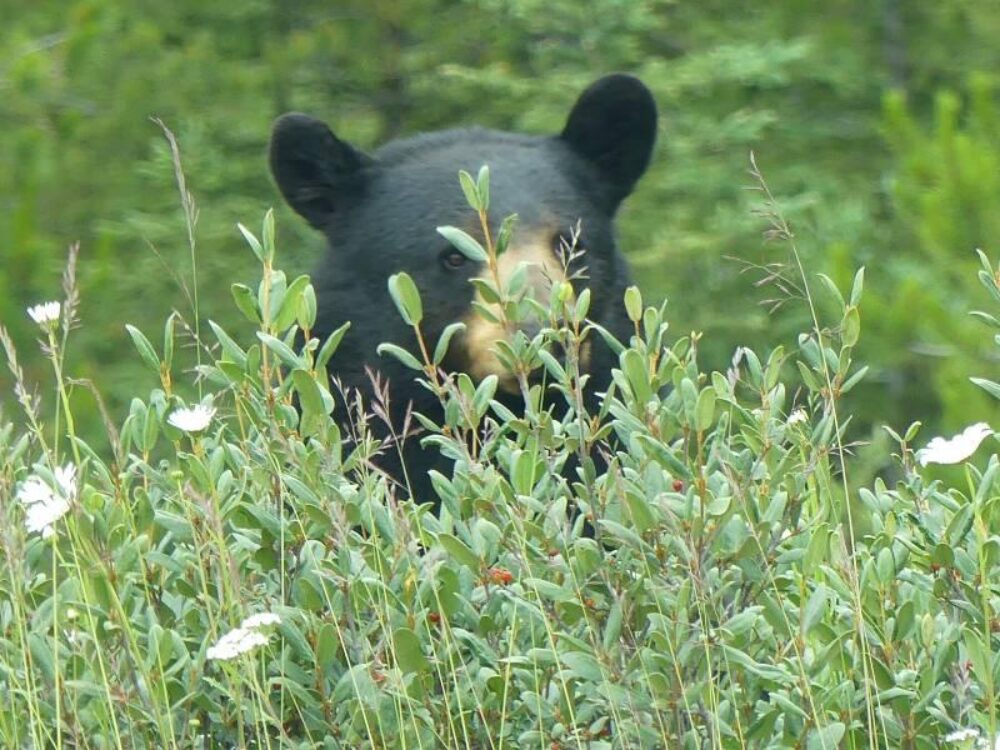
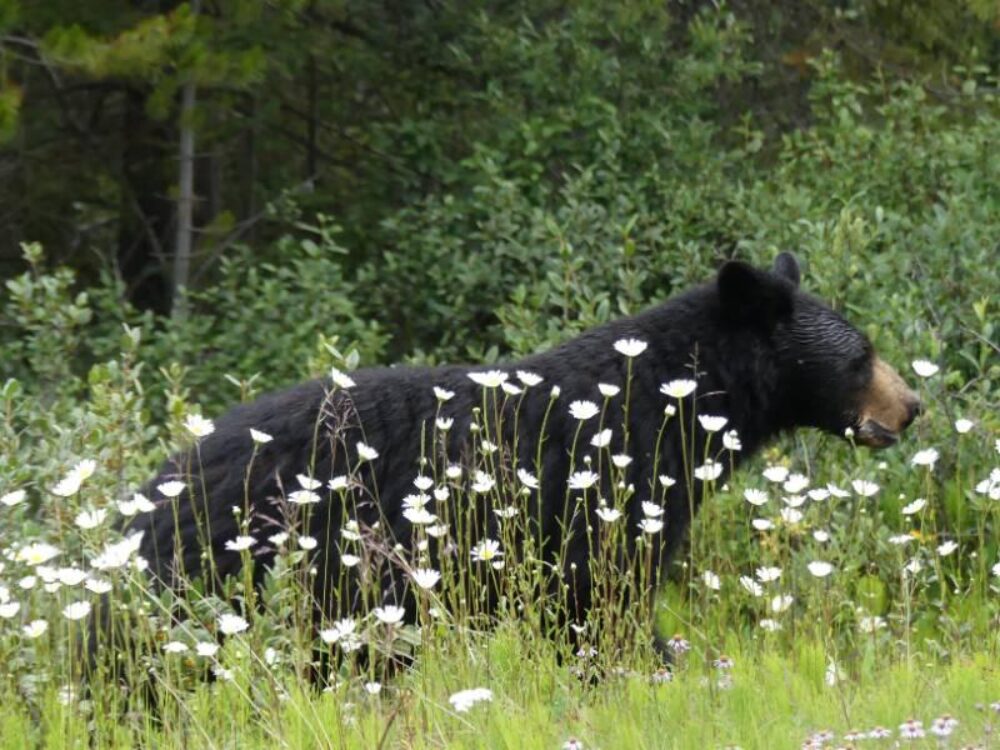
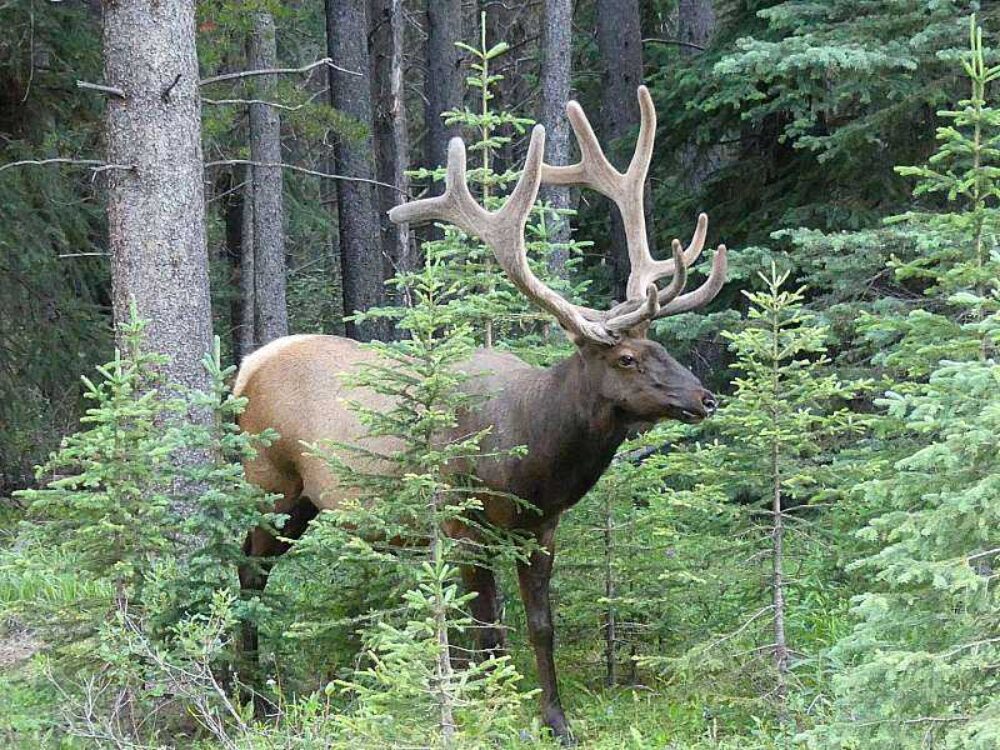
The Lake Louise area is rich in wildlife, most sightings are chance although dawn and dusk are the optimal times. One of the best chances of seeing Grizzly Bears from a safe distance is to take the gondola at Lake Louise ski resort, of course there is no guarantee, and a one-off lift ticket is expensive although better value if purchased with their fabulous breakfast. Both these photos are ''black'' bears, grizzlies are larger with a rounded face and short snout. Remarkably the cinnamon-coloured bear was spotted on our first morning right next to our hotel's car park .... although thanks to jet lag it was 5.45 am.
If you ever come skiing here don't be fooled by the ski brochures showing off the magnificent turquoise blue Lake Louise in the near background, for one the ski resort is a little distance away from the lake, and for two the lake is covered with ice and snow in the winter!


Yoho National Park
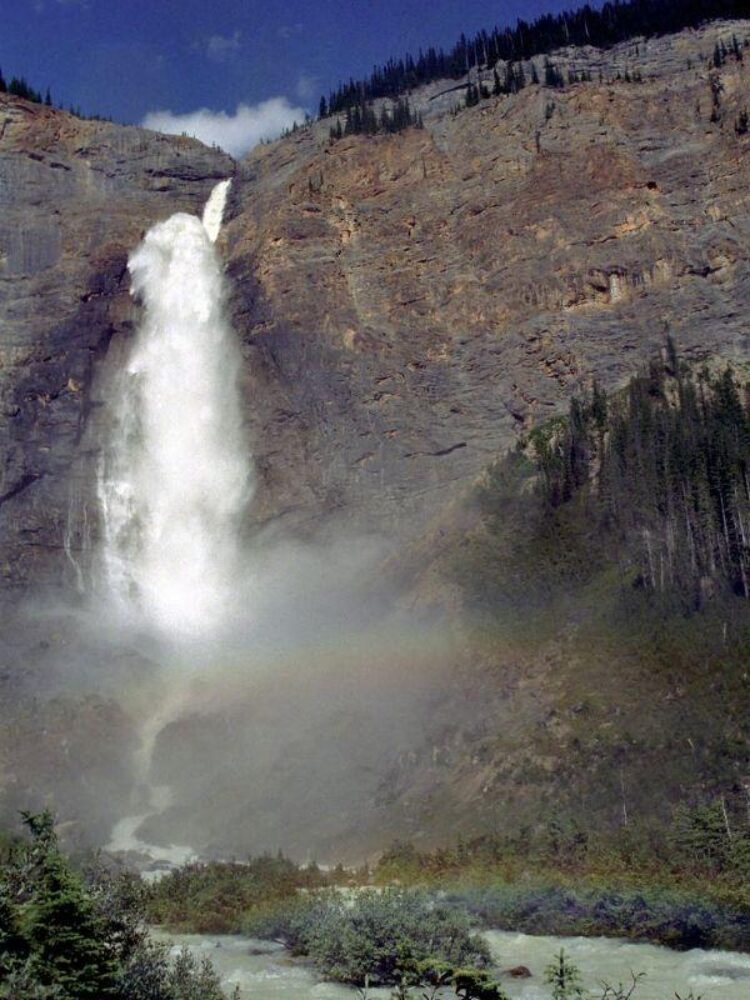
Only 20-minutes drive west from Lake Louise is Yoho National Park, home to at least 25 named peaks above 10,000 feet, glacial lakes, and hundreds of waterfalls, including Takakkaw, which at 373 metres is the second highest fall in Canada. Takakkaw, which translates to "wonderful" in Cree, is a short walk from the car park, most people stop at the base of the falls, but we decided to climb up the boulders to the left for a spectacular, and wet, close-up. A 16 km return trip hike from the fall's car park is Twin Falls, which is well worth the effort if time allows. Other impressive falls in the area include Wapta falls.
Emerald Lake is the largest lake located in Yoho National Park. With a beautiful green hue it truly stands up to its name. The colour is most intense in early summer when there is a high amount of glacial silt flowing from the surrounding mountains. Due to the high elevation of the lake it remains frozen from November to early June. There are numerous hiking opportunities including a 5.2 km trail circling the lake. The area is home to several bird species including eagles, osprey, and loons.
One of the most stunning sights in Yoho is the turquoise-coloured Lake O'Hara. The mountains surrounding the lake are home to some fabulous hiking trails leading high above the lake and providing outstanding views. On the shore of the lake is the Lake O'Hara Lodge and a campground, but access to the area is limited. A bus services the lake, but there is a quota limiting the number of passengers allowed into the area each day so advance reservations are required.
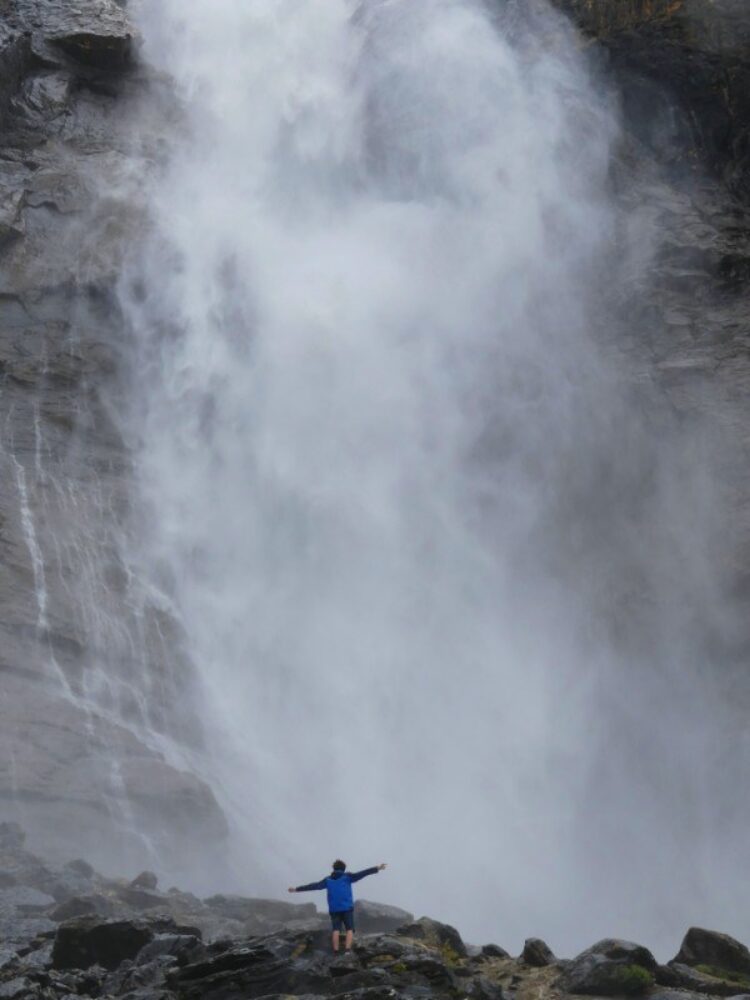
Whitewater rafting ... fun, but rather fresh
There are several opportunities for whitewater rafting in the Rockies of which the best is the Kicking Horse River, the companies running this class III-IV river are based in Golden, a 1-hour drive from Lake Louise. Be warned, even in mid-summer this glacial melt water remains cold, truly cold - even though you will be provided with waterproofs (including gloves if requested), a full on facial still takes the breath away!
The Icefields Parkway
Linking Lake Louise with Jasper is one of the world's most beautiful journeys, the Icefields Parkway (route 93N on the map), a 232 km stretch of road winding along the Continental Divide through soaring rocky mountain peaks, icefields, and vast sweeping valleys. With so much to see It is worth setting off early in the morning. One of the most impressive sights is Peyto Lake, a vibrant blue glacier fed lake located 40 km north of Lake Louise.
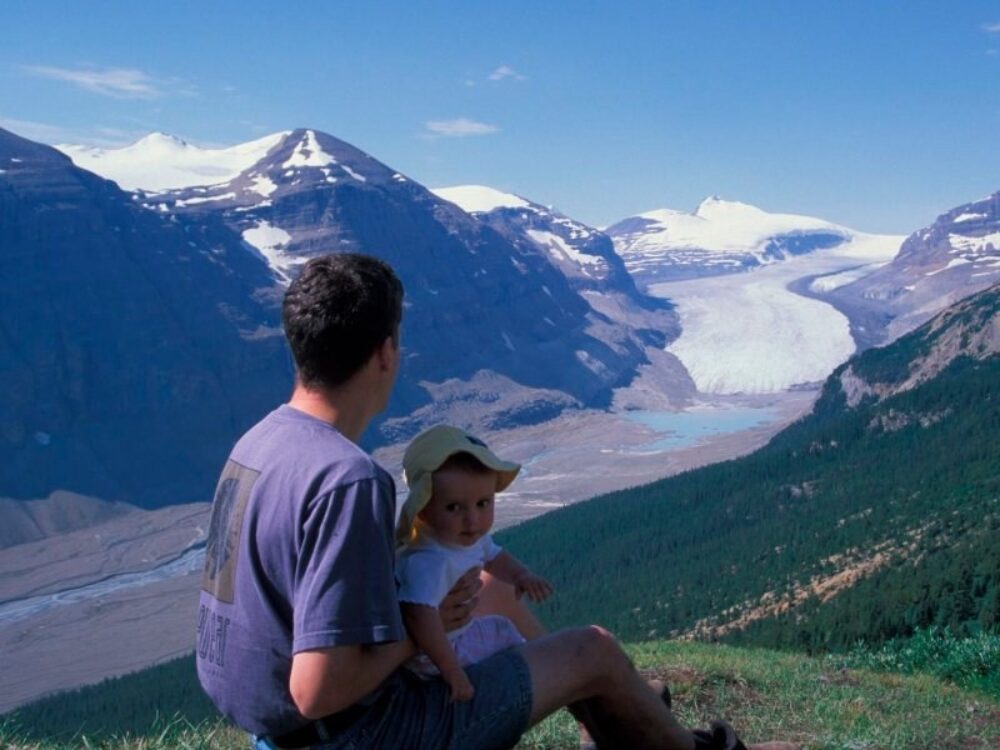
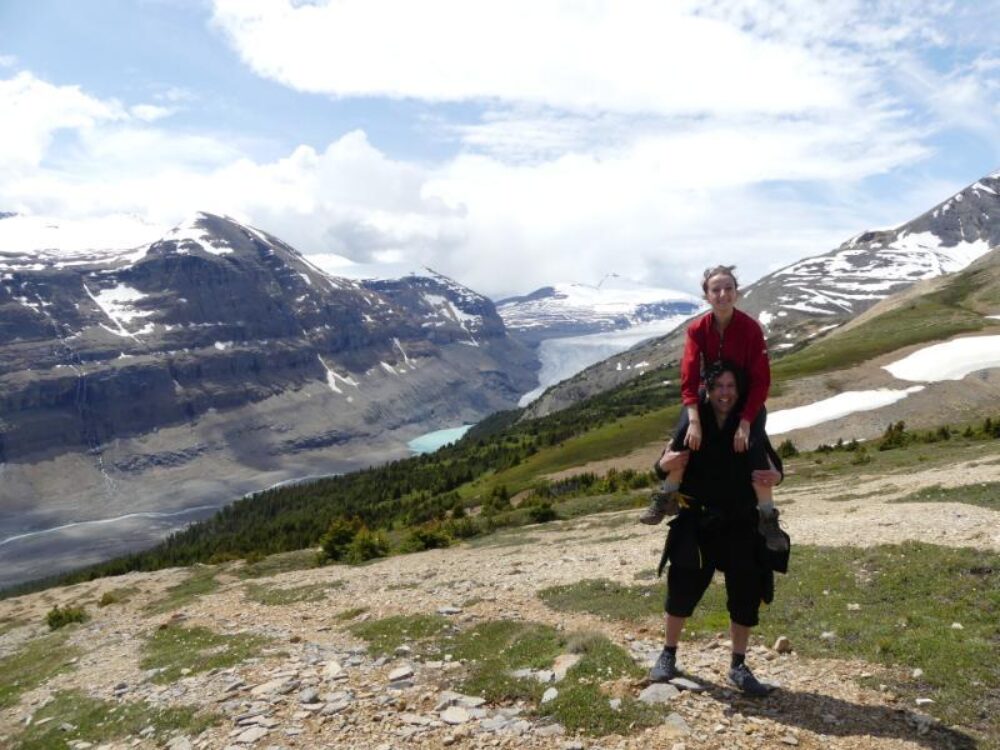
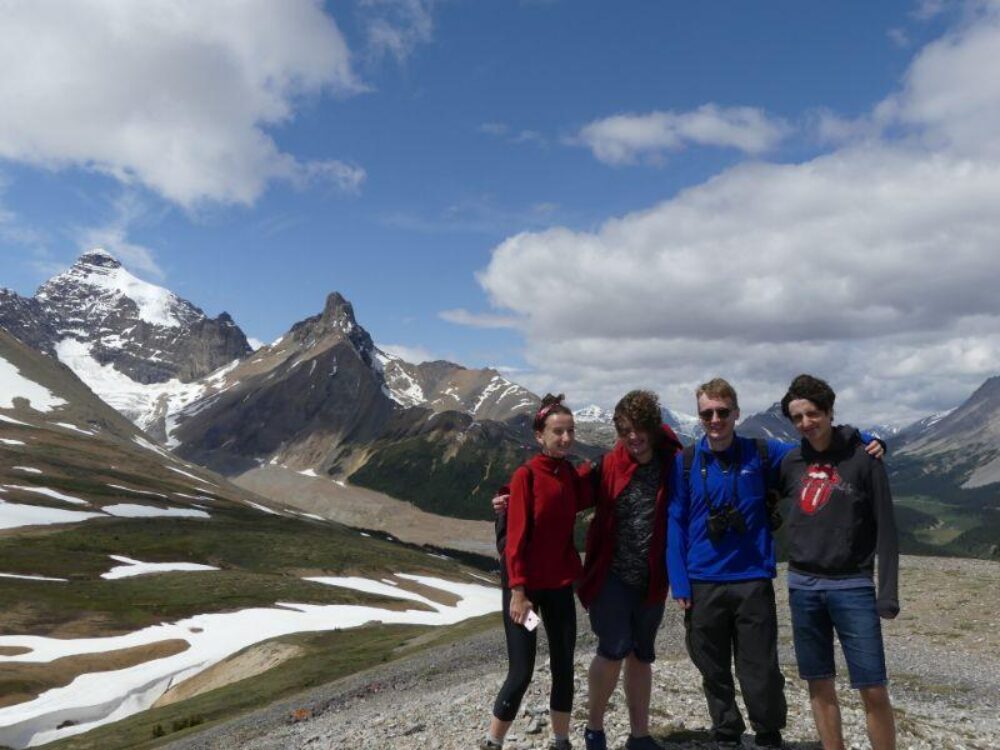
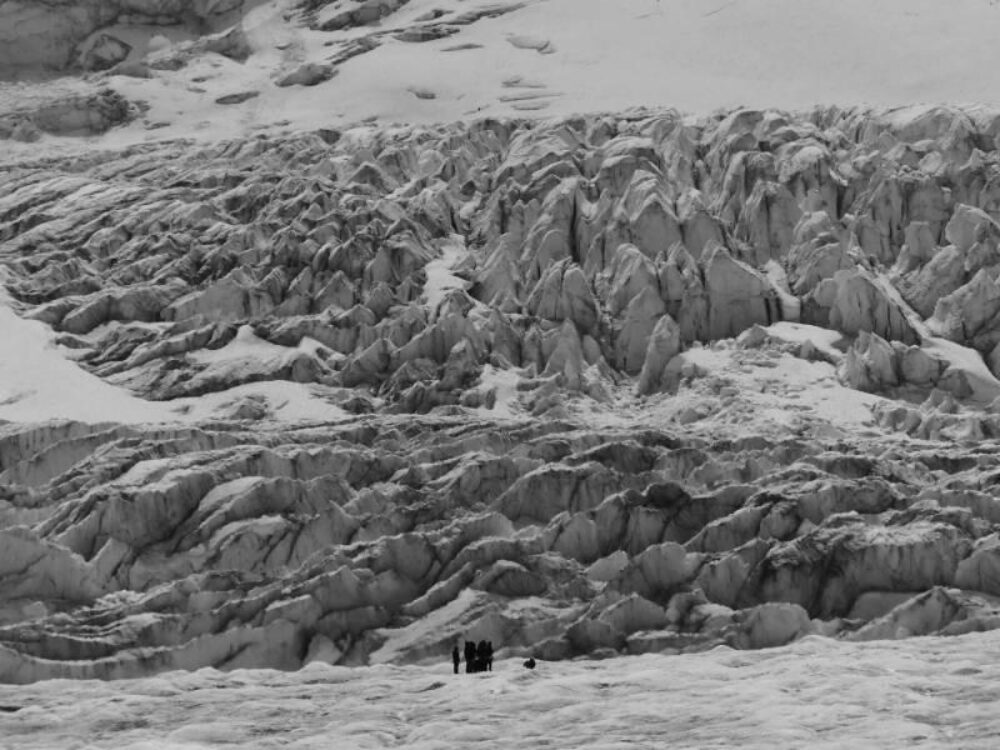
There are several hikes along the Icefields Parkway of which my favourite is Parker Ridge, affording fantastic views of several mountain ranges and the Saskatchewan Glacier. The hike takes approximately two hours rising 250 metres. The first time I took this hike my daughter was under 1 year of age, she can still get on my shoulders now! One of the other best hikes is Wilcox Pass, which offers hikers easy access to alpine meadows as well as incredible views of the peaks and glaciers on the eastern edge of the Columbia Icefield.
For further information read my blog on the Icefields Parkway.
A changing Earth
There are few places in the world as beautiful as the Canadian Rockies, but it is a place of change, and like many places in the world not for the better. When I previously visited Moraine Lake you could drive to the lake and sit in solitude ... now the masses have arrived, indeed for most the only way of getting there in summer is a park & ride to Lake Louise, followed by another bus ride to Moraine Lake, with all the queues one can expect a 2-3 hour journey for a 13 km ride. Of course this helps manage the masses, which in turn tries to protect the fragile environment, so for one I am not complaining.
As with other beautiful parts of our planet, the masses have arrived because of the internet, at a click of a button we are able to visualize places that then become part of our bucket list. This is something that has made me question the writing of my travel blogs, however, I then remembered the reason as to why I write these blogs, which is to try and help encourage more people to challenge their own lifestyles and become more sustainable.
Our politics are centred around economic growth, sadly most current forms of economic growth arise from the continued purging of our natural resources, ultimately resulting in loss of habitat and wildlife. Economic growth arises because of increasing human population and individually because we always seem to want more, having enough appears no longer adequate. Unless we consider quality over quantity our excesses may one day be our downfall.
This sounds dramatic but it isn't, man has destroyed 60% of the wildlife population in the last 40 years, the Amazon is burning and dwindling resources increase the risk of human conflict. The destruction of the Amazon cannot be underestimated - displacement of indigenous populations, species extinction, increase in CO2 levels and the loss of potential new medical cures, so much of our medicine is derived from the natural world.
Is it not correct to think everything has a right to life, no matter how big or how small? I receive no income for the writing of this or my other websites. All I ask is that if you use this website to consider what more you can do to protect our beautiful planet for future generations. I have compiled a list of Ten Ways YOU can Build a Better Future - our World is on a Brink, please help.