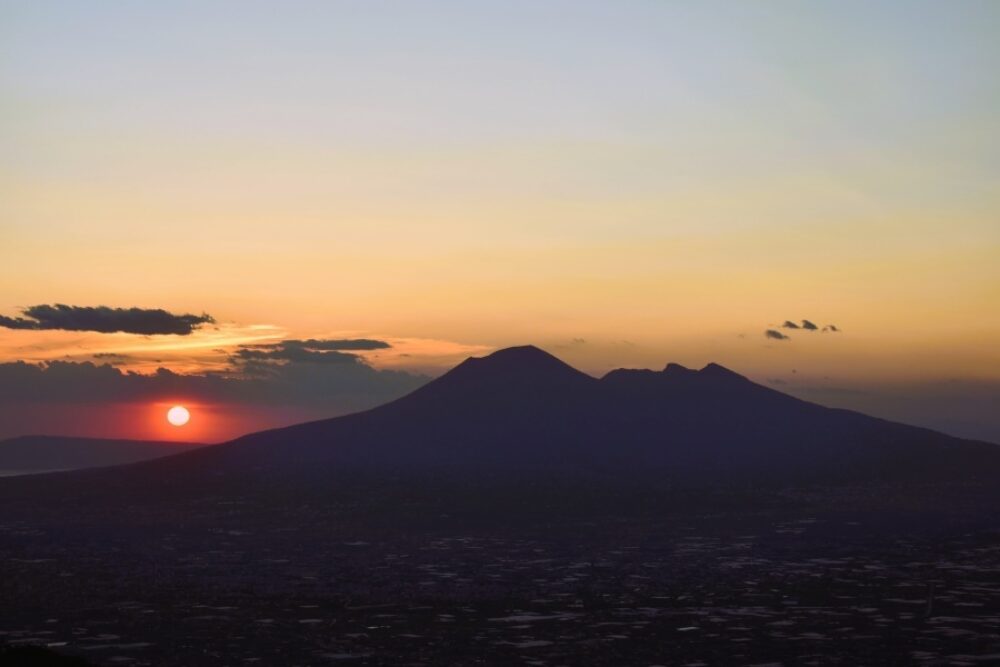
The Amalfi Coast and Pompeii
Deemed an outstanding example of a Mediterranean landscape by UNESCO, the Amalfi Coast is one of Italy's most memorable destinations. Here, mountains plunge into the sea in a nail-biting vertical scene of precipitous crags, cliff-clinging abodes and verdant woodland.
An overview
You need at least one week to explore this region properly. Where you stay and how you get about partly depends on when you visit. If you fancy a laid back vacation in high season then consider Sorrento and forget the idea of car rental - the roads are narrow, the traffic insane, and parking can be a nightmare, but you need not worry as the main towns have boat shuttles between them, and there is good public transport to Pompeii.
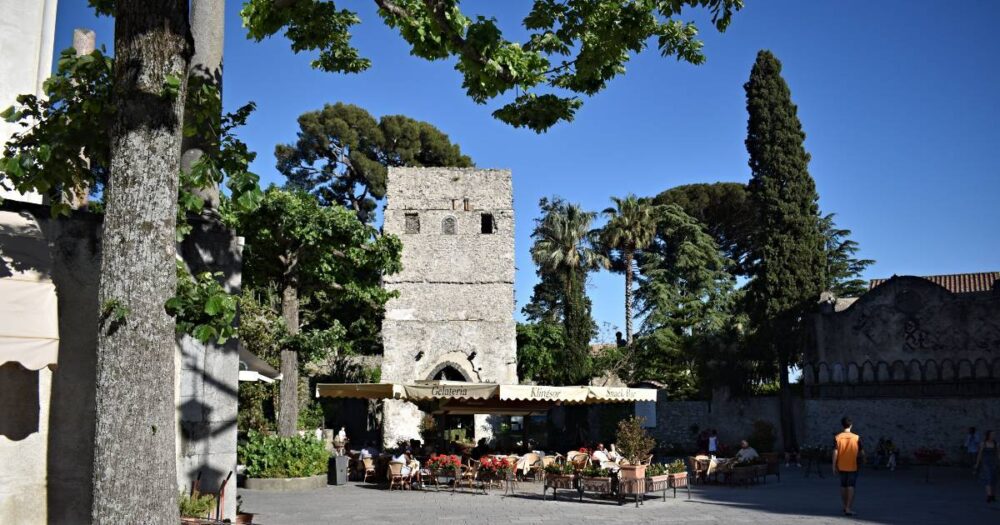
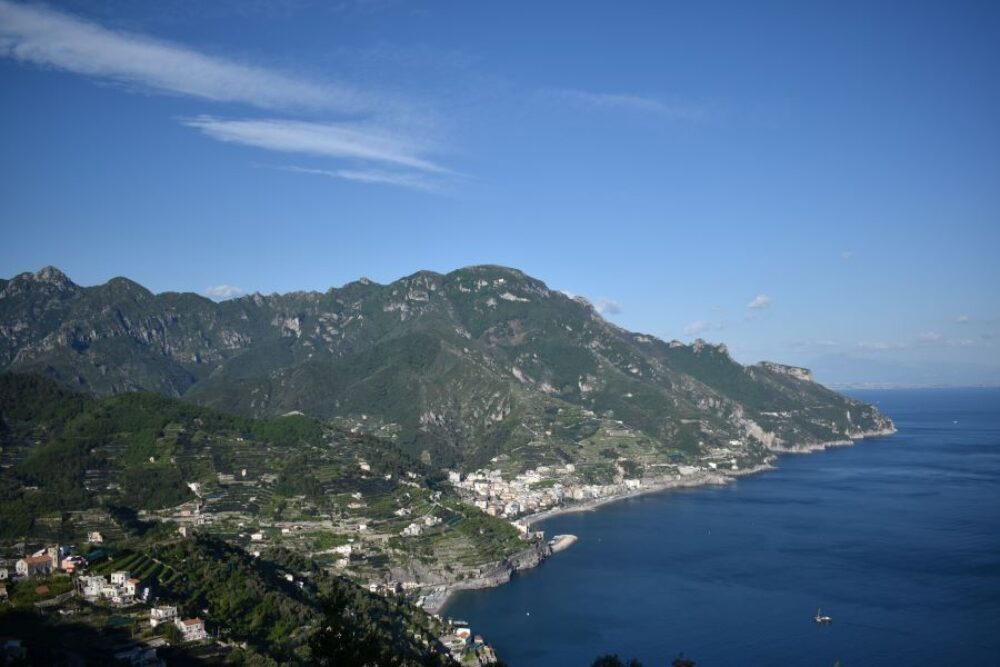
My son and I wanted a different experience so we opted for April, rented a car, and stayed in the small village of Ravello (images above and below - clicking on any image shows the location). At this time of year the weather is more pleasant and the roads quieter. In terms of Ravello, it is very laid back and provides good access to the other towns of the Amalfi coast. The road heading north from Ravello takes you towards Pompeii, Herculaneum and Vesuvius.
Towns of the Amalfi Coast
Travelling from West to East along the Amalfi coastline are a string of fabled towns reading like a Hollywood cast list:
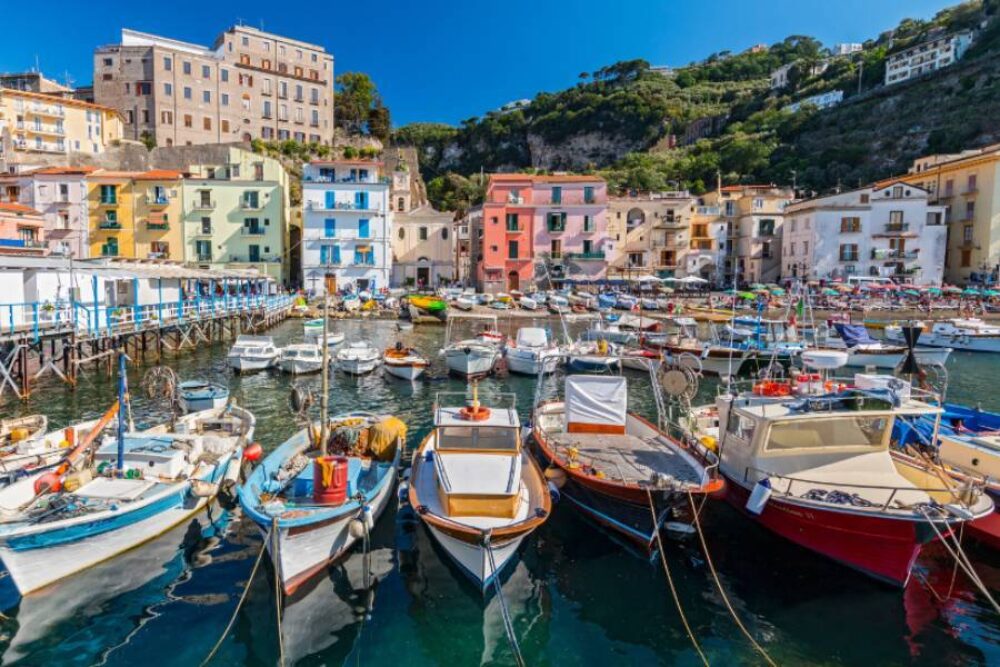
- Sorrento - a handsome clifftop resort that has miraculously survived the onslaught of package tourism. The town’s longstanding popularity stems from its location at the western gateway to the Amalfi Coast. It is also on the train line to Pompeii and has regular fast-ferry connections to Naples and Capri
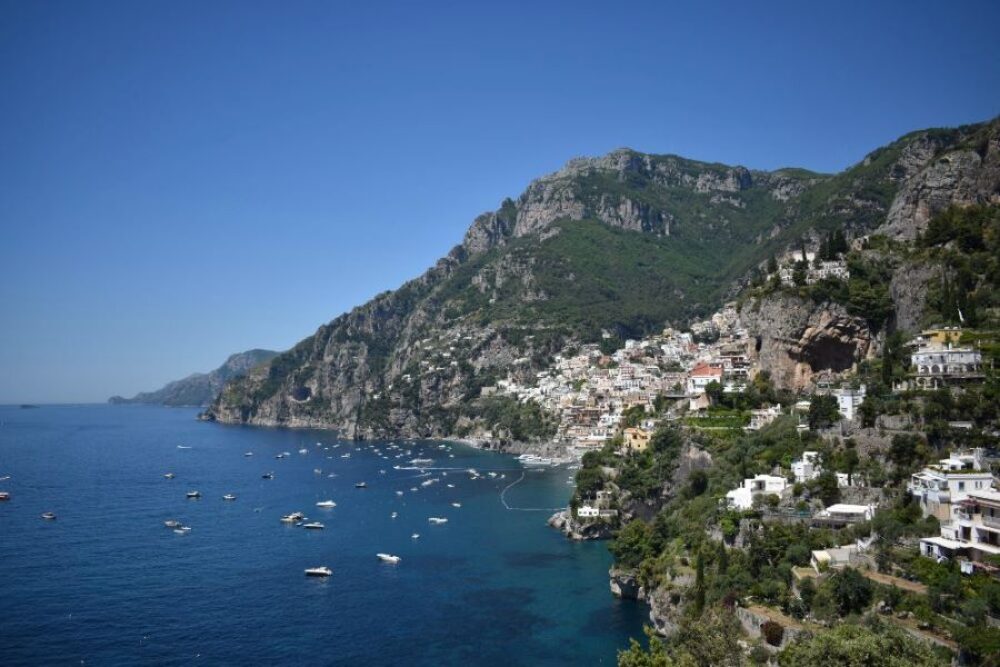
- Positano (image - blog cover) - the jet-set favourite, Positano is the Amalfi Coast's front-cover splash, with vertiginous houses tumbling down to the sea in a cascade of sun-bleached peach, pink and terracotta. The main issue is parking - Positano has a very narrow geographical layout, so there are few parking areas, and public parking is often reserved for residents only. Usually, the only option for Positano visitors is paying for a parking garage or staying in a hotel that provides parking places. If you are visiting for the day the best option is to use the ferry service that connects Positano to other beautiful towns on the Amalfi coast
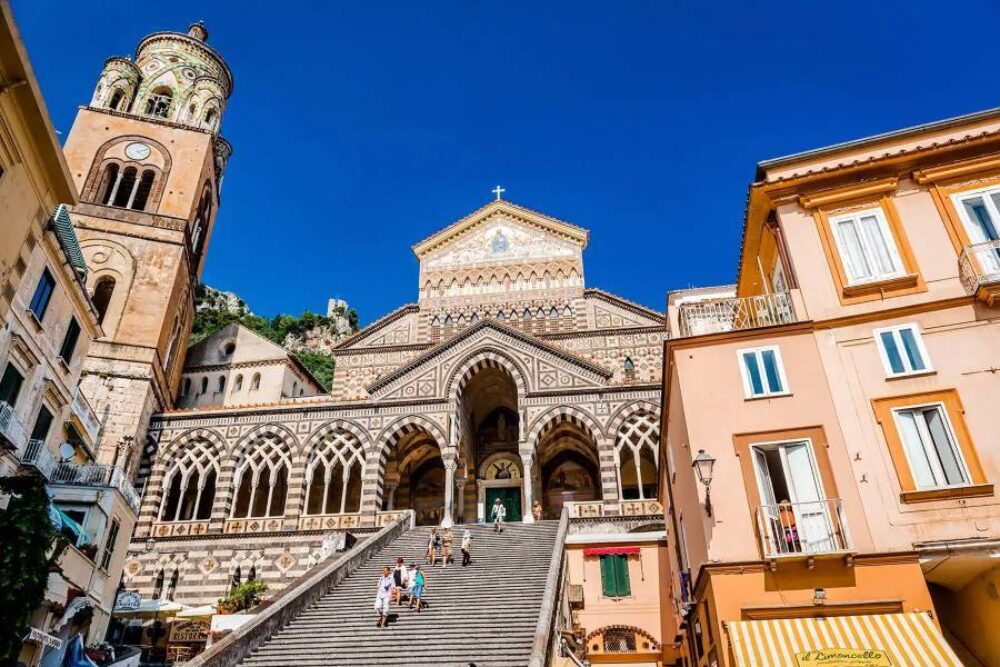
- Amalfi - as the name suggests, Amalfi is the town that gives the name to the area. Medieval in origin, Amalfi saw a time of splendour in the 10-11th Century, a time when it dominated the trade routes of the Mediterranean. Amalfi's most iconic feature is arguably the Arabic-Norman cathedral
- Ravello - founded in the 5th century as a sanctuary from barbarian invaders fresh from sacking Rome, Ravello is perched on a hilltop more than 365 meters (1200 feet) above the Mediterranean and far removed from the crowds that flock to the towns of Amalfi and Positano
Sentiero degli Dei (the Path of the Gods)
Going between the towns of Bomerano and Nocelle, the Path of the Gods is a 6.5 km hike (2-4 hours) that takes you high above Positano and offers stunning views of the Amalfi Coast. I recommend starting out early in the morning to avoid the heat (there is little shade) and crowds.
It is best to start from Bomerano as the route runs gently downhill with magnificent views of the coastline and the island of Capri. You can drive to Bomerano but that means having to hike back up, as such a better option is to get a bus or taxi to Bomerano, hike down to Nocello, and then extend your walk by taking the 1700 steps down to Positano (image below) to enjoy the rest of your day.
The Island of Capri
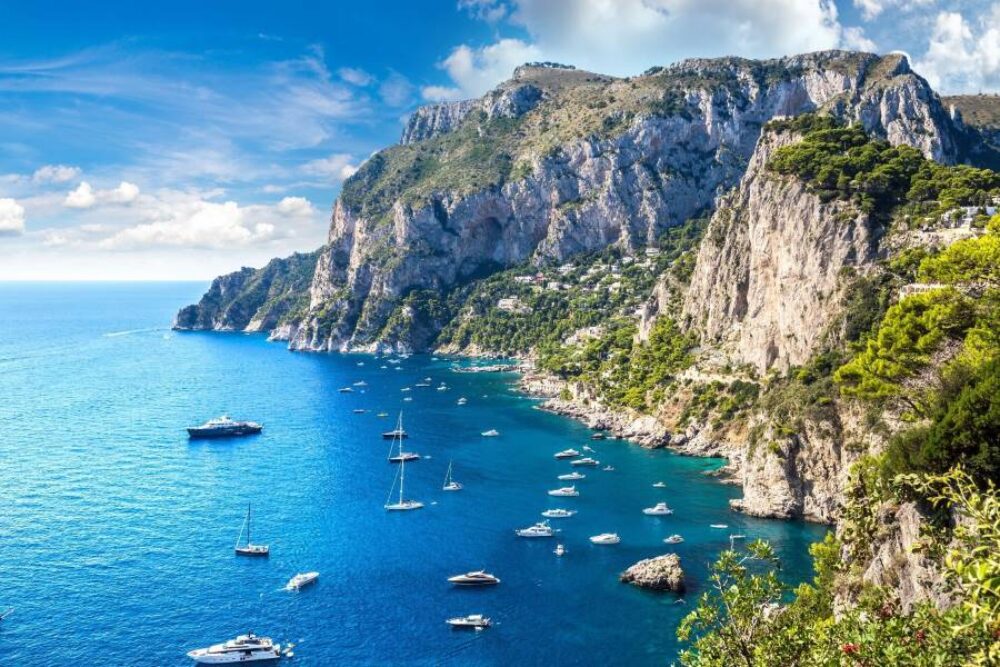
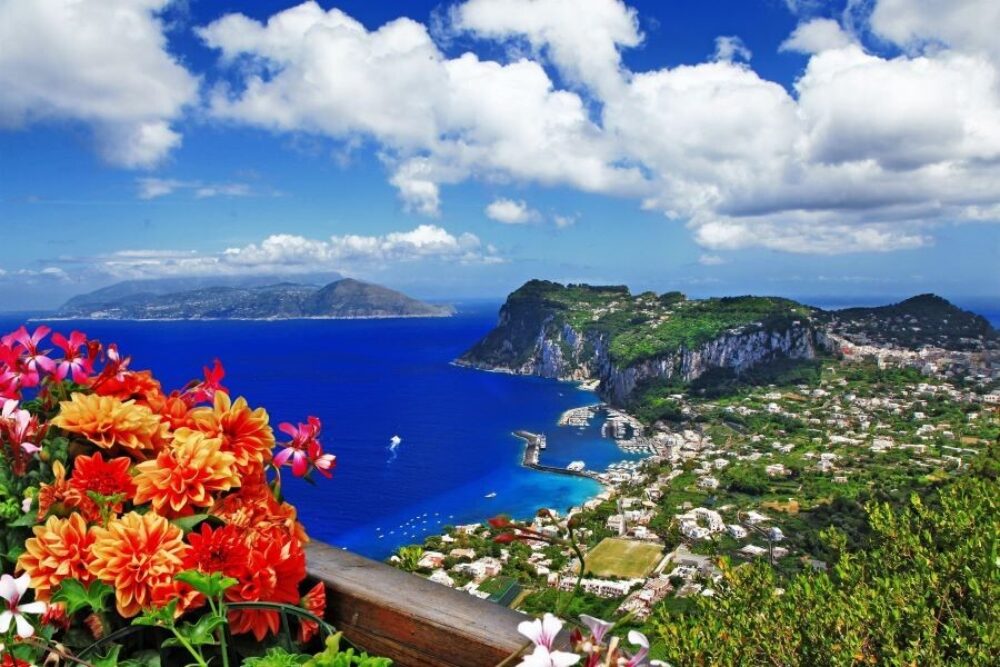
For most of us mere mortals, the Island of Capri is a day trip - with steep cliffs rising majestically from an impossibly blue sea, elegant villas dripping with wisteria, and world-class shopping, Capri is long a preserve of celebrities who anchor their yachts in Marina Grande.
You can easily reach Carpi by ferry, or you can take a boat tour and include other stops such as the Blue Grotto - the grotto’s extraordinary optical effect is created by the sunlight bouncing on the cave walls, producing electric-blue water that seems to glow.
There are two separate towns on Capri. Most visitors only visit Capri town, with its well-known attractions such as the Piazzetta, Marina Piccola and the famous shopping streets. The other town, Anacapri is a short bus or taxi ride away, from here you can take the chair lift to the top of Monte Solaro, which at 589 metres is the high point of Capri.
Pompeii and Mount Vesuvius - a bit of history
- The 79AD eruption of Mount Vesuvius was the first time the volcano had erupted for 1,800 years. The people of Pompeii didn’t know what a volcano was
- The eruption happened the day after the religious festival of Vulcan, who was the Roman god of fire
- The initial ‘mushroom’ cloud that shot out from the volcano as a column reached over 20 miles into the air
- It has been estimated that the pyroclastic flow (molten and ash) from Vesuvius may have moved down the mountain as fast as 450 miles per hour and was estimated to be as hot as 1,830°F or 999°C
- Pompeii wasn’t the only settlement destroyed by the eruption - Herculaneum and Torre Annunziata were also destroyed. It is thought that of 20,000 inhabitants of Pompeii and 5,000 inhabitants of nearby Herculaneum, around 16,000 people died as a result of the eruption
- Pompeii was rediscovered in 1748 when builders were constructing a palace for King Charles III
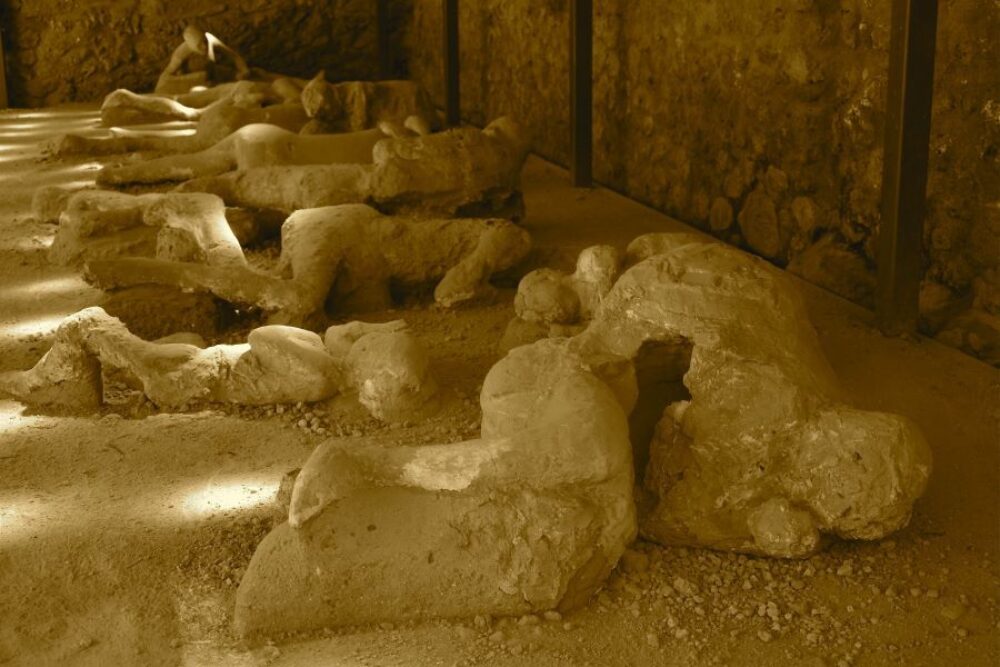
- Archaeologists found cavities or holes around the skeletons of some of the people they found in Pompeii - by pouring plaster into them, they formed casts of the people. These casts can be found dotted around Pompeii, showing where these people were when they were hit by the pyroclastic flow
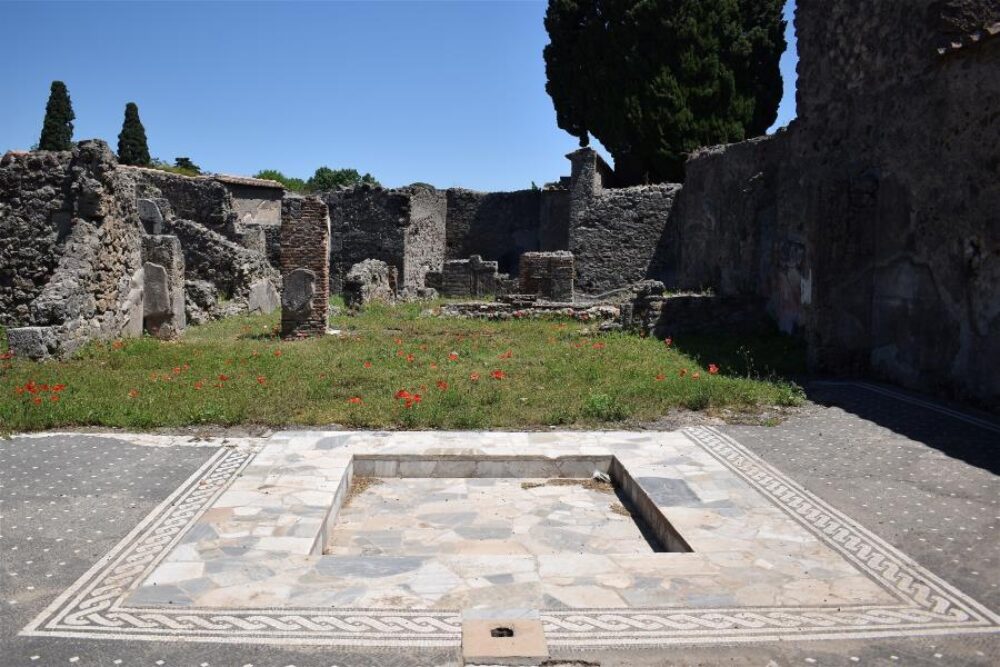
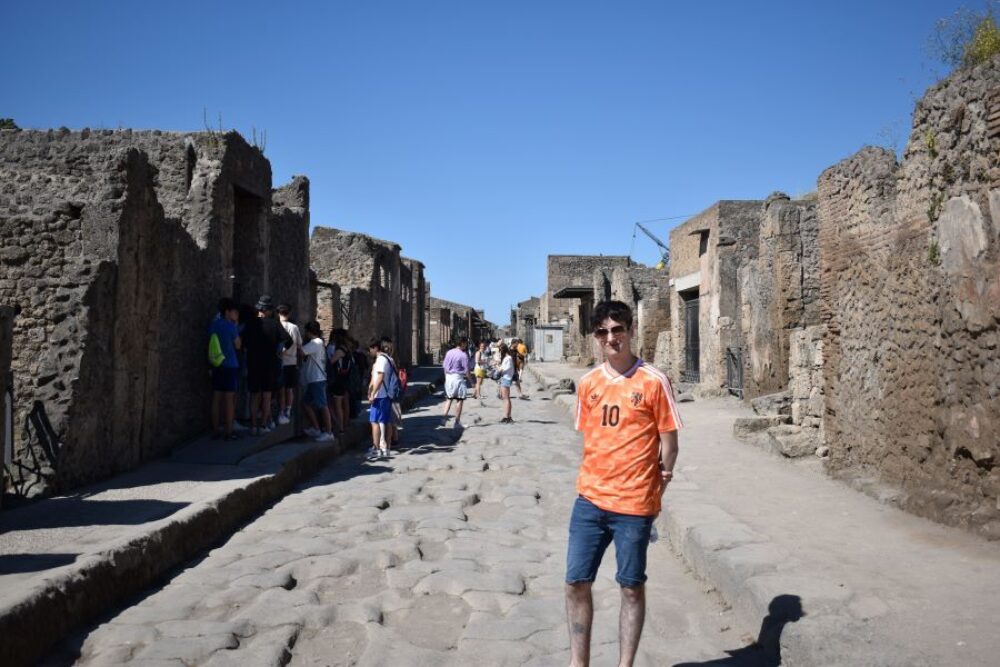
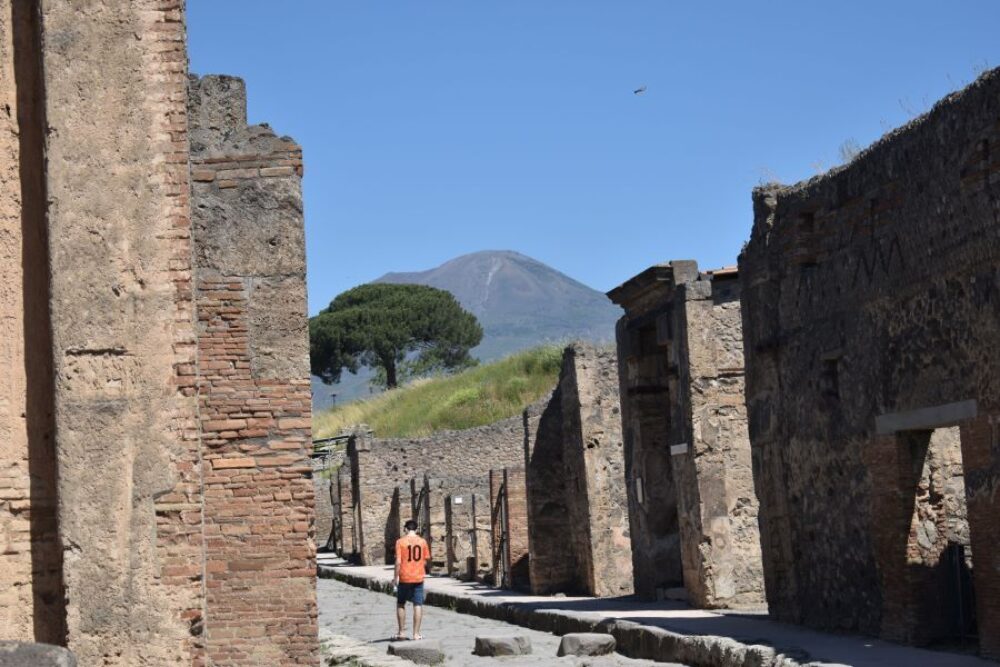
Visiting Pompeii
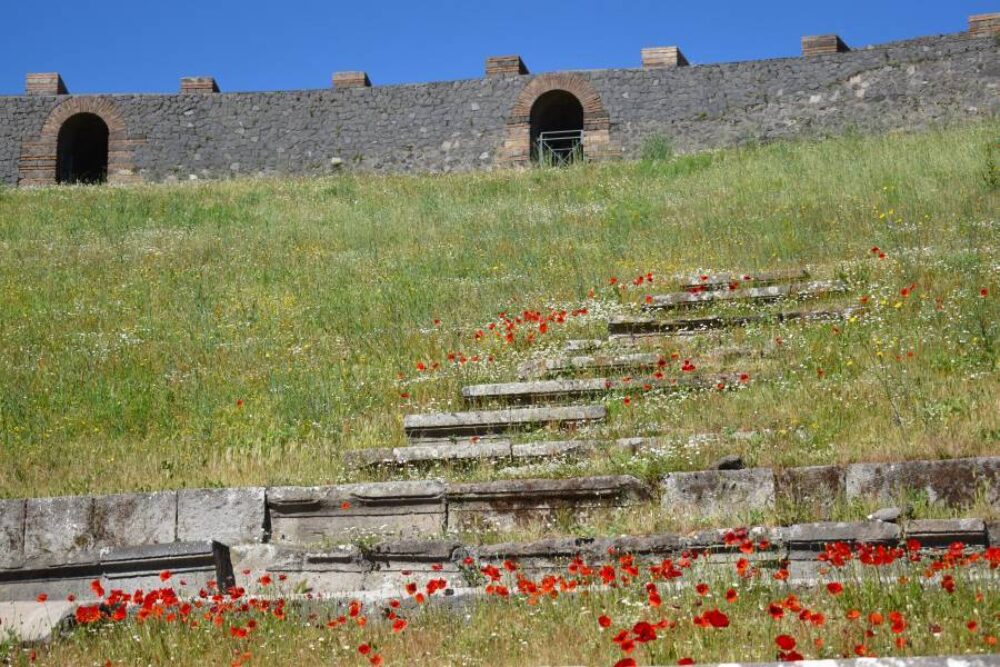
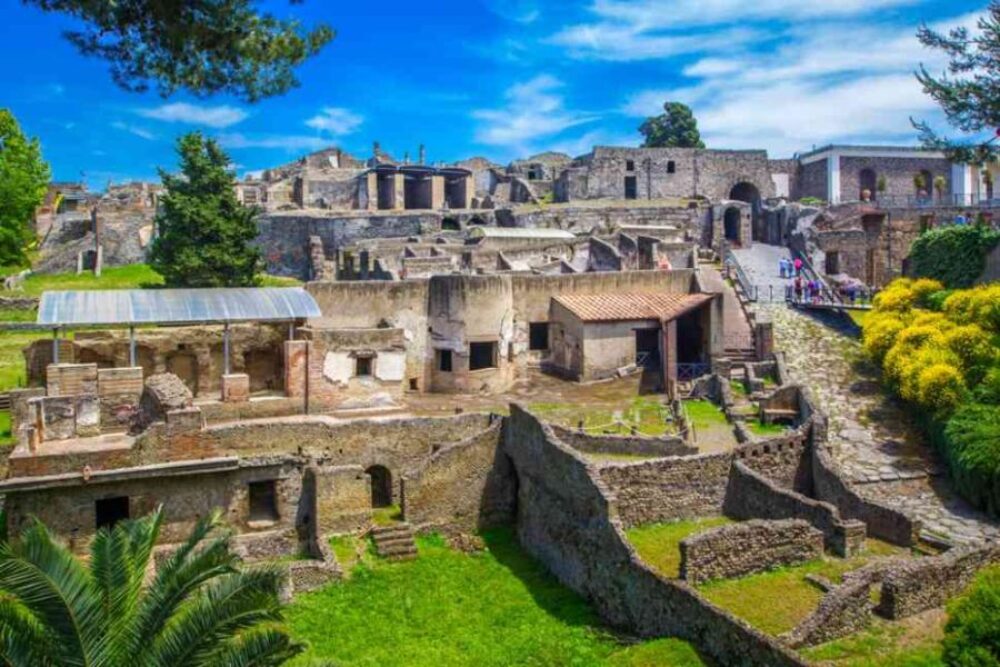
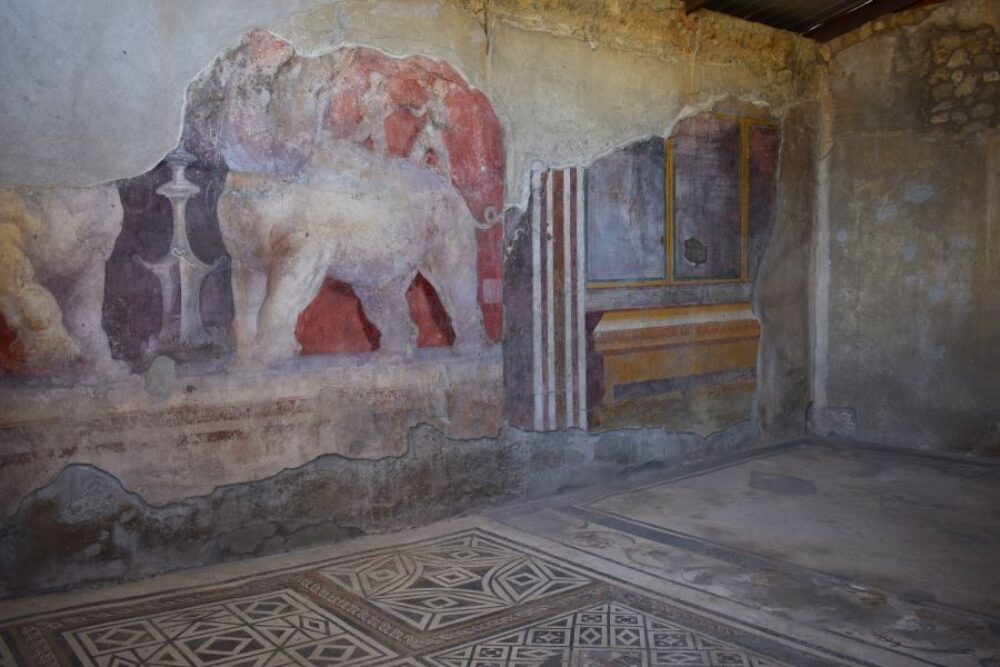
Pompeii is a UNESCO Heritage Site, which means it is protected and preserved, offering a complete vision of an ancient town, from the public to private life.
Pompeii gets hot in the late spring and summer so getting here early is advisable, as is taking your own food .... the food on offer isn't great. Pompeii can be reached by car, bus, or train. Given the size of Pompeii it is possible to spend anywhere from a few hours to a full day here. If you are interested in history then I am sure a guided tour would be your best bet. My son and I were satisfied with our own made up tour that took us around some of the highlights:
- enter at the Piazza Anfiteatro,
- head to the Amphitheatre and the Palaestra,
- walk clockwise to the Garden of the Fugitives (preserved plaster casts), the Large Theatre and gladiator barracks,
- head up the map to the main brothel (Lupanar des escalses),
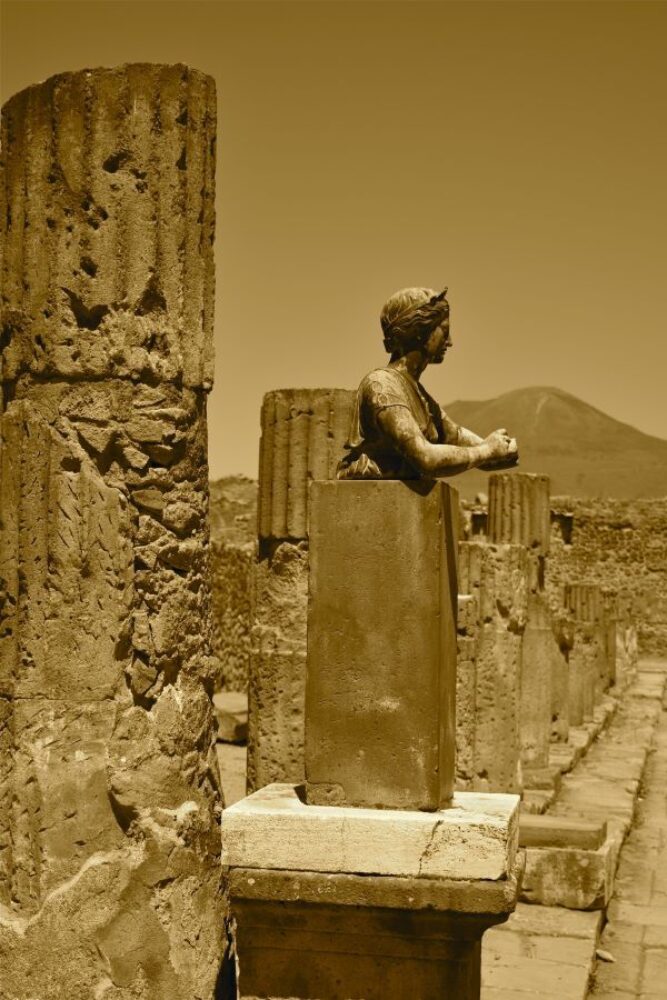
- walk west (on the map) to the Forum Of Pompeii, Temple of Apollo and Forum baths,
- then go northwest to the Villa Dei Misteri,
- finally, keeping walking around the top of Pompeii taking in the views of Vesuvius, looking for opportunities to get above Pompeii, and strolling through the streets
Don't blame me if you get lost - a strong sense of direction has never been one of my strong points!
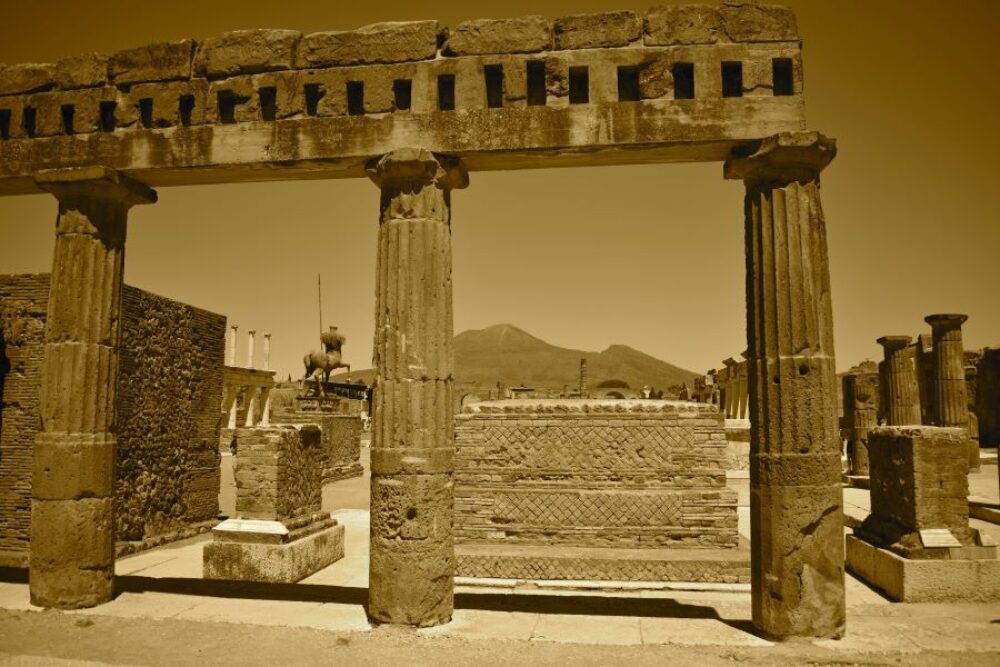
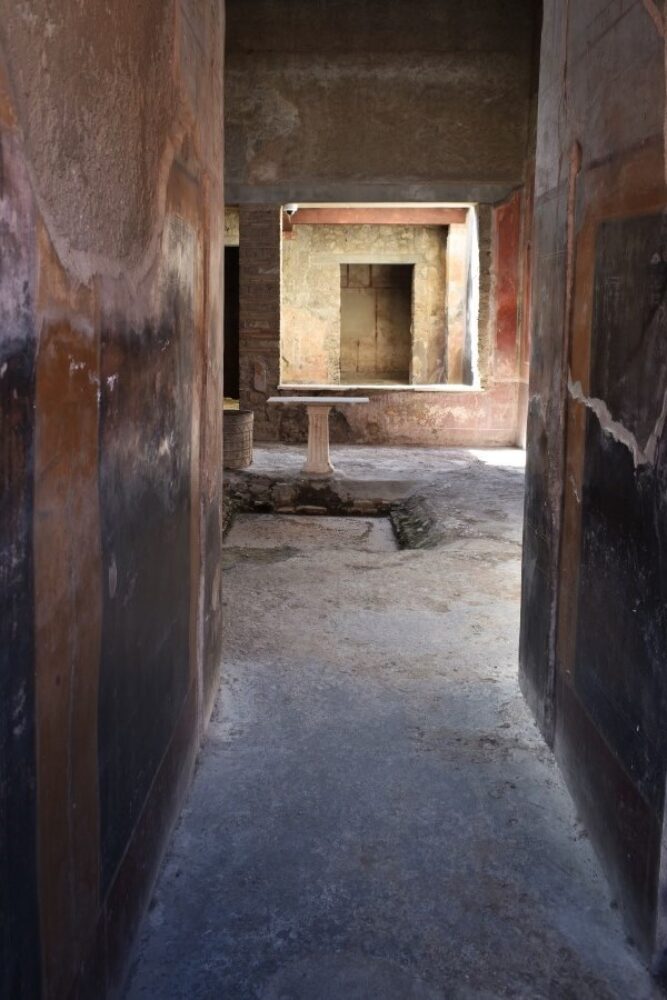
Herculaneum
We visited both Pompeii and Herculaneum, if you have time to do only one I recommend Pompeii.
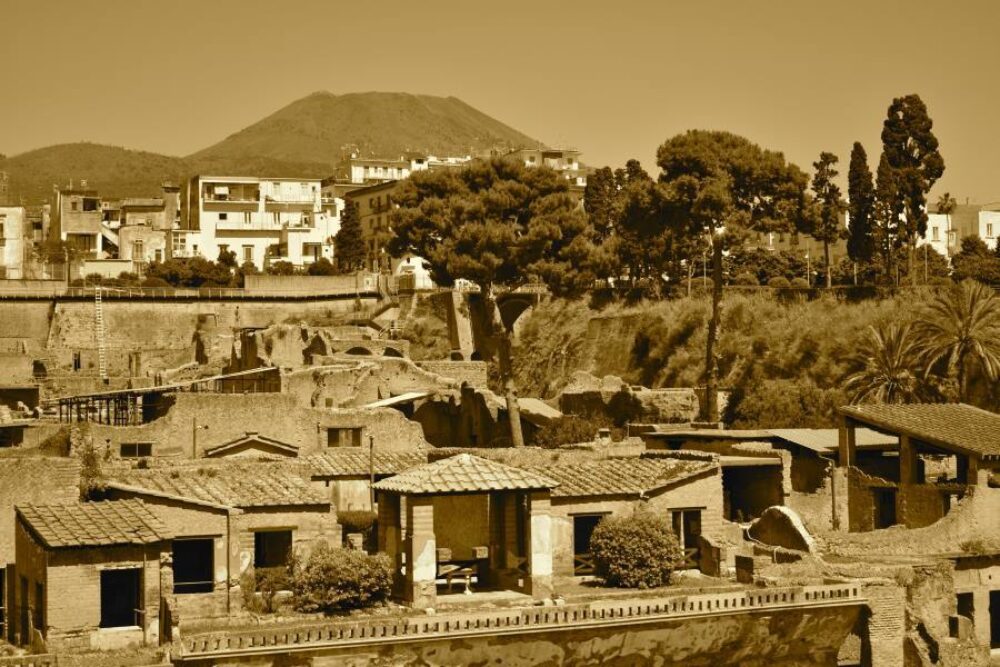
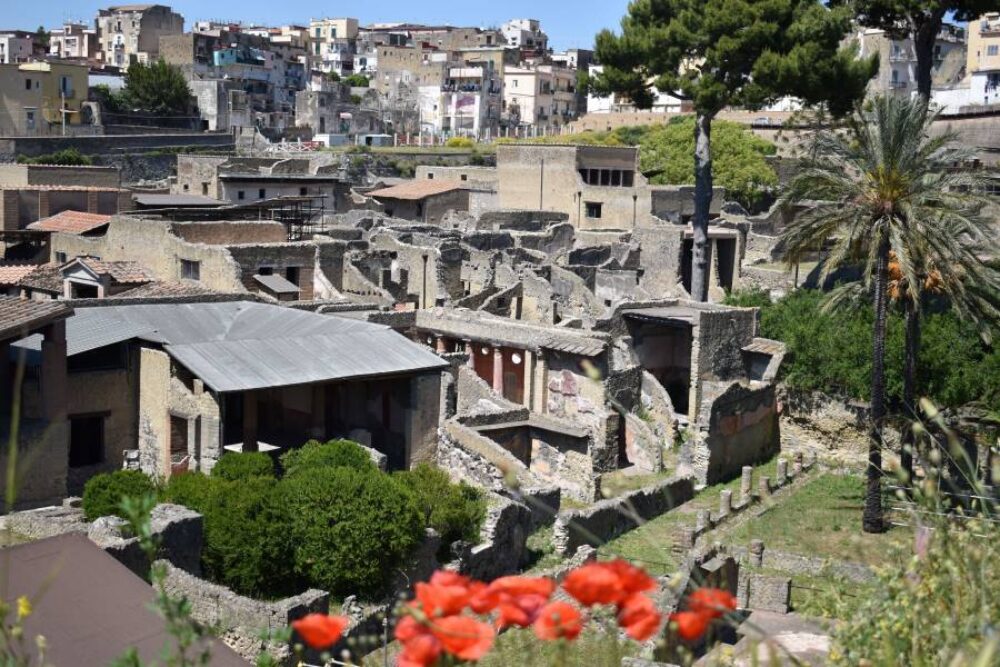
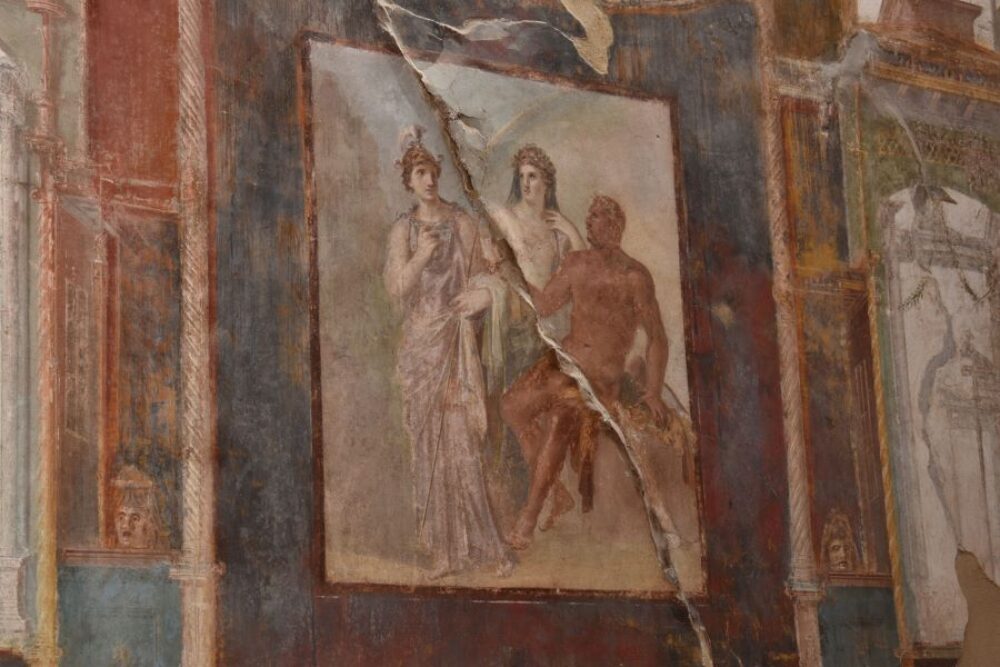
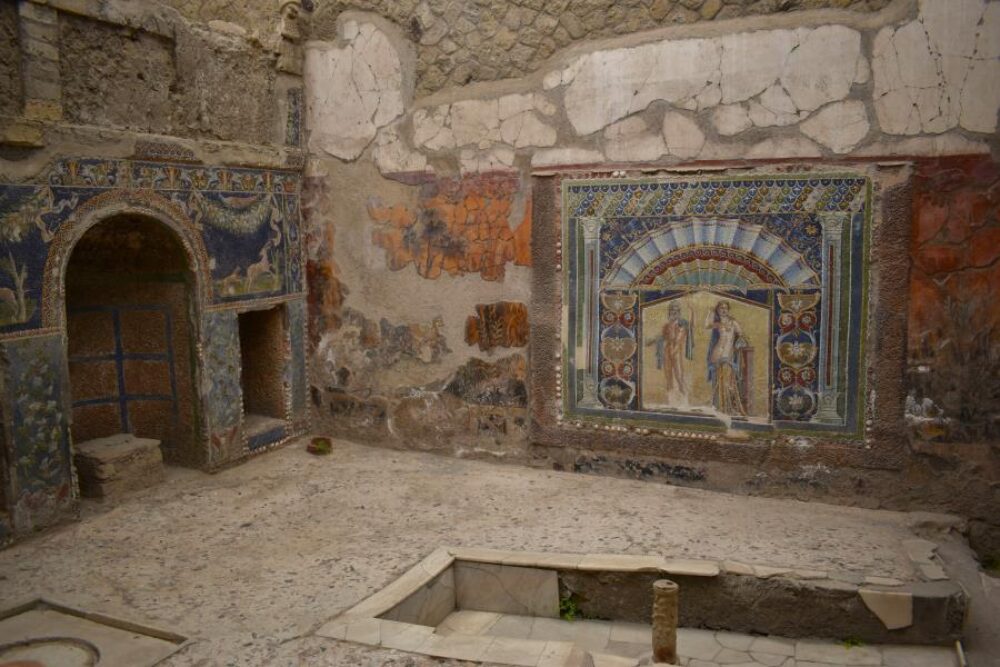
Herculaneum, which is better preserved than Pompeii, is a smaller, compact site that offers a window mainly into ancient private life, most of which can be seen in approximately two hours.
Because few human remains were found during early excavations, it was assumed that most of the inhabitants had succeeded in escaping toward Naples. In the 1980s, however, excavations at the ancient shoreline of the Bay of Naples (an area that is now inland) uncovered more than 120 human skeletons, suggesting that numerous additional inhabitants had perished while attempting to escape.
Mount Vesuvius
A trip up Mount Vesuvius requires on average half a day. Public roads take you up to 800 meters above sea level, where there is an unstaffed parking area. From here it is quite a tough walk up to the ticket office, after which there is a further hike to the summit at 1,281 metres - a better option is to take the inexpensive shuttle that runs from the car park to the ticket office.
At the time of writing this article you had to pay in advance for both the parking (https://parkingsuvio.it/) and for the entrance into Vesuvius, not literally, but from the ticket office (https://www.vivaticket.com/it/ticket/visita-guidata-al-gran-cono-del-vesuvio/79785).
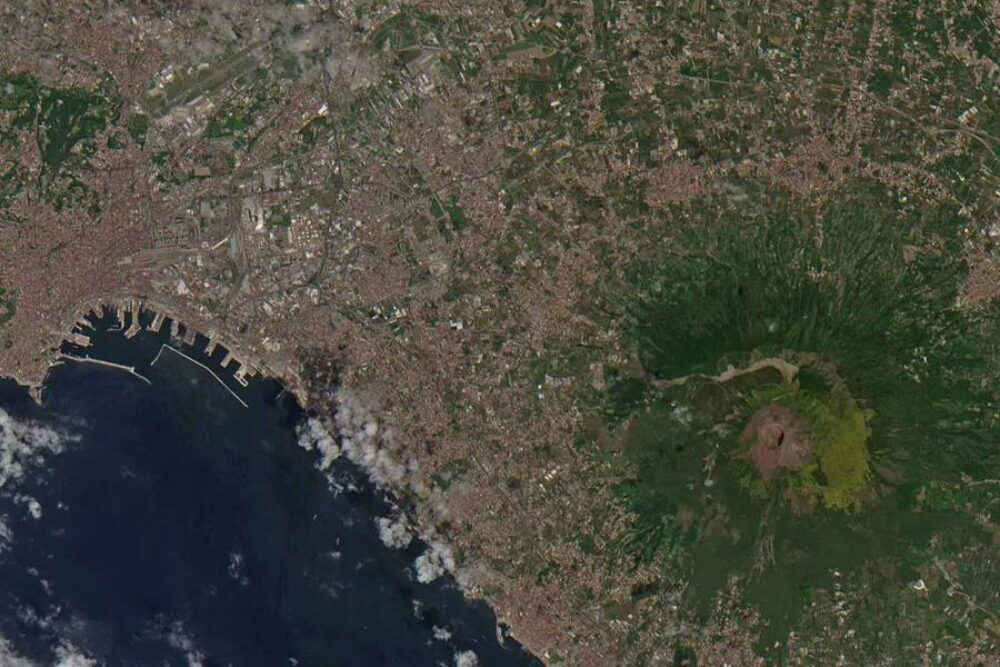
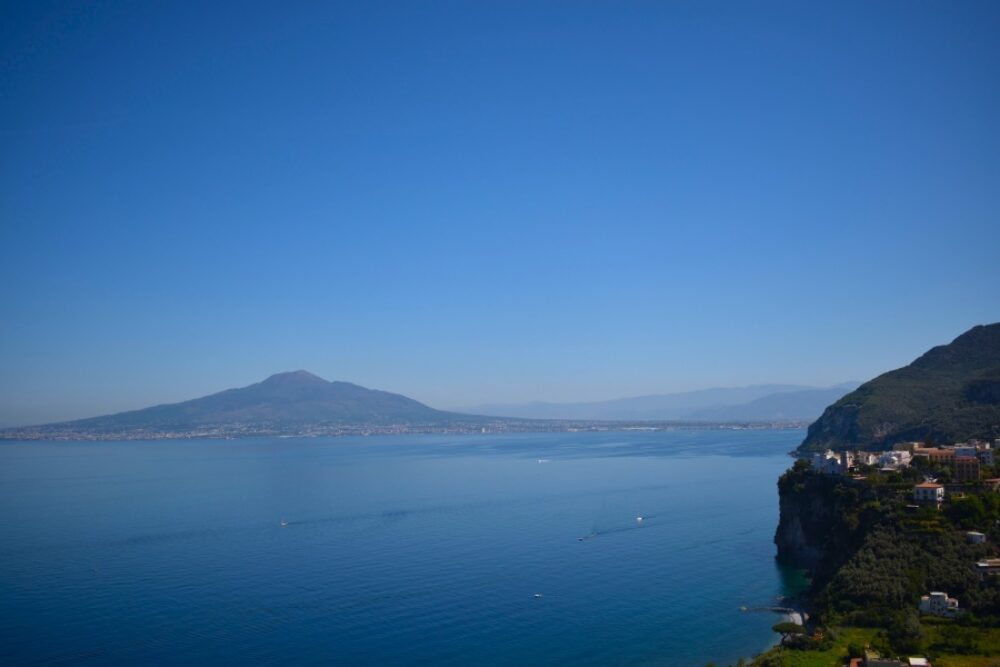
Mount Vesuvius has erupted about three dozen times since 79 A.D., most recently in 1944. Vesuvius remains one of the most dangerous volcanoes in the world - firstly because it a stratovolcano, a type known for its explosive eruptions, and secondly because the city of Naples, with a population of over 3 million people is located just 12 kilometres away (aerial image below). Another 600,000 people live even closer, in the red zone (a distance of 10 kilometres from the crater) where they are in the direct path of deadly pyroclastic flows. Mount Vesuvius will erupt again, but no one knows when.