<h1>Maderia - a little piece of Hawaii <br></h1>
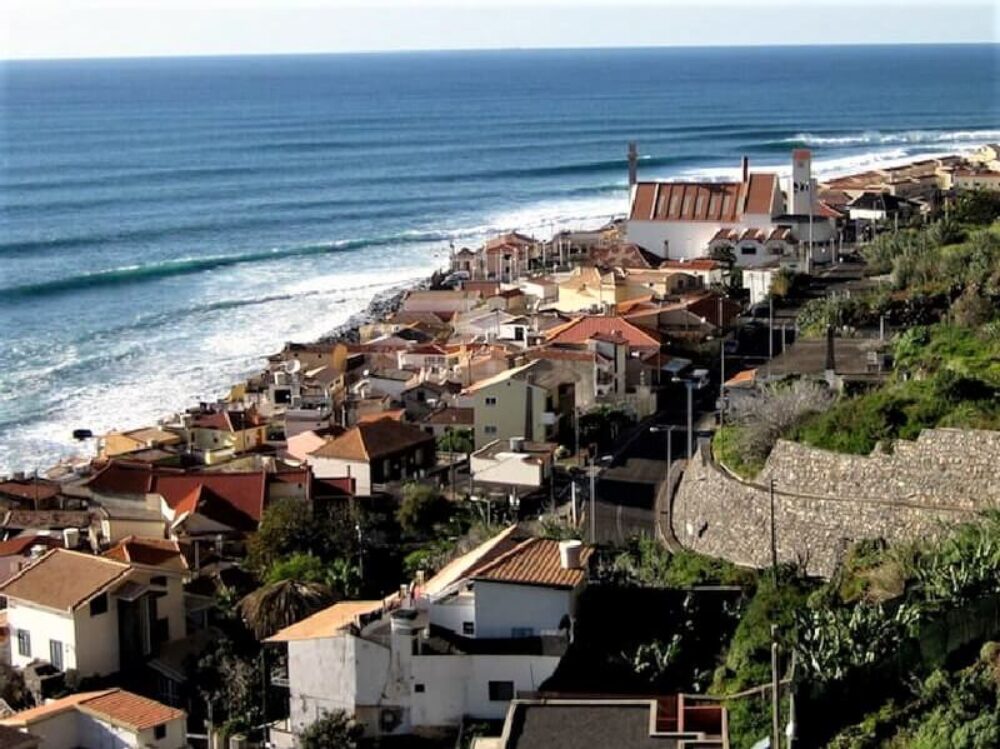
<h5>Although you are not greeted with a Leis (a necklace of flowers), and there are no smouldering volcanos, while driving around the small island of Maderia with its warm, subtropical climate, lush vegetation, rugged mountains, high cliffs, and of course some world class surfing, you could be forgiven for thinking you were in Hawaii. </h5>
<h3><strong>The geography of Maderia</strong></h3>
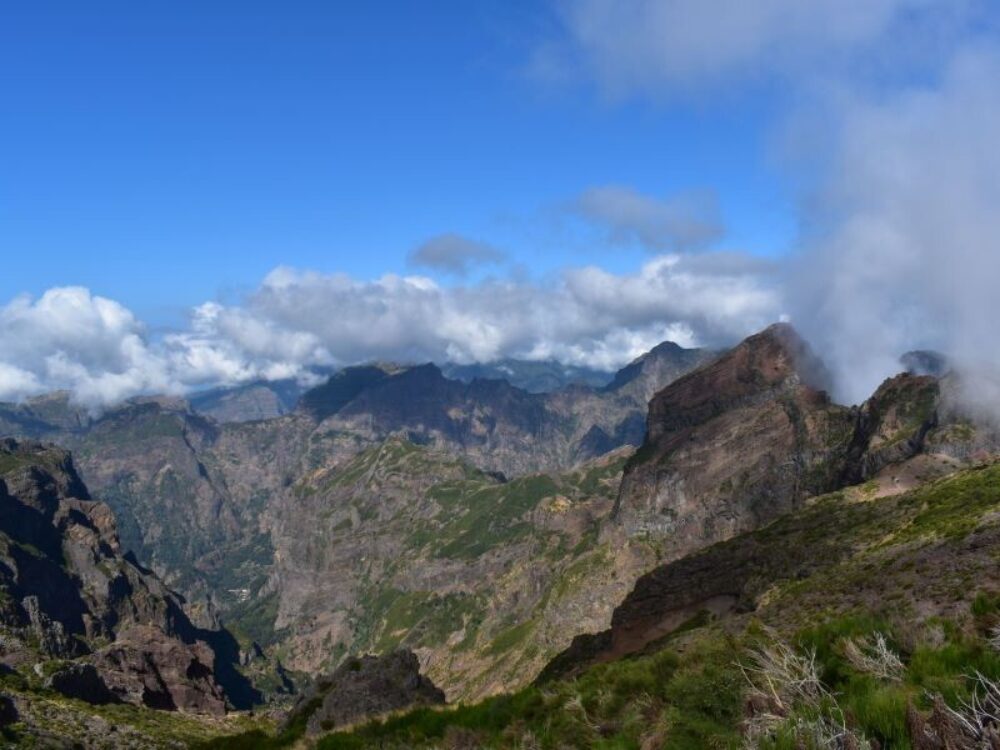
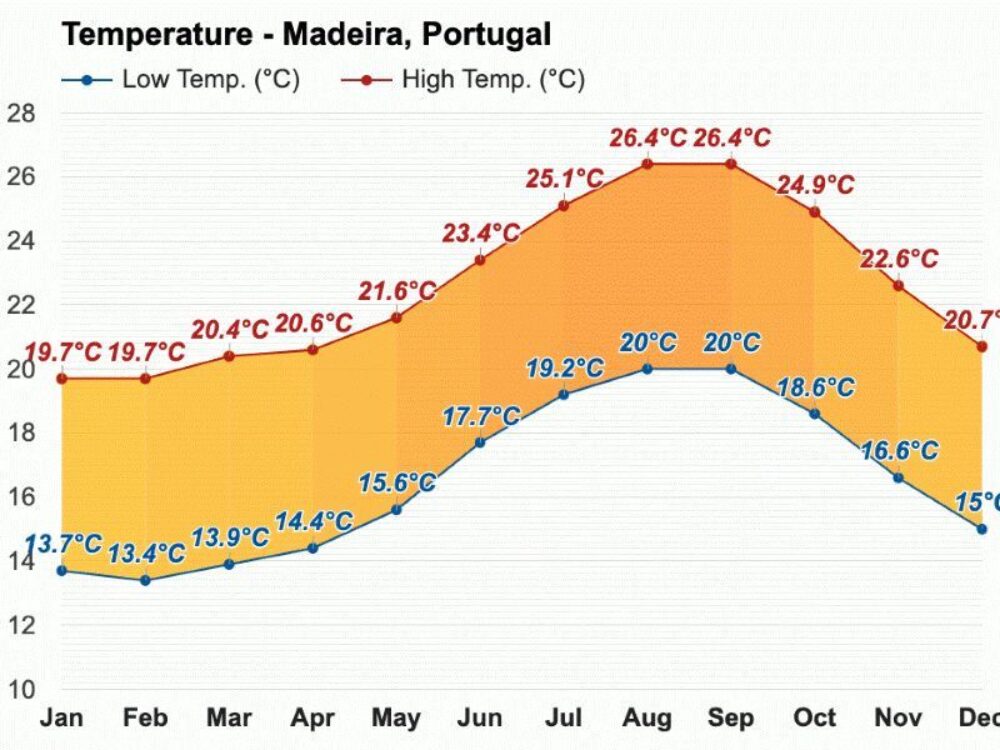
<p><strong>Sitting 1,200<strong><em> </em>kilometers southwest of mainland Portugal,</strong> the island of Maderia is small </strong>- only 35 miles long and 13 miles wide. With significant investment in the road infrastructure, the island can be driven with relative ease. In terms of climate you are spoilt for choice as it is <strong>mild year round</strong>, even in December the average temperature is 19 degrees Celsius, although winter does bring more rainy days. The one drawback relates to the mountainous nature of the island meaning that in some places (including Funchal) it often clouds over by early afternoon (PS <strong>clicking</strong> on the figures below enlarges them, while clicking on the images on this website reveals the location).</p>
<h3><strong>Funchal - the capital, with a very funny statue</strong></h3>
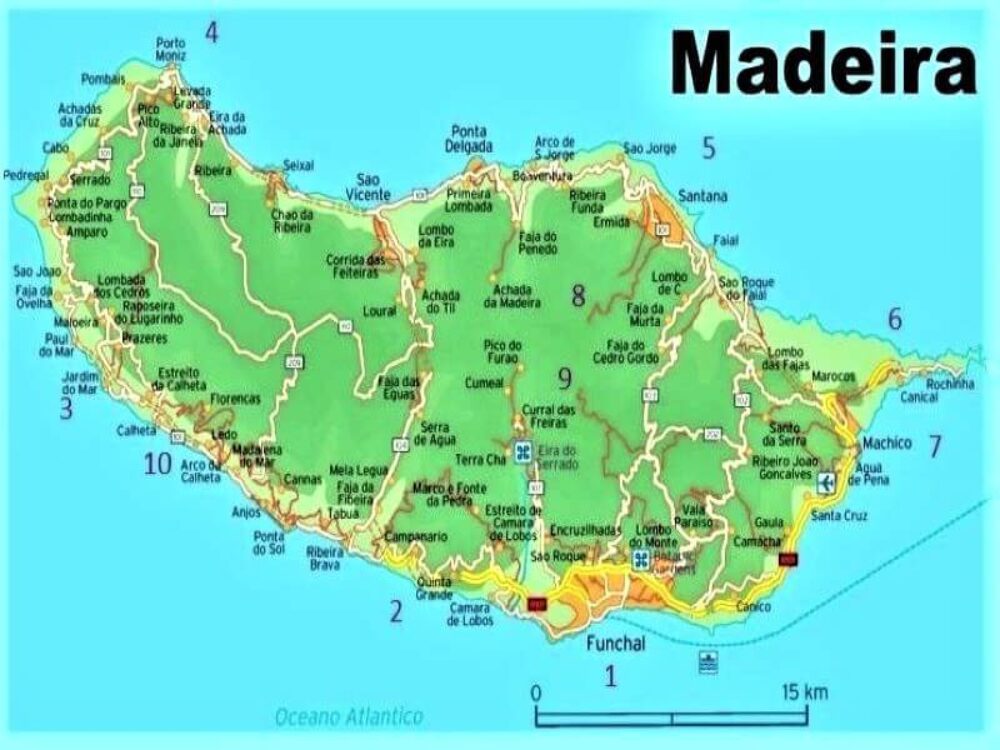
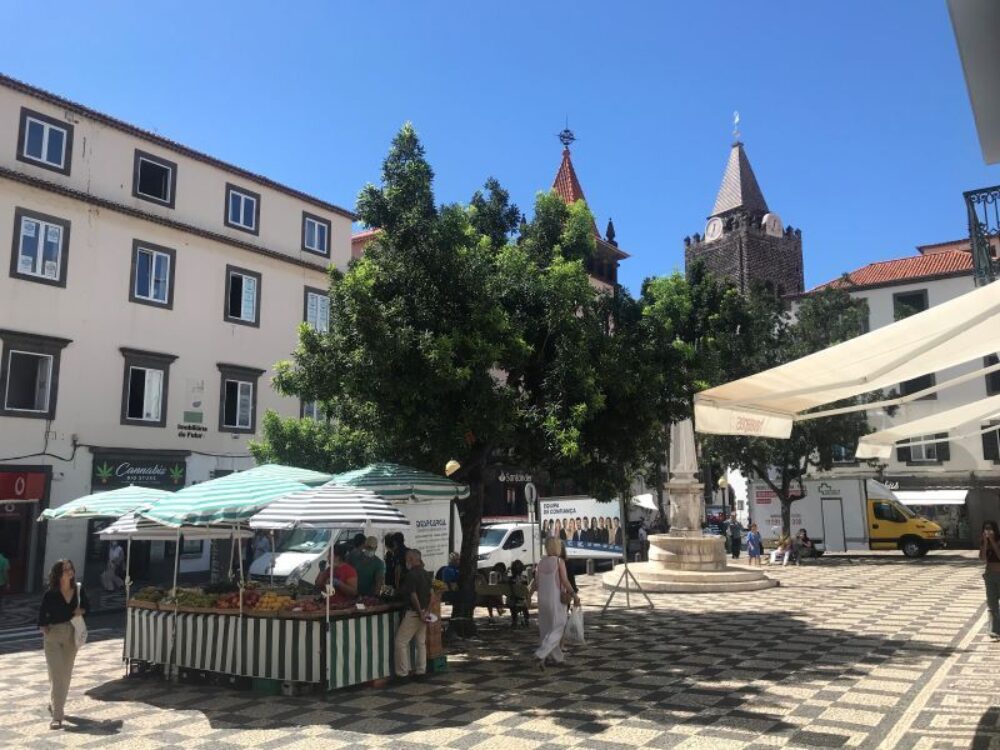
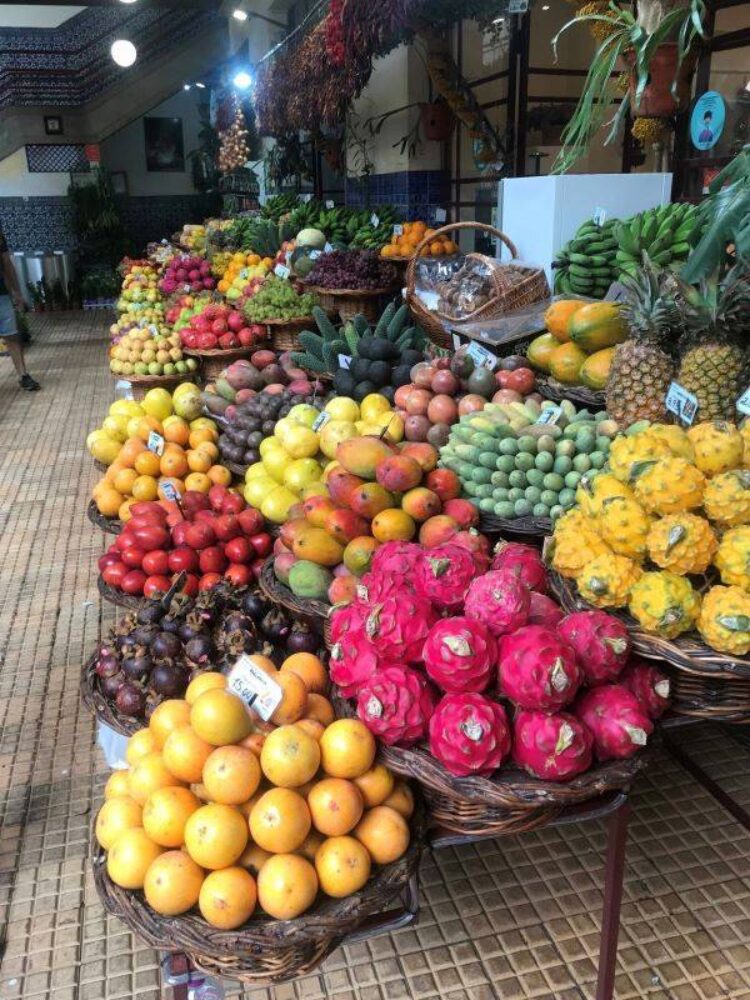
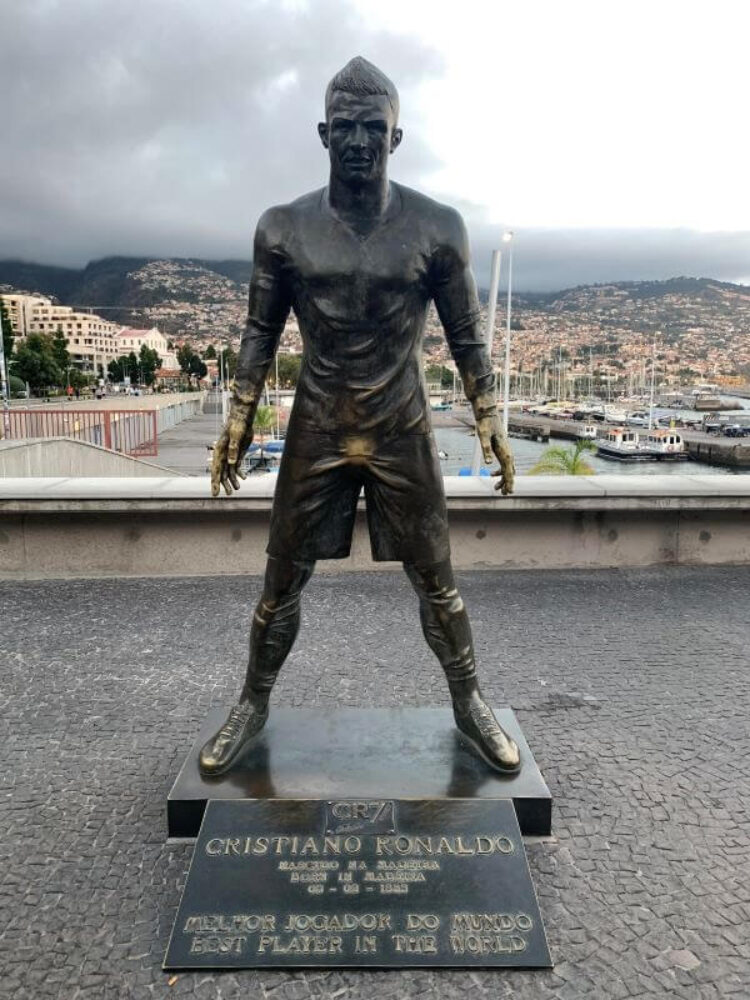
<p><strong>Our base for the week was Funchal </strong>(map 1) - founded in 1510, the capital of the island offers a very charming and historical context, lying within a powerful landscape between the sea and the majestic mountains. Three important tips: 1) discover the <strong>Farmer's market</strong> early, the array of tropical fruits the island produces provides a stunning spectacle, 2) the <strong>r</strong><strong>oads are very steep and narrow</strong> so if you are going to hire a car in Maderia don't go upmarket (enjoy the video below!), and, 3) don't miss the <strong>worst statue</strong>, yes its Christiano Ronaldo .... I can't understand why his intimate area was so shiny! </p>
<h3><strong>Exploring the south coast</strong></h3>
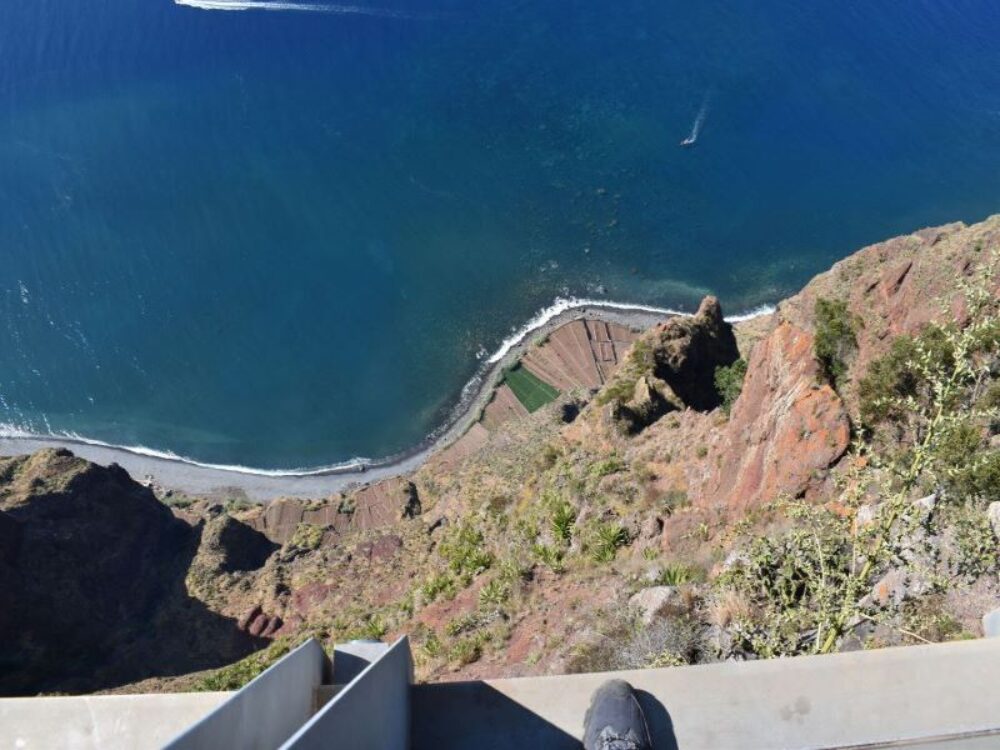
<p><strong>The island can be split into 4 main regions </strong>- Funchal and the south coast, the northwest, the northeast and the central mountains. It is easy to spend 2-3 days exploring Funchal (including the <strong>botanical gardens</strong>), and the south coast. Highlights of the south coast include the<strong> Cado Girao skywalk</strong> (map - 2) - not quite as exciting as it sounds, but still with impressive views, the cable car down to the <strong>Faja dos Padres beach</strong> (like most beaches on the island, it is not sandy), taking in some of the old fishing villages such as <strong>Jardim do Mar</strong> (map - 3), and taking a dolphin/whale watching trip (more on this later).</p>
<h3><strong>Heading northwest to the lava pools</strong></h3>
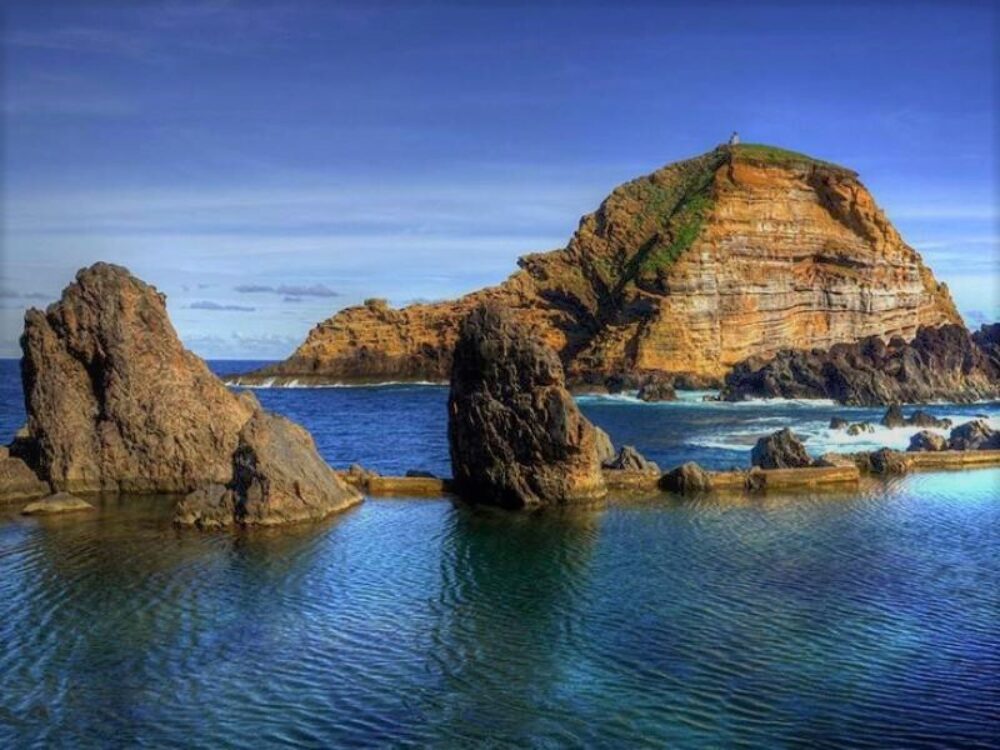
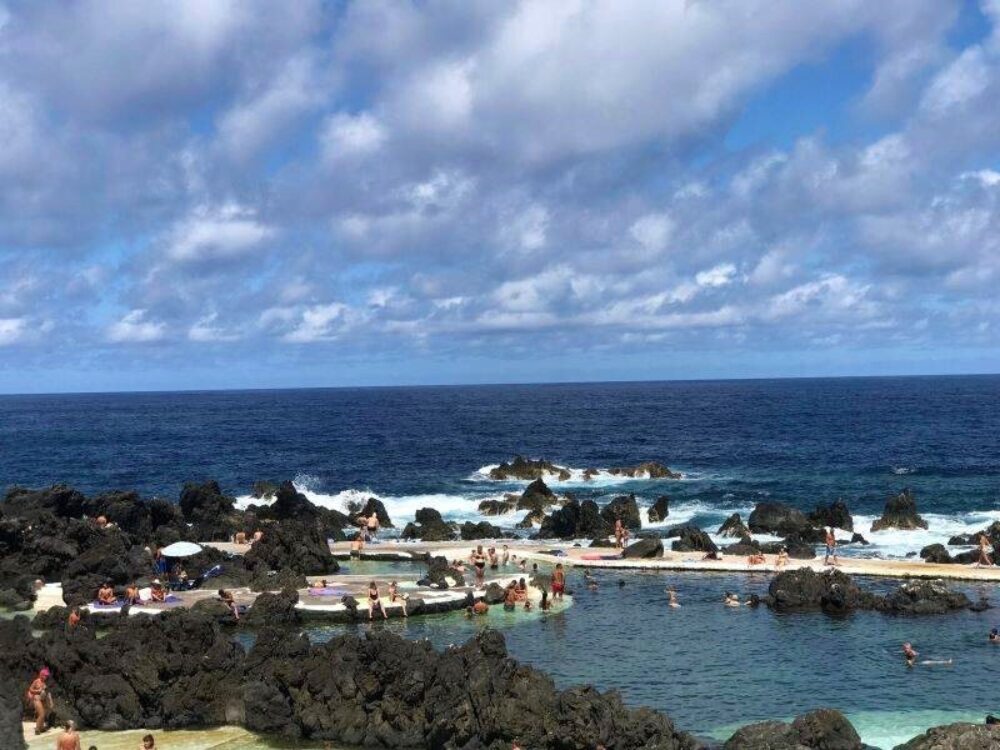
<p>Travelling northwest through the mountains leads you to <strong>Porto Moniz </strong>(map - 4), a small 'town' which was infamous for whaling, an industry that thankfully ended here in the late 1980s. A visit to this area should very much be on your cards to enjoy a swim in the <strong>lava pools</strong> formed by a volcanic eruption 6000 years ago. The pools are now filled with crystal-clear sea water and are family friendly. Entrance is cheap with changing facilities and a cafe.</p>
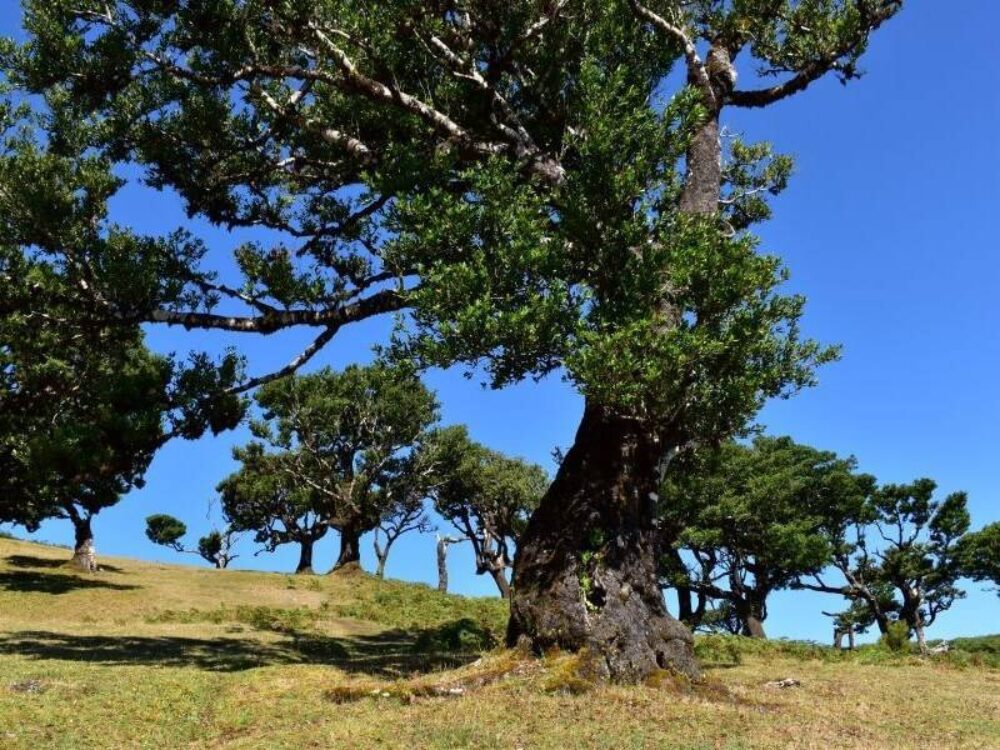
<p>Travelling to and from this area are <strong>hiking opportunities</strong> including along one of many of the islands'<strong> levadas</strong> - man-made channels created to carry water for irrigation of agricultural fields around the island. We were also tempted by the<strong> Laurisilva</strong>, the world’s largest remaining expanse of primeval laurel forest, which is great if you are fascinated by trees, but we decided it wasn't high on our agenda.</p>
<h3><strong>North to Santana</strong></h3>
<p>Travelling north on the E107 take you to<strong> Santana </strong>(map - 5), a village of hedgerows and flowers on the north coast. Complete with waterfalls, cobblestone streets, lush green meadows, and plunging ravines, it is one of the prettiest villages in Portugal. Santana is also famous for its vernacular triangular-shaped houses with their iconic thatched roofs protected with straw and wood-panelled interiors. </p>
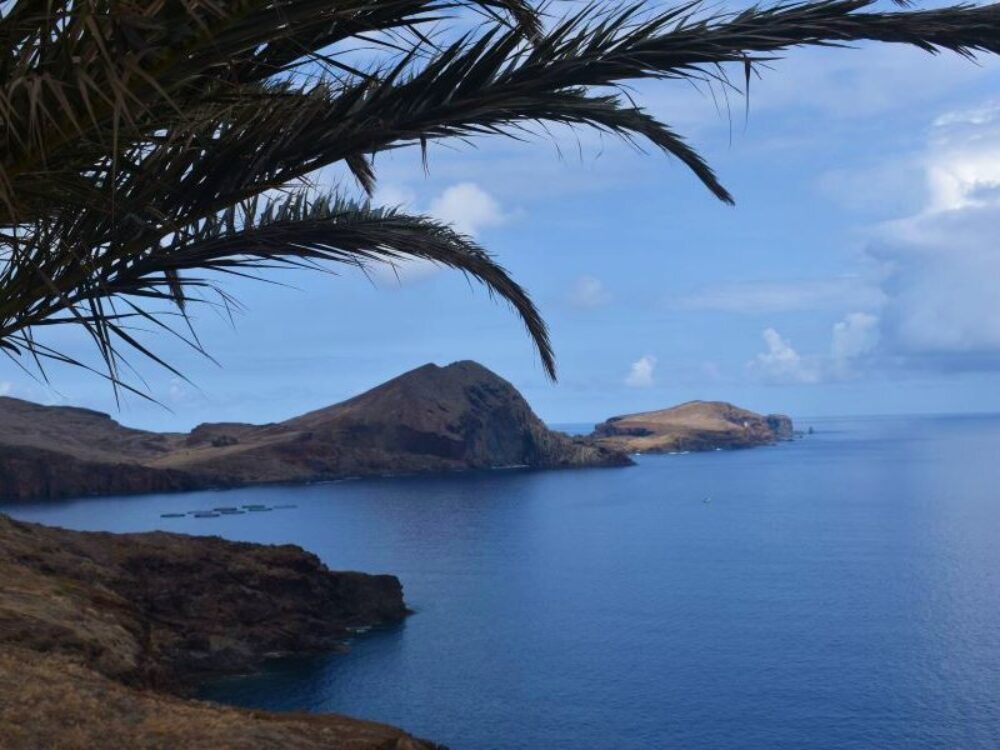
<p>A short drive east takes you to the <strong>Vereda da Ponta de São Lourenço</strong> (map - 6), where there is a beautiful 7 km (there and back) costal walk along the volcanic cliffs. Close-by is the<strong> lovely beach of Machico</strong> (map - 7), one of the only sandy beaches on Maderia - the 22000 tonnes of imported sand caused quite a stir as it was taken from Western Sahara, which was considered to be a violation of international law.</p>
<h3><strong>The mountainous interior </strong></h3>
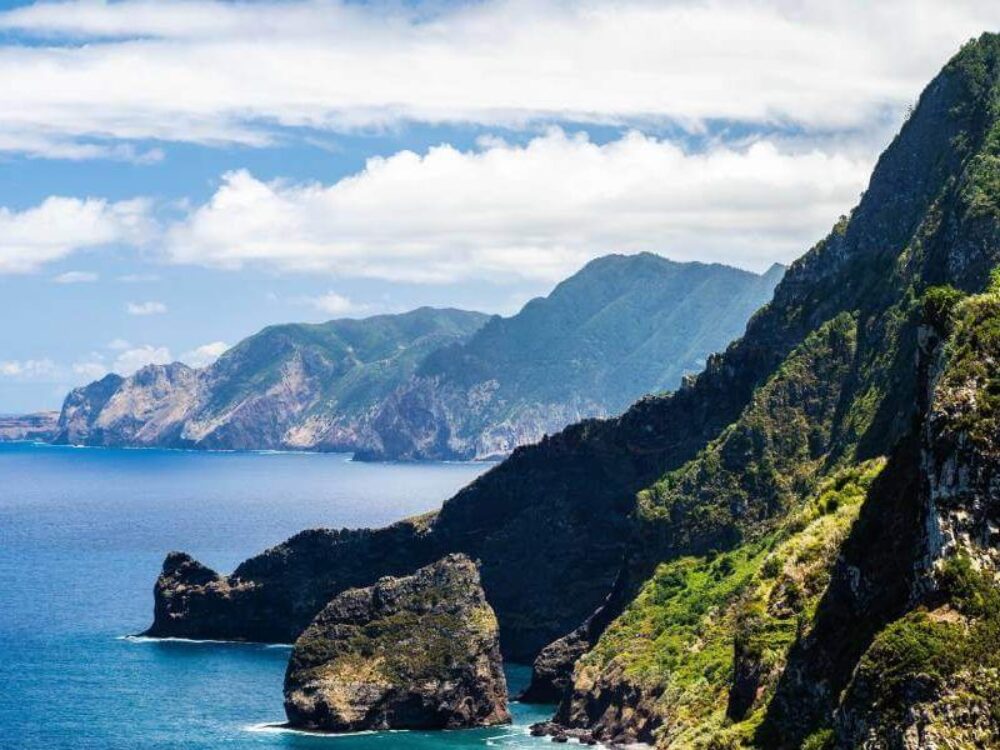
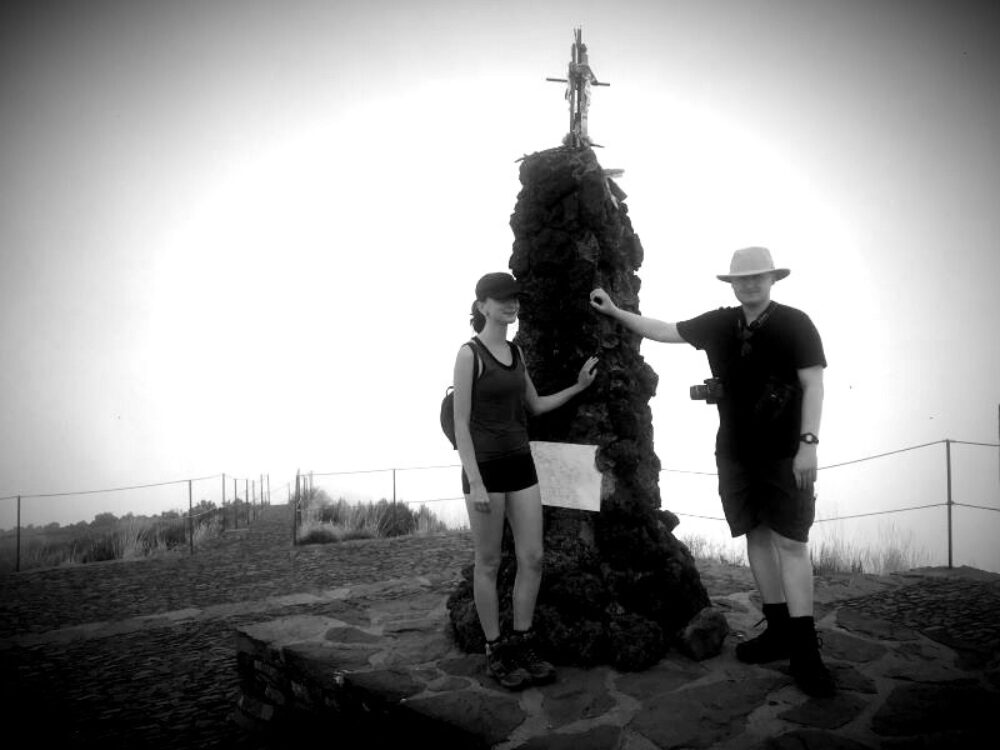
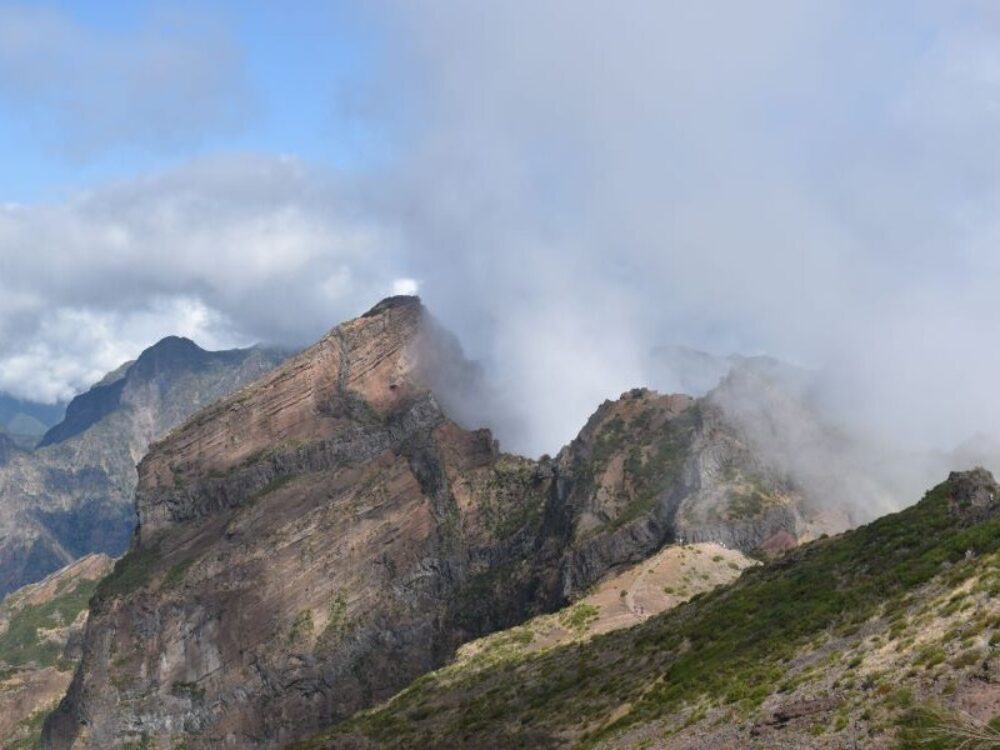
<p>Many people visit Maderia for the endless<strong> hiking opportunities </strong>- we focused on two, the Pico Ruivo, and the Pico do Arieiro. At 1862 metres (6108 feet), the <strong>Pico Ruivo</strong> (map - 8) is the highest peak on Madeira. It can be reached only by foot either from the car park at Achada do Teixeira (a 5.6 km roundtrip) or the Verado do Arieiro (15 km one way). It is fair to say, <strong>inside knowledge would have helped</strong> - we got some lovely views of cloud, when we stopped at the cafe on the way back to the car park we were told that on most days you need <strong>to get up early if you want to see a view</strong>! </p>
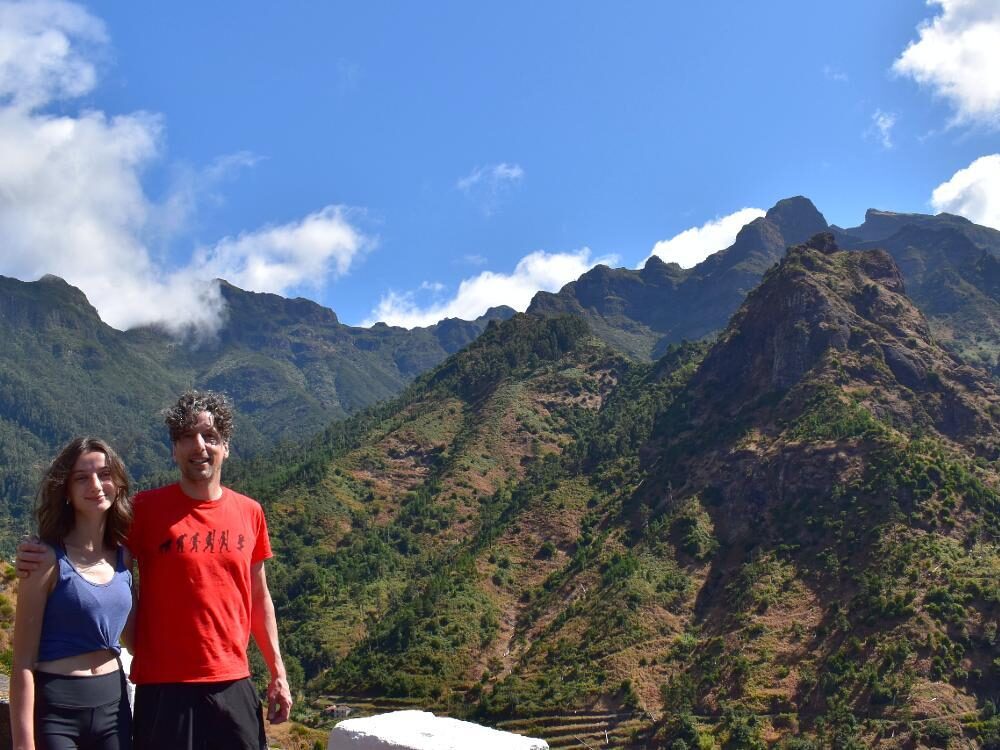
<p>Our favourite hike was the <strong>Pico do Arieiro </strong>(map -9), which can be reached by a stunning short hike (with some steep steps) from the cafe at the summit of the ER202 road - the route from Funchal provides lovely vistas, along with the usual advice from the children 'keep your eyes on the road'. </p>
<h3><strong>Dolphins and whales</strong></h3>
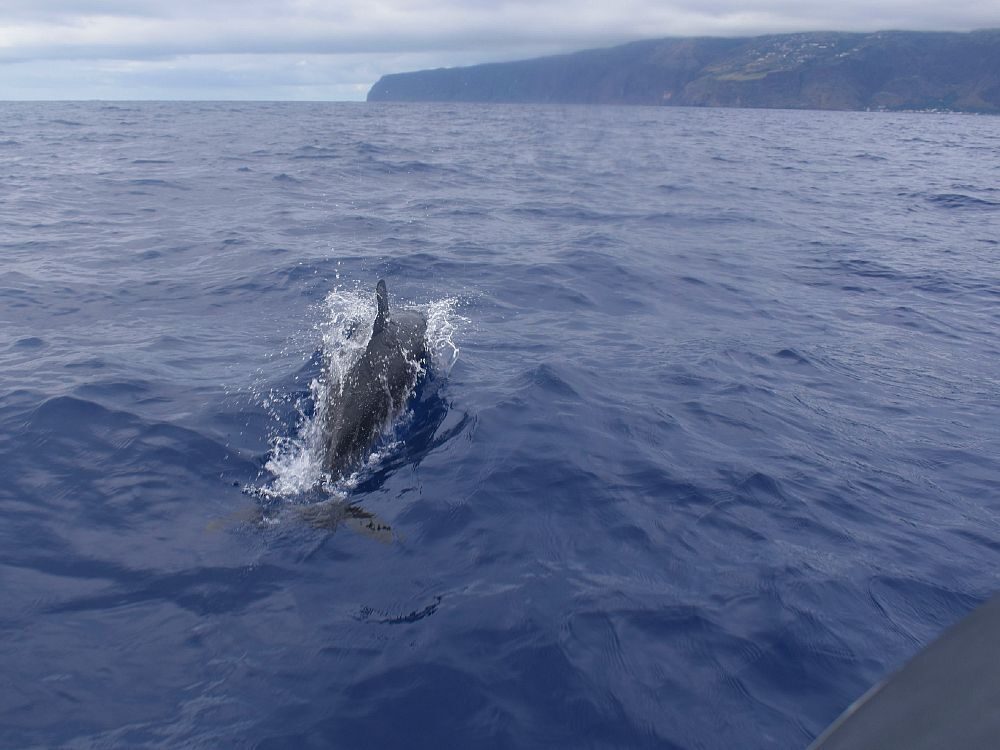
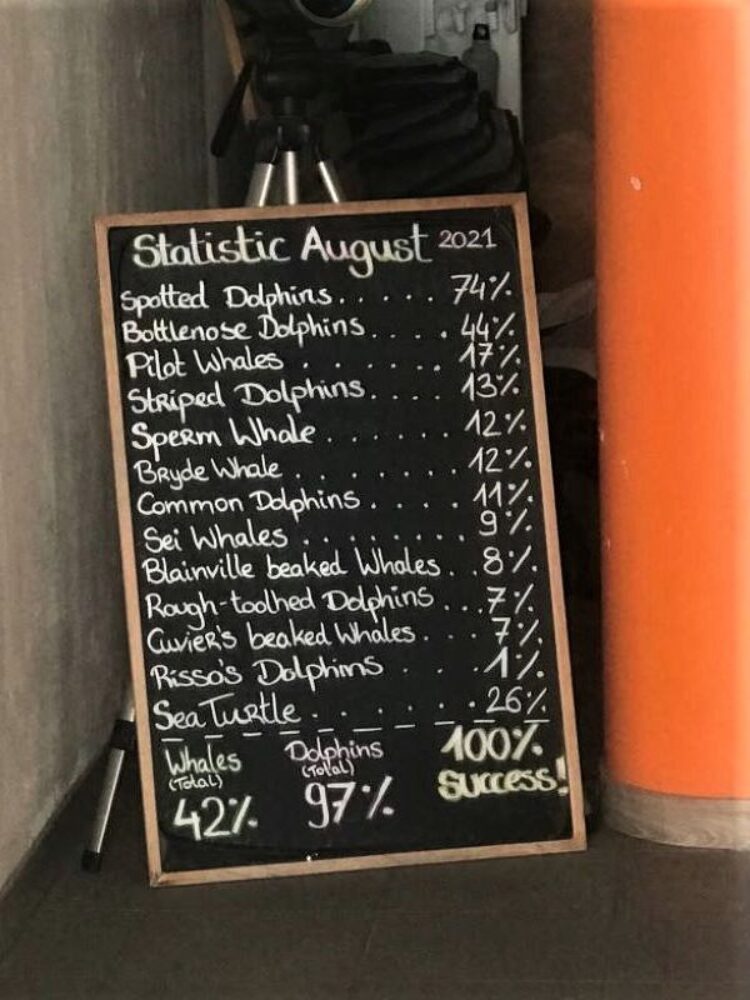
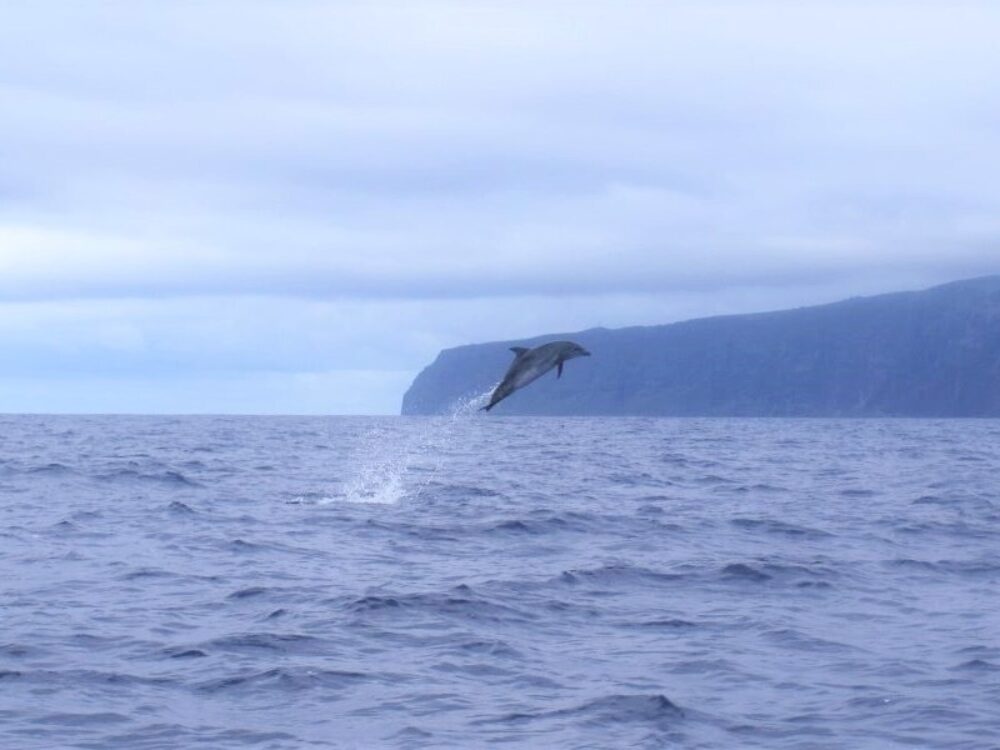
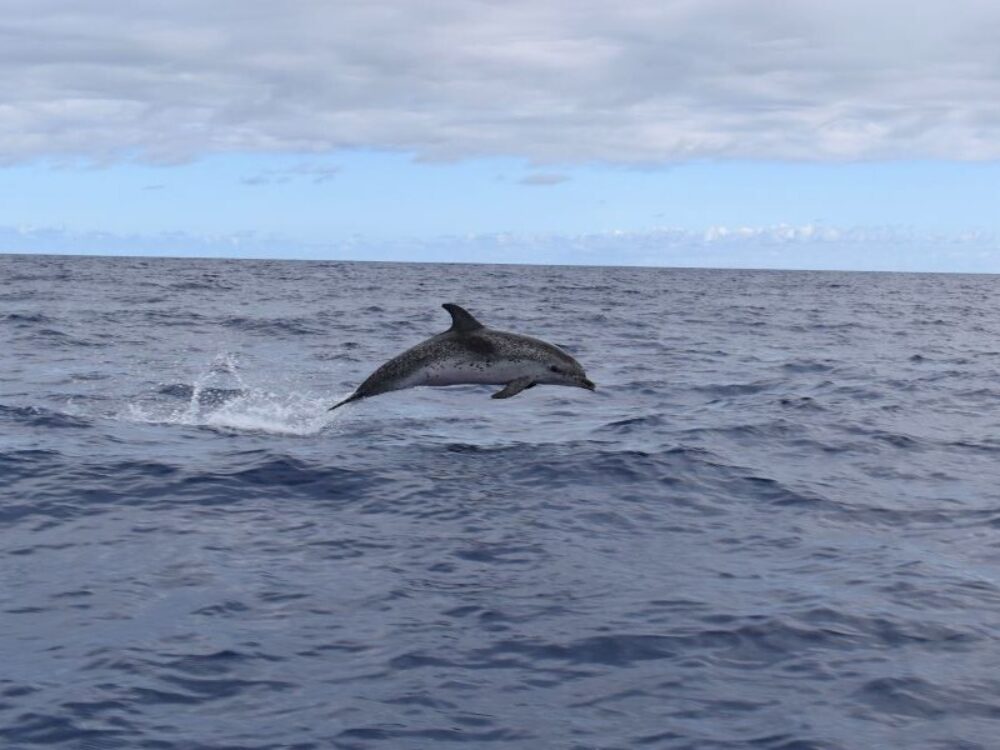
<p>The highlight of our holiday was the opportunity to see <strong>dolphins and whales</strong>. As you will see from the advert below, the area is rich in marine life, although it does not appear on demand. We went on a 'quiet' day, but fortunately chose H20 as a company (map - 10), as we noted they had on-land spotters, so while most of the other companies sat idle, word came through that marine life had been spotted, and while we did not see any whales, we saw Risso's dolphins leaping in the air, and pods of spotted dolphins darting alongside the boat.<br></p>
<h3><strong>From another planet</strong></h3>
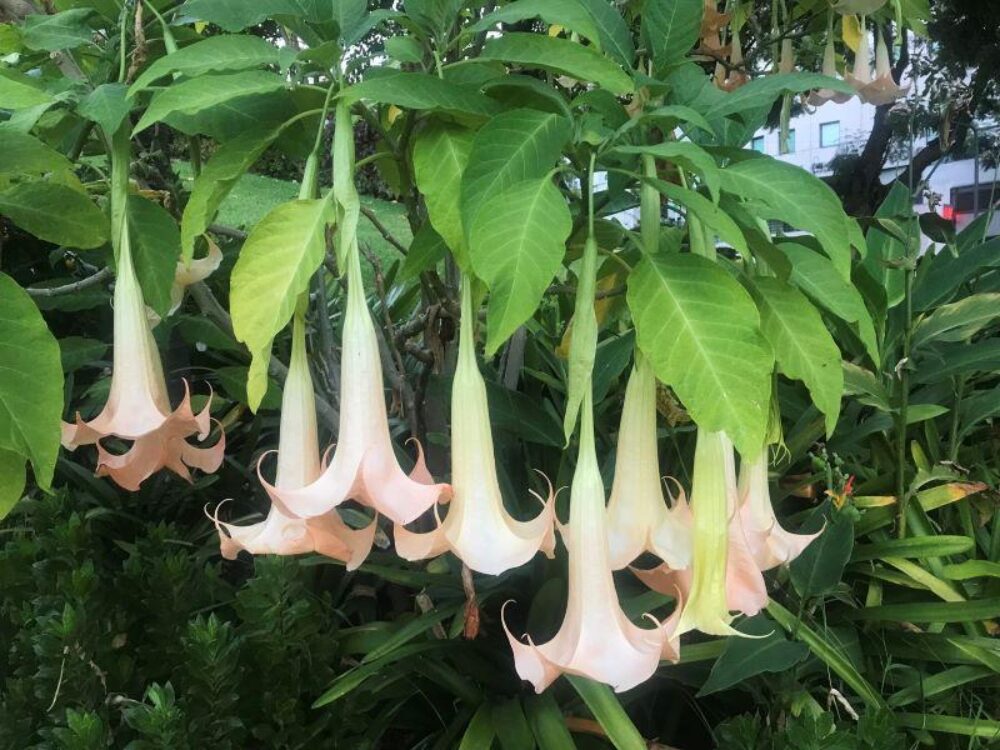
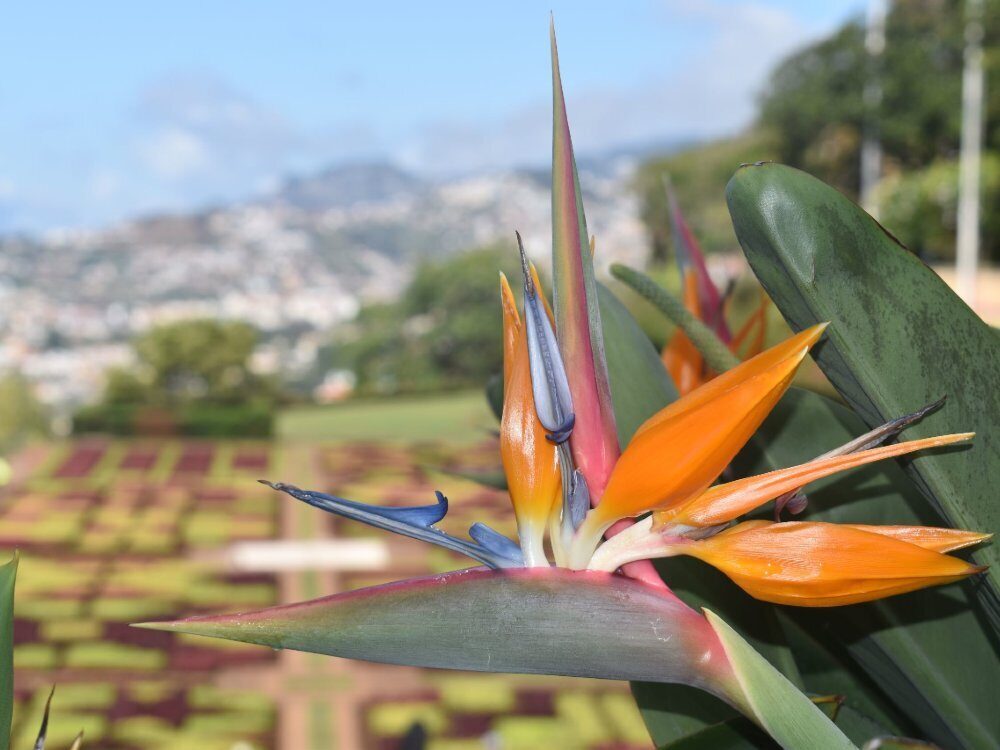
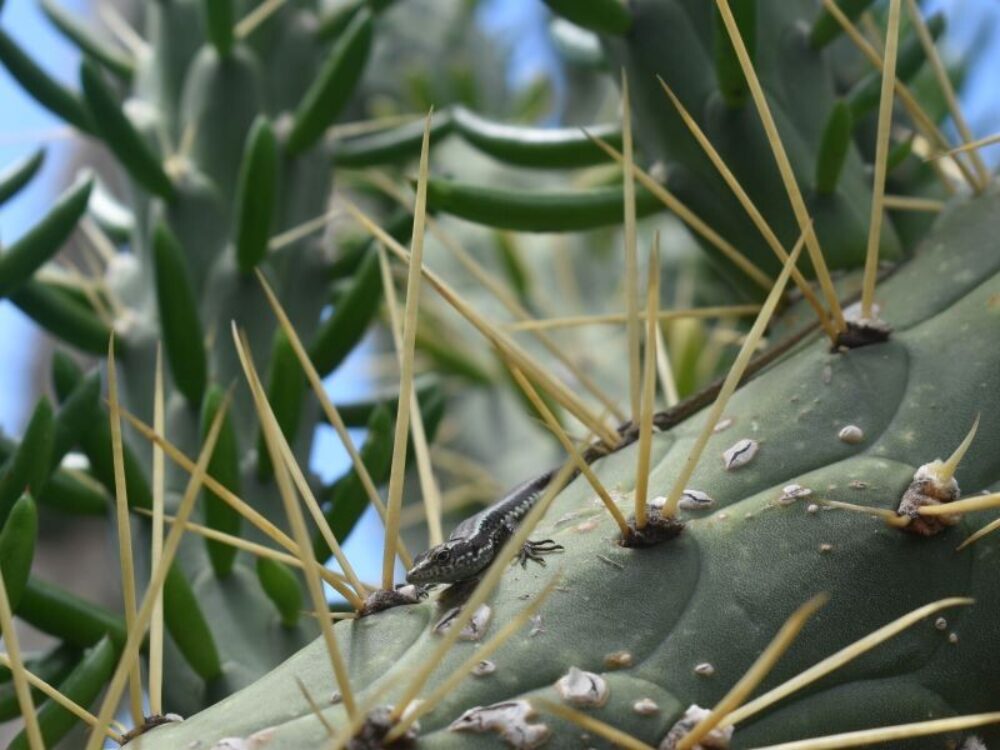
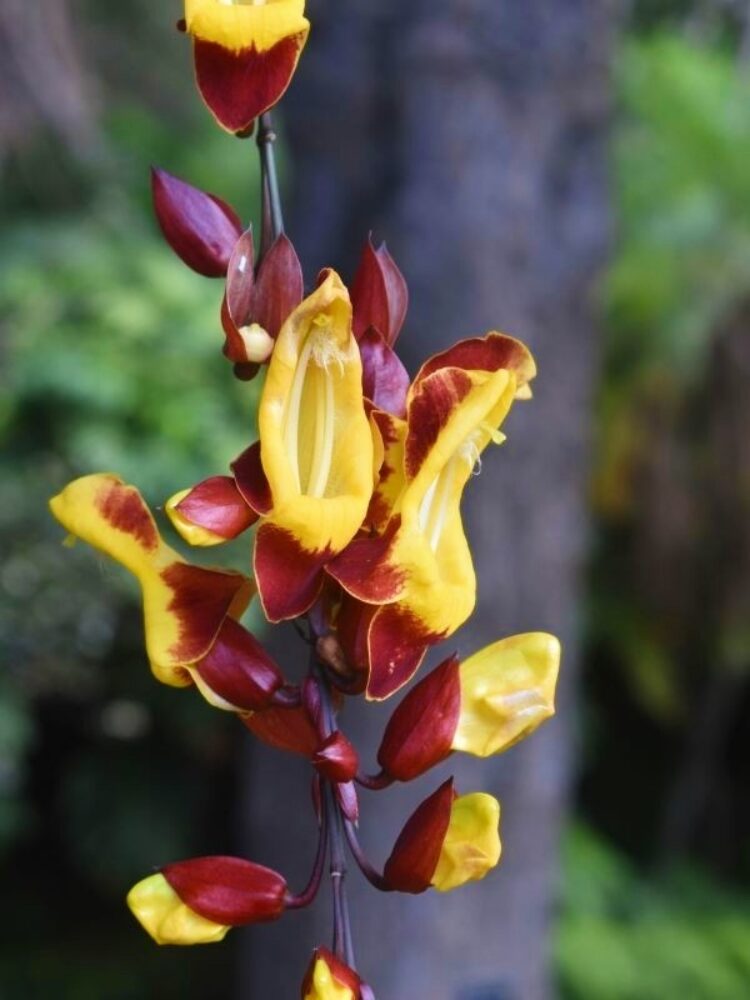
<p>And it's not just the dolphins (and if you are lucky, whales), while on Maderia you can't miss the stunning flora, best seen in Spring, some of which look like they don't belong on planet Earth. If you are a particular fan of plants then there are the <strong>botanical gardens</strong> <strong>in Funchal</strong>, and nearby the more impressive <strong>Monte Palace</strong>.</p>