Canada | The Great Bear Rainforest
If the thought of finding a pile of grizzly bear scat (poo) outside the campsite toilets at dawn, with no one else around, does not fill you with either a sense of excitement or at least a little intrigue, then you might want to skip to another of my blogs.

The Discovery Coast
The west coast of Canada is known as the Discovery Coast, and with good reason. Other than the beautiful city of Vancouver, much of this coastline is uninhabited. Our reason for spending time in this region was to see nature at its near best; in a relatively untamed fashion.
The most practical way of exploring the region is through Vancouver from where one can reach out to the limited number of small communities that are dotted along the Discovery Coast, some of which predominantly exist for wildlife excursions and can only be reached by seaplane or boat. We choose Bella Coola and Tweedsmuir National Park; sitting in the Great Bear Rainforest this area can also be reached by road (Highway 20), vital to our plans as the second part of our trip was in the Canadian Rockies. Bella Coola also has a normal airport, one that does not involve landing on water!

Breaching whales
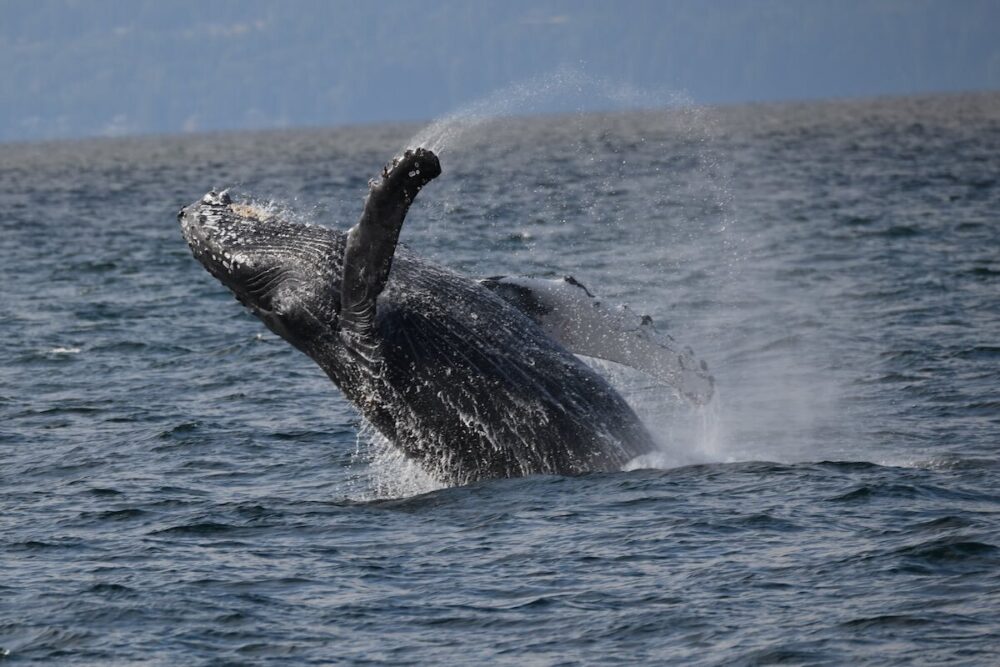
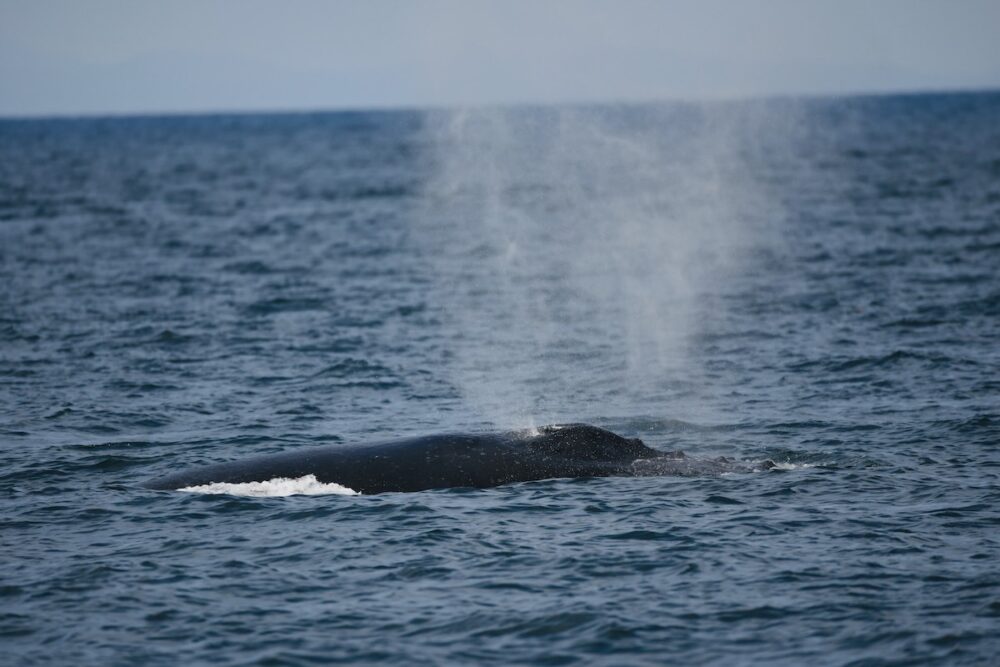
Having landed in Vancouver, it was time for an early bed before our first day of adventure. The following morning we were greeted by fresh coffee with blueberry muffins, along with warm sun and calm waters, essential ingredients for a successful sea safari. While the orcas (also known as ‘Killer whales’ but are actually a species of dolphin) remained elusive, we witnessed multiple humpback whales breaching. We realised how lucky we were when we discovered that the trips the day before were shrouded with sea fog.
Campervans and ferries
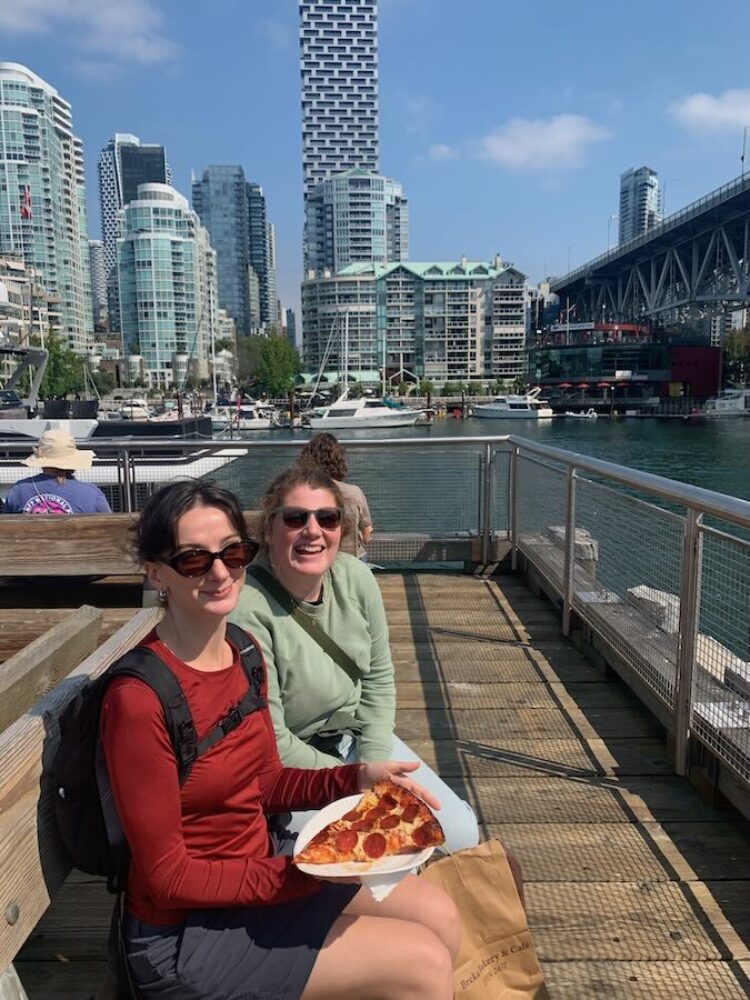
Once back on dry land it was time to pick up the Campervan (RV). Having watched the film RV, and recalled stories of the last time I drove an RV (I kept forgetting how high the vehicle was), you can understand Maddy and Louisa's (daughter and niece) mixture of excitement and trepidation.
From Vancouver we took the ferry to Vancouver Island, not before breaking someone’s wing mirror with my own, which incidentally was fine. The original plan had been to spend a couple of days on Vancouver Island before heading north to Bella Coola. It was not until I realised that the ferries heading north from the island only ran twice a week that the plan was changed. If you plan to take an RV on ferries at this time of year you will need to book many months in advance.
Sailing north
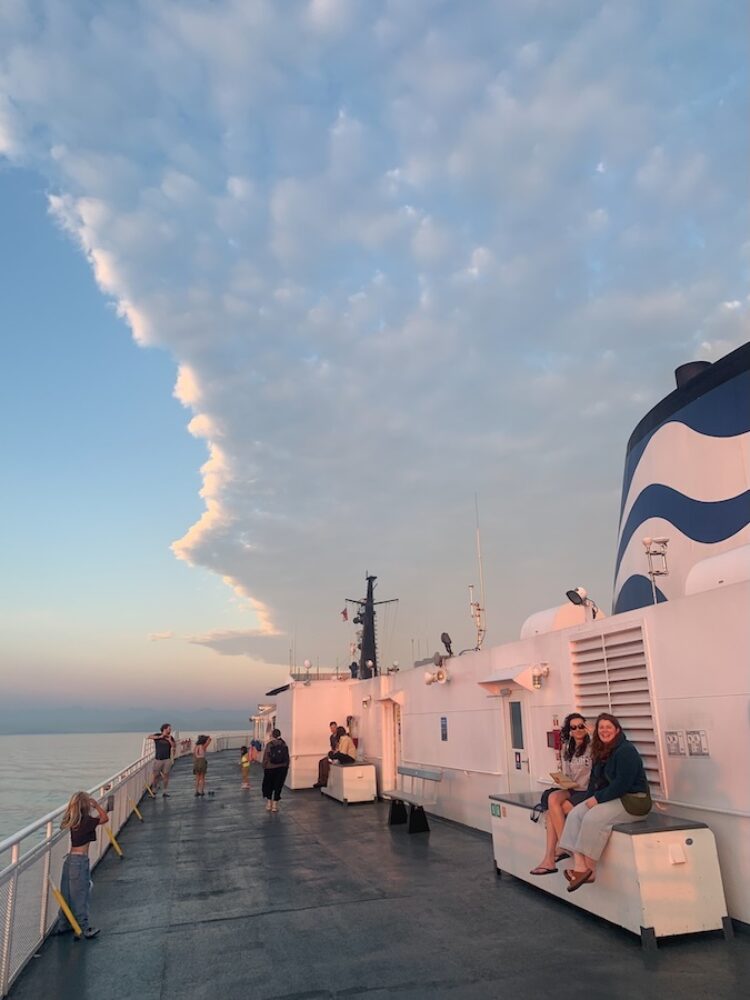
The following morning the plan was to sail from Porty Hardy, on the North of Vancouver Island, to Bella Coola. As we approached the ferry terminal at 7 am, for a 7.30 sailing, it was very disconcerting to see that there were no other vehicles waiting. This was the only time in our journey that we came across a grumpy Canadian, who informed me, in a rather old-fashioned schoolteacher's manor, that large RVs needed to arrive 90-120 mins before the sailing time. Fortunately the grumpiness was short-lived, remembering that she was Canadian the lady quickly warmed to me and reassured us that my place on the boat would still be honoured.
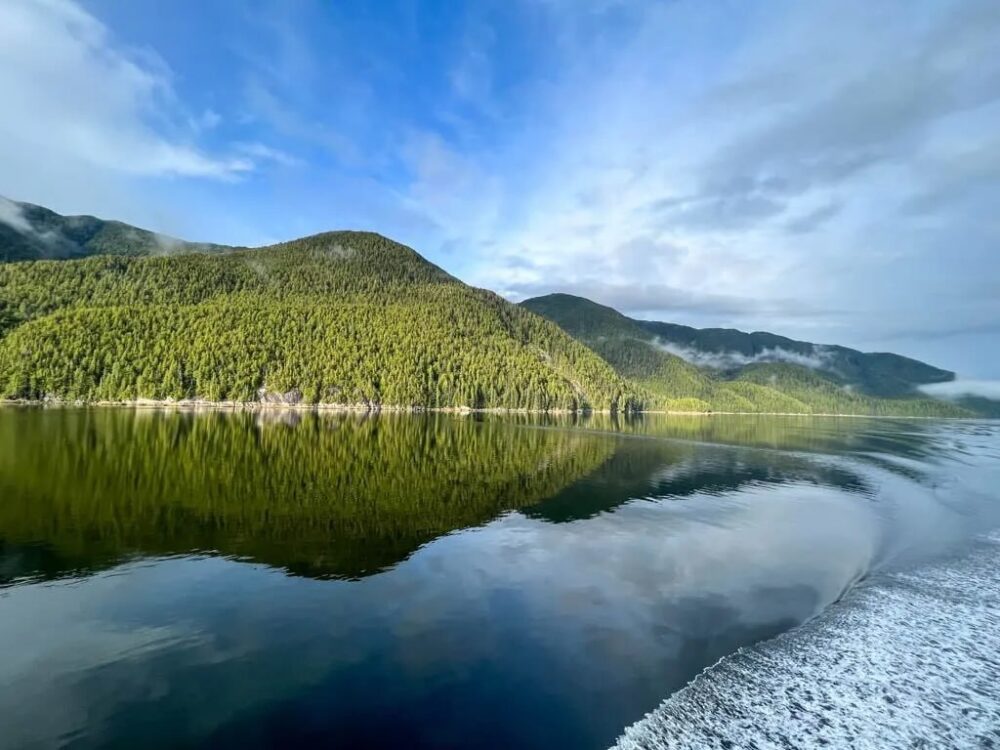
The 10-hour boat trip was not a hardship. Hot food, comfy reclining chairs for those that wanted to relax, and a large outdoor viewing area, where we spent most of our time. In the open waters there is a fair chance of seeing whales and/or orcas. Once in the inlets it is more about the scenery, which increasingly took on the appearance of the Norwegian Fjords.
The First Nation
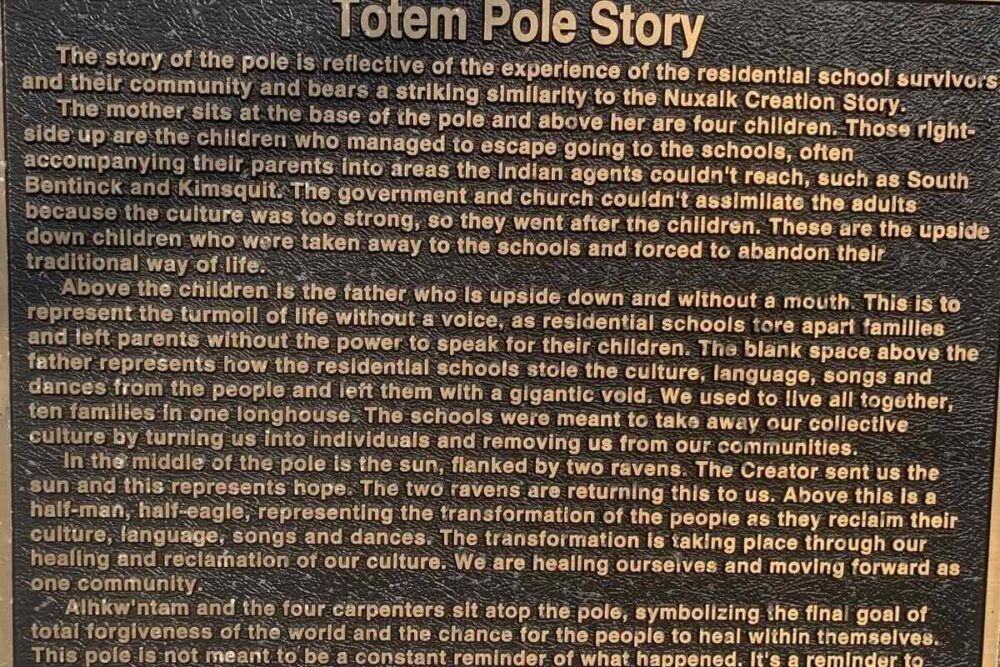
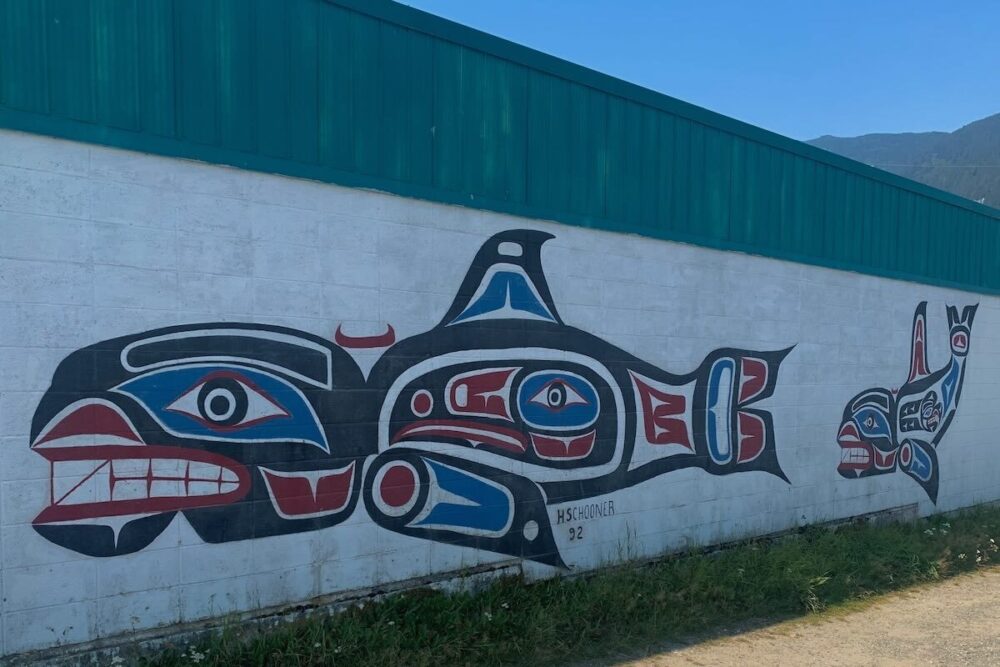
Bella Coola is small and has very basic amenities. I was drawn to the wall paintings of the First Nation people, one of the three recognised Indigenous groups in Canada, alongside Inuit and Metis. The focal point of Bella Coola is the totem pole, the adjacent plaque tells an all too familiar story of how their world was torn apart by those that felt they knew better.
The First Nation people of the valley are known as the Nuxalk (pronounced ‘NOO-hulk’). One of the best ways to learn about this area is to join a Nuxalk guide and discover petroglyphs (rock carvings) believed to be over 3500 years old.
RipRap campsite - a great choice
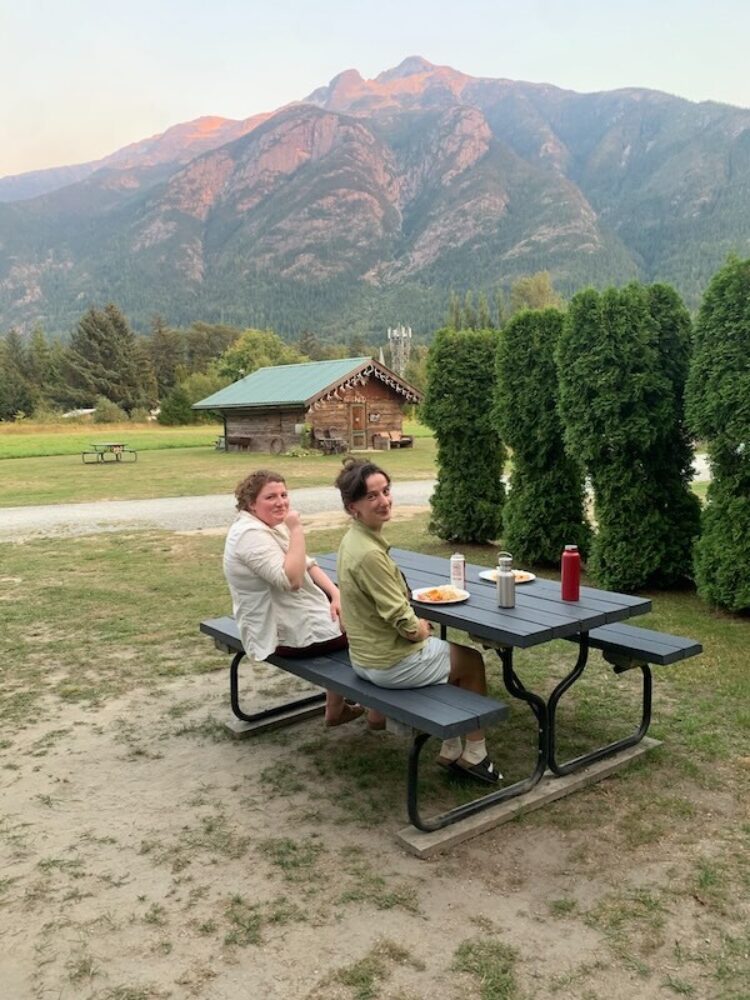
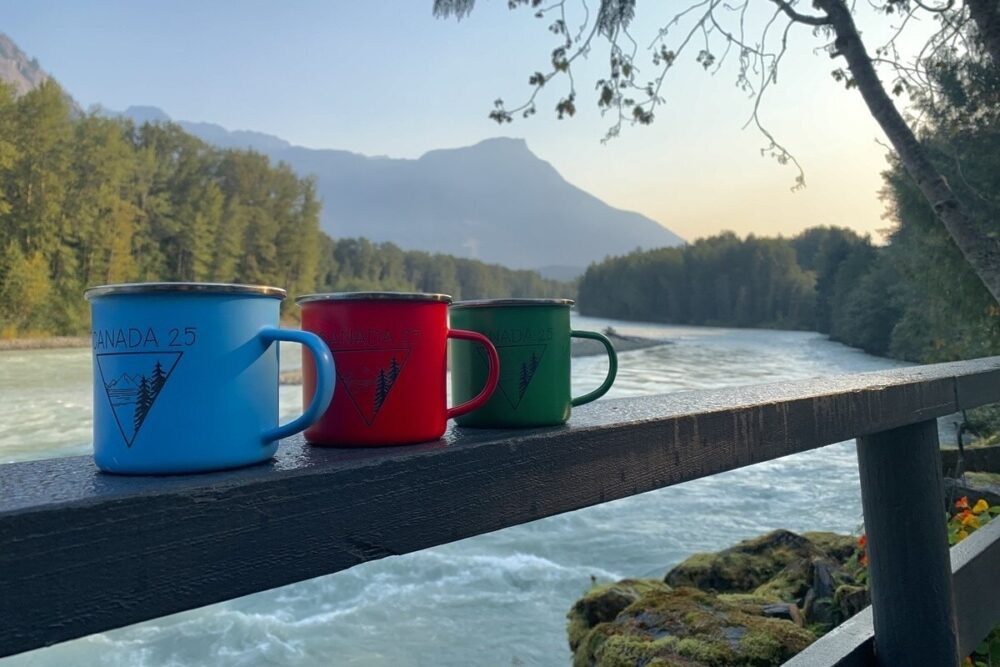
Accommodation in this area varies from the expensive Tweedsmuir Lodge, which runs a world famous winter heli-skiing operation, to numerous campsites. We opted for six nights in the fabulous RipRap campground in Hagensborg, a few miles up from Bella Coola. Sitting next to a glacial river and surrounded by mountainous peaks, the campsite was idyllic. We were greeted at the camp's viewing platform in the best possible way; a grizzly bear sow and her three cubs crossed the river in our direction. The bears clearly visited the camp through the night - presence of scat next to the washrooms was a little disconcerting.
Hagensborg is the main town in the valley and hosts a decent sized supermarket and a lovely coffee shop. The locals are extremely friendly, all offering a simple, one-handed wave to say "hello" to a passing driver, a sign of community and mutual support.
People watching
People watching at campsites is usually rewarding. Remarkably, when we arrived back at the campsite after one of our day-trips, we were greeted by a couple in the adjacent camping lot sitting at their table with their suitcase but no RV or tent; having seen images on the campground website they presumed that the $35 per night included an RV!
Limitations of an RV
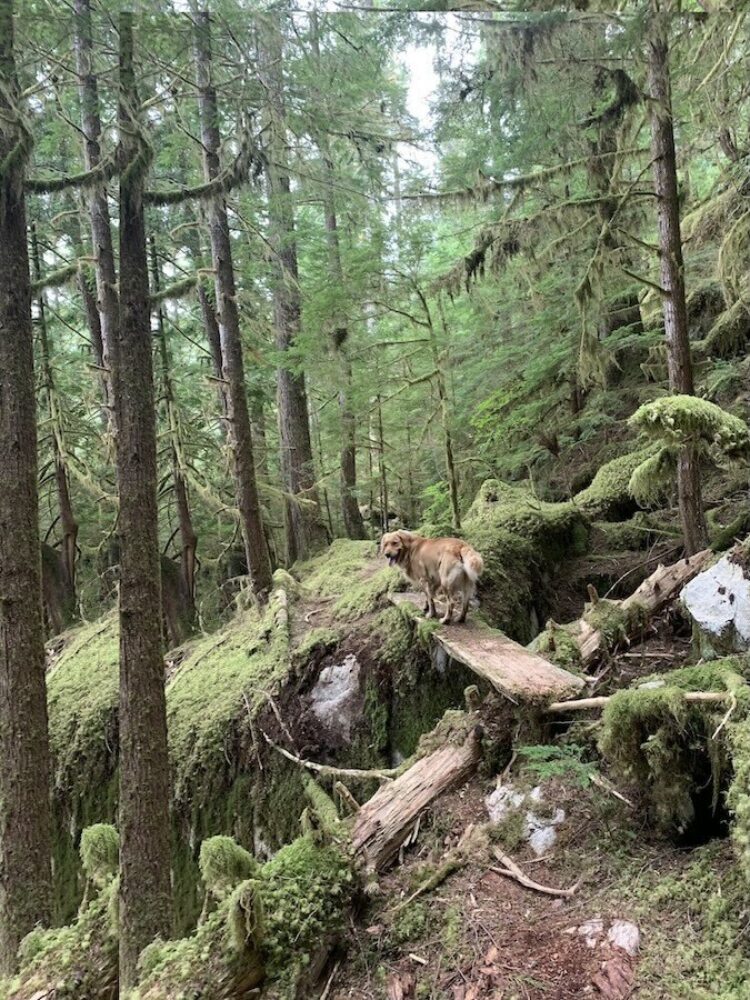
One of the upsides to an RV over a tent is that this area is a temperate rainforest; camping is less appealing in the rain. The disadvantage over a tent (with car) is that you cannot access many of the best trails, which start several miles along active logging roads, now politically termed ‘resource roads’, such as the M.Gurr Lake trail, Lost Lake trail, and Hammer Lake trail.
We came to see the grizzlies
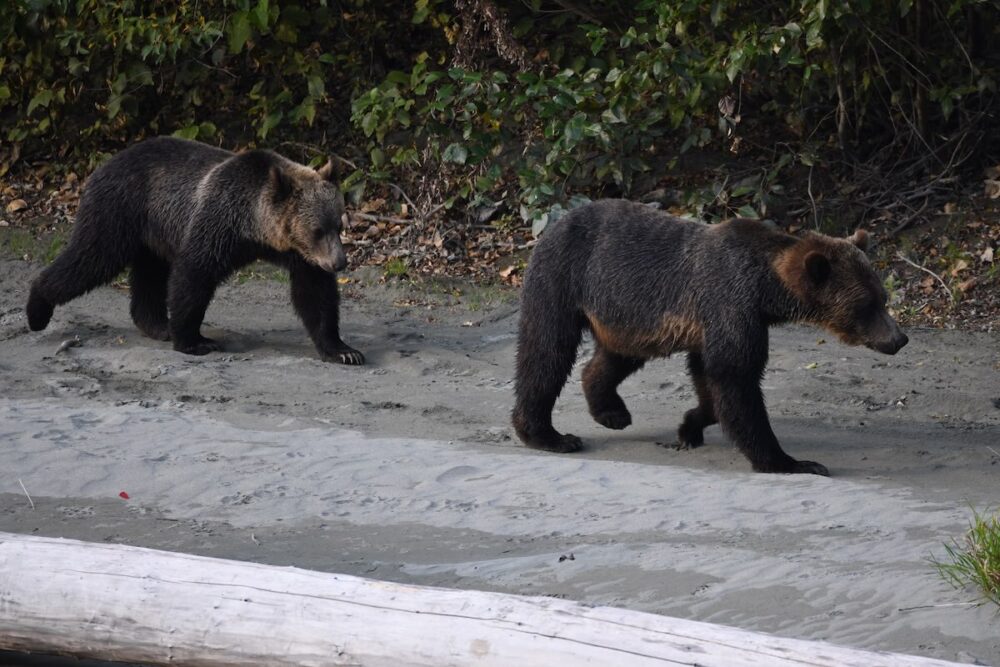
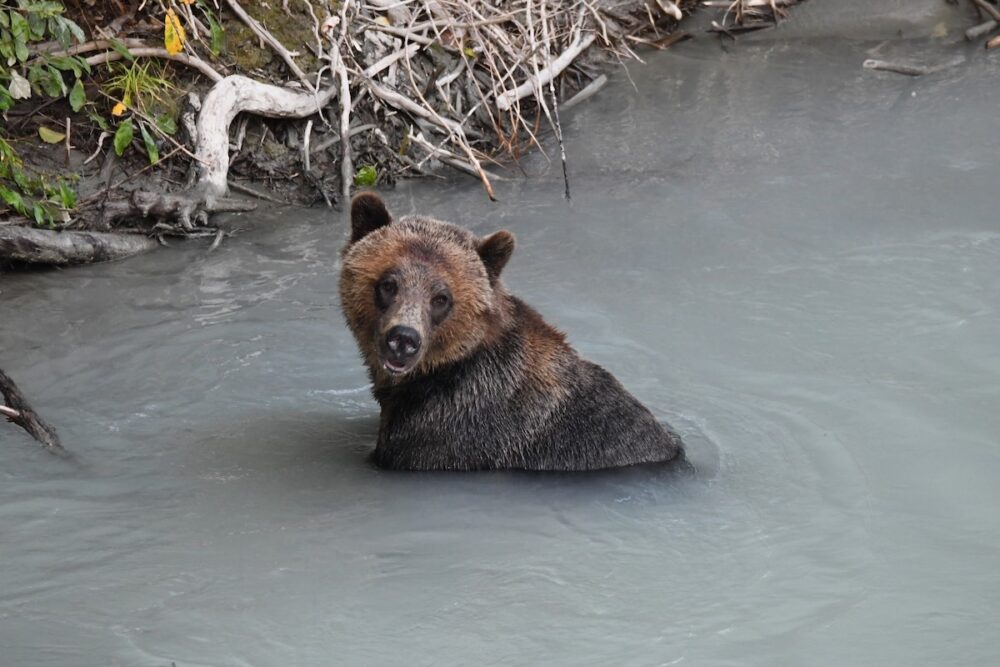
During our time in the valley we managed several accessible hikes such as the Burnt Bridge Loop trail and the School House Mountain Falls trail, and enjoyed lovely coffee and local cakes from the delightful Bella Cafe, the rest of the time was spent doing what we came to do – wildlife watching. The reason for visiting the Great Bear Rainforest in late August / September was to see grizzly bears, which are more visible at time of year due to the salmon run, one of nature’s incredible stories. Thousands of salmon, including Chinook, Coho, Sockeye, Chum, and Pink salmon arrive in the valley every Autumn, ready to spawn, a feast for the grizzly.
Hot springs and eagles
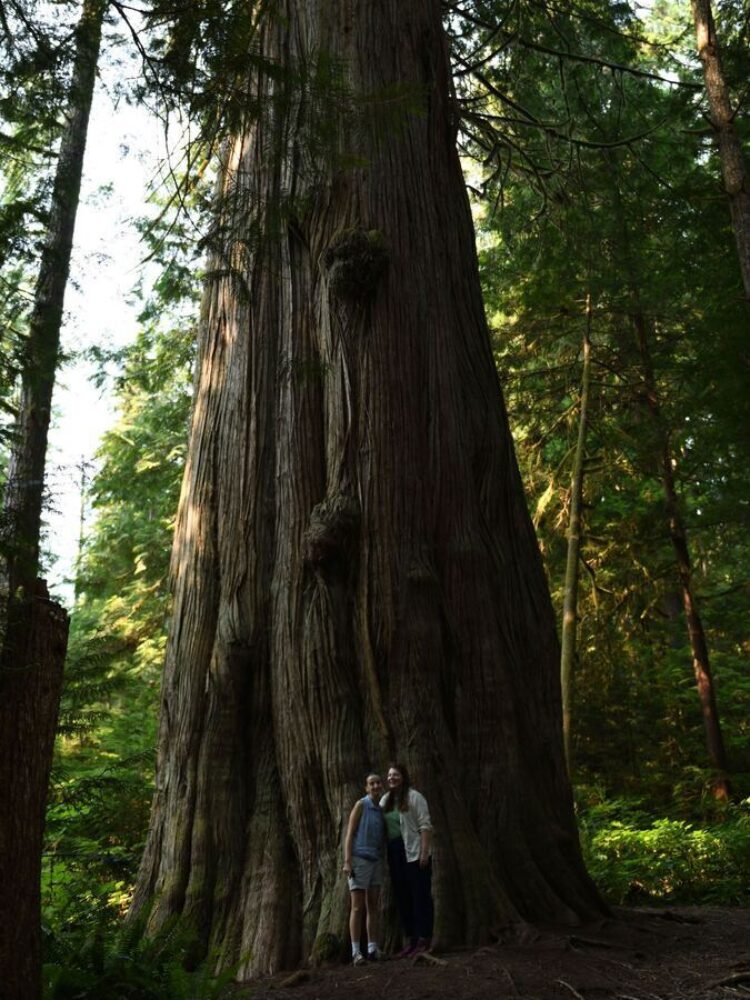
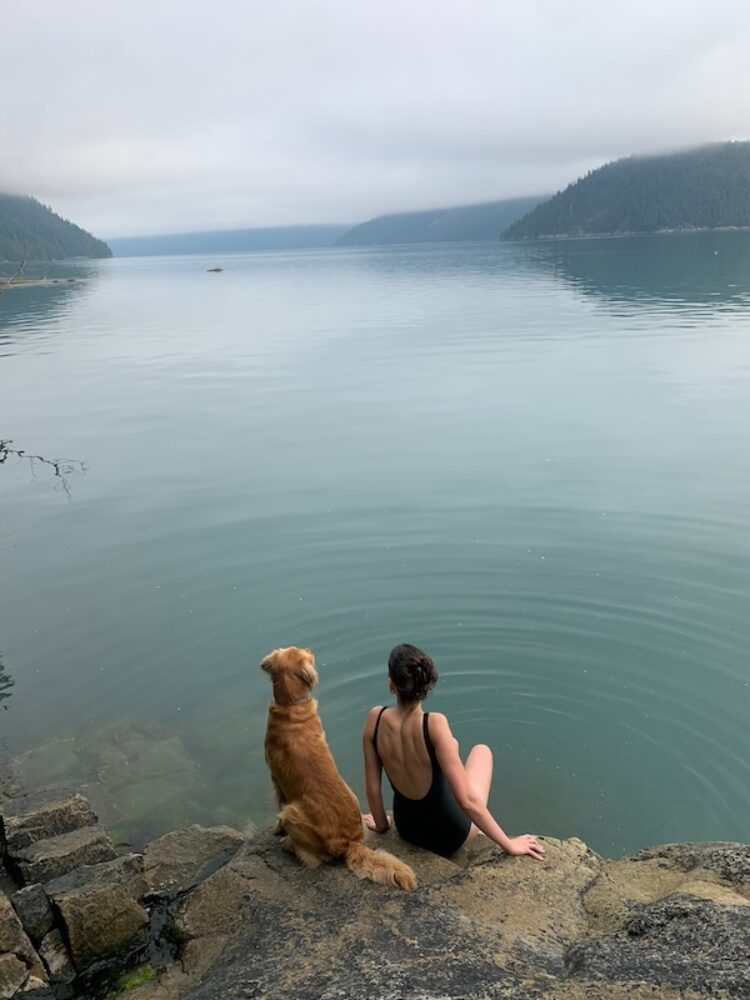
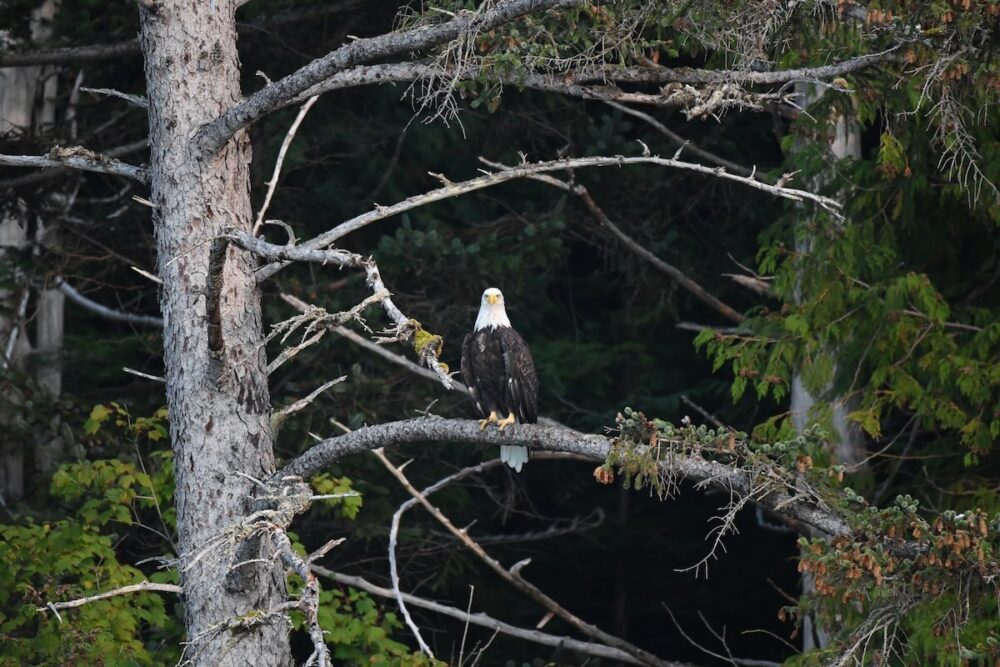
During our stay we embarked on a day’s boat trip along the inlets. While it is uncommon for the larger marine life to head this far up the inlet, it is a great opportunity to see bald eagles, and if you are lucky occasionally bears and wolves on the coastline. The tour stops for a dip in some natural hot springs next to the ocean and a short hike to a huge ancient cedar tree set within a temperate rainforest. Other highlights included Buck the dog, Ocean Falls, and the history of the area, which inherited a significant Norwegian population due to the resemblance of the area to the Norwegian fjords.

The Heckman Pass - don't believe what you read
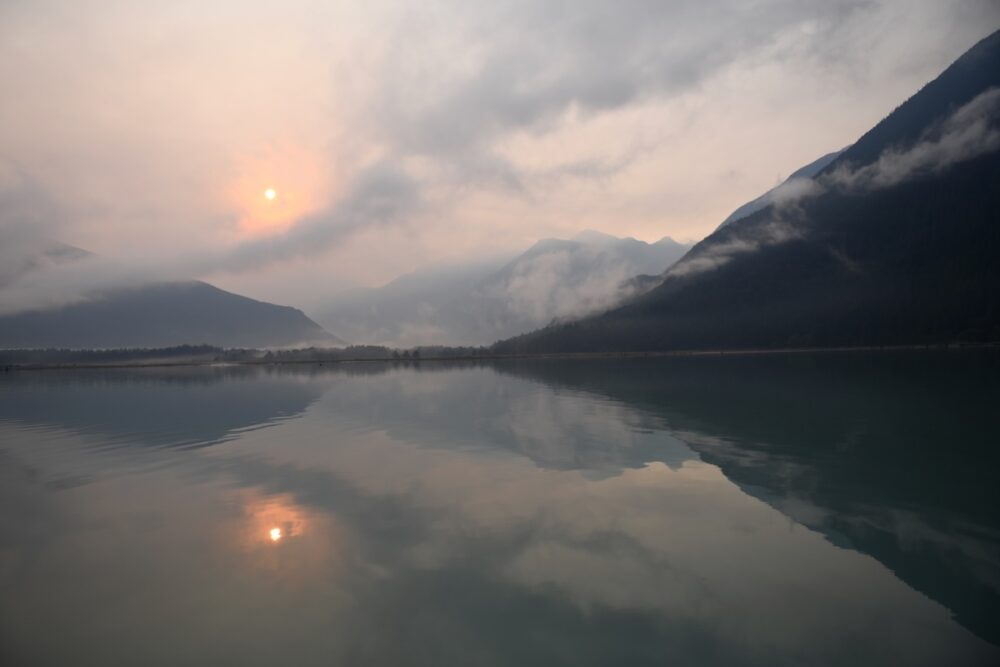
On the way out of the Great Bear Rainforest we had to drive over the Heckman Pass, locally referred to as ‘The Hill’, a stretch of unpaved road with numerous hairpin bends. Described in many apocalyptical ways, including one blog titled 'Surviving Eleven Kilometers of Terror on Highway 20', it really is pretty easy, bear in mind we were driving in a 30 foot long RV in limited visibility as a result of smog from forest fires in the region. The reason for lack of paving is that the mountains in this area are relatively young and are changing at a rate that would damage a paved road. While passing through we had hoped to hike the Rainbow Range trail, sadly the poor visibility put pay to that plan.
What does the future hold for the Great Bear Rainforest?
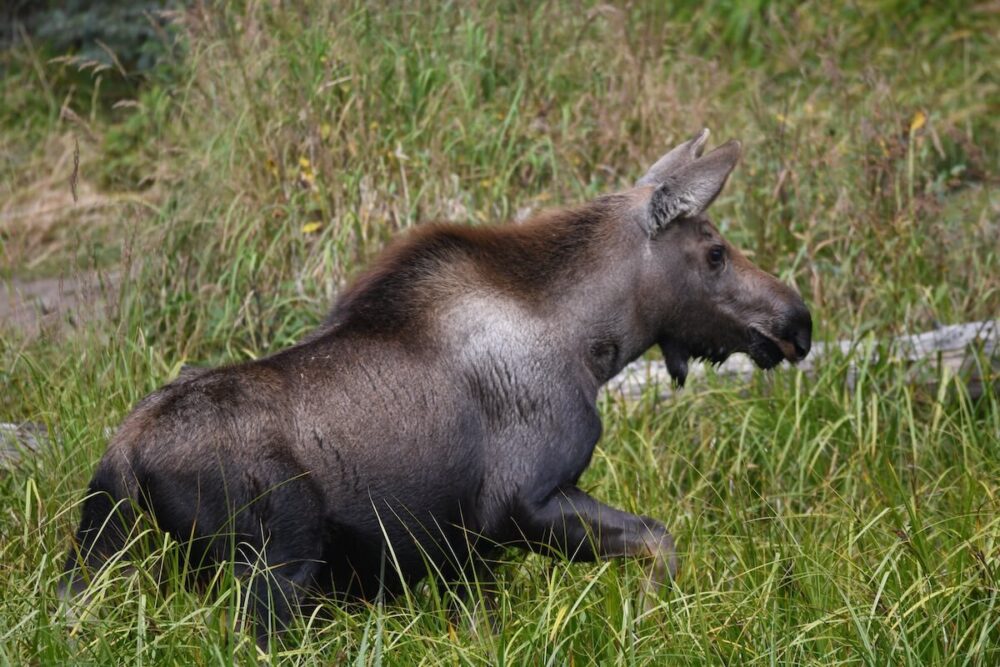
British Columbia is home to 25% of the world's remaining temperate rainforest. In 2025 agreements were reached to conserve 85% of the forest and 70% of old growth in the Great Bear Rainforest, a relative success.
Other positive news is that grizzly bear hunting is now banned in most of Canada (except the Yukon and Northwest Territories). Breaking the rule does not go unpunished.
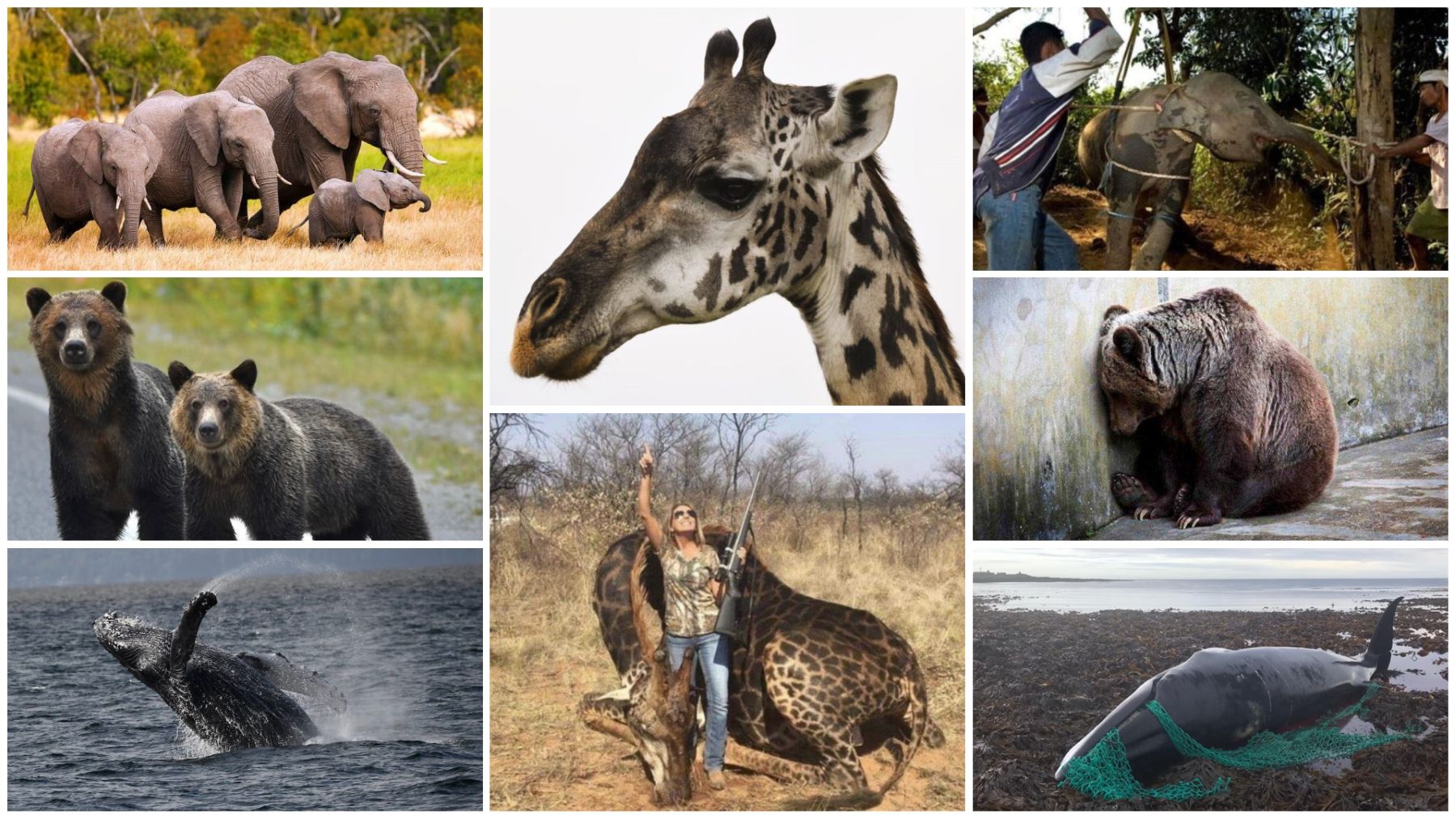
The greatest concern is arguably the future of the pacific salmon, which are currently in decline as a result of overfishing, climate change, habitat degradation, land and water pressures, and pollution. Over 130 species, including grizzlies, orcas and eagles, depend on this salmon. It is not just the decline in salmon that should concern us, the BBC series Parenthood, presented by Sir David Attenborough, tells a bleak story of how overfishing is destroying our oceans, one story alone shows Orca (killer whales) drowning a blue whale in order to provide enough food for the family. Orcas are increasingly looking for alternative prey as fish stocks become increasinlg depleted - my choice of becoming a vegetarian recently was not hard. I never believed people who said ''I don't miss meat'', I do now.
Of course Canada is not perfect, but so many of the Canadian's I spoke with were passionate about protecting their environment, something they take very seriously. The results were self-evident, when one is out and about in Canada's national parks, and other protected areas, people are genuinely happy, something we can all learn from. How much sadness will behold the human race when we have killed off most of the world's remaining wildlife, future generations will not look fondly on the greed of this generation.
Please visit my Great Bear Rainforest Gallery; so many reasons to hold on to what we have.